Moholy-Nagy University of Art and Design | Design Institute
Textile Design BA
From forming through the incorporation of sustainability principles to material design
Type of course
Full-time
3 years
6 semesters
3 years
6 semesters
Qualification
BA degree
Hungarian state funded
2026-02-15
Department
Language
Hungarian
Career opportunities
Contact
Zsófia Asegu
programme coordinator
textil@mome.hu
programme coordinator
textil@mome.hu
We train versatile designers who, in addition to mastering specific competencies, will also gain an understanding of the social, economic and cultural factors influencing the industry. Our students can choose from a range of specialisations such as clothing design, accessory design, woven fabric design, knit fabric design and print fabric design.
Our training programme encourages a responsible mindset by combining creative processes, research, craftsmanship, and technology. We believe that cooperation and knowledge transfer between different fields lead to original ideas, innovative solutions and positive changes.
We offer a unique combination of visual, art history, theoretical and practical studies, with most of the work taking place in the workshops of TechPark, student studios, and a corporate setting.
Modules
The module that students in the programme complete in the first semester. Based on the results of basic form, structure ...
Two design assignments – one shorter (three to five weeks) and one longer (six to eight weeks) –, each built on the prof...
General Theoretical Studies offer subjects covering theoretical studies to all design BA students of the university. Aft...


News
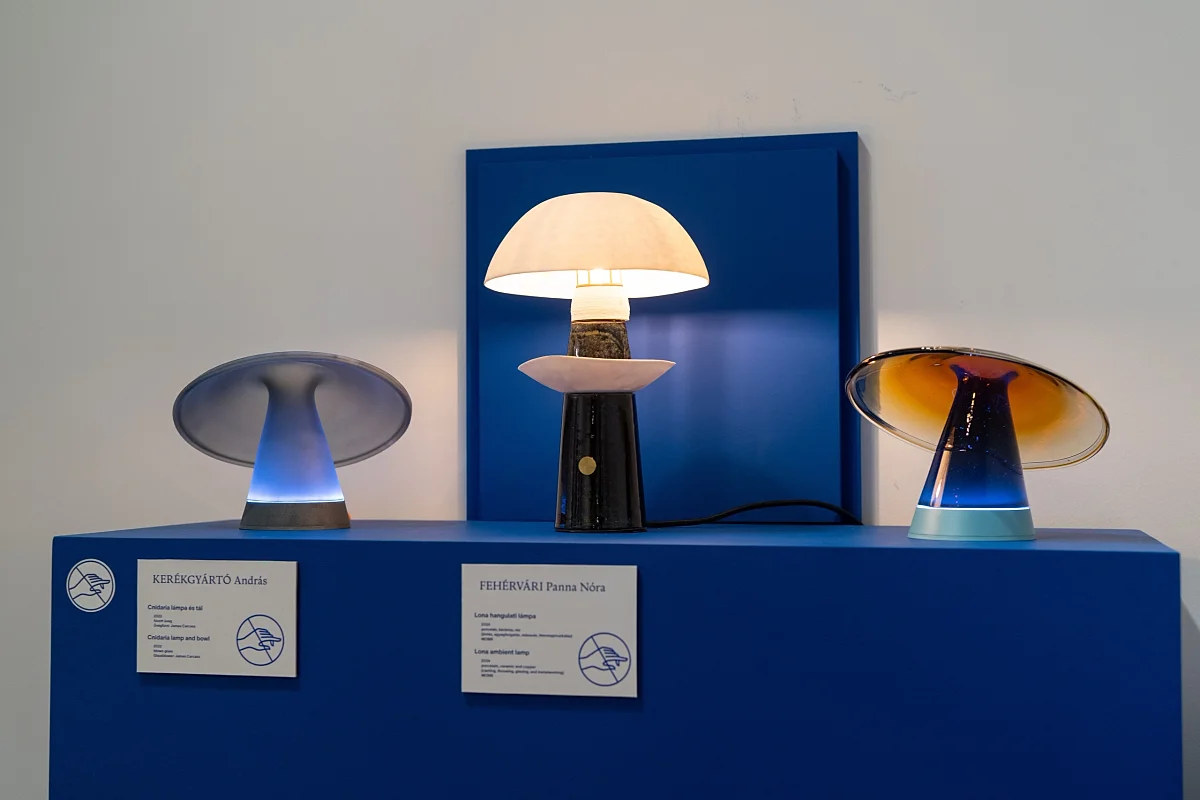
How can ways of thinking, sensitivity, and attitudes to work be passed down from one generation to the next? What role do time spent together, working side by side, attentiveness, acceptance, and even conflict play in relationships between masters and students?
Offering a fascinating cross-section of Hungarian craft and design, Patterns That Live On, a new temporary exhibition organised in collaboration with the Moholy-Nagy University of Art and Design (MOME), explores the continuity of the institution across generations, the personal relationships between practitioners and the passing on of knowledge, perspectives, and experience. The exhibition opens on 18 October at the Ráth György Villa.
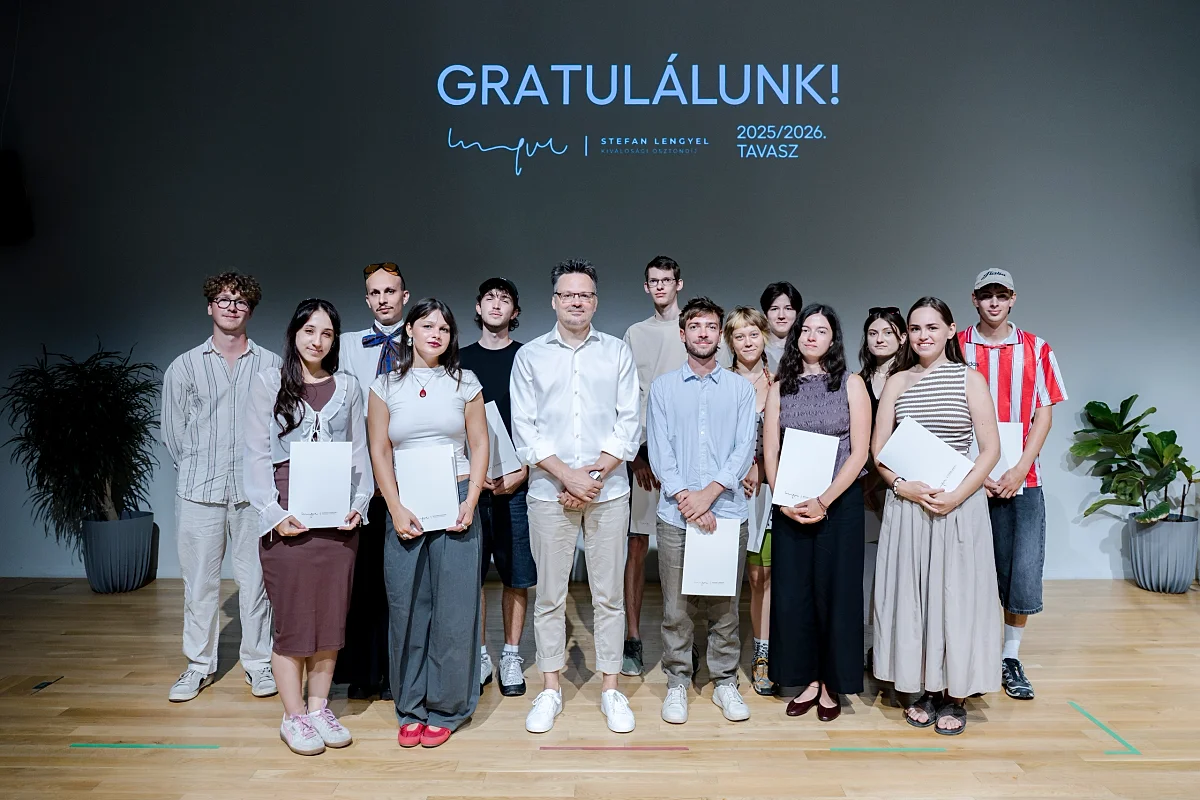
The recipients of the Stefan Lengyel Scholarship of Excellence for the spring semester of 2026 have been announced. The sixteen winning projects include an animated series exploring children’s rights, a contemporary cemetery and memorial site, an inclusive tableware set for children, a documentary on collective trauma, and a project exploring the legacy of Tungsram.
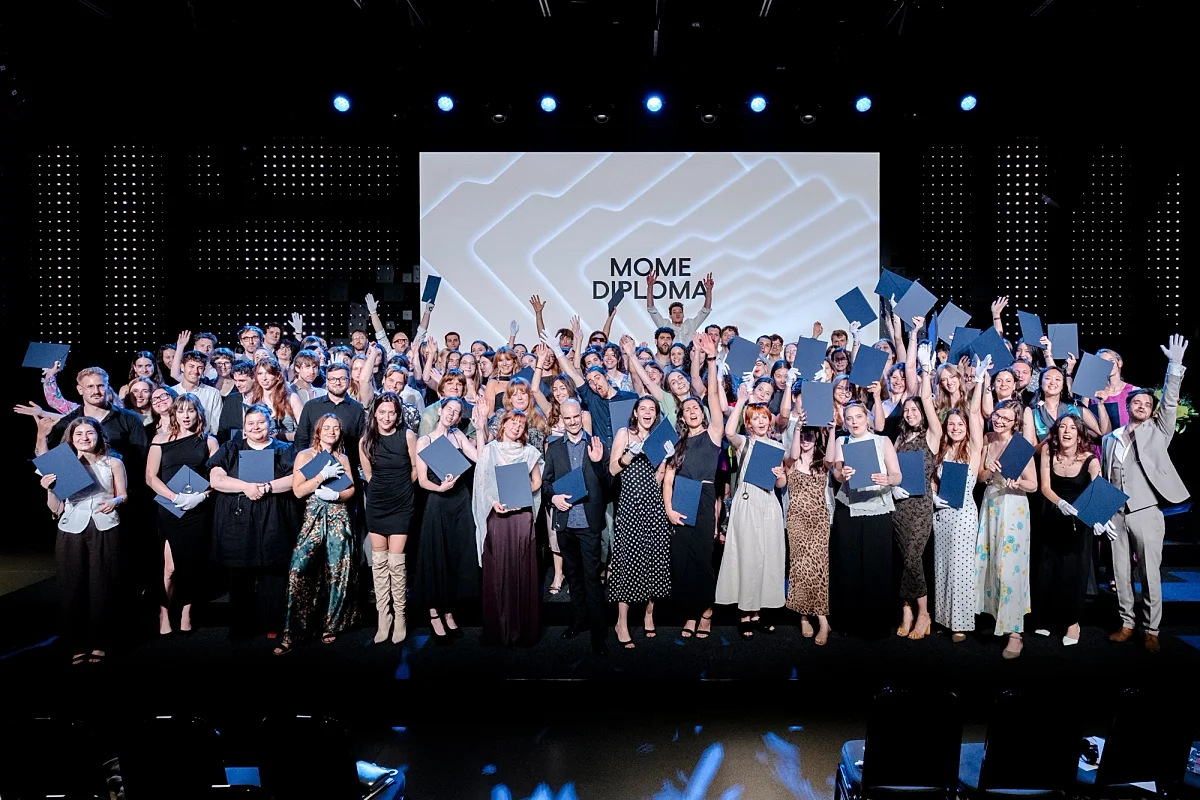
This year, the MOME community celebrated the graduates of twelve MA and nine BA courses in a festive ceremony. Speeches were given by interior designer Mrs. Bánki née Laura Szerdahelyi, one of our jubilee graduates, who turns 91 this year and designed the interiors of Déli Railway Station; Curator and László Moholy-Nagy’s grandson Daniel Hug; and designer Stefan Lengyel, who is celebrating a milestone anniversary this year. In addition to conferring the degrees, this year’s Rector’s Special Awards and several professional awards were announced, and the Gold, Diamond and Iron jubilee graduates also received their certificates.
Events
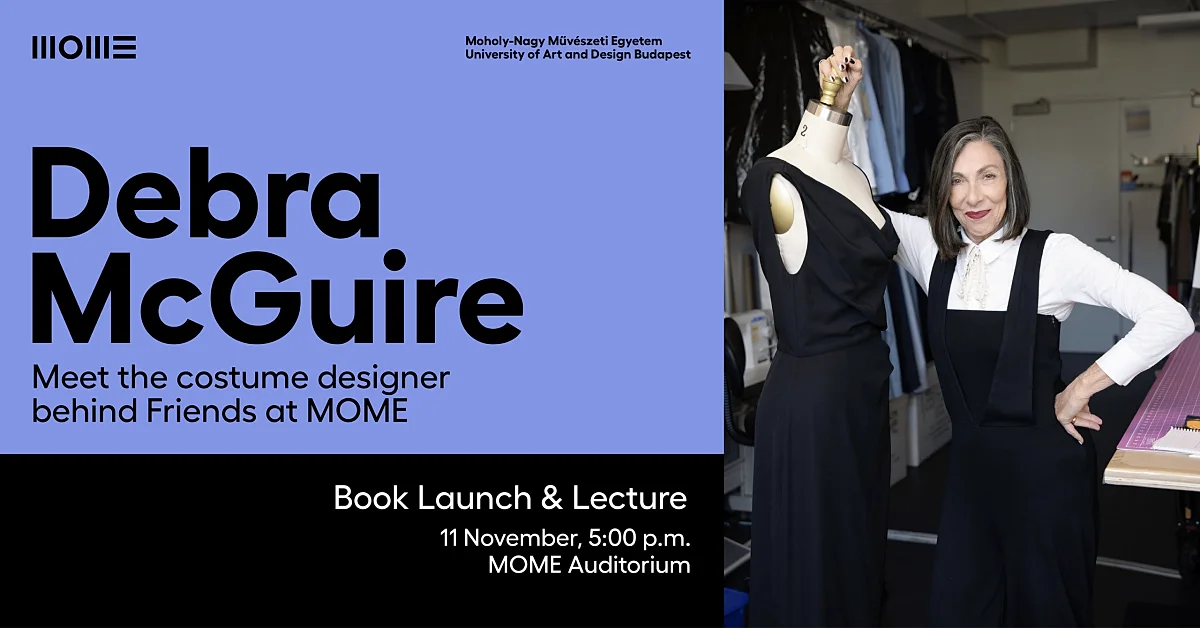
Debra McGuire, the costume designer behind Friends, is coming to MOME.
She has helped shape the look of some of Hollywood's most iconic films and television series, creating costumes for productions including Friends, Anchorman, Superbad, Freaks and Geeks, New Girl, and The Morning Show. During her visit to Hungary, McGuire will present her latest book, Dressing the Story: The Art of Costume Design. Drawing on nearly five decades of experience, she offers a behind-the-scenes look at the art of costume design and discusses how individual garments help define characters, tell stories, and build the visual worlds of film and television in her talk delivered in English.
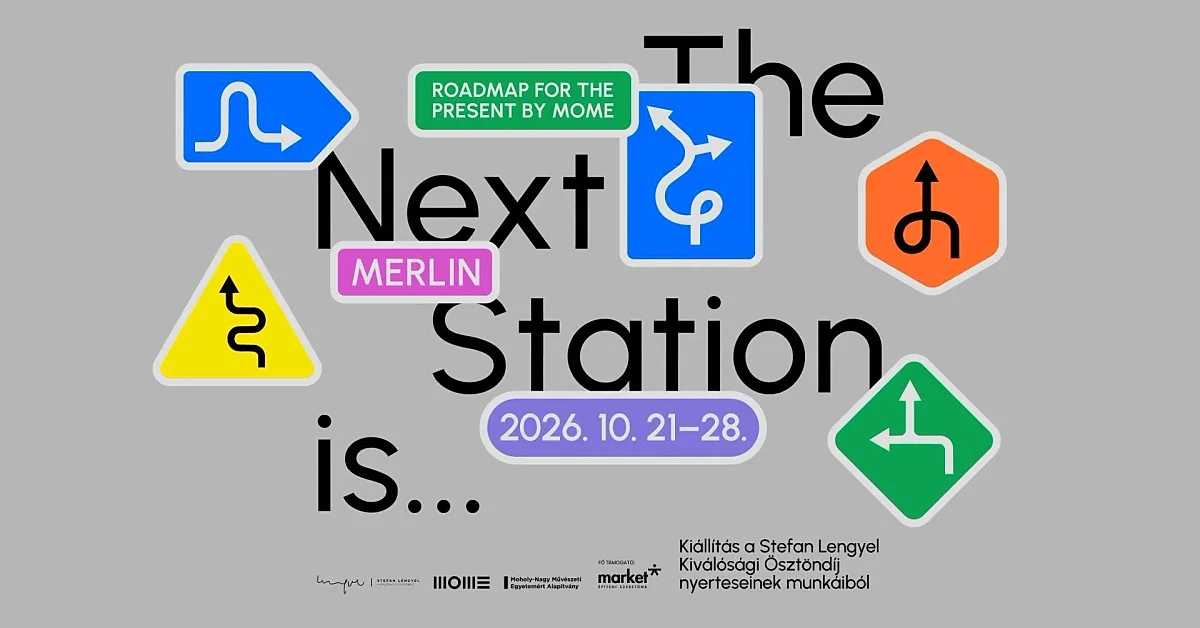
On 21 October, the *The Next Station is...* exhibition of the Stefan Lengyel Scholarship of Excellence will open at Merlin. Celebrating the fifth anniversary of the exhibition, this year’s show presents the work of all 32 scholarship recipients from the 2025/26 academic year, this time outside the MOME Campus, in the iconic Merlin exhibition space in the city centre.
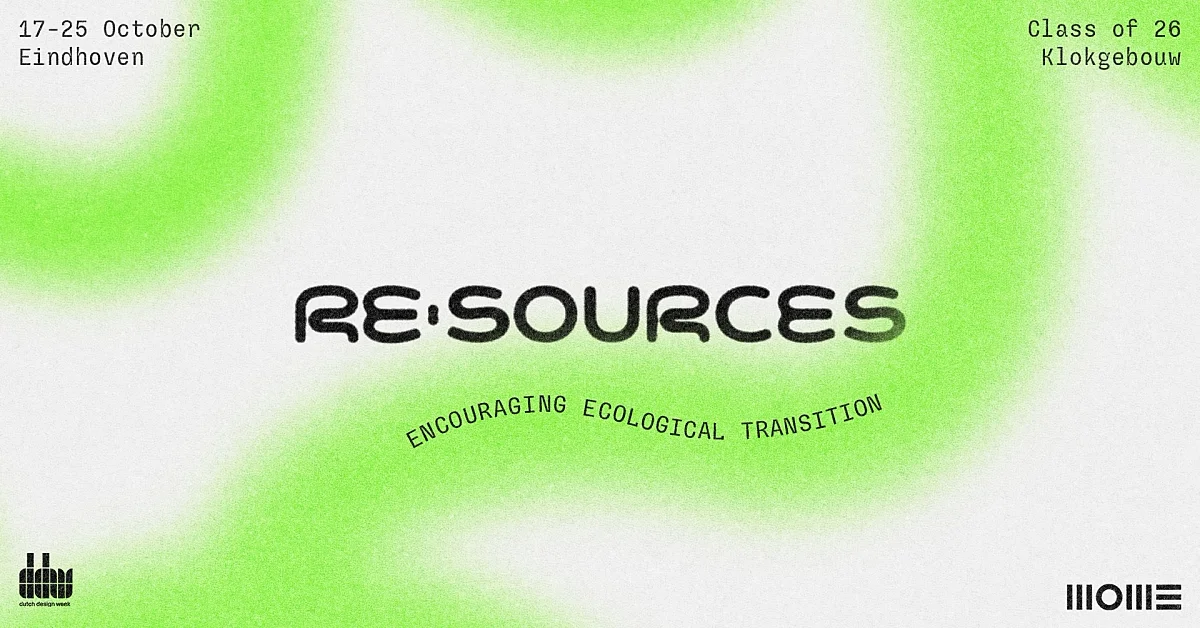
MOME is hosting its own exhibition at the Dutch Design Week in Eindhoven, as part of the Class of 2026 section!
The works on display grew out of material research, designer maker, graphic design, and textile design processes developed through MOME’s thematic courses, and its MA diploma preparation, research, and incubation mentoring programmes.
Facilities
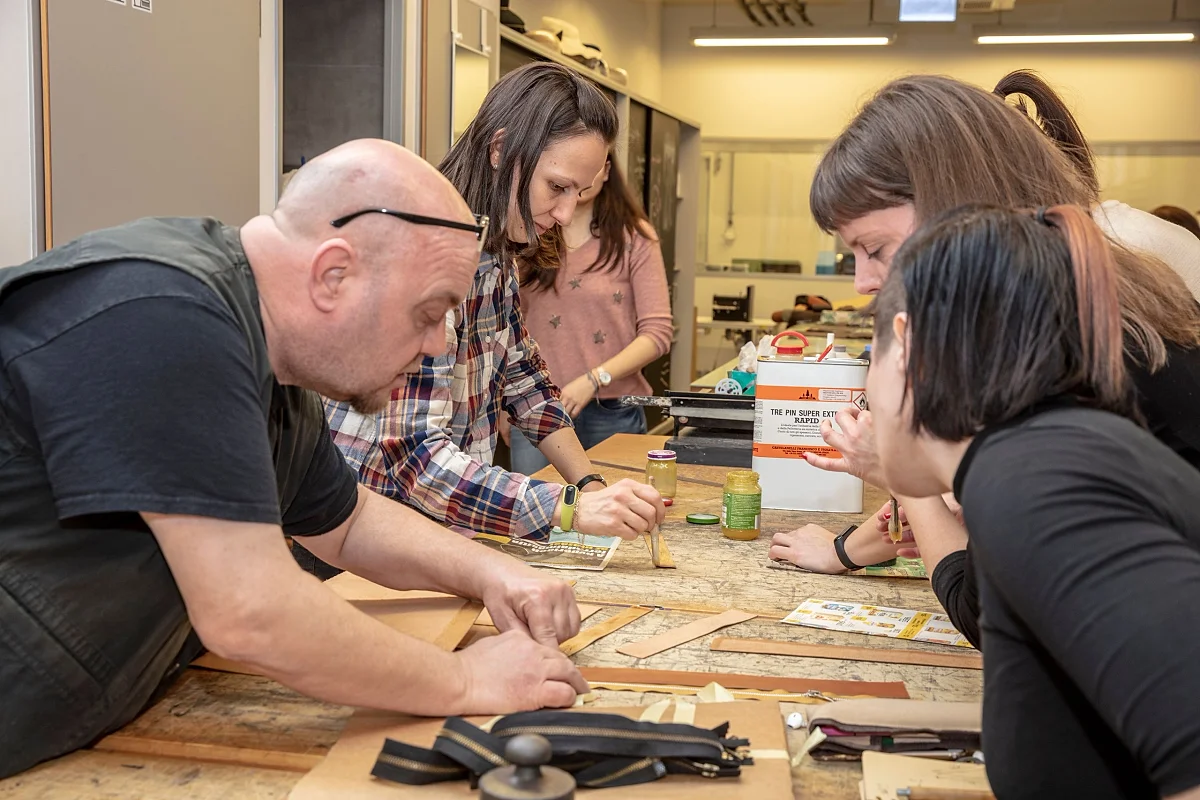
In addition to performing assignments from the Garment Accessory Design Specialisation of the Textile Design Programme, leather craft, as well as shoe and hat-making technologies are also taught. It is a modelling workshop with state-of-the-art equipment that also interacts with other workshops (Modelling, Metal, 3D Printer, Laser Cutting). In addition to raw materials made of natural leather, this workshop also deals with textiles, films, and other alternative materials.
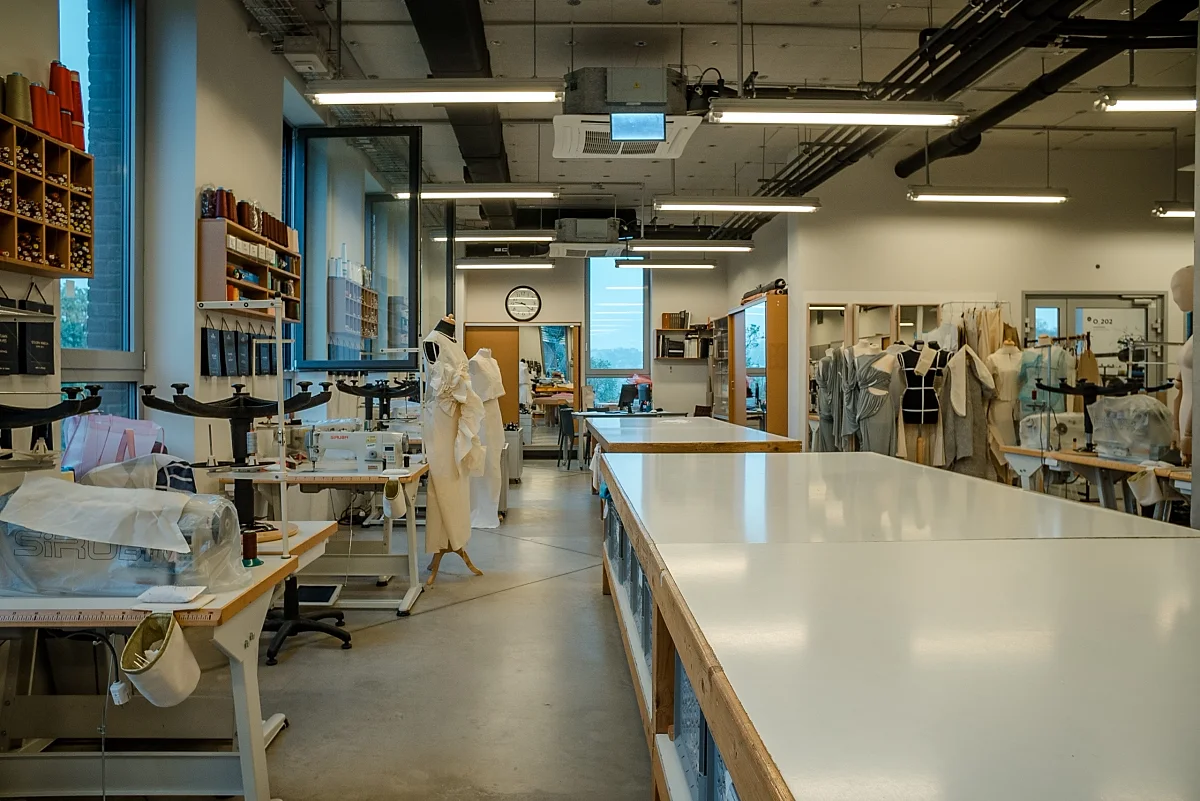
Students of the Textil Department can make garments of design task in the Fashion workshop.
In the Fashion workshop students can learn different skills, pattern development (flat pattern making, draping and CAD/CAM), tailoring, sewing, ironing, fusing technology.
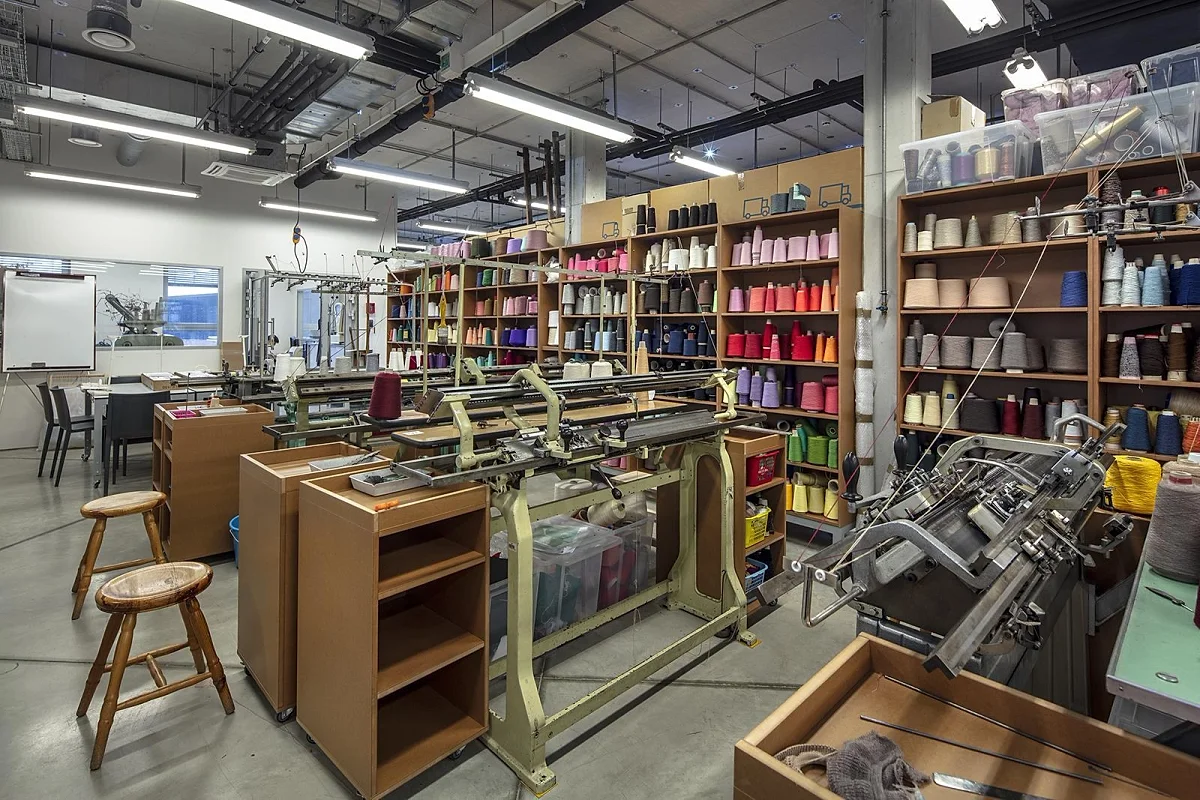
The Knitting Workshop at TechPark allows students to learn the fundamentals of machine knitting on 7 double needle-bed manual flat-knitting machines, 9 single needle-bed manual flat-knitting machines (Silver Reed LK150) and 8 electronically-controlled double needle-bed flat-knitting machines (Silver Reed SK 840) of different types and levels of subtlety. Three band-knitting machines and a string knitting machine are also available.
Certain threads can be made suitable for knitting with the 2x4 head cross winding machine in the workshop. The sheets produced on the flat knitting machines can be made into cardigans and other knitted garments with the help of a hem stitch sewing machine and a chain stich sewing machine.
Management


Faculty




szucsedit@mome.hu

tomcsanyi@mome.hu


External lecturers
external lecturer
external lecturer
external lecturer
external lecturer

external lecturer
external lecturer
external lecturer
external lecturer
external lecturer
external lecturer
external lecturer
external lecturer
external lecturer