Moholy-Nagy University of Art and Design

MOME Fashion Show

Fashion Show history
Sponsors
Got a question?
Professional leads
Student projects
News
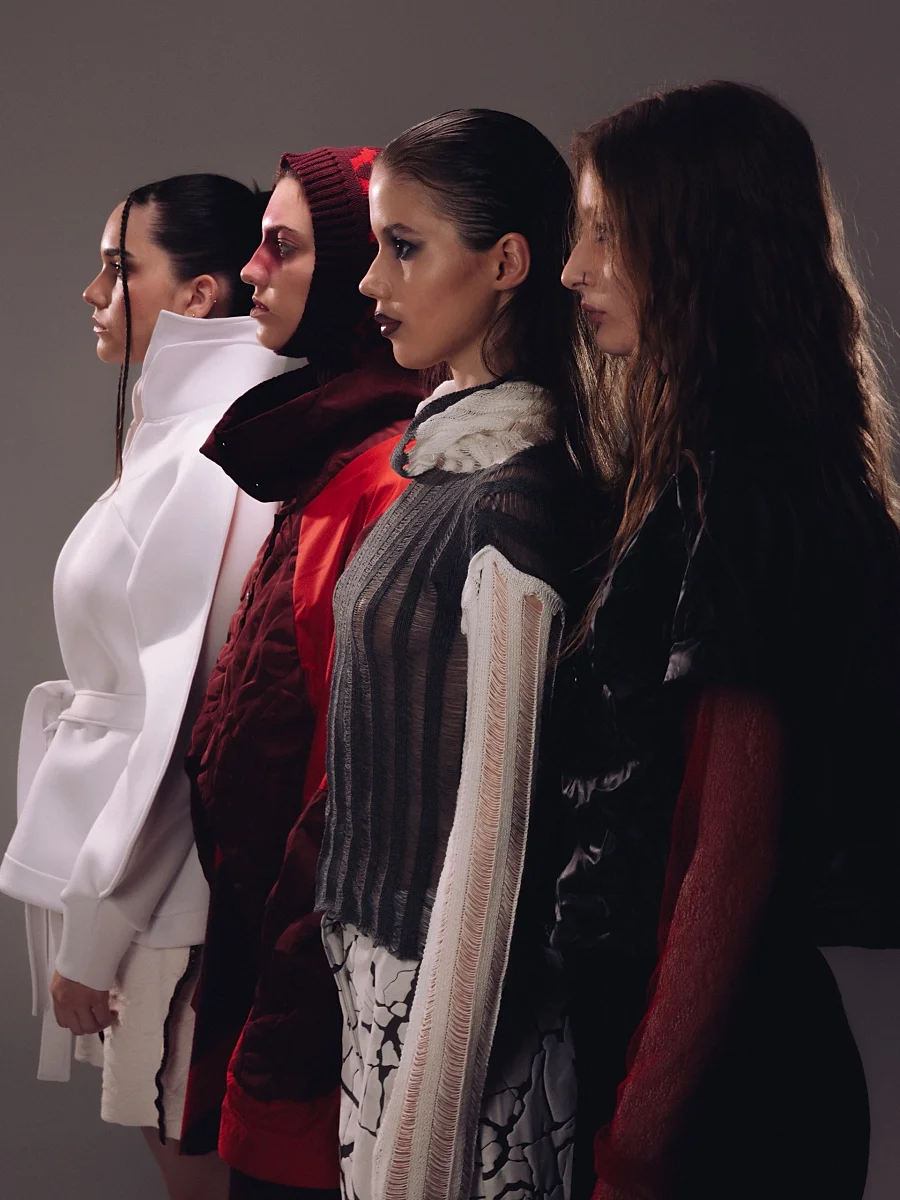
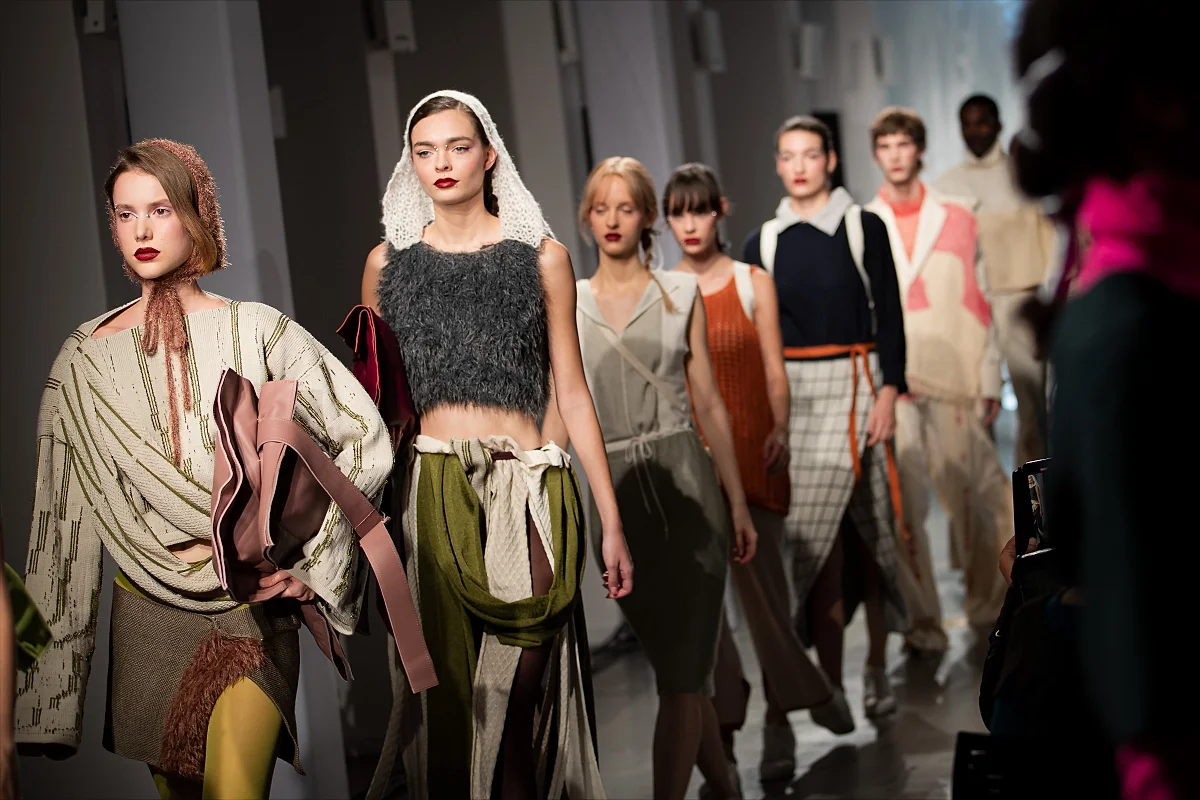
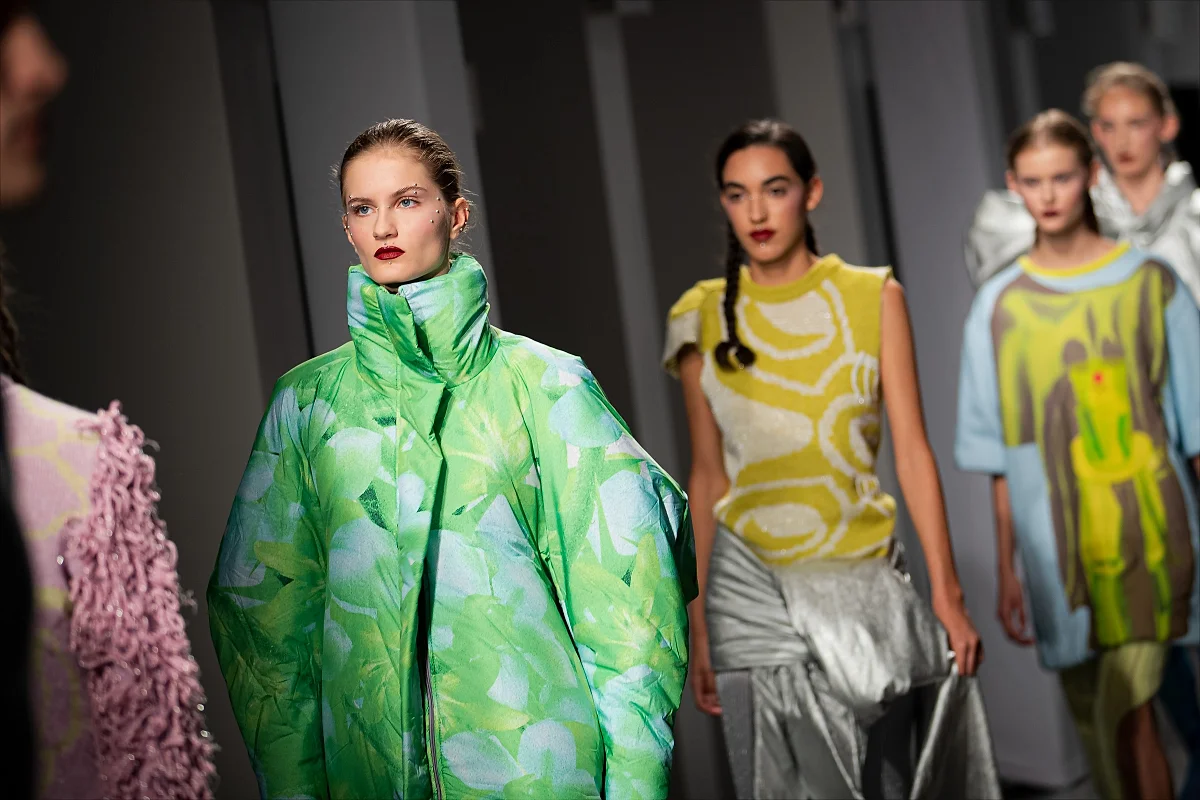
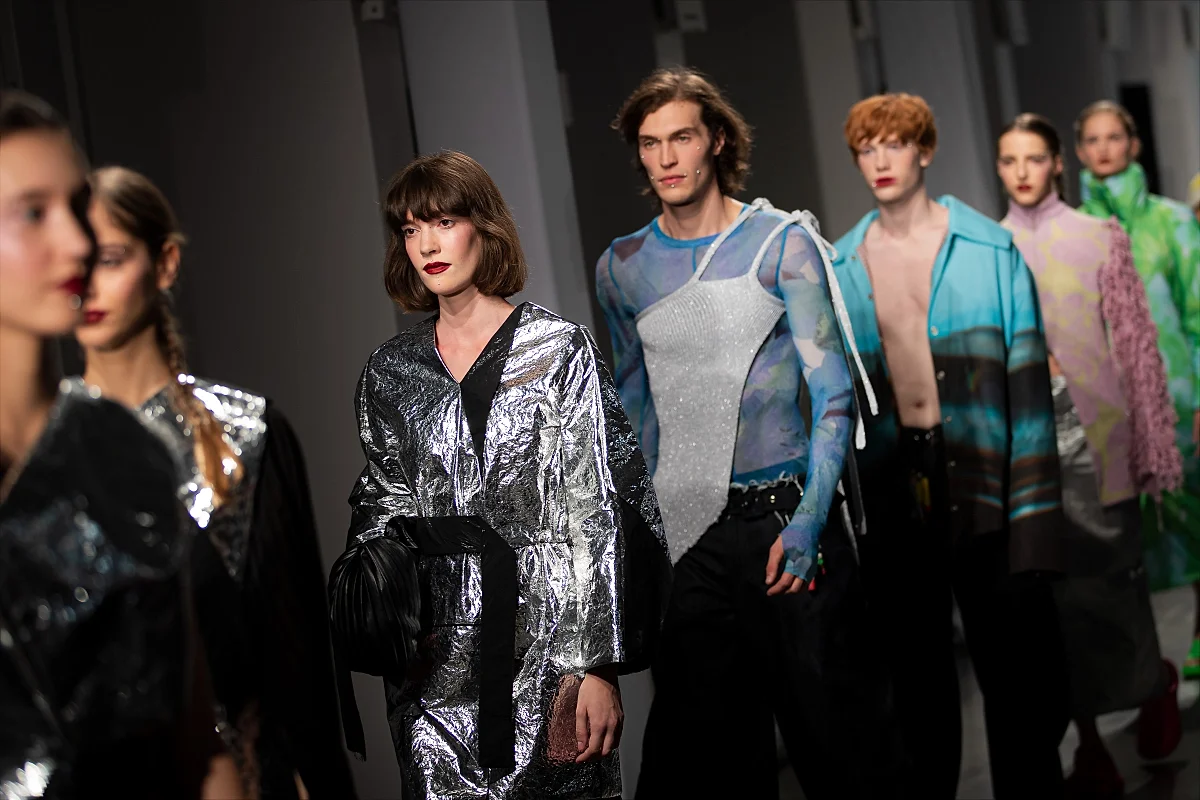
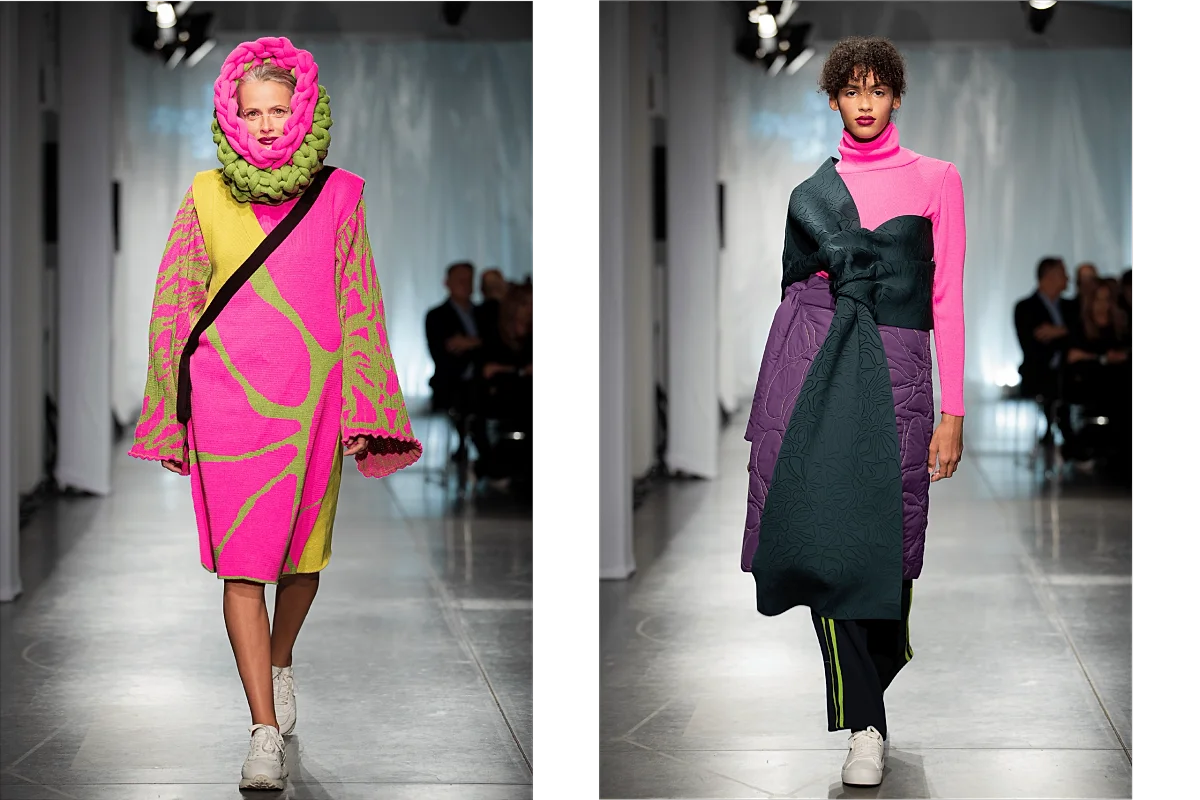
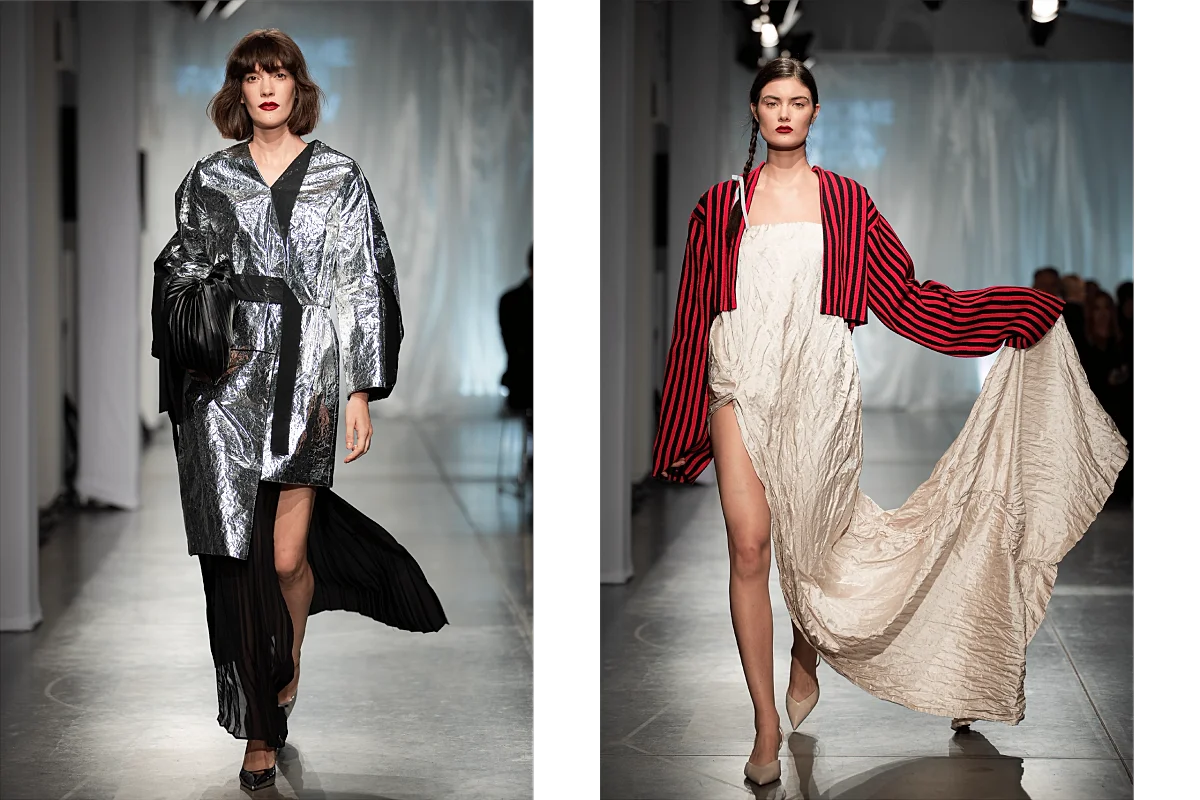
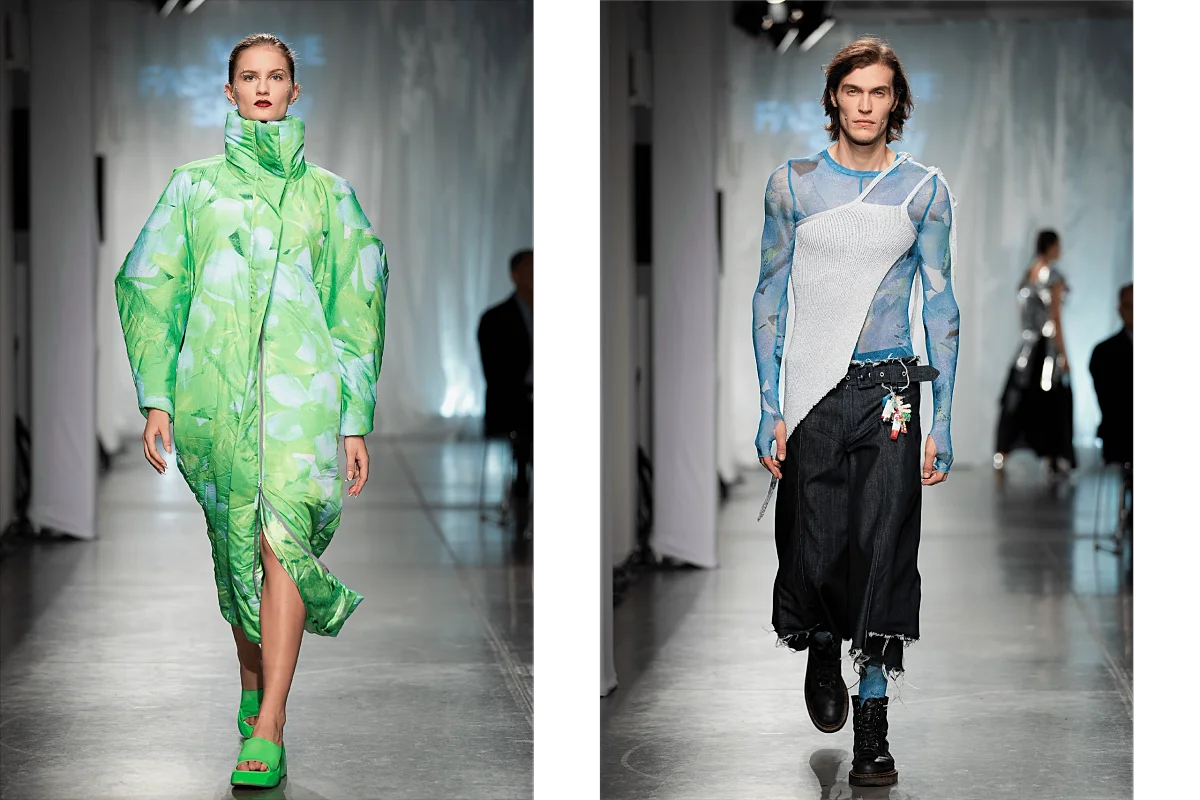
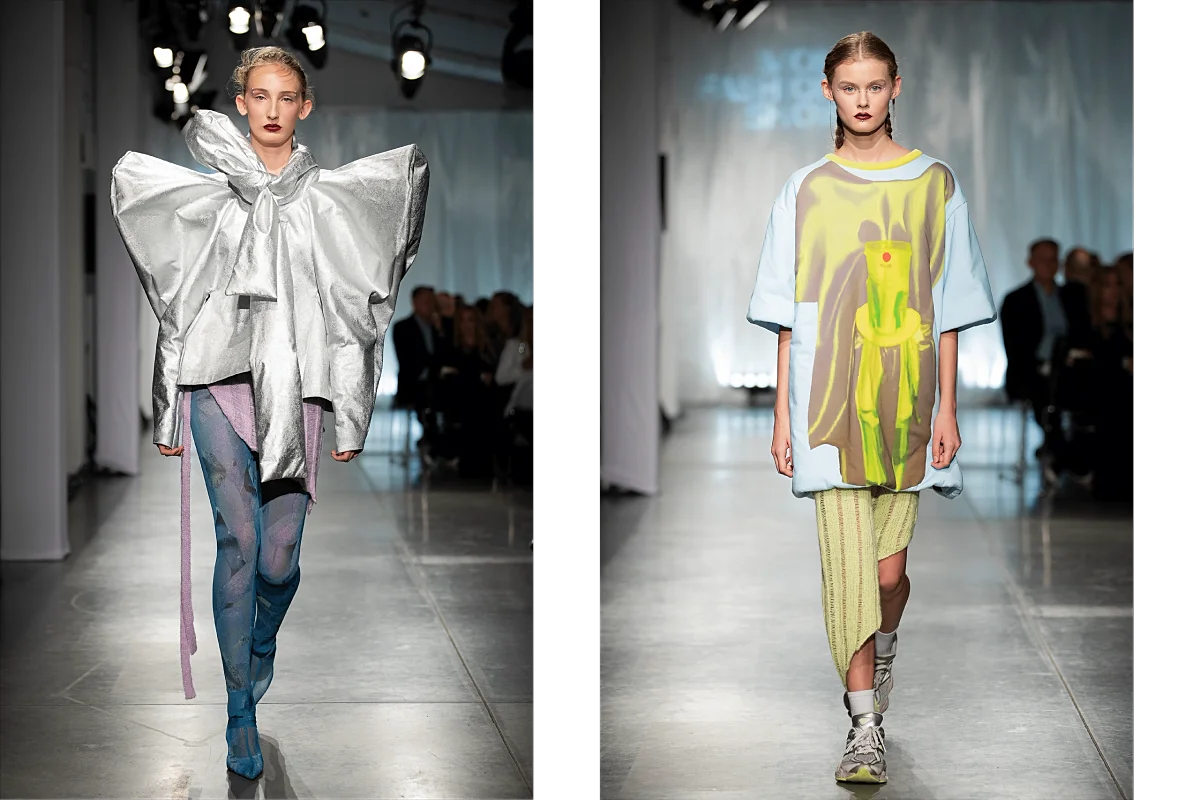
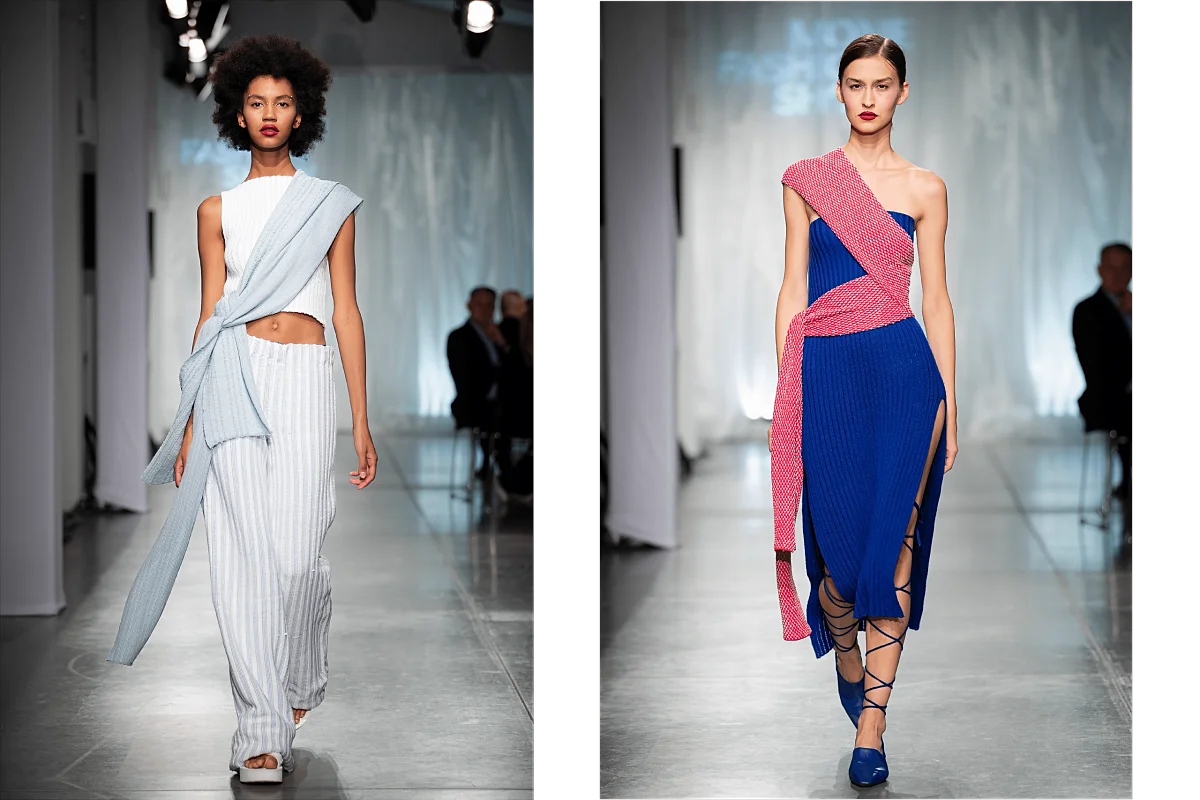
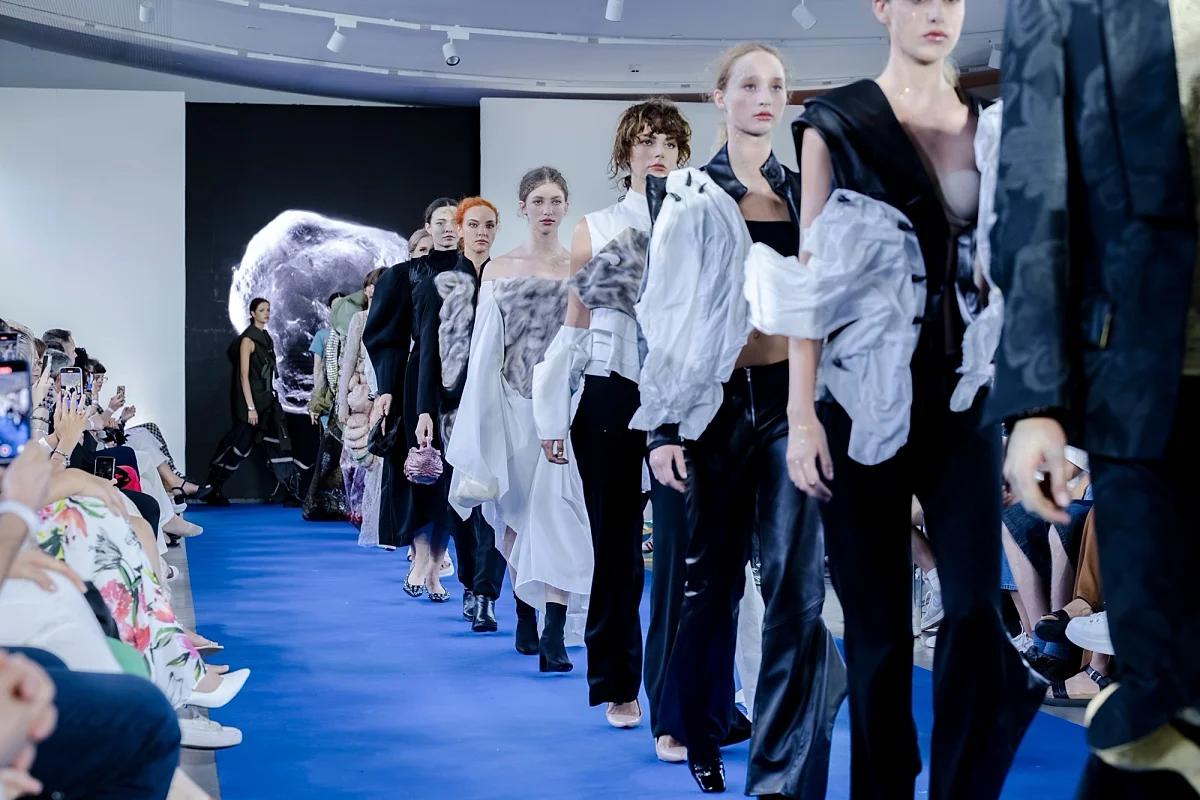
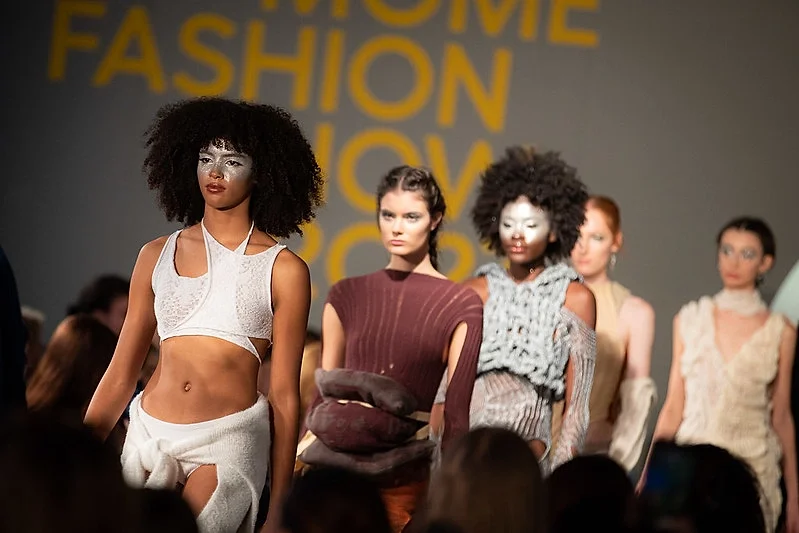
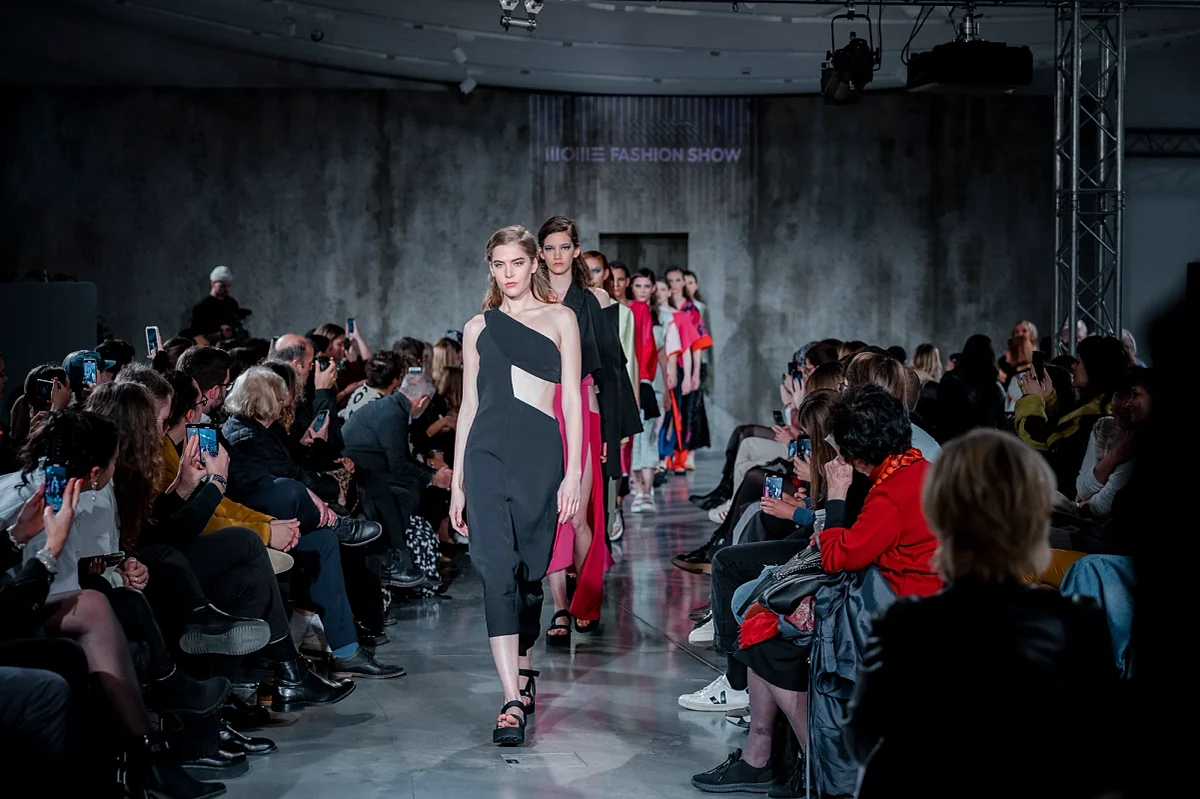
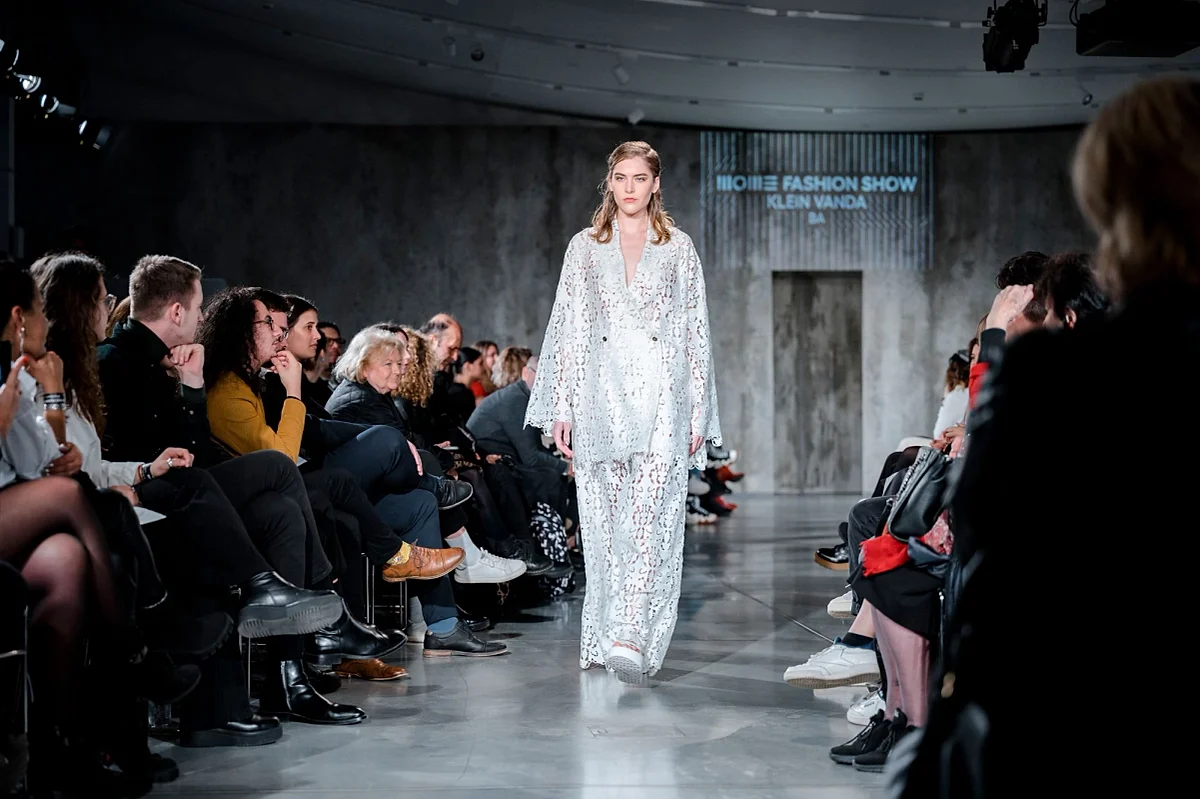
What responsibilities does fashion have today, and what are the considerations guiding a conscientious designer's work? At MOME’s Fashion and Textile Design programme, each year brings new creative perspectives, distinctive collections, and fresh responses to the questions currently raised by fashion. Following the practice of international fashion schools, the works of graduating students are presented to the wider professional community at a large-scale fashion show and exhibition.

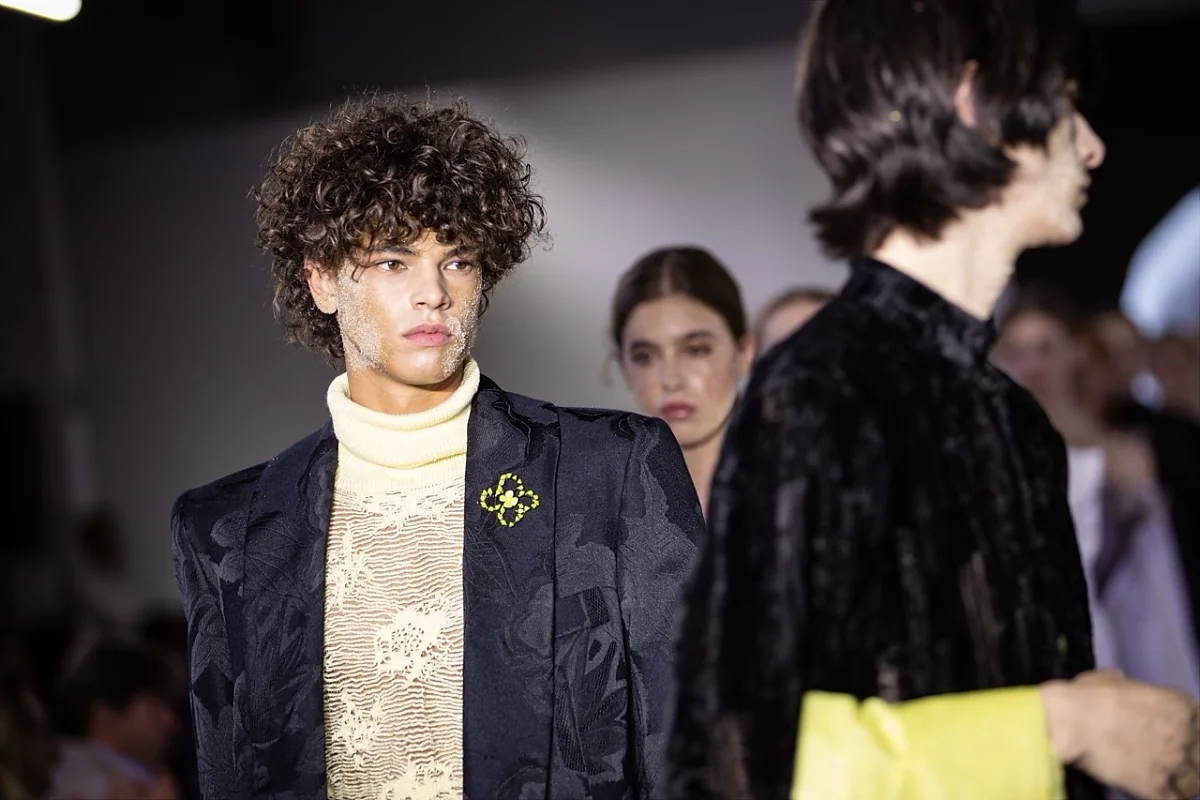
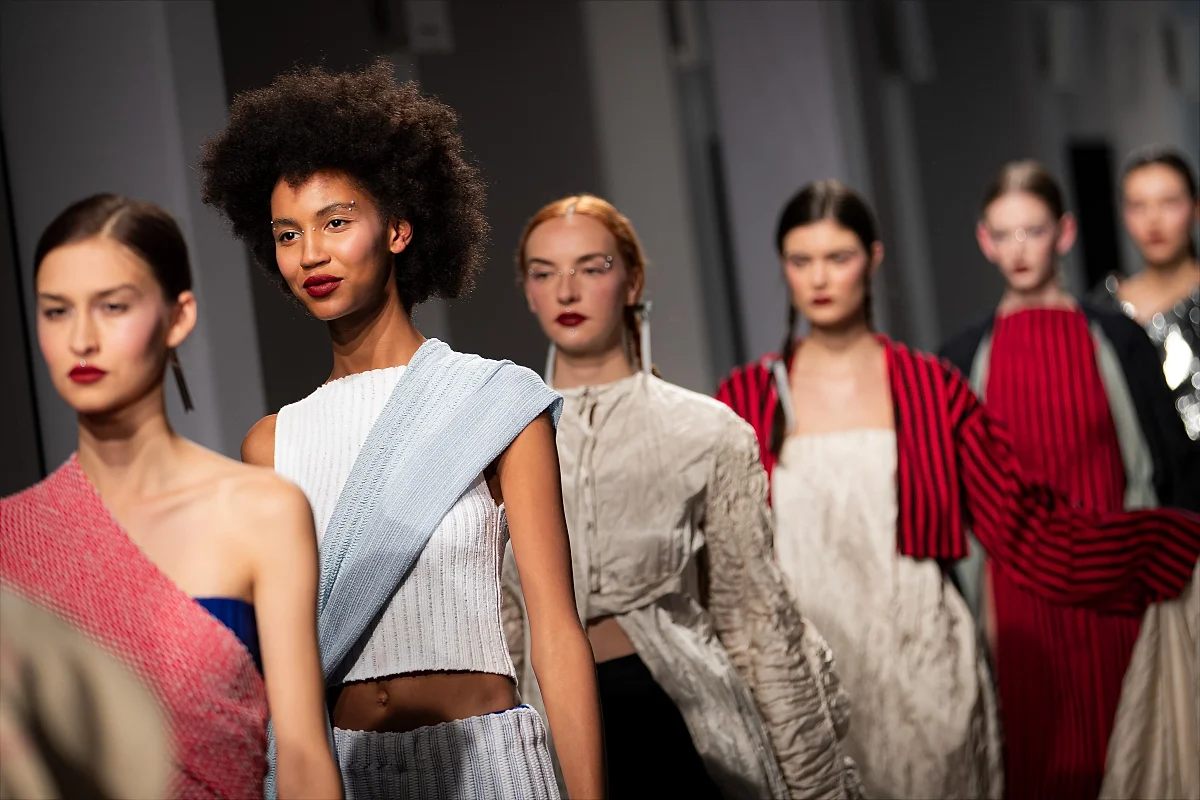
What social, cultural, and technological forces are shaping the outlook of the next generation of designers? The collections on the runway engage with some of the major issues facing society today, including climate change, sustainability, and the preservation of cultural heritage. 

The MOME Fashion Show is an outstanding event on the regional stage, bringing together representatives from across the industry and the wider creative sector. Held only once a year, it offers a rare opportunity to gain an insight into the work of programmes that have nurtured significant talent over the years. 

Student projects
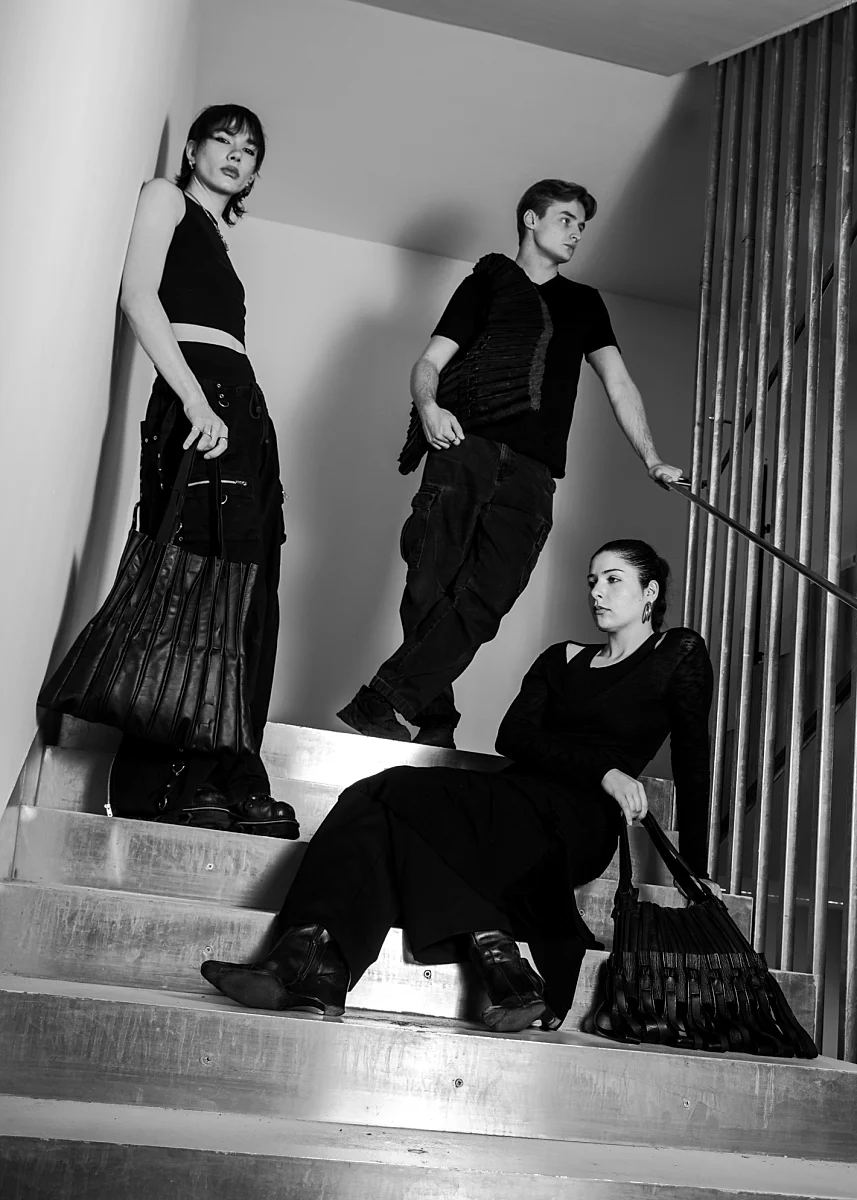
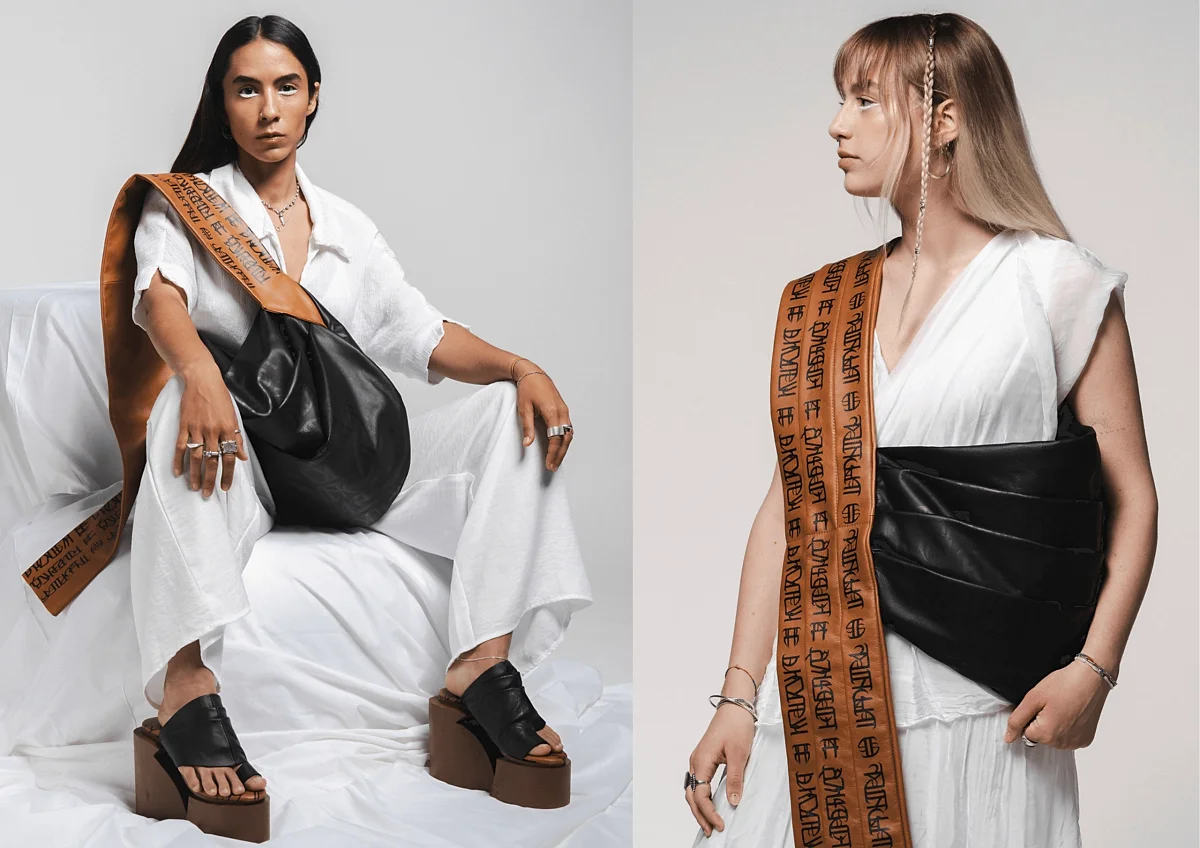
The collection builds on Carl Jung’s theory of archetypes, exploring the contrast between Persona and Shadow, as well as the duality of Anima and Animus. Woven materials and upholstery techniques give visual form to these emotional pairings and unconscious aspects through distinctive structures and silhouettes.
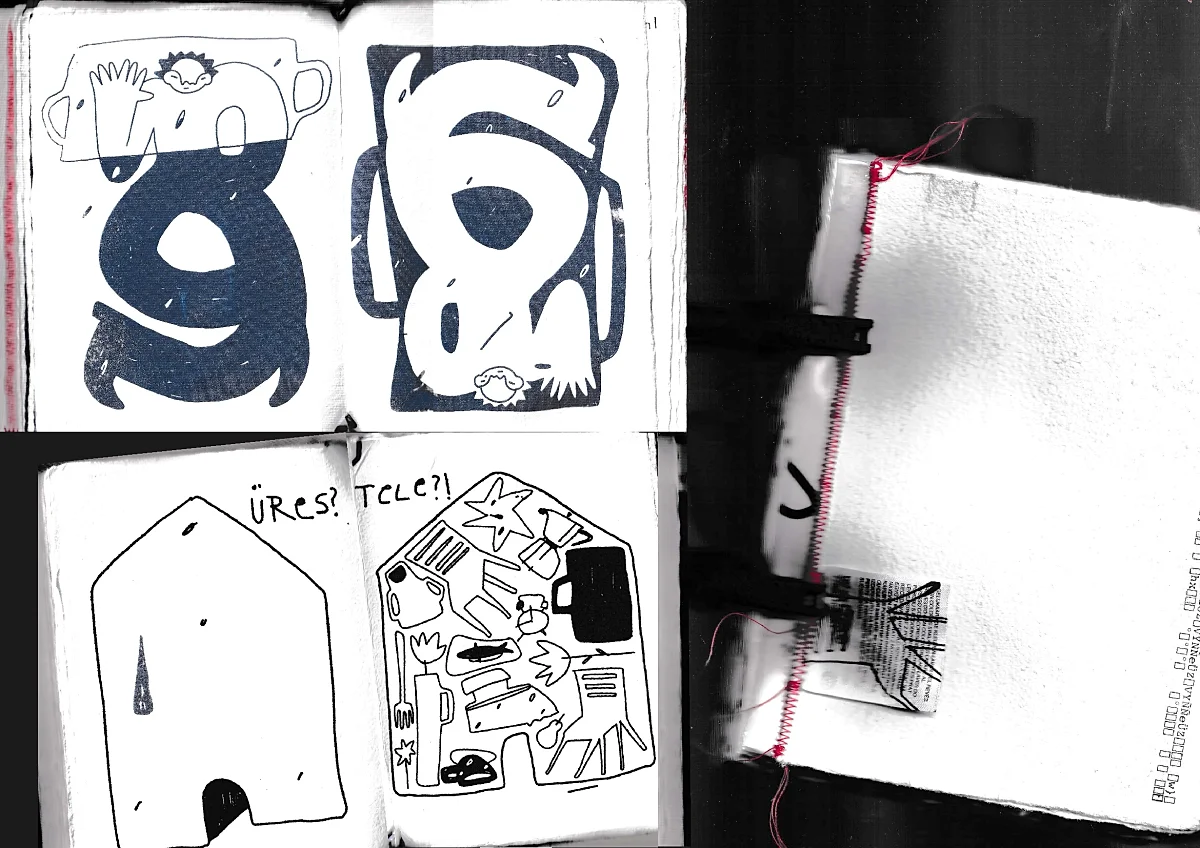
The collection is built on the parallel between the way an island is shaped by the weather and the way people are shaped by external influences. Presented as a book of patterns, it reflects key turning points in the designer’s life. Each motif stands on its own, yet together they form a coherent whole.
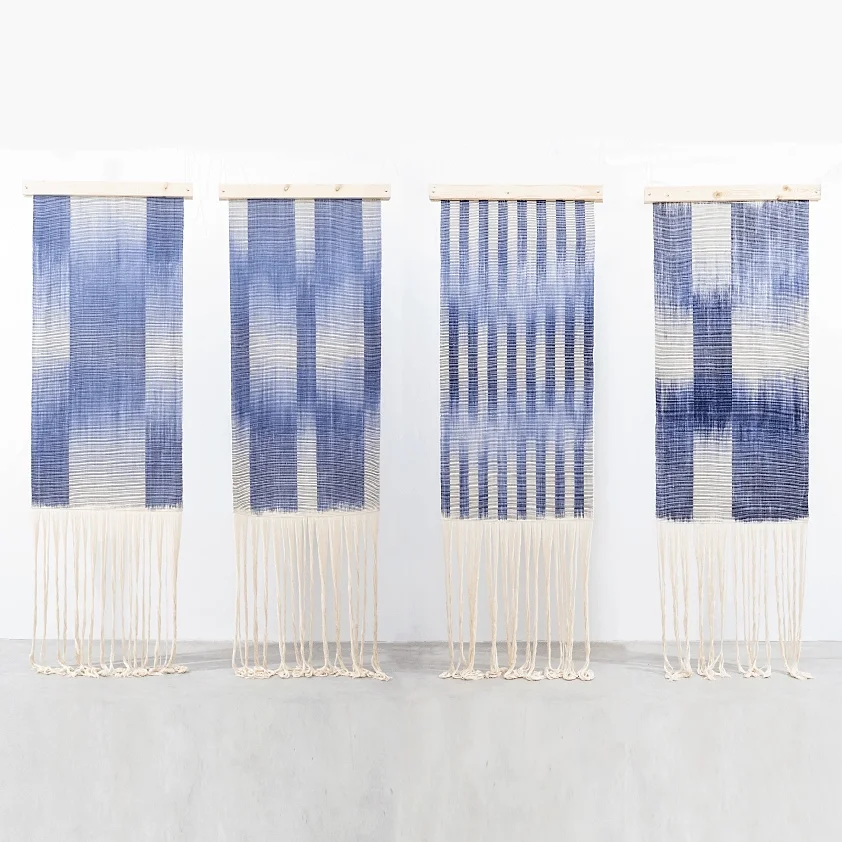
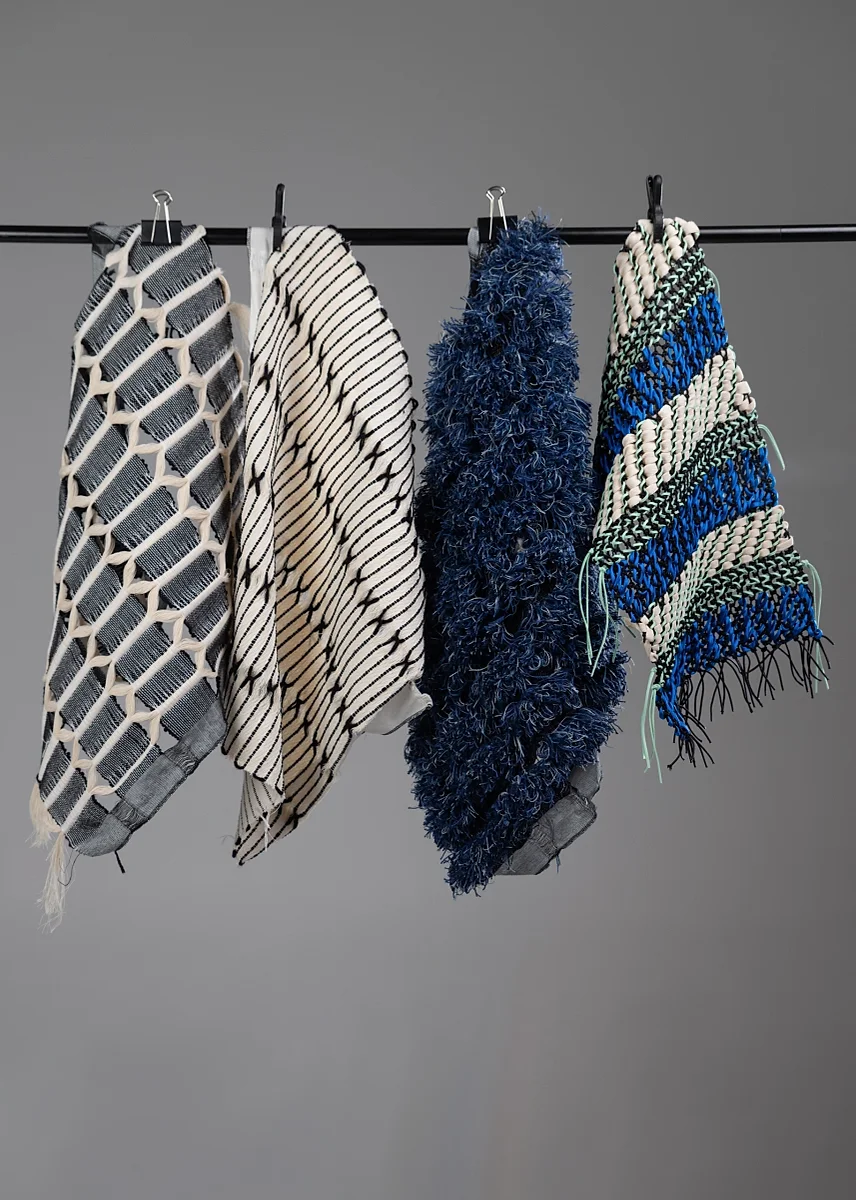
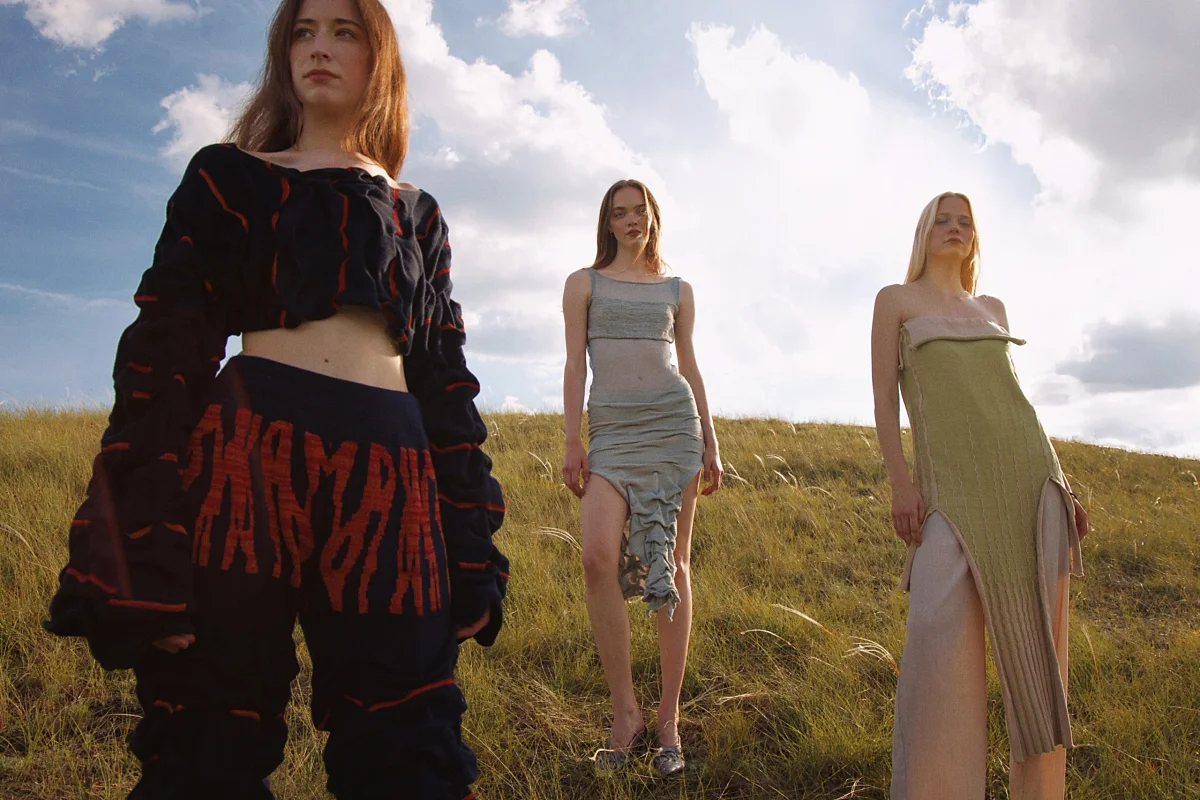
Drawing on the tradition of ikat weaving, the collection seeks harmony between contemporary and traditional approaches. Exploring the relationship between structure and pattern, it creates woven surfaces where composition is defined by the weave itself.
The collection is an attempt to make emotions visible by expressing inner anxiety and its release through garments. Textures and silhouettes mirror changing states of mind, while also tracing the path toward self-acceptance and personal freedom.
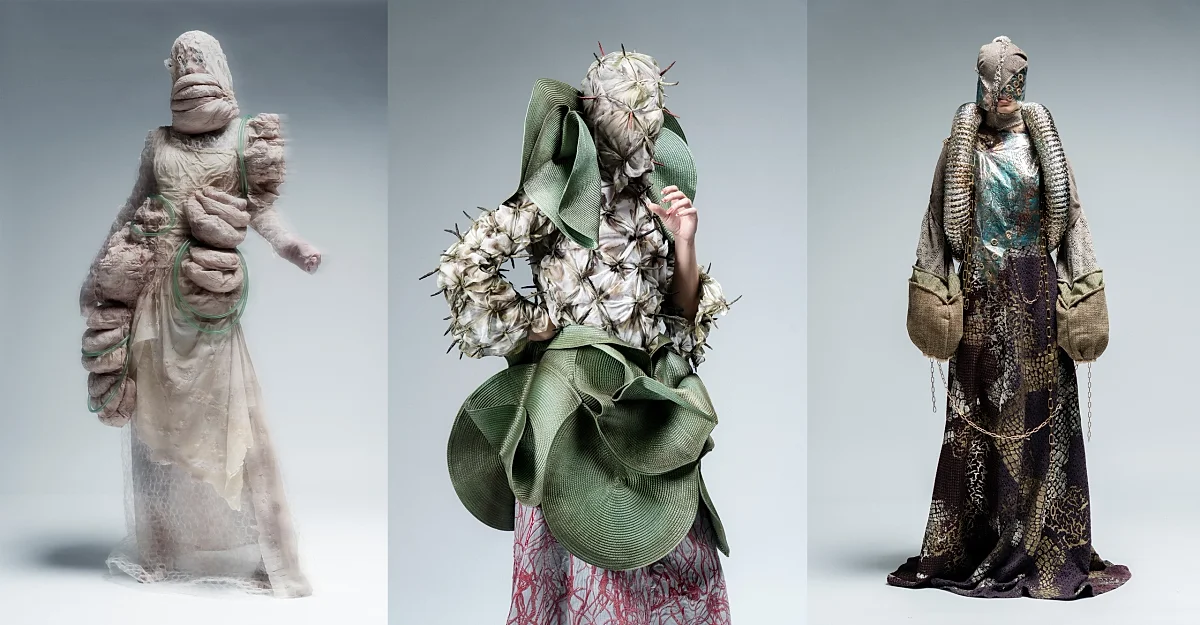
The collection seeks to visualise the body as a prison and the soul as something trapped within, based on personal experience of living with Ehlers–Danlos Syndrome. Made using moulds taken from the designer’s own body and combined with X-ray imagery, the latex garments hug the body like a second skin.
The masterwork embodies envy through the costumes of three fictional humanoid characters. Masks and outfits portray envy as a force that distorts identity and body image, reflecting deep-seated internal conflicts.
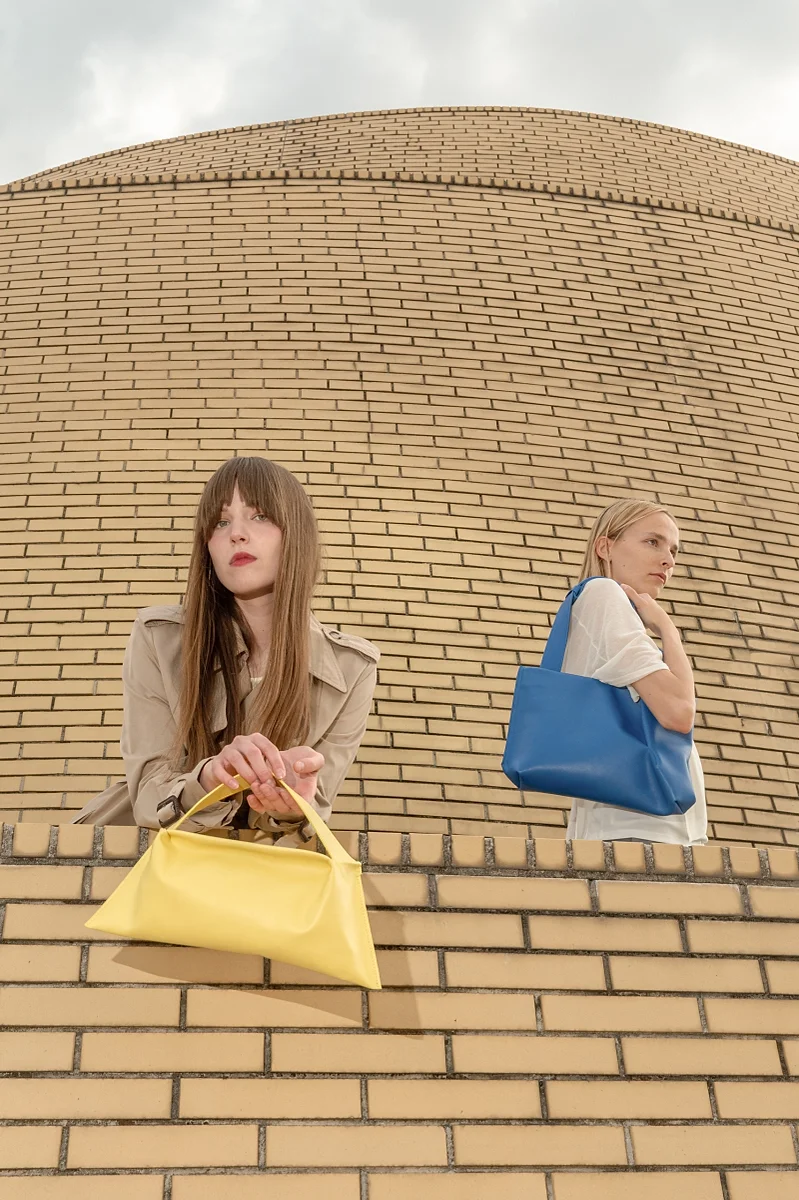
The collection takes inspiration from the way corals respond to environmental threats – not only by bleaching but also by losing their structural integrity. Created using a custom thermochromic pigment developed by the designer, the fabric and bag collection captures this vulnerability and silent appeal for help.
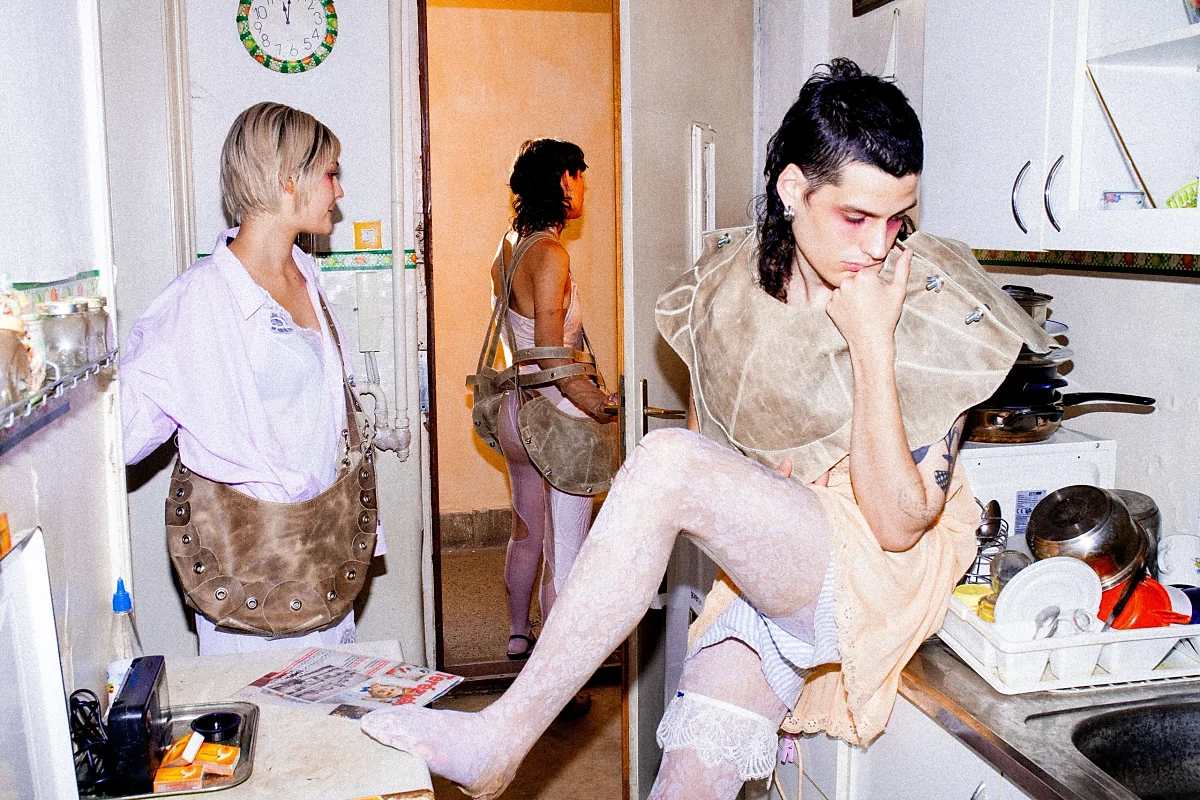
The collection follows a personal narrative, tracing the stages of identity crisis and cultural shock through the designer’s contrasting experiences of Transylvania, Budapest and London. The garments follow the phases of stress and assimilation, carrying the emotional and environmental imprints of each city.
Representing the phenomenon of hyperpersonalisation, the collection is based on the designer’s close observation of her own creative process, exploring how artificial intelligence and the online marketplace influence the creation of an authentic work.
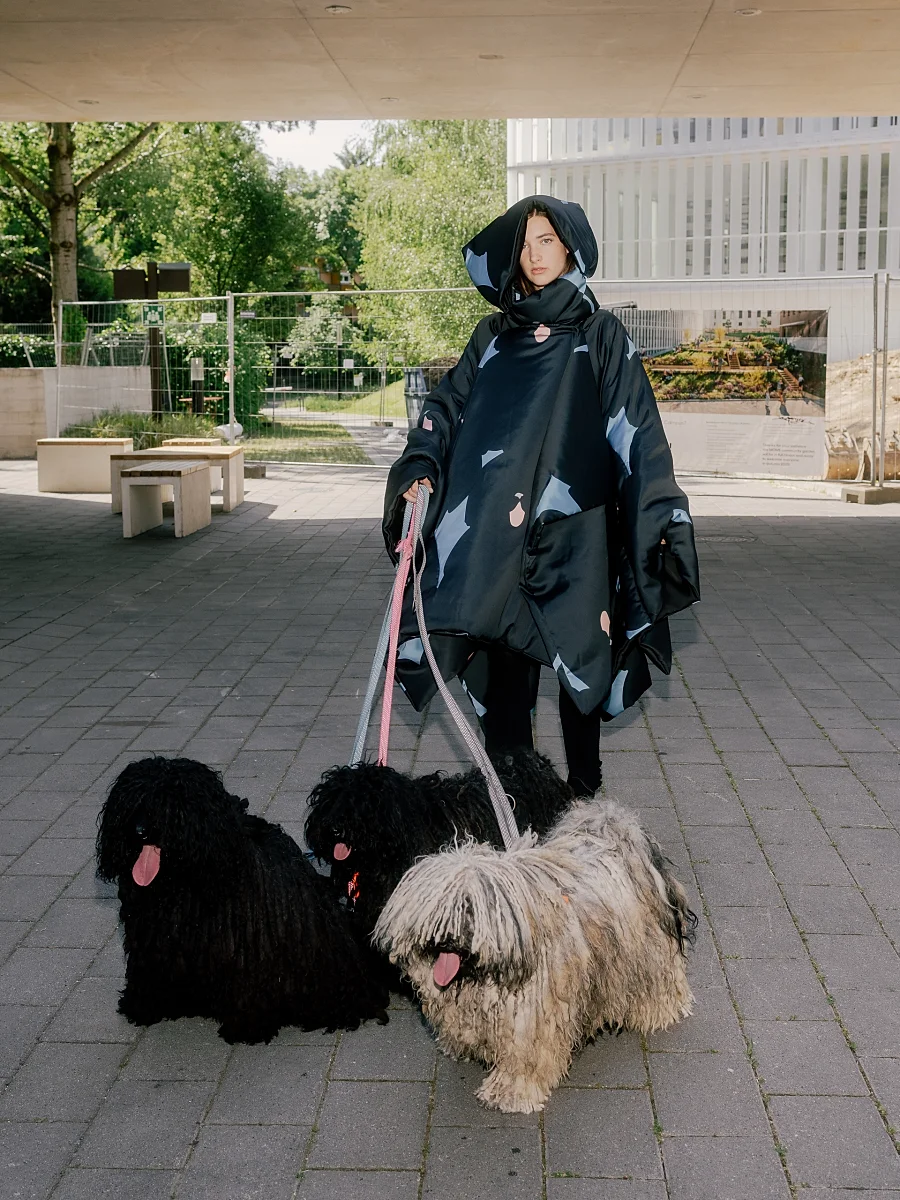
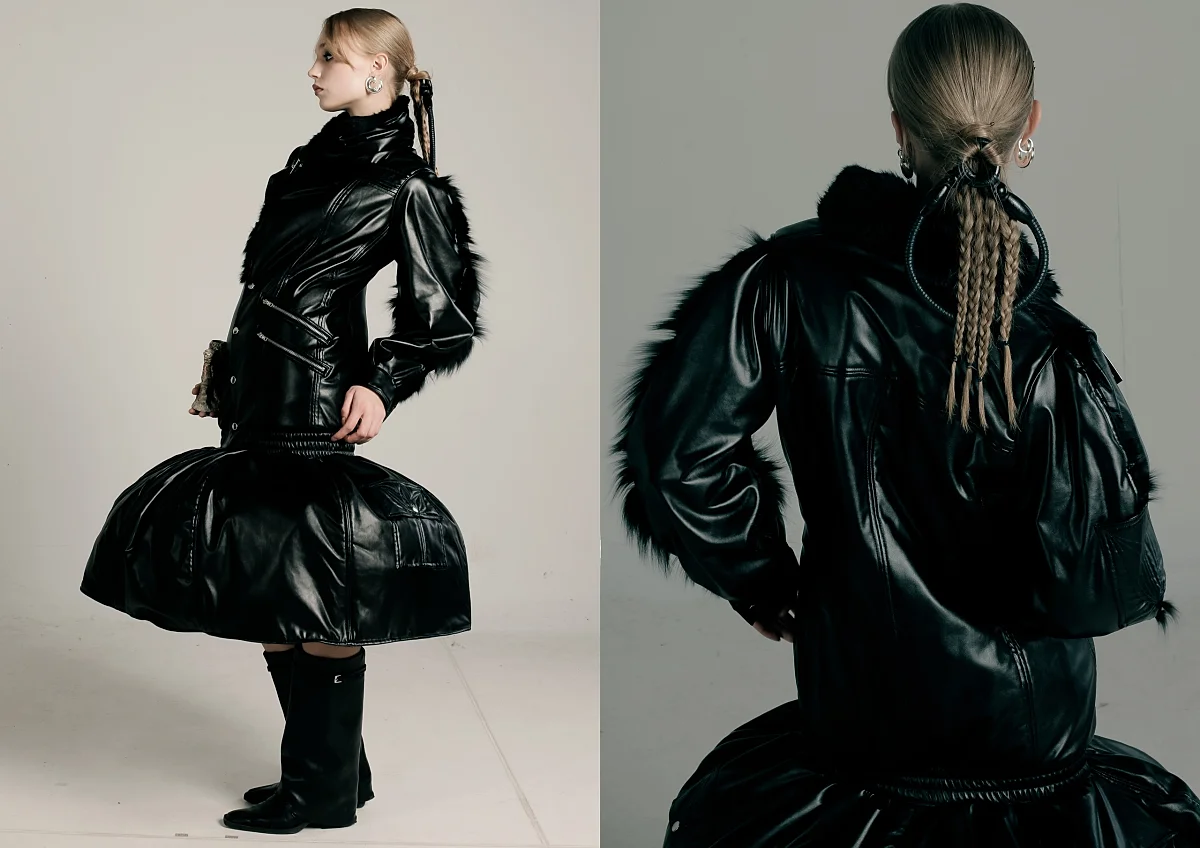
The masterwork explores the social bond and visual similarities between humans and dogs through a coat collection. Each piece reflects the character of a dog breed, expressing the connection between dog and owner through physical appearance.
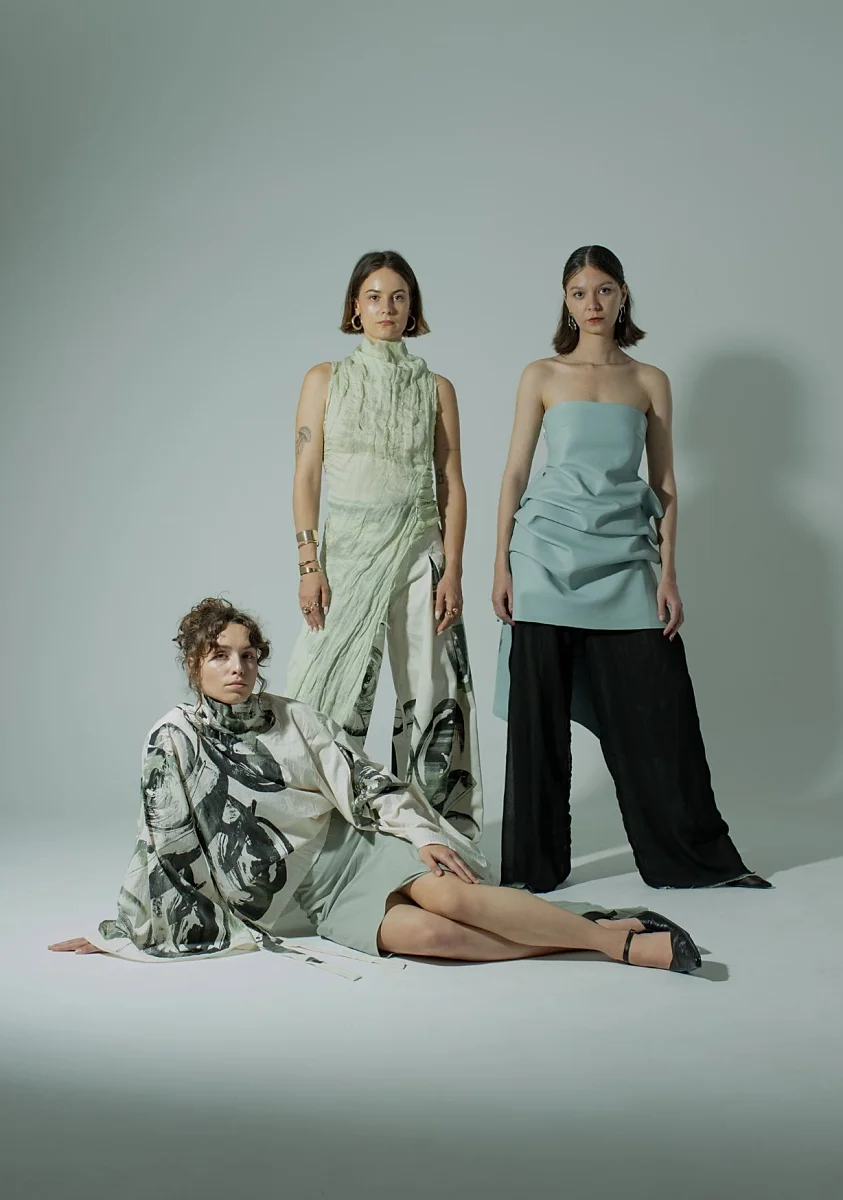
The project explores the material imprint of memory through cyanotype and screen printing. The textile and clothing collection features abstracted images of objects associated with different people and moments in life, capturing the way memories fade, blur, and endure, all at once.
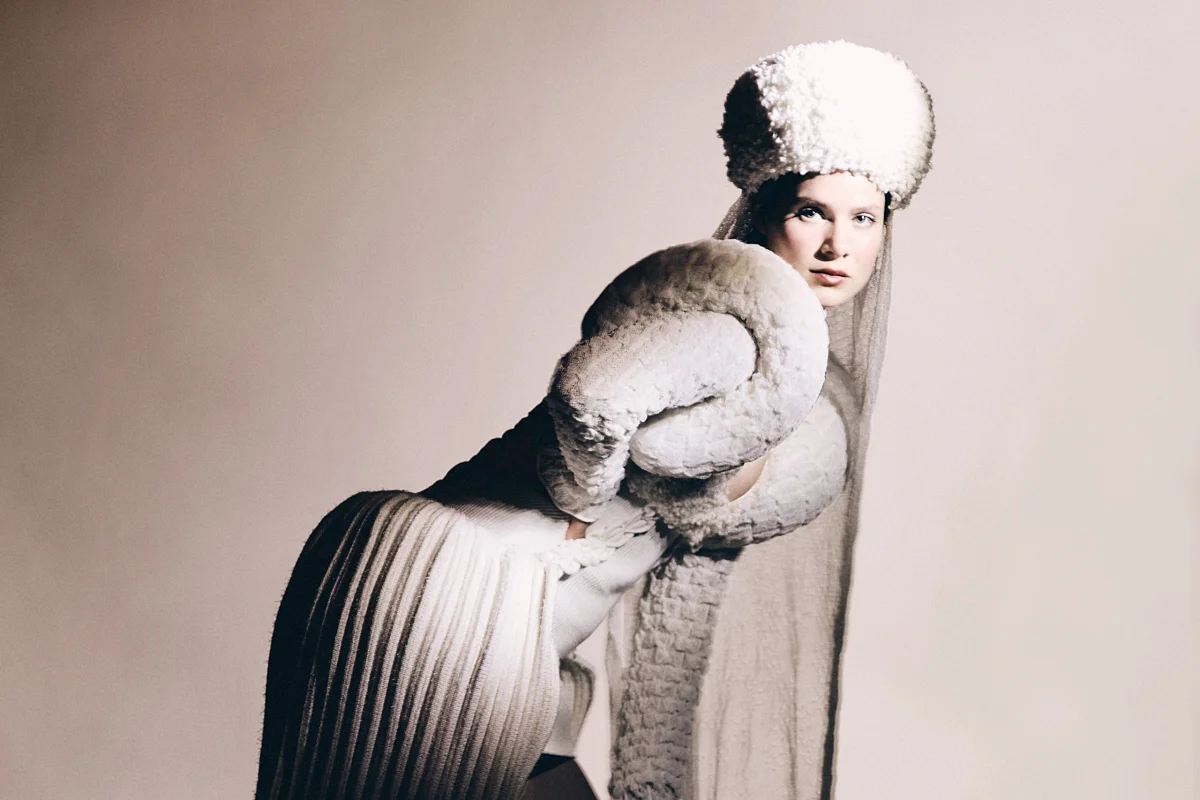
In my masterwork, I juxtapose white figures and key events from Hungarian folklore with the stages of a fictional woman’s life journey. The knitted garments in the collection reflect the rites marking the turning points of a woman’s life – from birth to death. My aim was to create a visual narrative in which the cyclical transformation of female identity becomes visible at the intersection of tradition and contemporary simplicity of form. Here, the white figure becomes a carrier of transformation embodied through ritual and preserved in collective memory.
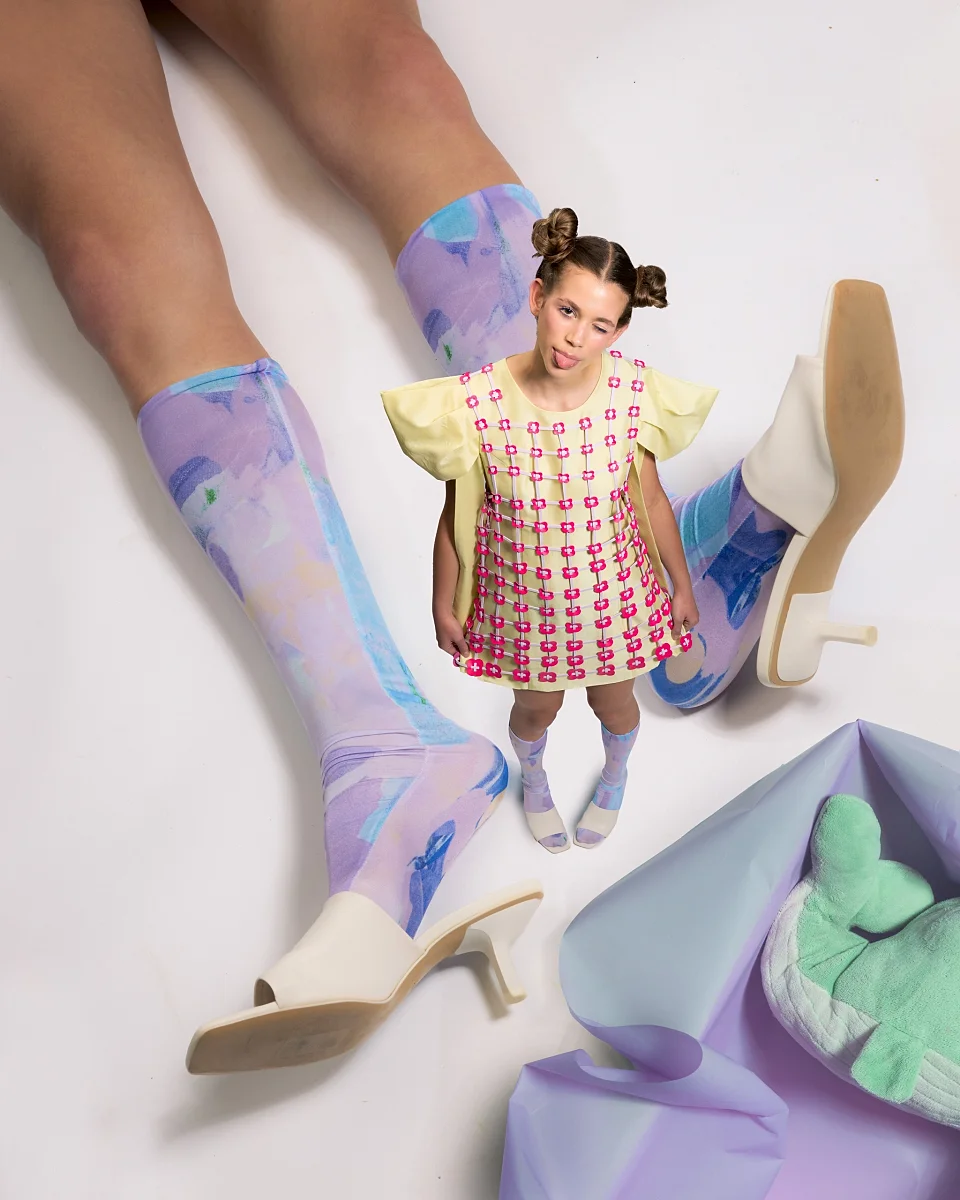
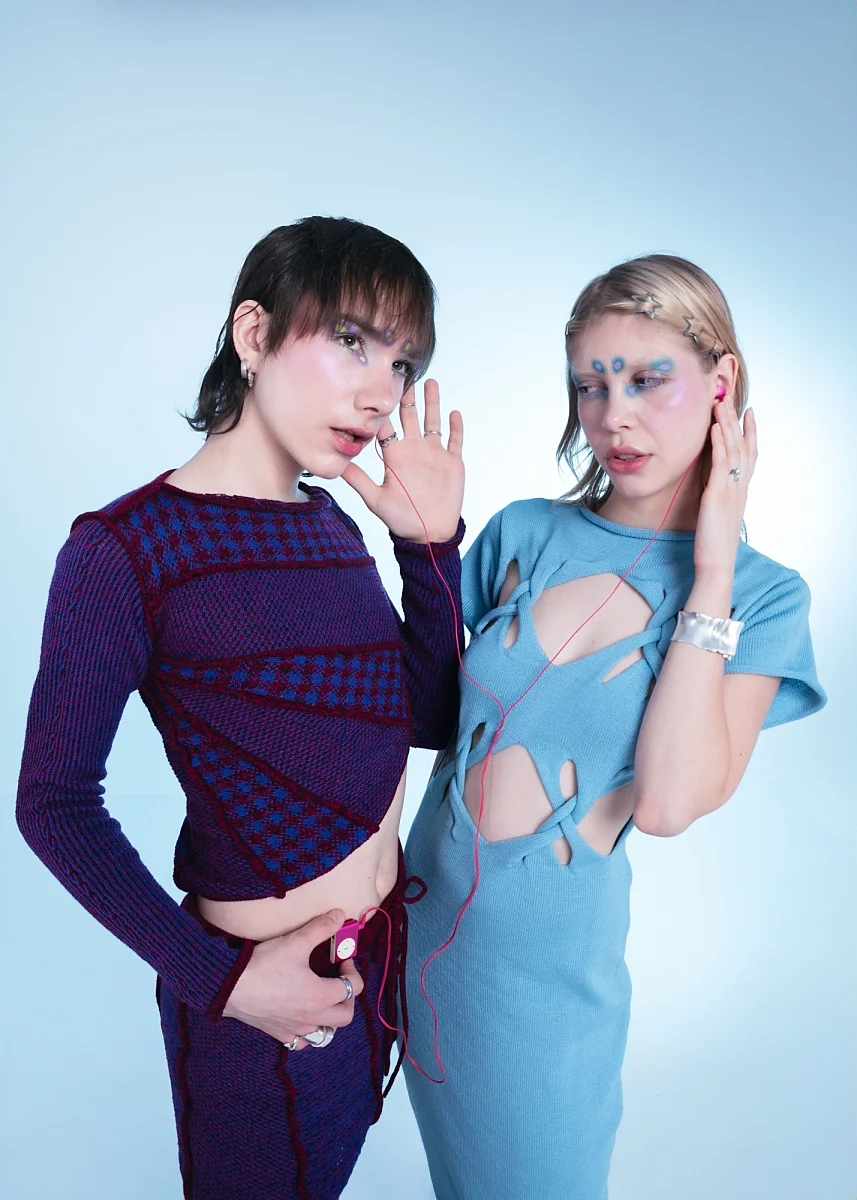
The collection explores the aesthetics of cuteness through unique characters, presenting its diversity along with the various motivations, psychological factors, and social attitudes behind dressing in a cute style.
Created as a symbol of inner peace and spiritual retreat, the collection brings together elements of Eastern and Western cultures. Blending tradition and modernity, the design incorporates motifs drawn from Hinduism and sacred spaces.
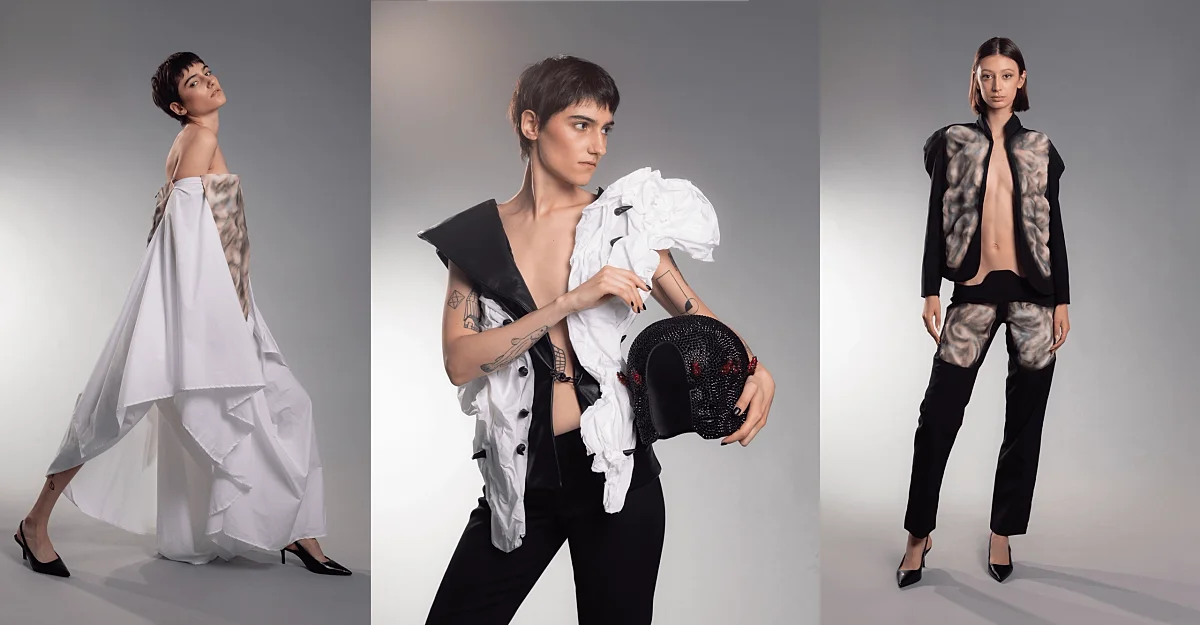
The collection critically explores the tension between female and male perspectives, combining digital and handcrafted techniques. Through algorithmic culture and 3D printing, the designer creates new narratives that seek to challenge the objectification of the body.
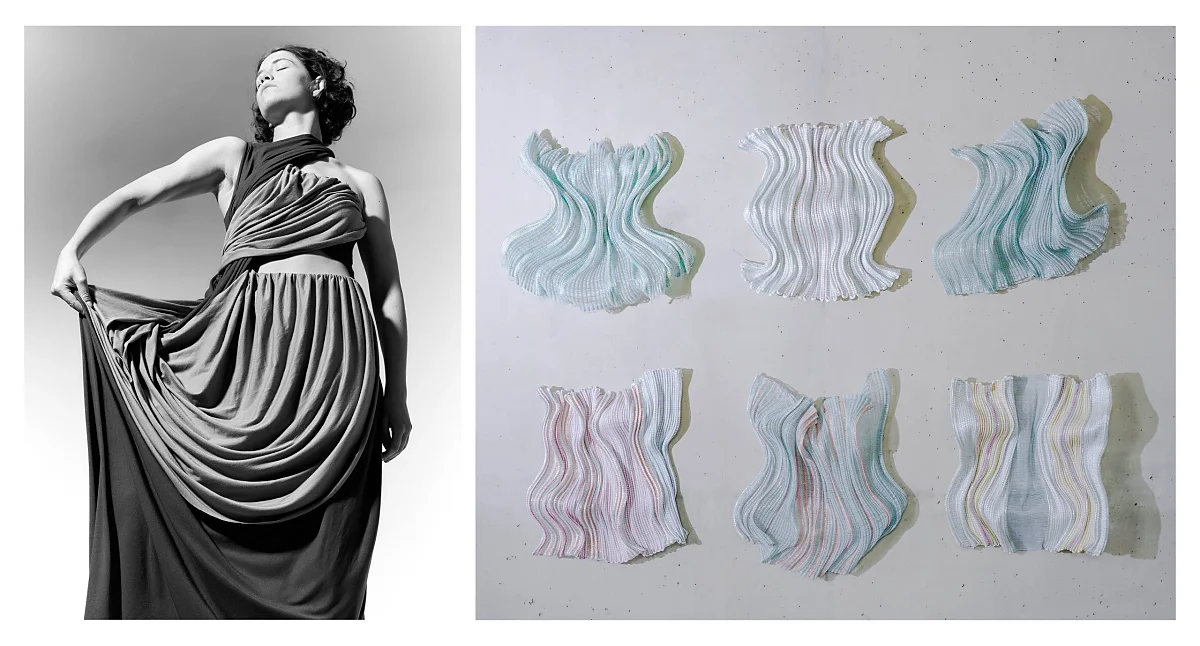
The collection explores the emotions of isolation and connection, inspired by the recurring movement patterns in Pina Bausch’s iconic performance Café Müller. Woven textiles and soft forms express contact and withdrawal at the same time, with every gesture and fold creating a new shared shape – an island where movement and material meet.
The collection explores the relationship between solitude and artistic expression, with the island as a symbol of retreat. Handcrafted structures and distinctive textures create a bridge between the designer and the viewer, expressing personal identity and the need for introspection.
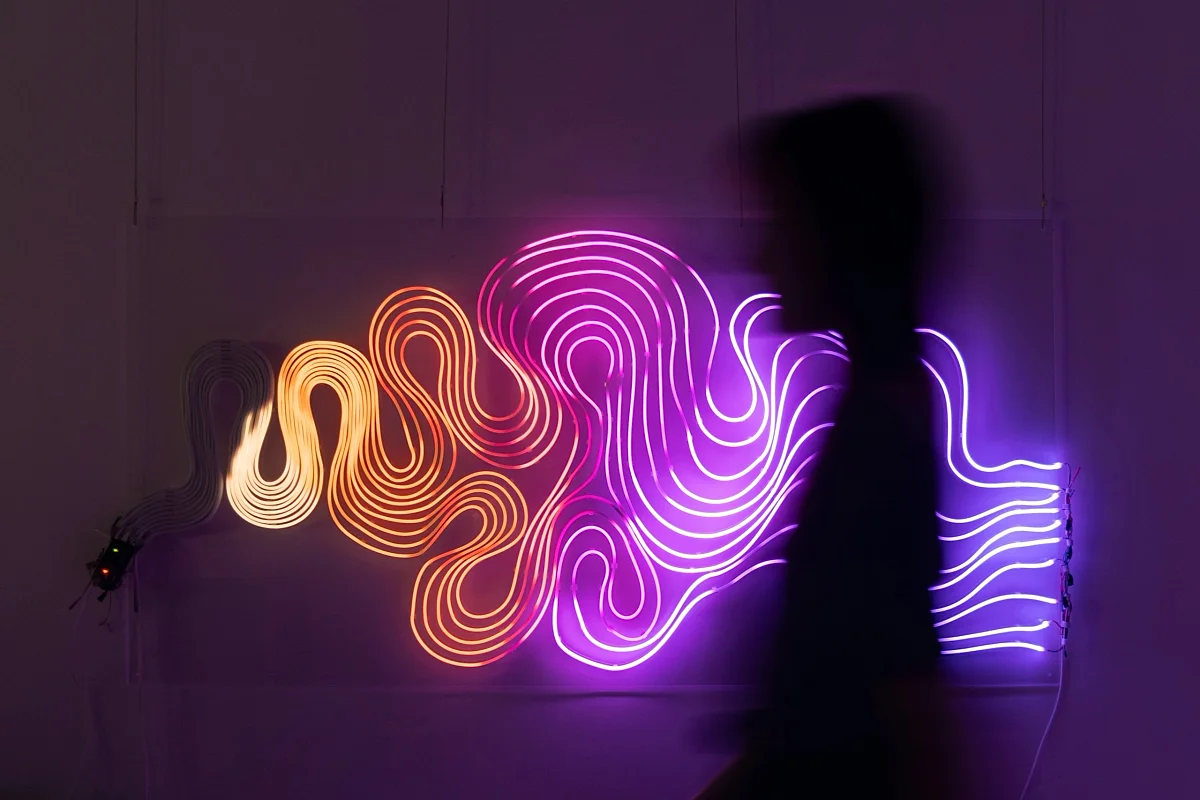
The light installation draws inspiration from the craft of traditional button makers and passementerie artisans, as well as the phenomenon of desire paths, exploring the relationship between space and human presence. LED lights responding to visitors’ movements create an interactive dialogue between art and audience.
The title refers to a liminal, intangible state of identity and self-reflection – a sense of “being nowhere”, suspended between past and future, when one is no longer who they were, yet not who they will become. Forms and patterns inspired by nature are integral to the work, embodying the designer’s own experience of continuous transformation.
This collection explores the spatial and visual possibilities of the Möbius strip’s endless transformation. Continuous contours blur the lines between start and finish, as a reflection of the process of pseudo-change. The garments loop back into themselves, existing as both static and moving systems.
The collection conjures a dreamlike, romantic atmosphere, evoking the inner world we often retreat into to escape the harshness of reality. The garments echo the vividness and childlike curiosity of this inner world, giving imagination free rein.
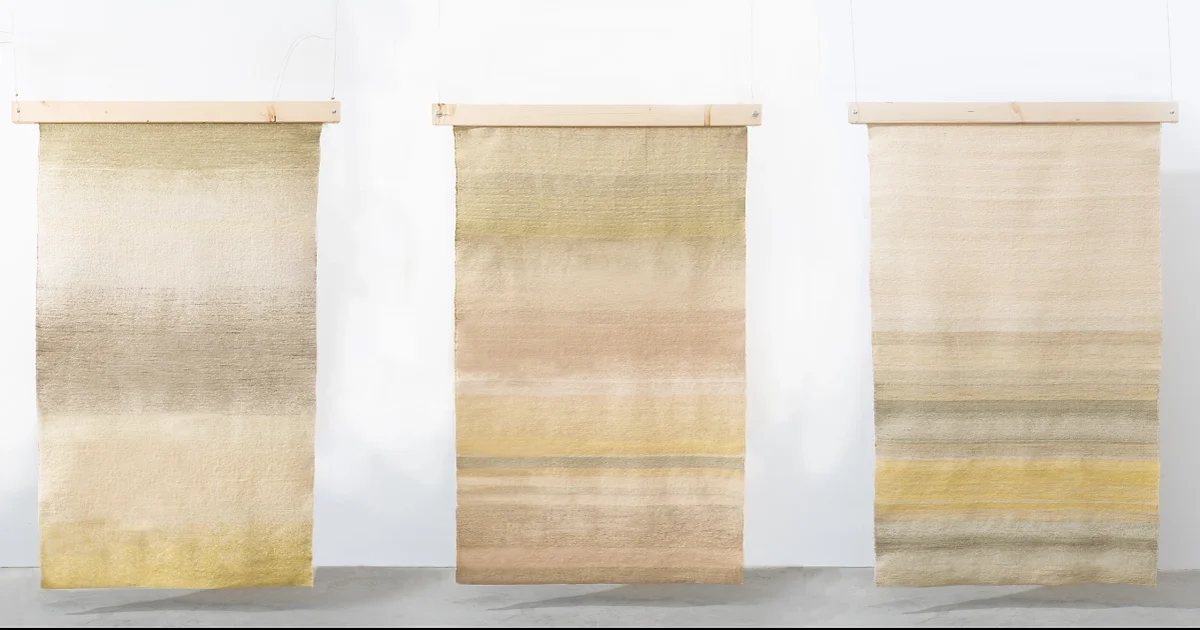
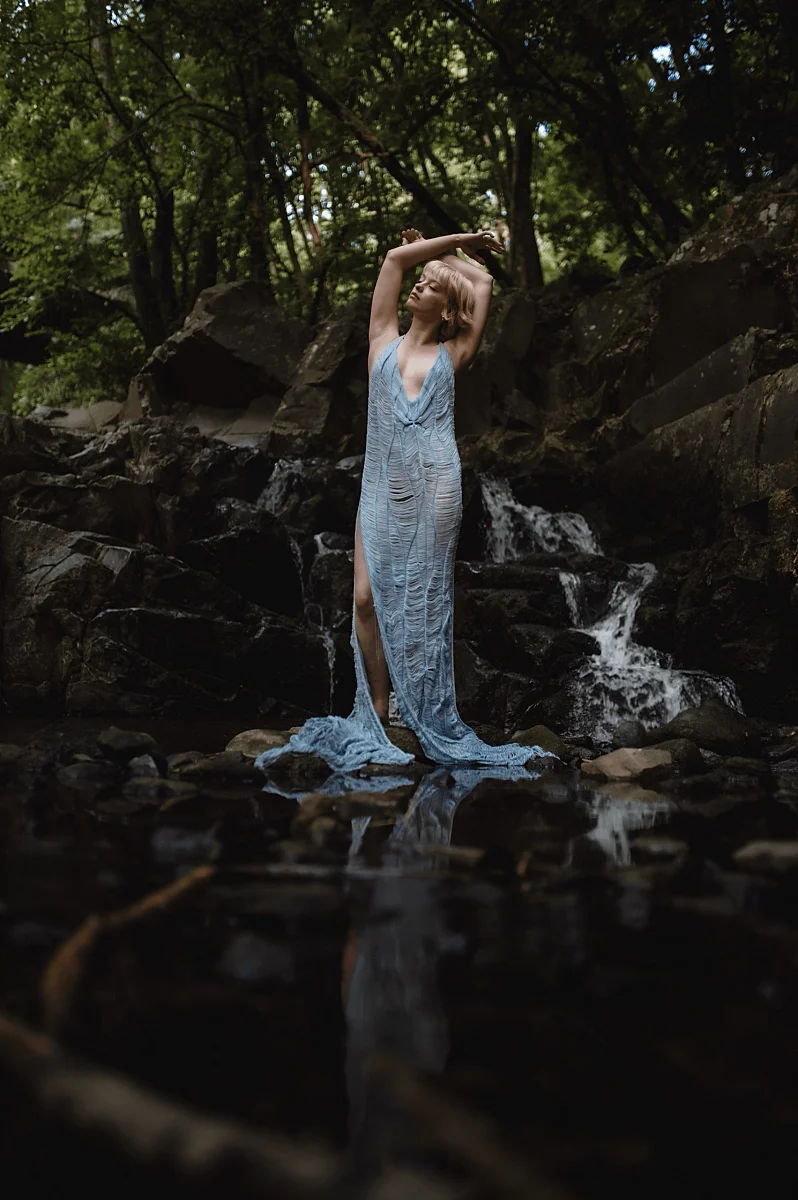
The textiles in the masterwork are built around the concepts of submersion, absorption, and atmosphere. Created using Jacquard technique, the fabrics explore the intricate world of natural dyeing and the environmental factors that influence it.
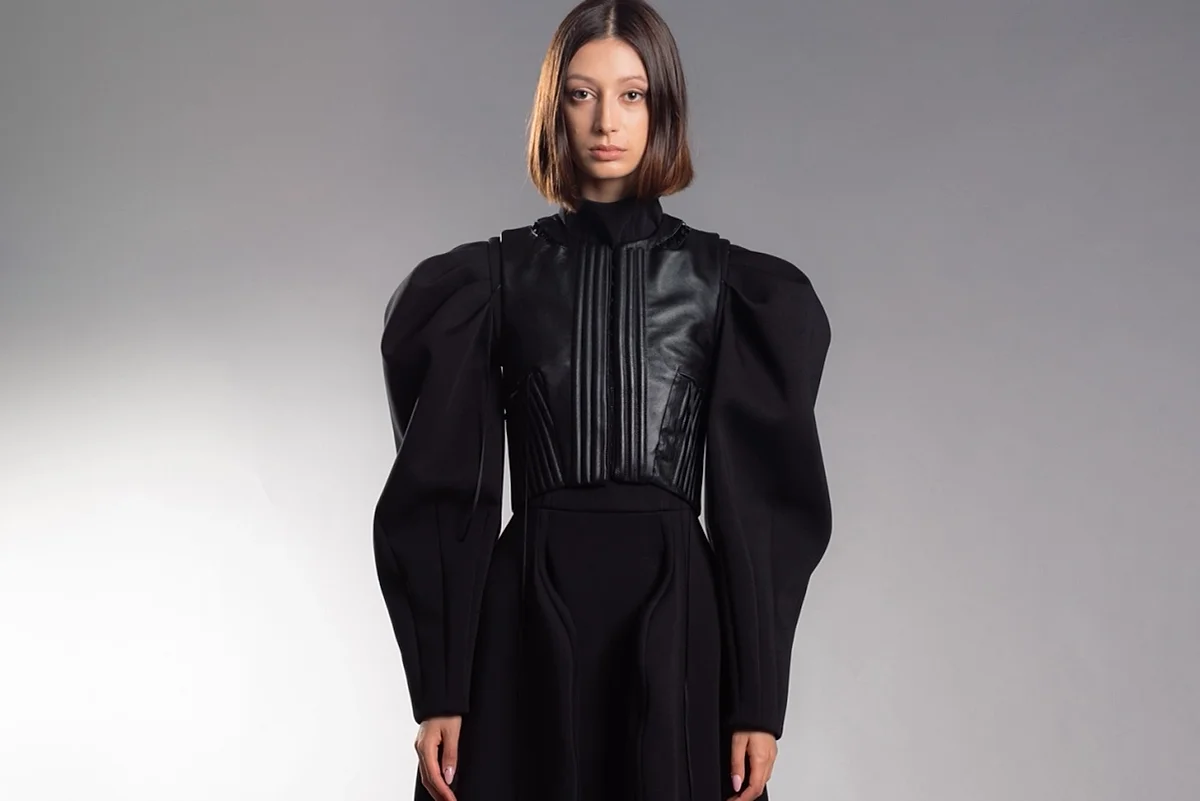
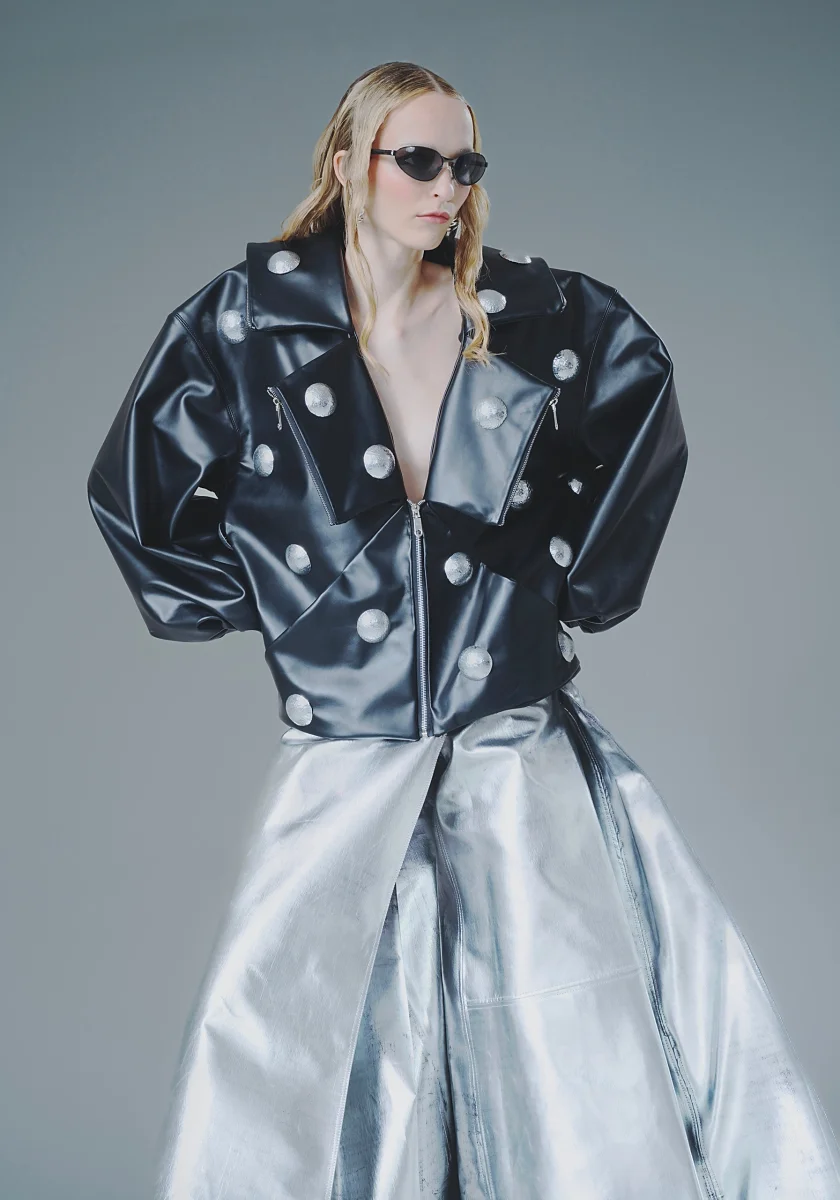
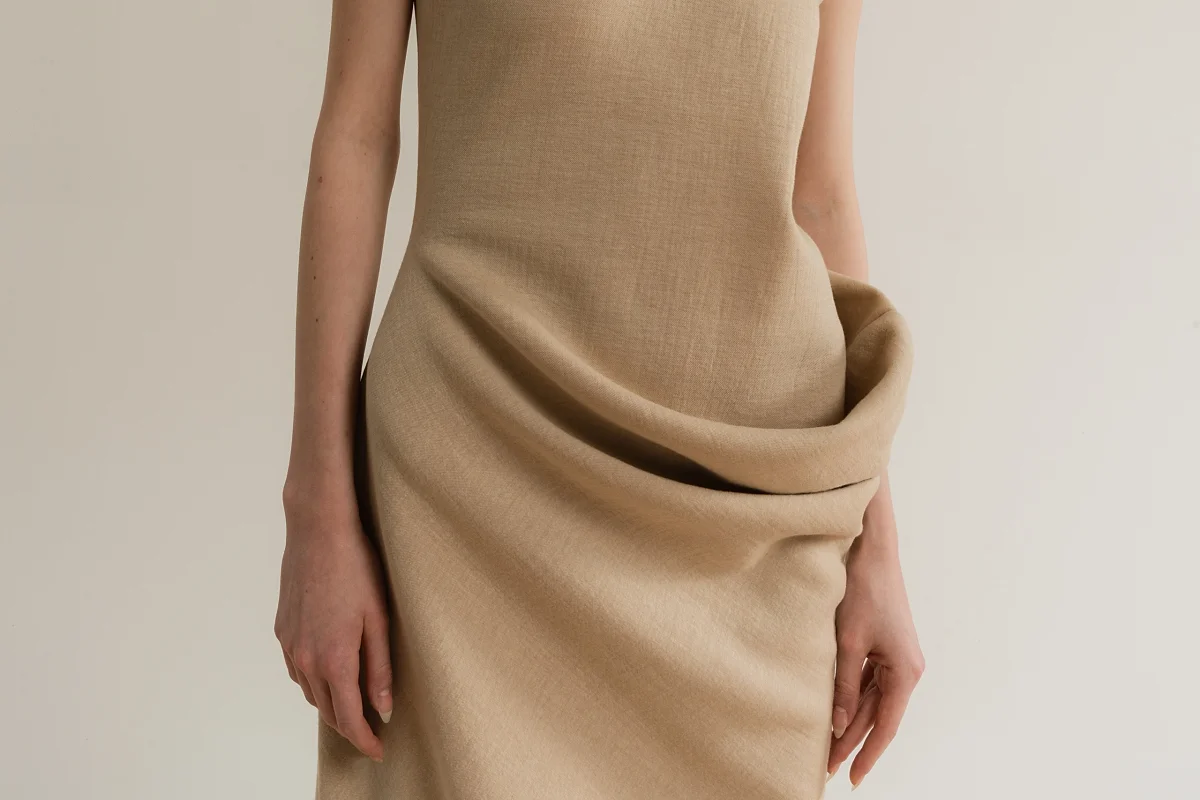
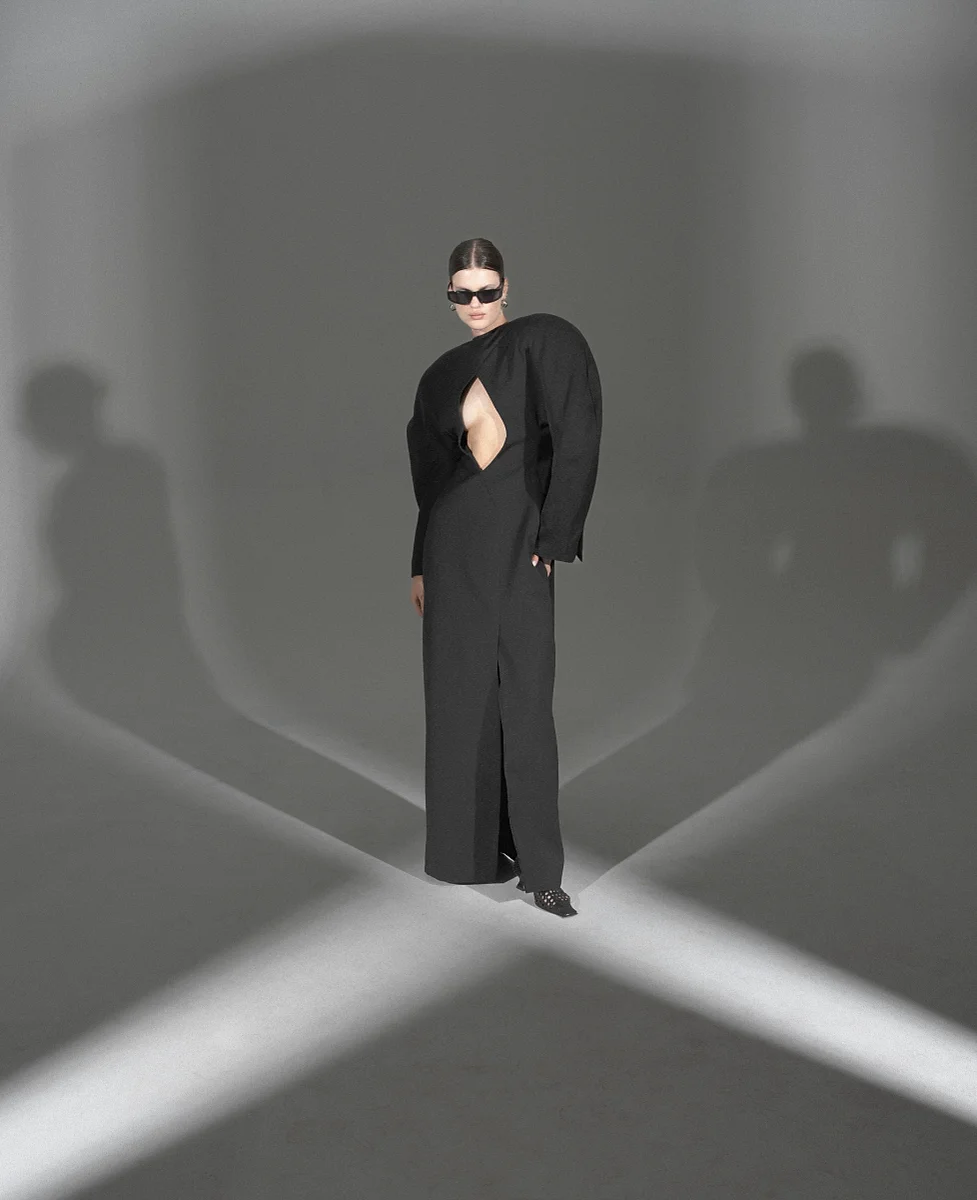
The collection exudes female strength and confidence by reworking classic elements of men’s tailoring, expressed in sculptural silhouettes, pronounced shoulders, and distorted suit patterns, exploring the balance between power dressing and femininity.
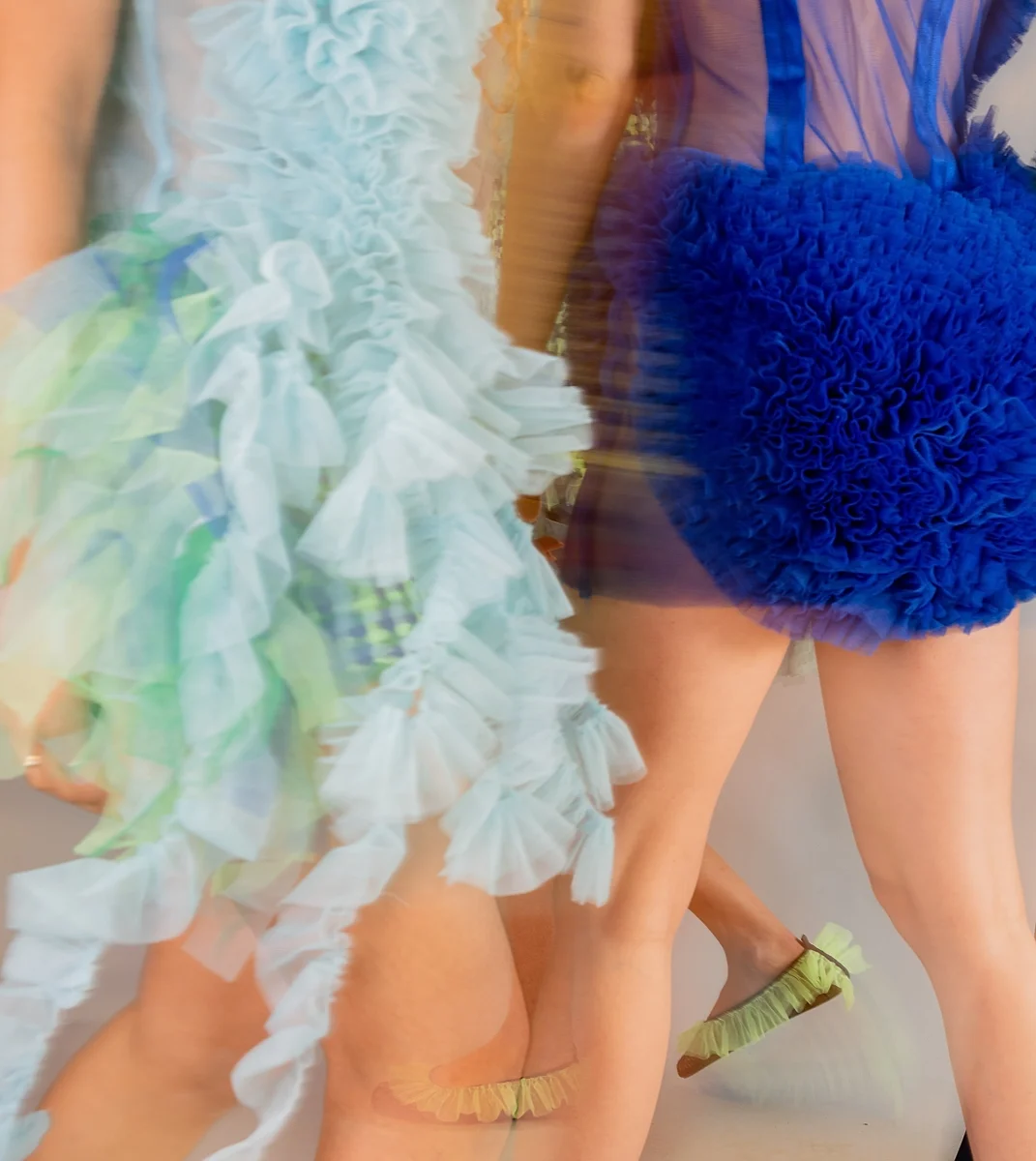
Crafted with diverse tulle techniques, the collection radiates a sense of joy and invigoration, inspired by an imagined sanctuary – a dreamlike garden filled with flowers and water. Playful silhouettes and inventive use of materials add variety and vibrancy to the garments.
The collection draws on the folk legends of Szigetköz, particularly the motifs of Fairy Island, inspired by the fae, young men setting out to seek their fortune, and mystical creatures of fairy tales. Its forms and details reflect the intersections between traditional narrative and contemporary visual language.
The collection explores questions about individual design behaviour and practice through schema therapy and schema modes. Different personality types are expressed in various forms, textures, and fabric manipulations, highlighting patterns of behaviour and emotional dynamics.
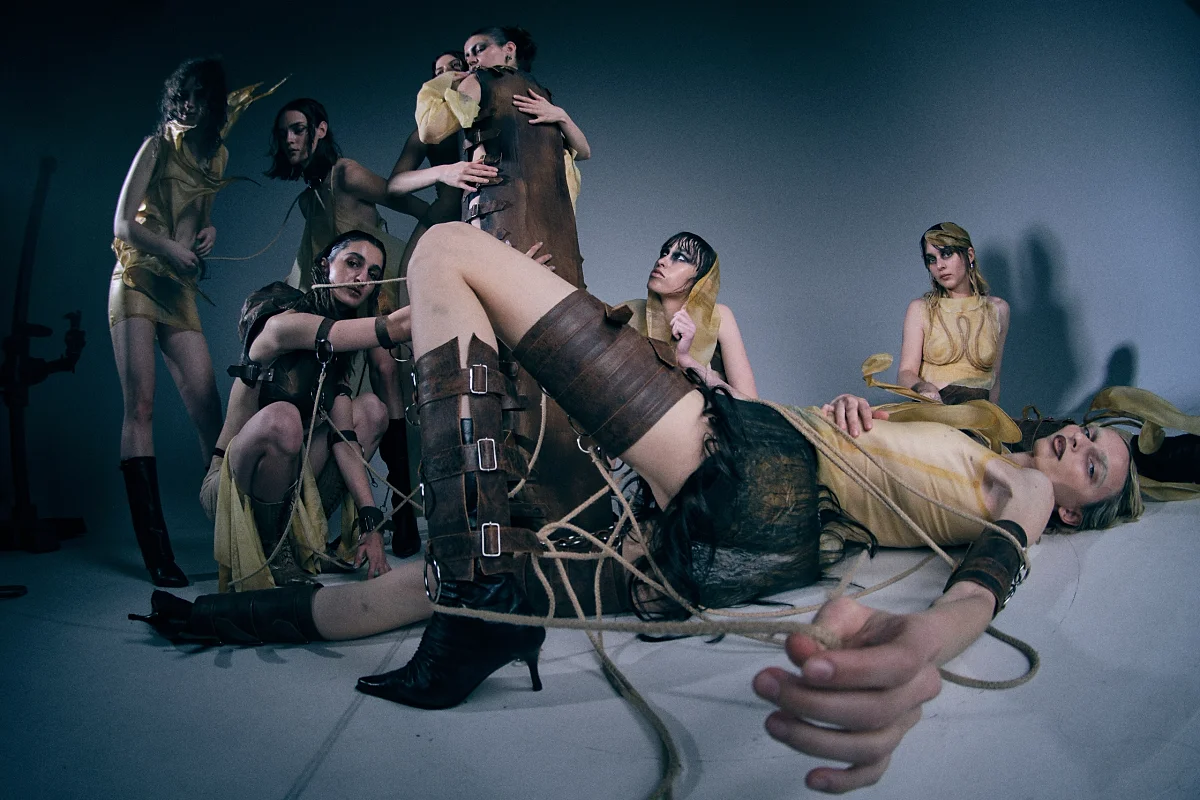
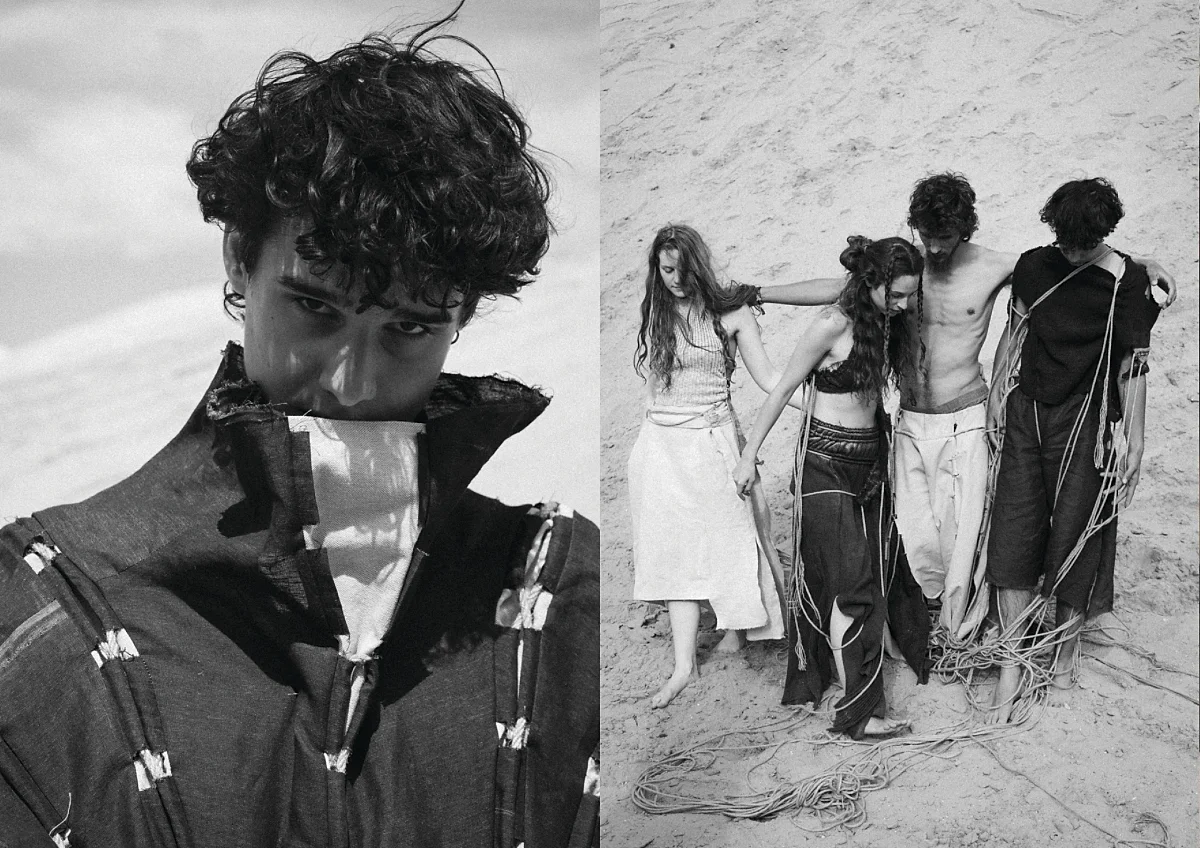
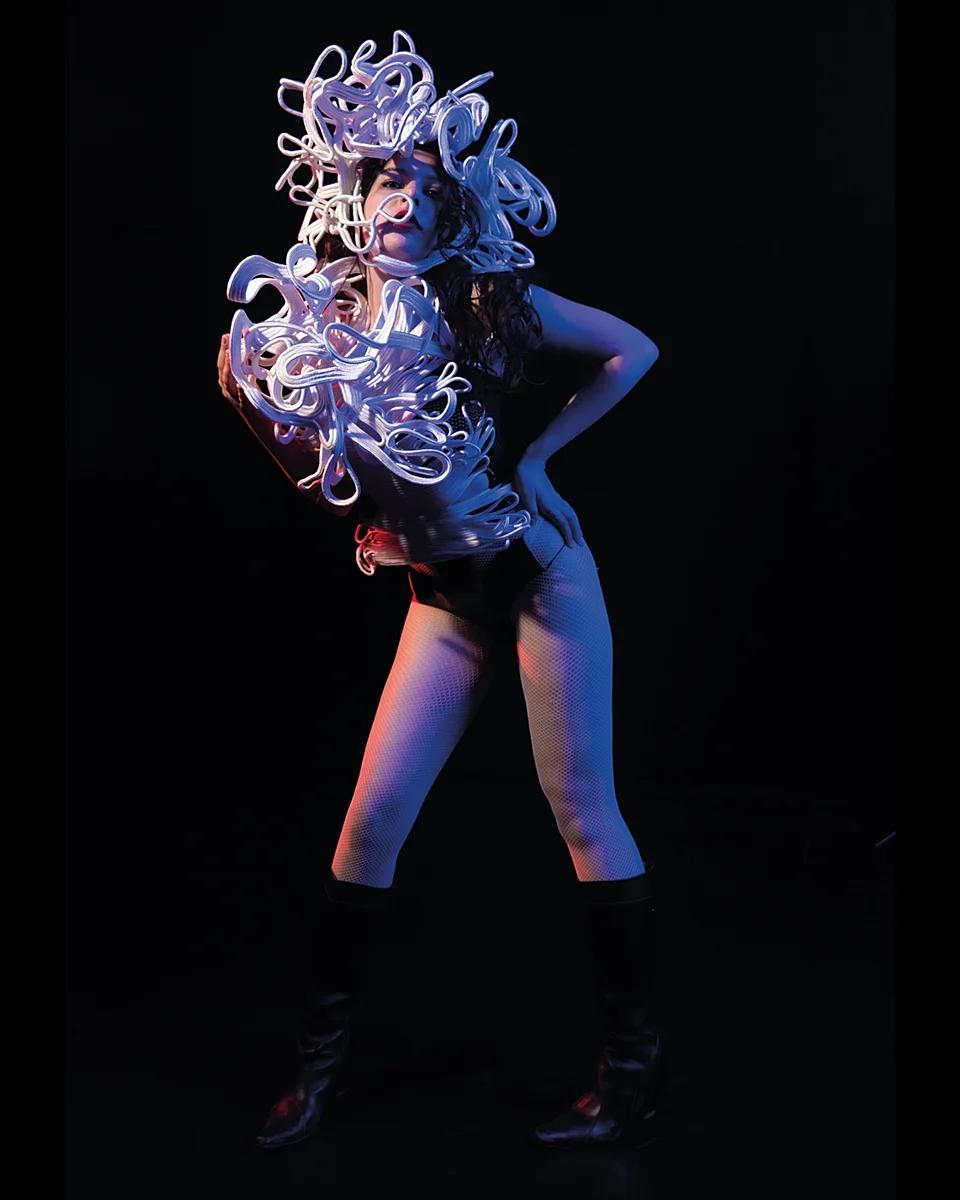
The collection draws a parallel between mythological sirens and dominatrices, through shared themes of seduction, strength, and control. Built around the designer’s experimental rope structures, the contemporary accessories took shape as headpieces and neckpieces charged with symbolic power.
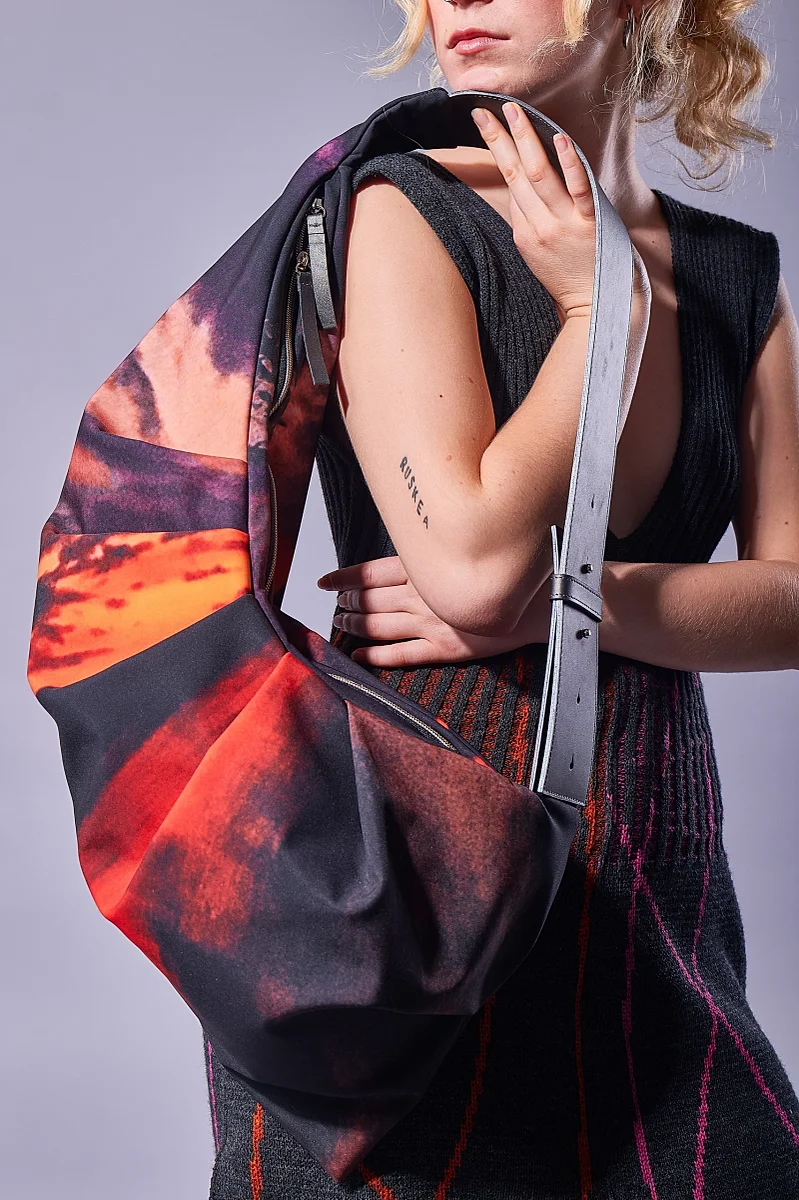
The collection draws a parallel between geological phenomena and human emotions, interpreting island formation – from volcanic eruptions to tectonic shifts – as metaphors for the landscape of feelings. Volcanic eruptions are associated with anger, the force of water with calmer states, and tectonic movement with the gradual process of learning.
Inspired by the calm of Szürkő Island, this collection blends softly enveloping knits and motifs drawn from nature. The garments and accessories bring the harmony of the natural world to everyday city life, offering a comforting cocoon to support mental well-being.
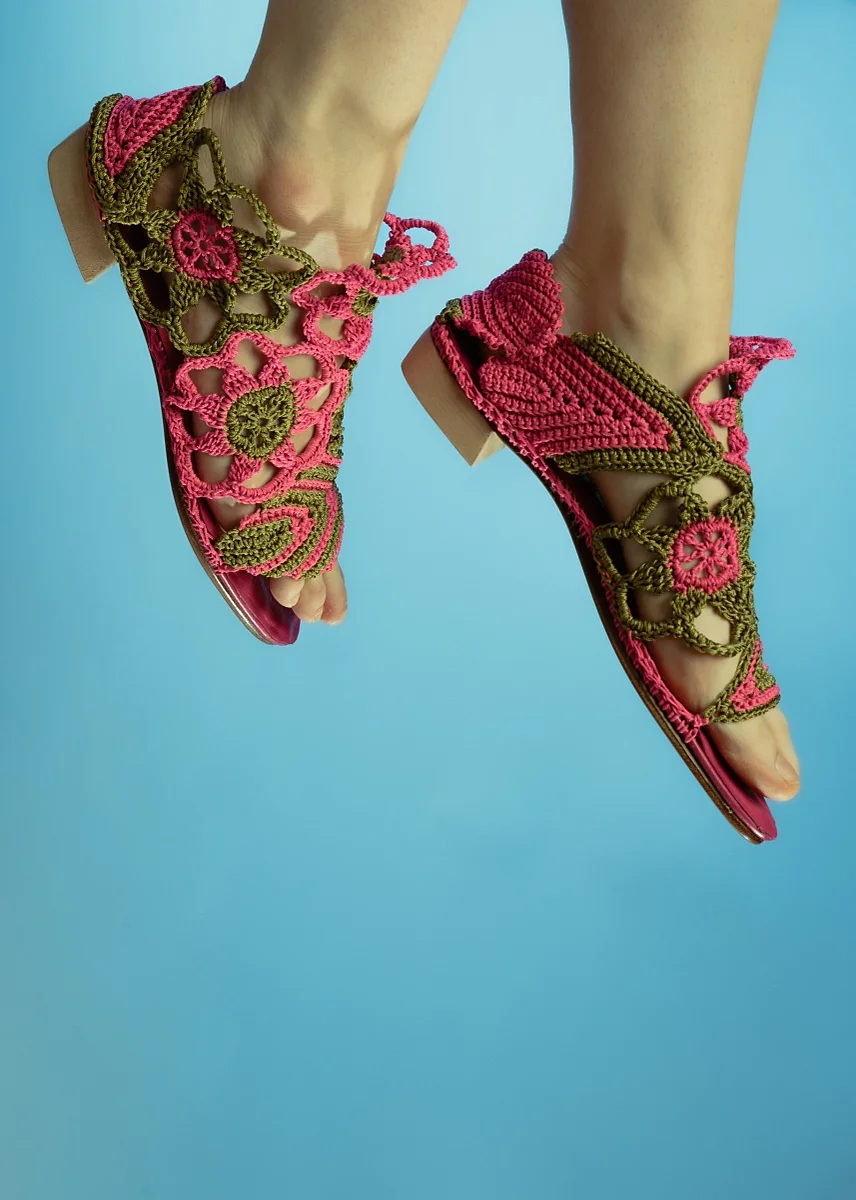
The open-source design-driven collection draws on the early 2000s internet aesthetic and the knowledge-sharing practices of online craft communities and platforms. The knitted and crocheted garments embody both analogue and digital forms of craftsmanship.
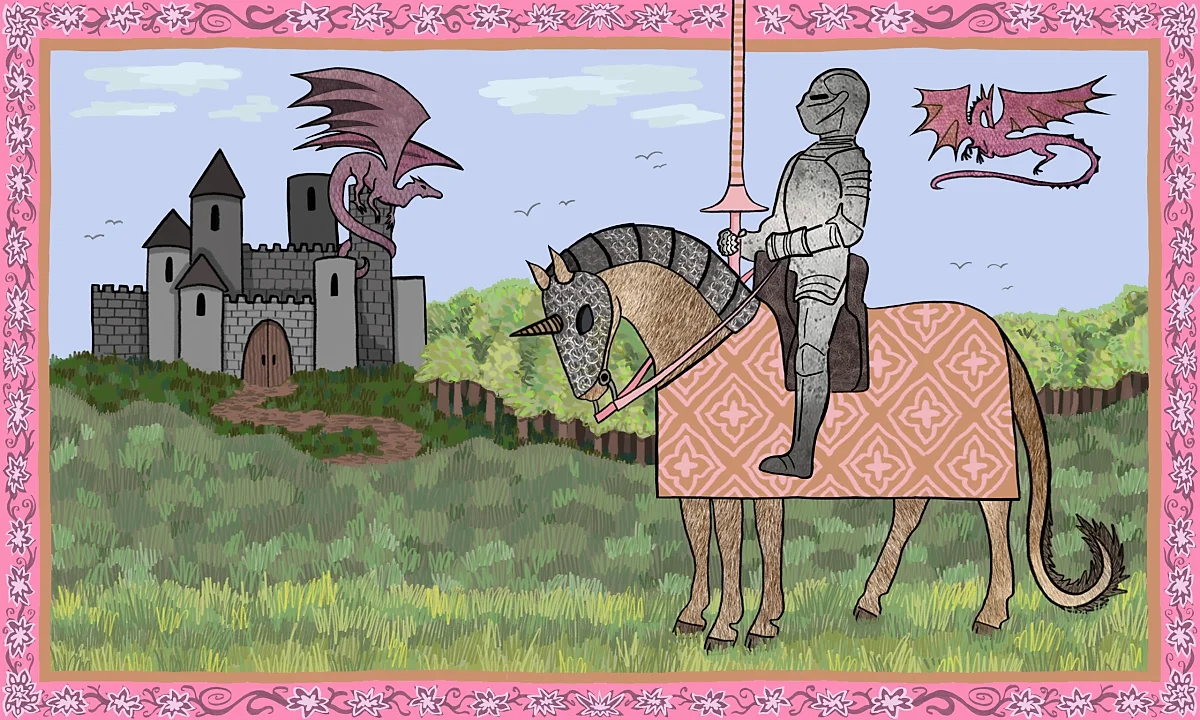
Exploring the concept of terra incognita, or “unknown lands”, the collection draws on the fantastical creatures depicted on medieval and early modern maps to create contemporary garments. It combines both digital and traditional craft techniques, such as embroidery.
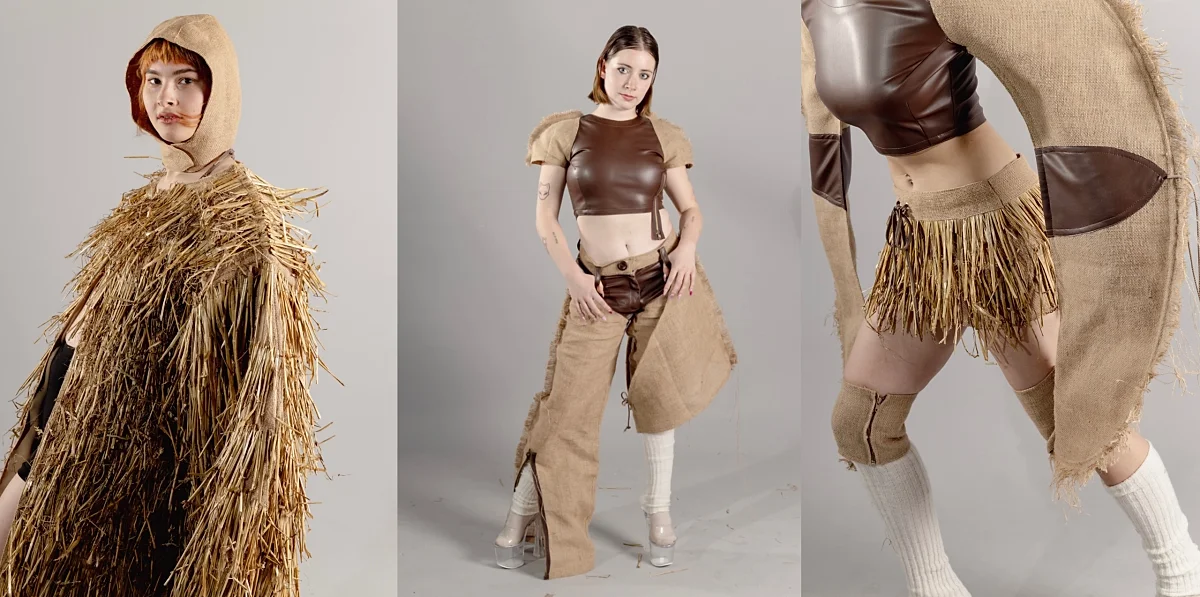
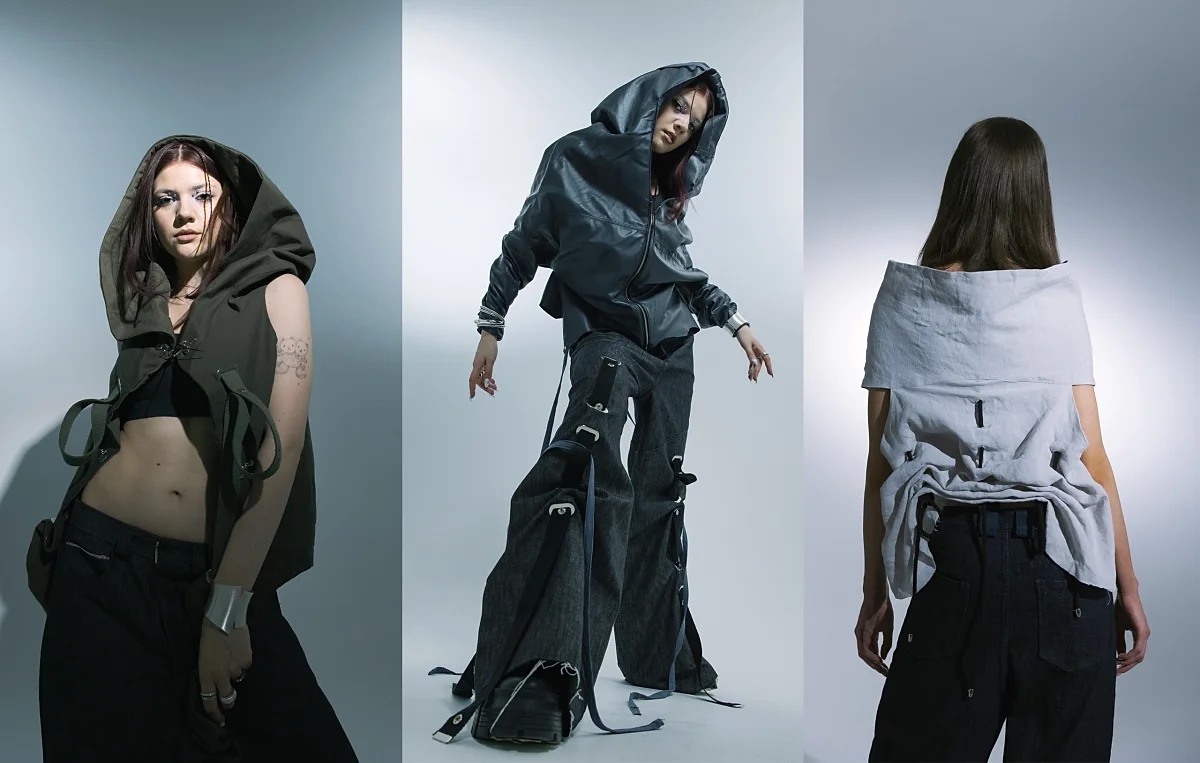
The collection captures the concept of deep adaptation in visual form, with straps, harnesses, and lacing used as metaphors for resilience, symbolising the archetype of survival.
The collection explores the ever-shifting nature of human connection – the constant ebb and flow of closeness and withdrawal. Hand-painted magnetic garments and iron body jewellery embody the physical and emotional tension of attraction and repulsion, reflecting the natural interplay of permanence and change.

Professional leads
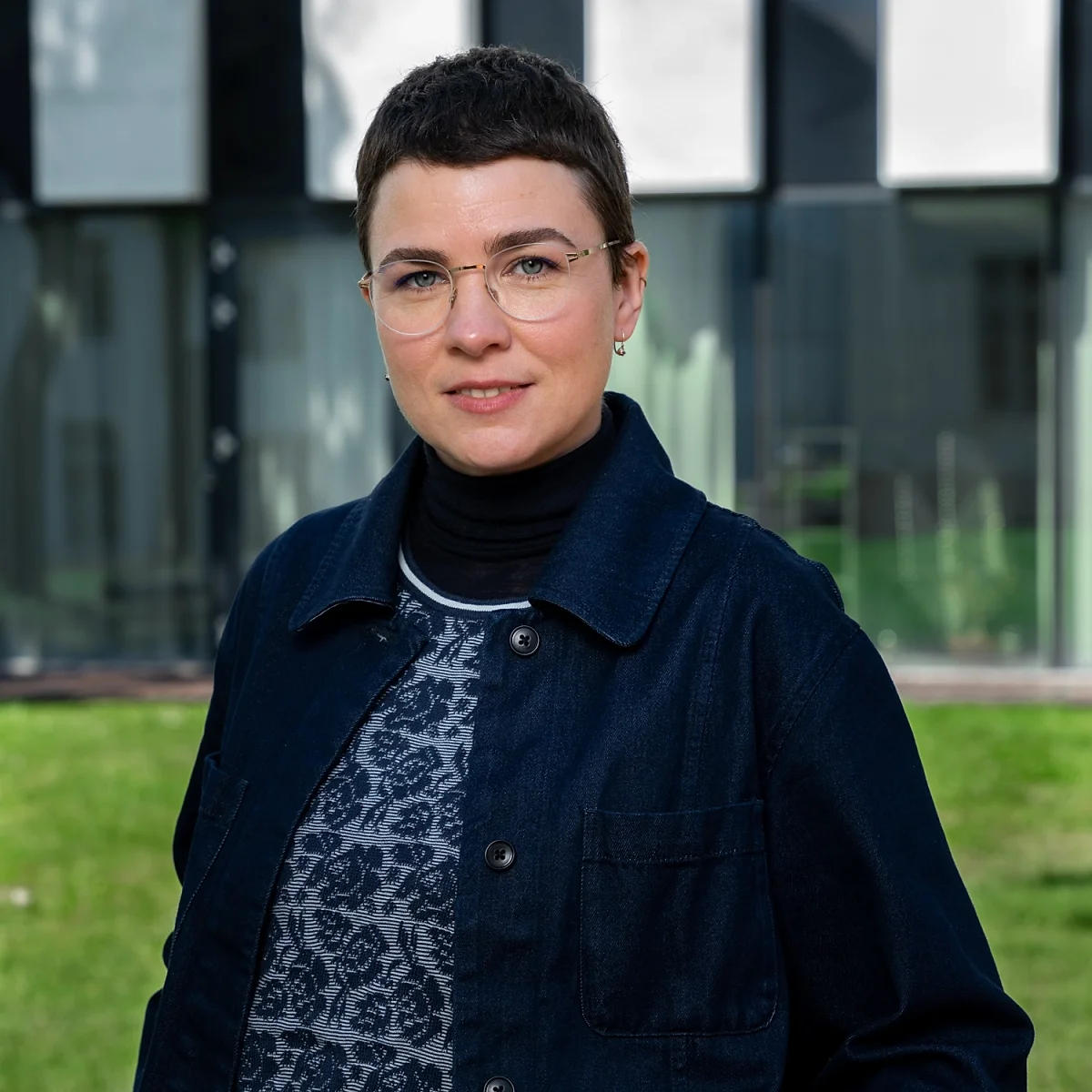
Head of MA programme, master instructor

kele.ildiko@mome.hu
tomcsanyi@mome.hu
csvass@mome.hu

Fashion Show history

Since 2016, the university has given its graduating fashion and textile designers a major platform to debut their work in the form of the MOME Fashion Show. The event, however, is part of a tradition that goes back much further. Long before the MOME Fashion Show was established, collections by Textile Design students of the Hungarian College of Applied Arts, later the Hungarian University of Applied Arts, and subsequently MOME were already being showcased to the public. In the early 2010s, the format evolved in a bold new direction, bringing fashion, theatre, and performance together on stage. 

For more than a century, MOME's Fashion and Textile Design programme and its predecessors have trained generations of fashion and textile designers. Many students earn international acclaim while still at university before going on to pursue careers as independent designers, launch their own labels, or join leading fashion houses. 

Notable alumni include Noémi Ferenczy, Barbara Léber, Bori Tóth, Anikó Manier Németh, Dóra Konsánszky, Réka Vágó, Emília Anda, András Tóth, Attila Godena-Juhász, Eszter Füzes, Dalma Dévényi, and Tibor Kiss. MOME-trained designers have worked, and continue to work, for international brands such as Louis Vuitton, Gucci, Chloé, Balenciaga, Vetements, Acne Studios, Marc Cain, Adidas, Nike, Burton and The North Face, as well as major Hungarian labels such as Nanushka, Aeron, Nubu, Tomcsanyi, and The Four. 
News
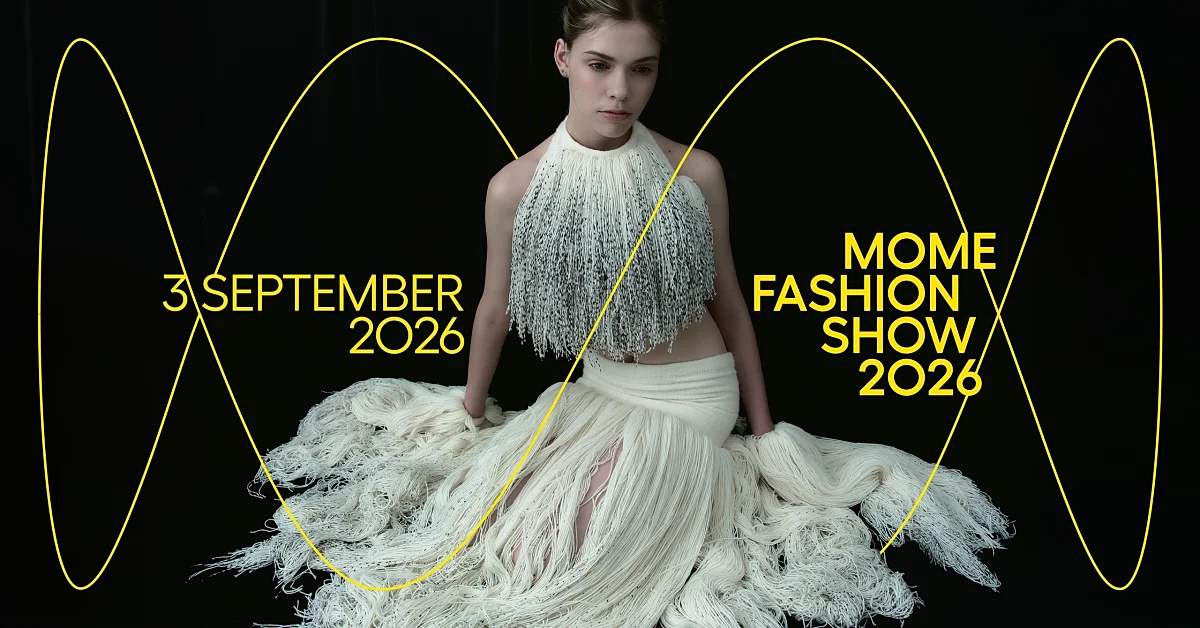
How can personal experiences, social phenomena, and material experimentation become the foundations of new design worlds? What do we make of the moment when one important chapter of life comes to an end? On 3 September, the spotlight once again turns to MOME's newest fashion graduates as the MOME Fashion Show 2026 returns to the MOME Campus. The show features collections by graduates of Textile Design BA and the Fashion and Textile Design MA, accompanied by an exhibition. This year’s works explore personal and social experiences of transformation, the ways in which traditions live on, the relationship between natural and artificial systems, and the role of fashion in shaping identity.
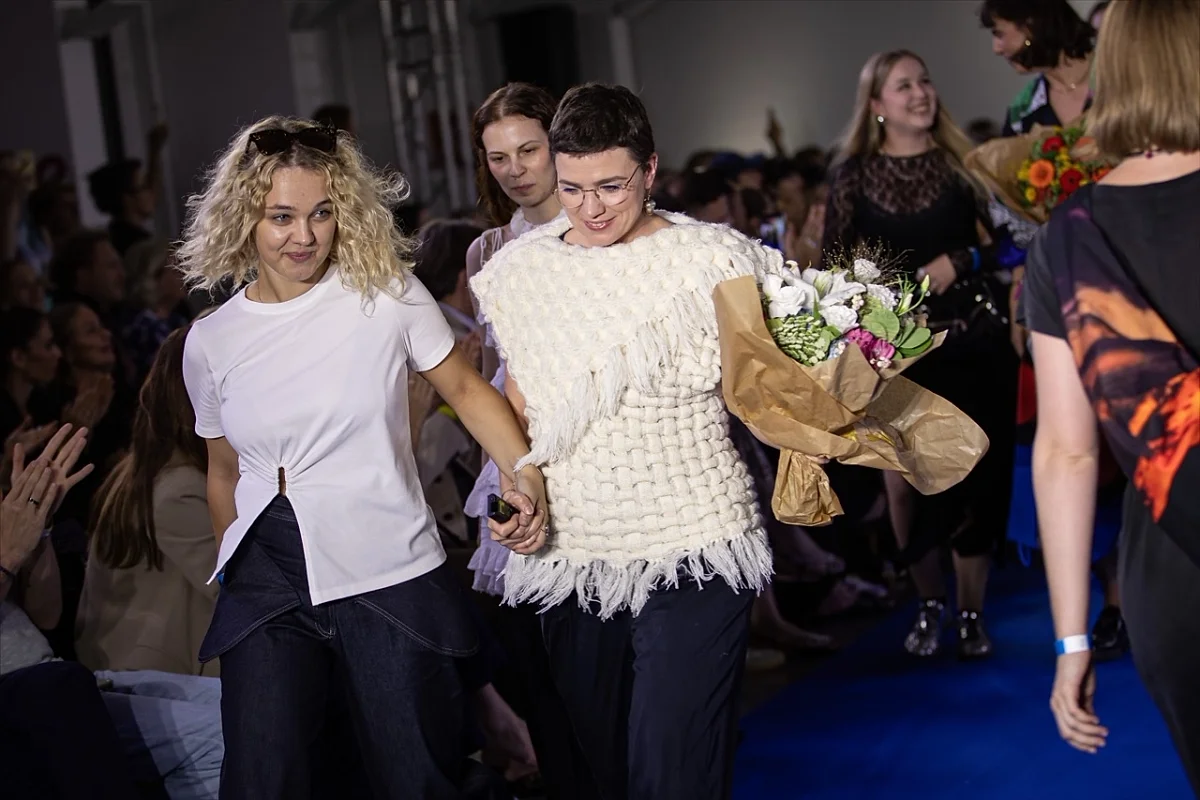
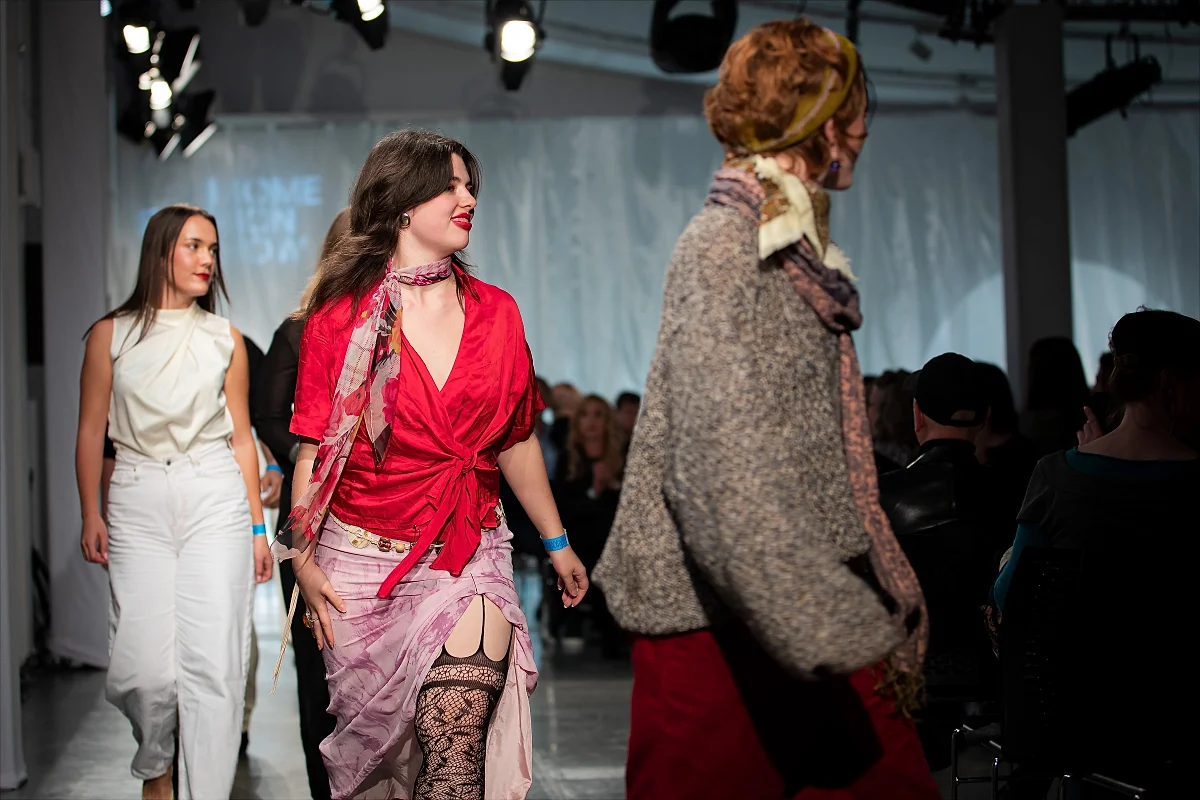
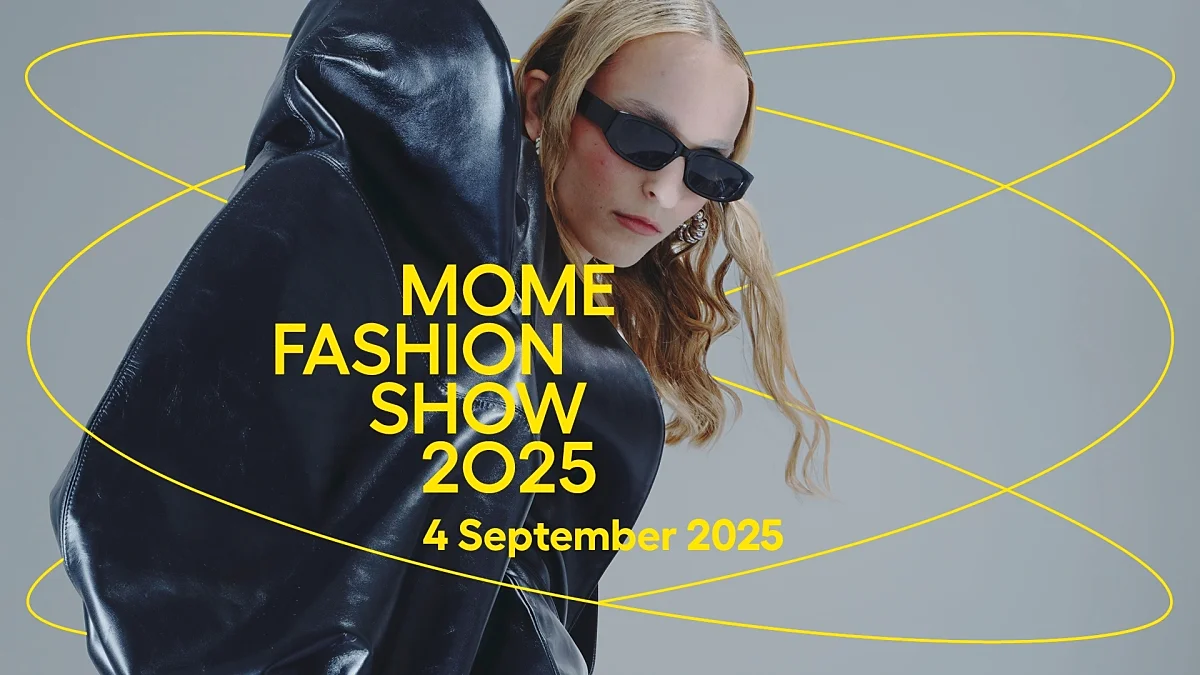
The latest generation of fashion designers dazzled audiences at the three sold-out MOME Fashion Show 2025 events. As the opening highlight of the autumn semester, the show debuted more than one hundred looks on the catwalk at the Zugliget campus of the Moholy-Nagy University of Art and Design. This year’s showcase placed contemporary themes and personal narratives centre stage, offering audiences a glimpse into how young designers see fashion today. As part of the wider programme, internationally renowned fashion curator Linda Loppa visited Budapest, and visitors were treated to an exclusive week-long exhibition of diploma collections by MOME’s Fashion and Textile Design graduates. 
What place do folklore, climate protection, or isolation have on the runway? What does fashion and fashion design mean to Gen Z? How are the centres and peripheries of the fashion industry shifting in the 21st century? These are just some of the questions explored at this year’s MOME Fashion Show through collections reflecting the latest design thinking and a series of special accompanying events.
Kiváló fiatal grafikusoknak köszönhetően született meg a MOME Fashion Show egyedi pezsgőjének arculata. A MOME Fashion Show és a kapcsolódó kiállítás minden évben a hazai divatipar és kreatív szakma egyik várva várt eseménye, hiszen itt mutatkozik be a MOME legújabb textiltervezőgenerációja. Az alkalom méltó ünneplésére készítette el a Garamvári Szőlőbirtok az egyetem első saját, limitált szériás pezsgőjét. A MOME Fashion Show élménye így a pezsgős poharakban is egyedi ízzel köszön majd vissza.
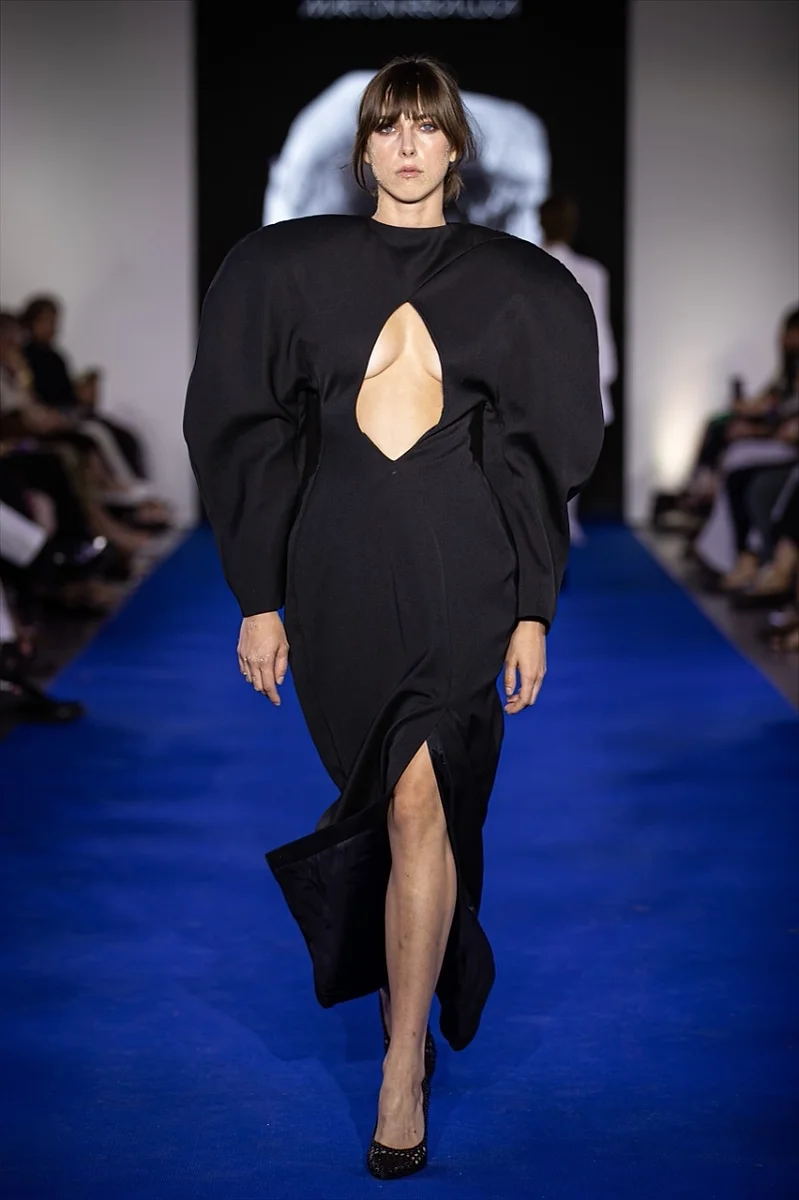
What does it mean to be a responsible fashion designer, and what role does education play in this regard? What influences are most apparent in the work of the latest generation of designers? Each year, the Fashion and Textile Design programme at the Moholy-Nagy University of Art and Design (MOME) hosts a Fashion Show, showcasing the work of its graduating students and alumni which not only hold aesthetic value but also convey powerful social and cultural messages. This time, the entire visual concept of the show was designed by students, while the alumni community is represented by the latest collection of the THEFOUR brand, which has recently opened their own store.
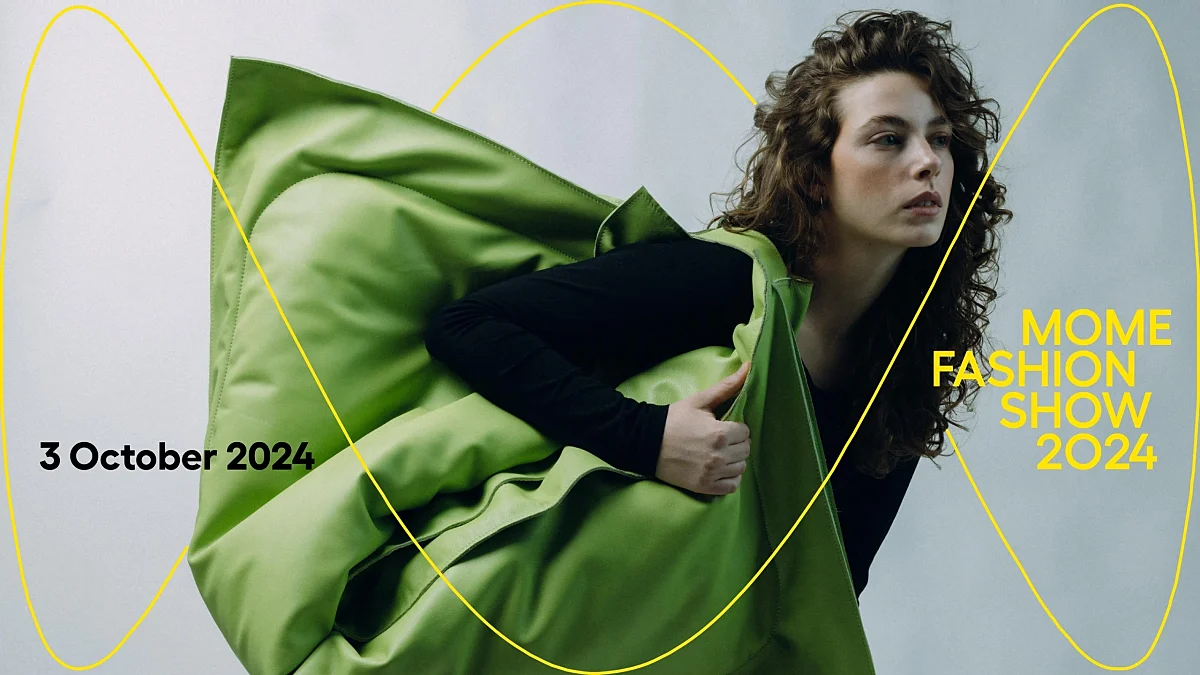
This year’s Fashion Show, debuting the latest generation of fashion and textile designers of the Moholy-Nagy University of Art and Design (MOME) concluded with resounding success, drawing a full house twice in a row. In keeping with its traditions of and in sync with international fashion week calendars, MOME organised its unusual fashion event and exhibition in the first week of November, once again attracting a great deal of interest. The creations of the young designers this year were inspired by the circularity of life and materials, with a focus on recycled and biodegradable materials.
What characterises the latest works, design approach, and interests of the new designer generation? We asked head of the MOME Fashion and Textile Design MA programme and founder of KELE Clothing Ildikó Kele, as well as our teacher and designer of the TOMCSANYI clothing brand Dóra Tomcsányi about the upcoming MOME Fashion Show.
Deep, sensitive, fresh – In sync with international fashion week calendars, top fashion and textile designer talents will claim the limelight in early October at the two-day traditional MOME Fashion Show on the Moholy-Nagy University of Art and Design (MOME) Campus. The new generation has also been greatly influenced by global developments such as the energy and climate crisis, resulting in a strong focus on sustainability, innovative new materials, diversity, and inclusion in their works.
What inspires the textile and fashion designers of the future? What form and colour schemes does the new designer generation use in their latest works? The fashion show, organised under the direction of head of MOME’s Fashion and Textile Design MA and founder of KELE Clothing Ildikó Kele and our teacher Dóra Tomcsányi, once again gave a glimpse into the creative work at the Fashion and Textile Design MA of Moholy-Nagy University of Art and Design.

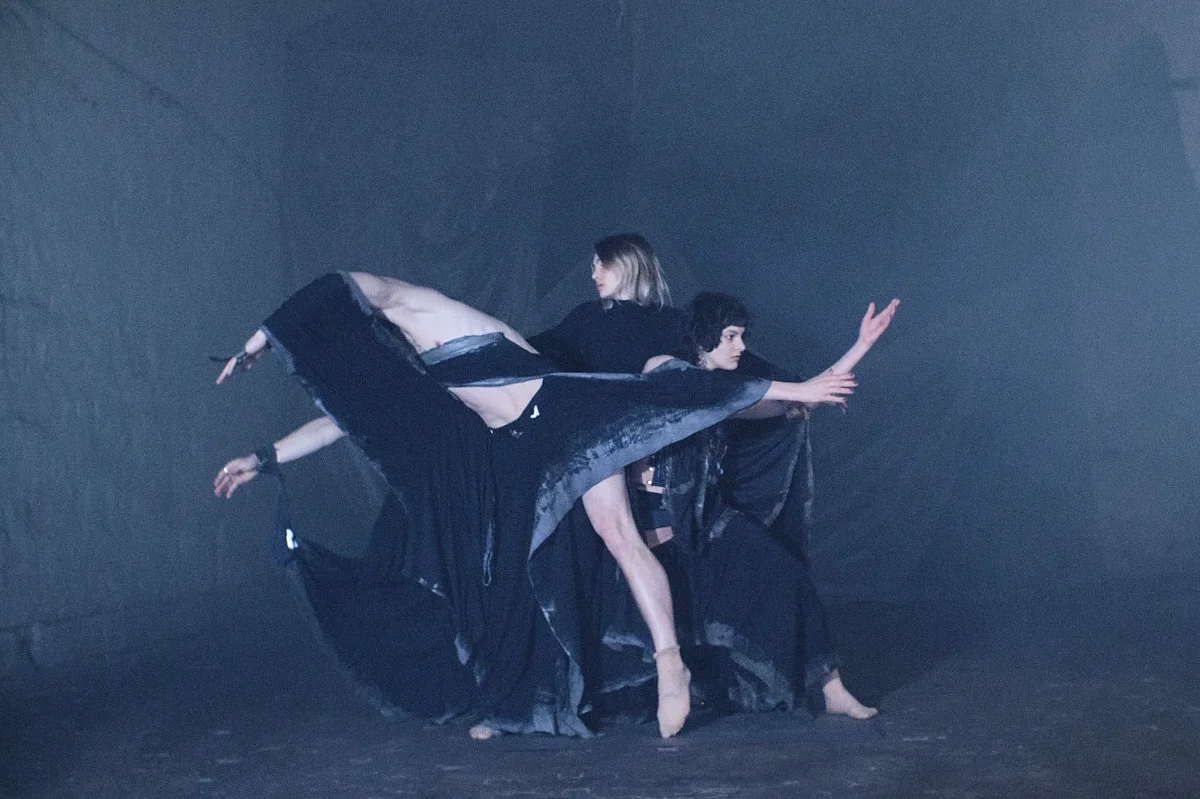
This year’s MOME Fashion Show will be complemented by a special choreography, courtesy of the Hungarian Dance University.

Participating students from the Hungarian Dance University: Koppány Luca, Barhács Melinda, Kerényi Léna, Schlosser Ilona, Vályi Orsolya, Mátyók Lilla, Nagy Enikő, Belicza Bianka, Pártos Lili, Molnár Levente, Schlesser Bogi, Tóth Bulcsú, Gueli Sophie, Salgó Gréta, Teremi Mihály, Hentzel Noémi, Kaszás Anna, Kemecsei Karina, Walter Leon, Kiricza Bence.

Choreography: Lőrinc Katalin

Got a question?

Contact
Student collaborations
textil@mome.hu
Sponsorship collaborations
comas-demok.nora@mome.hu
Member of the European
Network of
Innovative
Higher Education Institutions
9 Zugligeti St,
Budapest, 1121