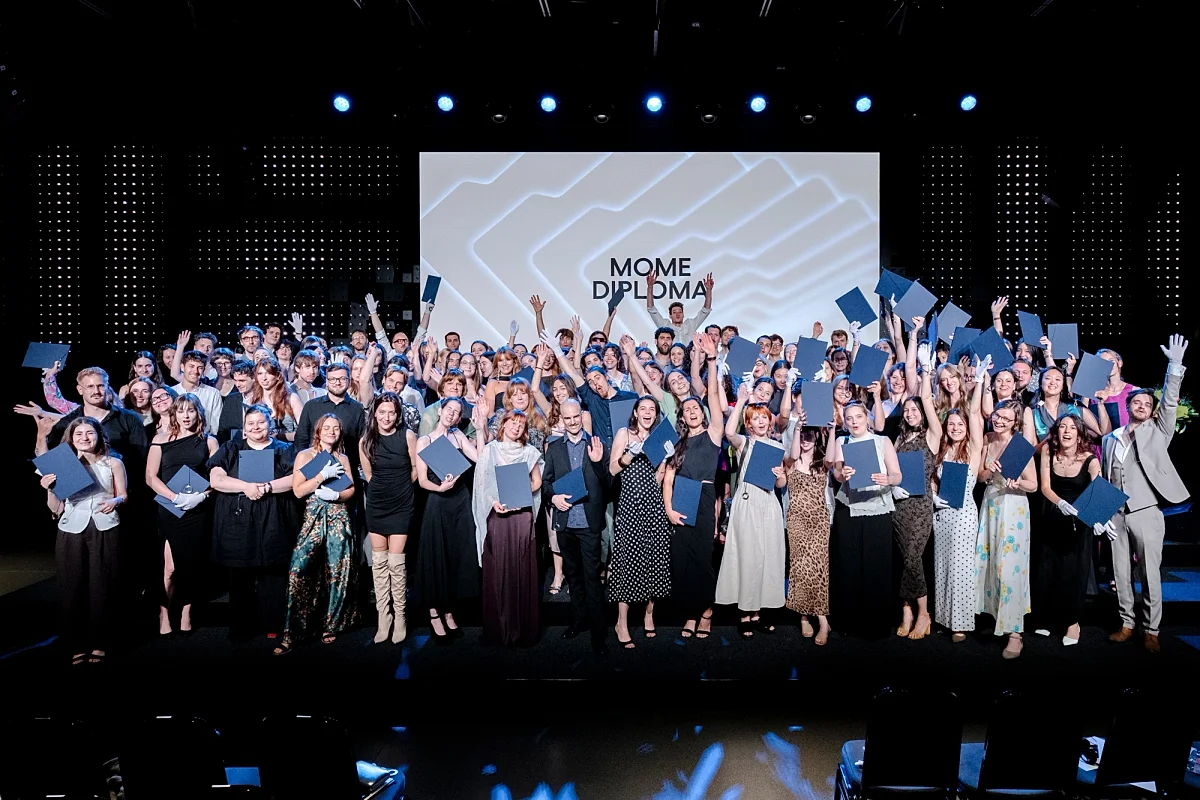
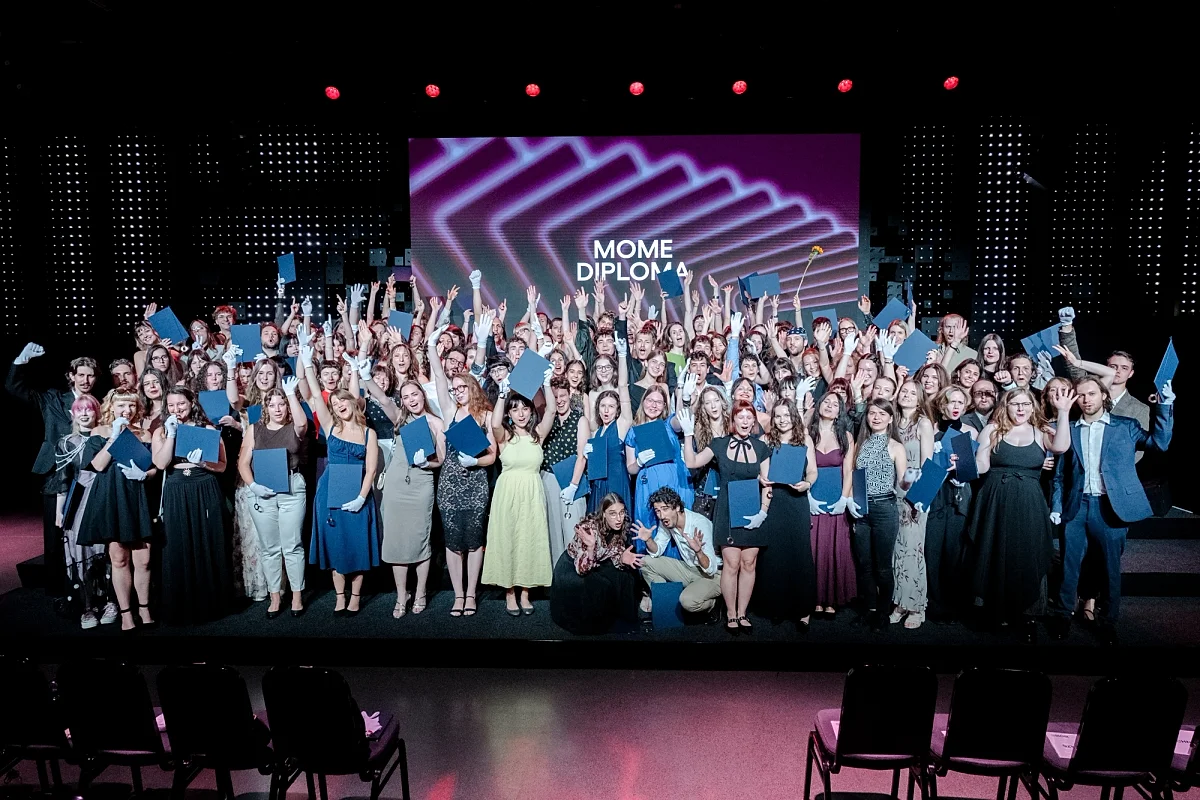
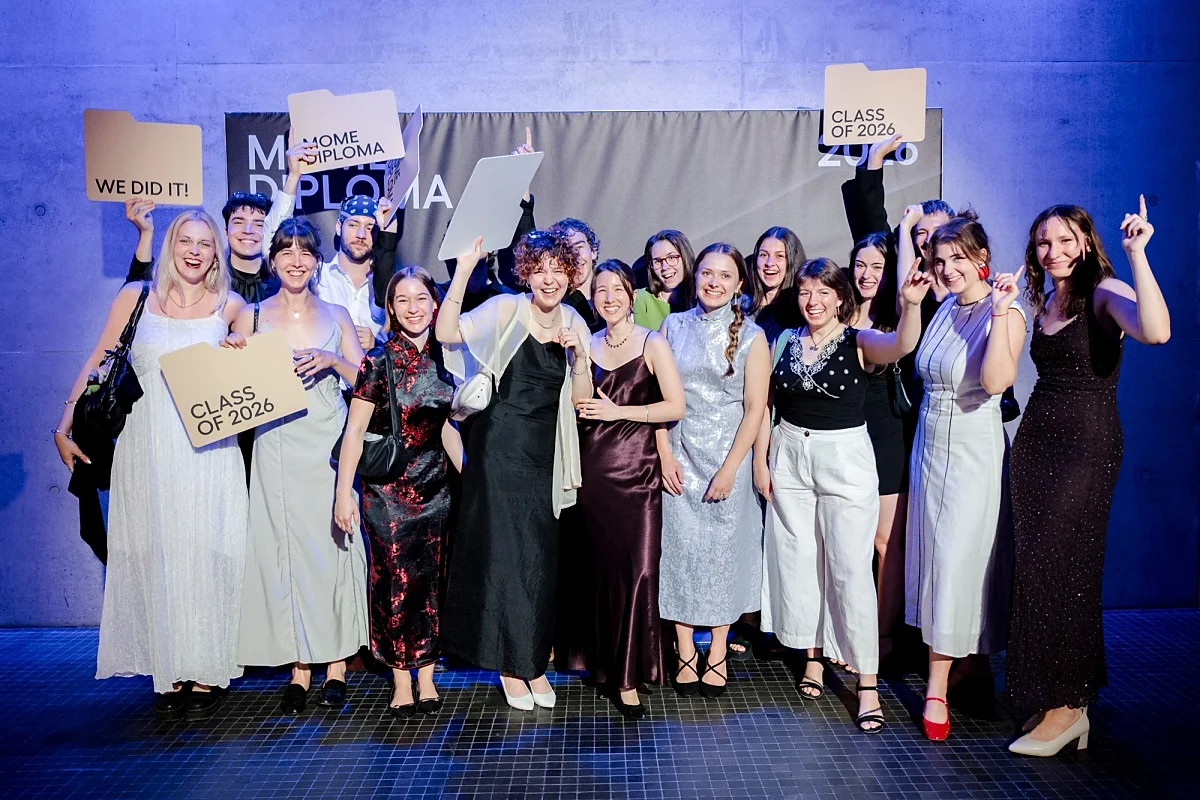
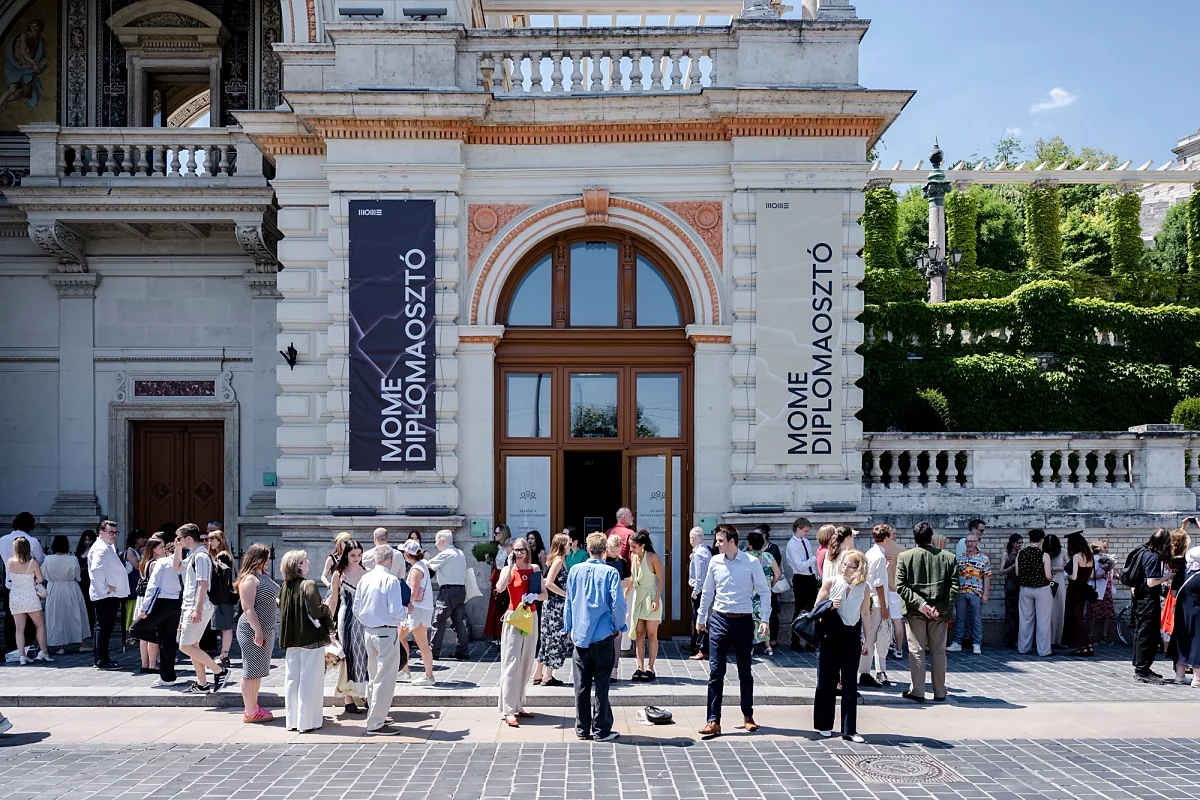
More than 300 graduates, professional honours, and countless memorable moments
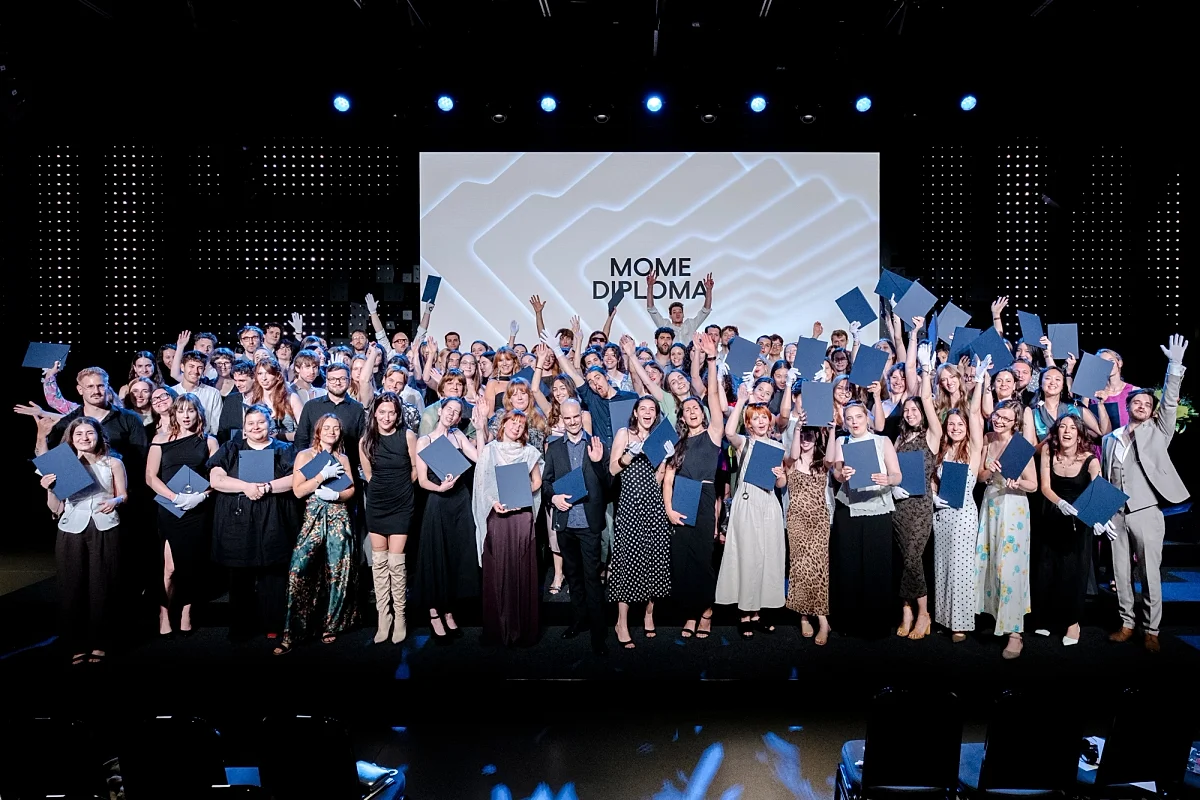
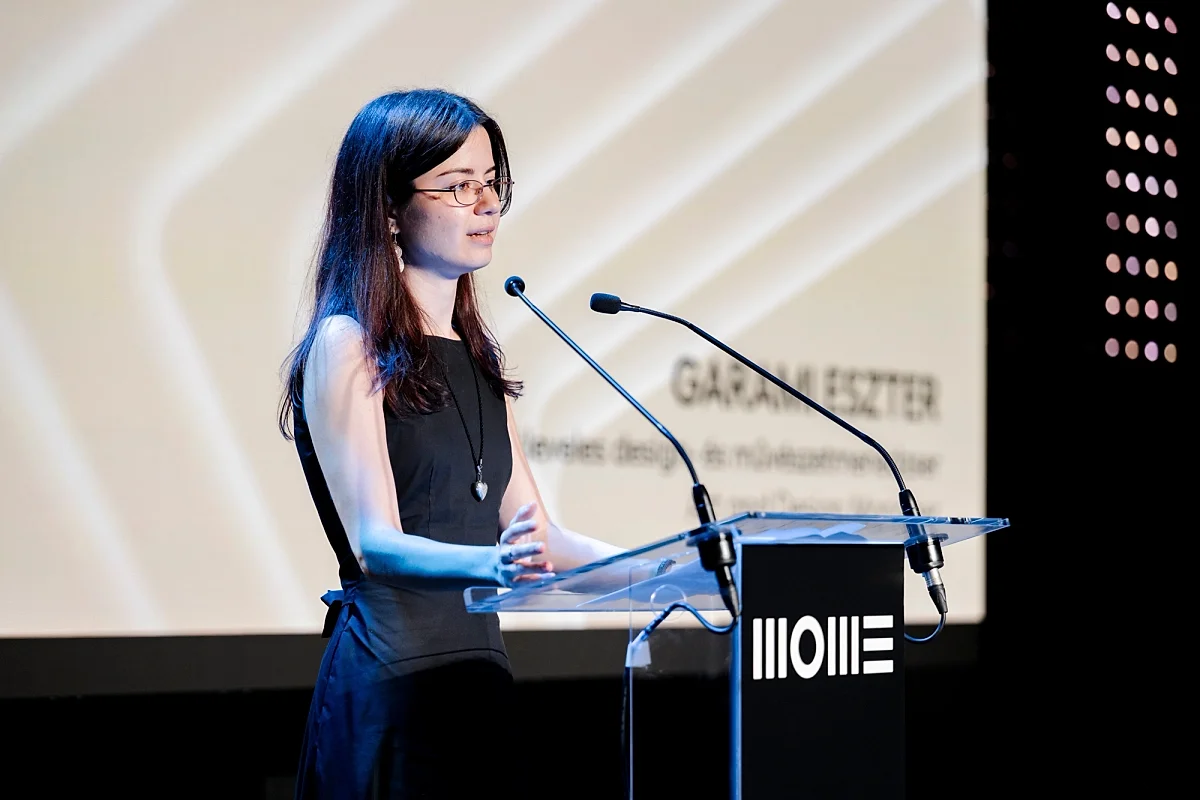
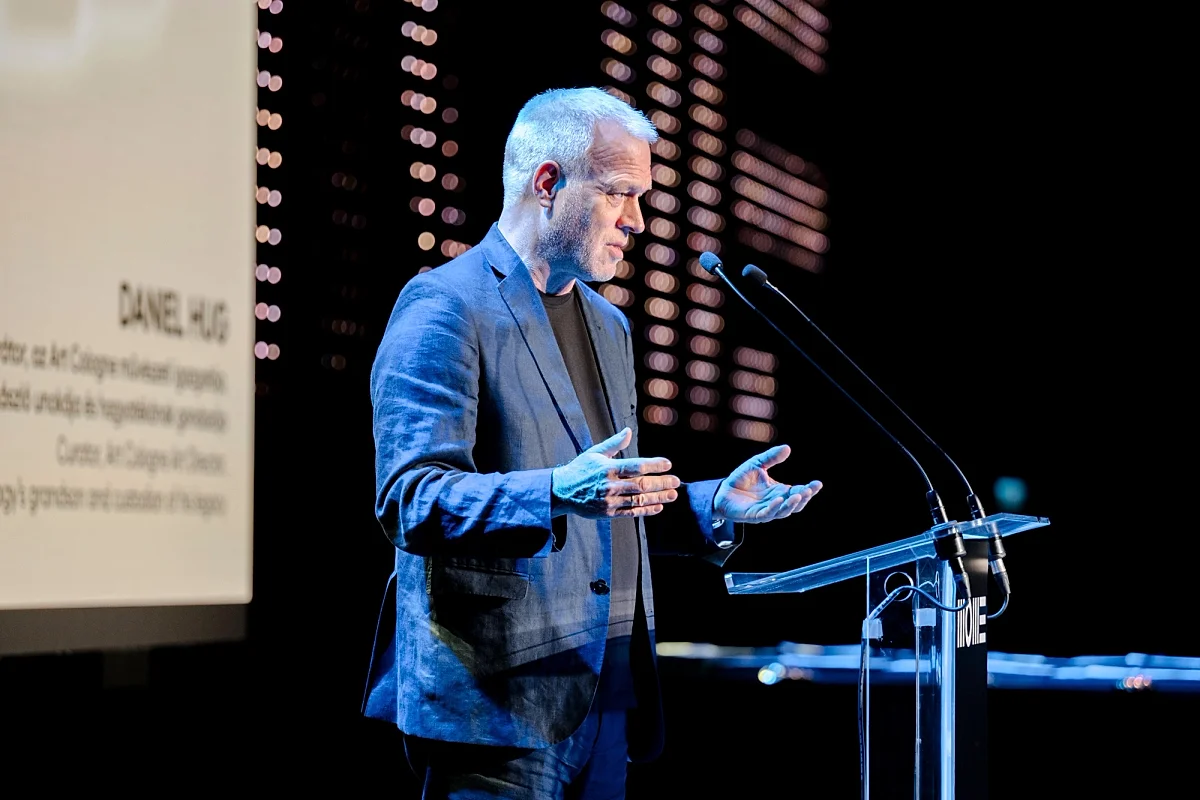
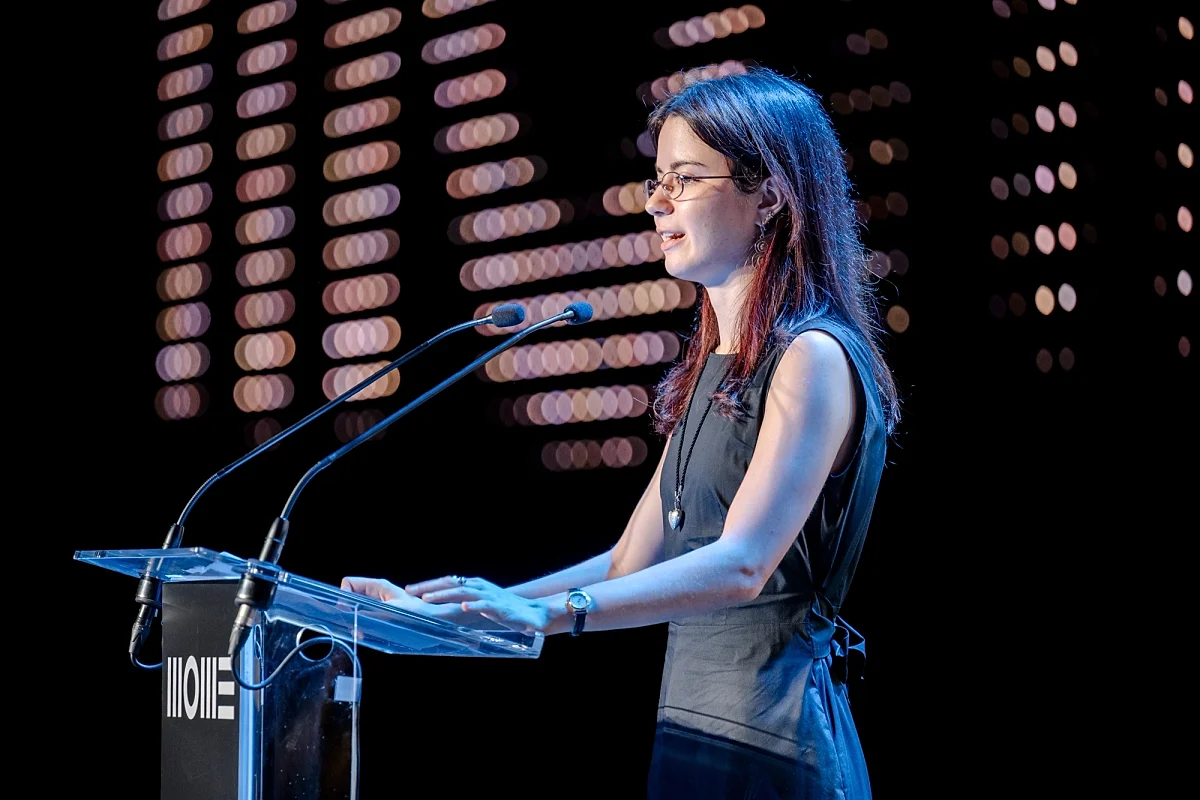
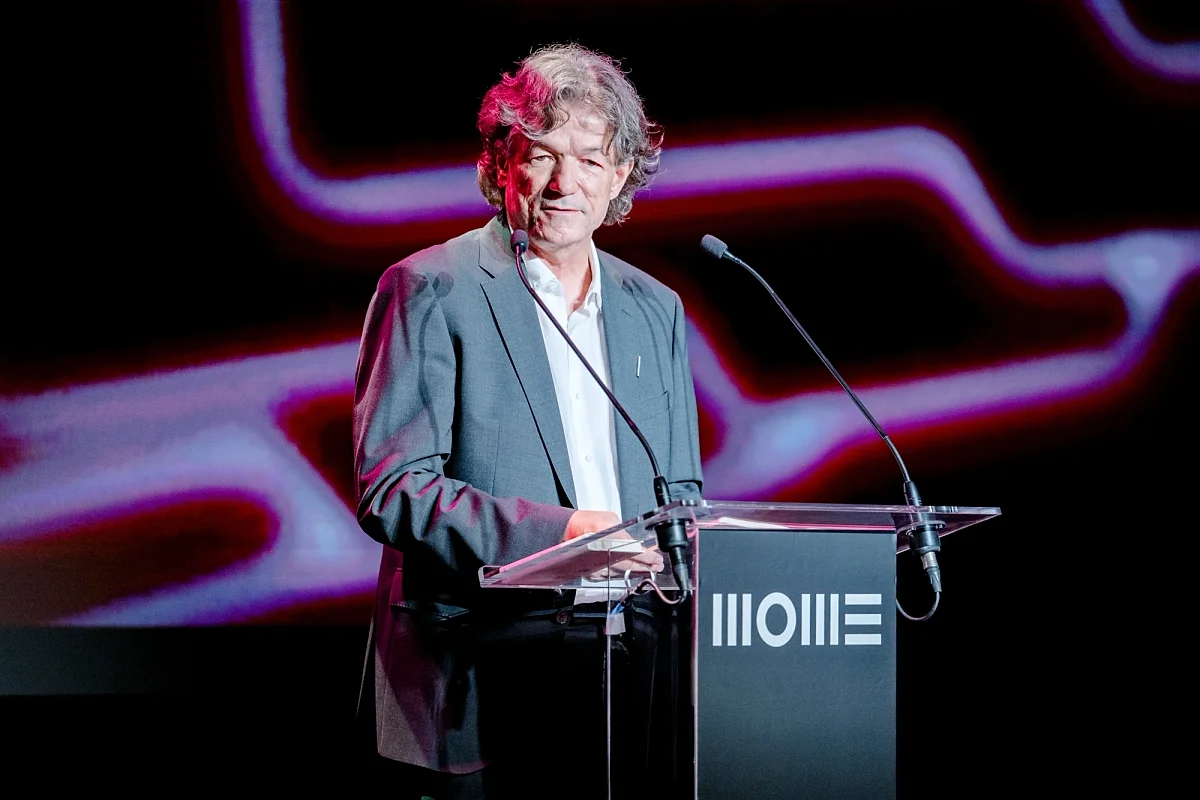
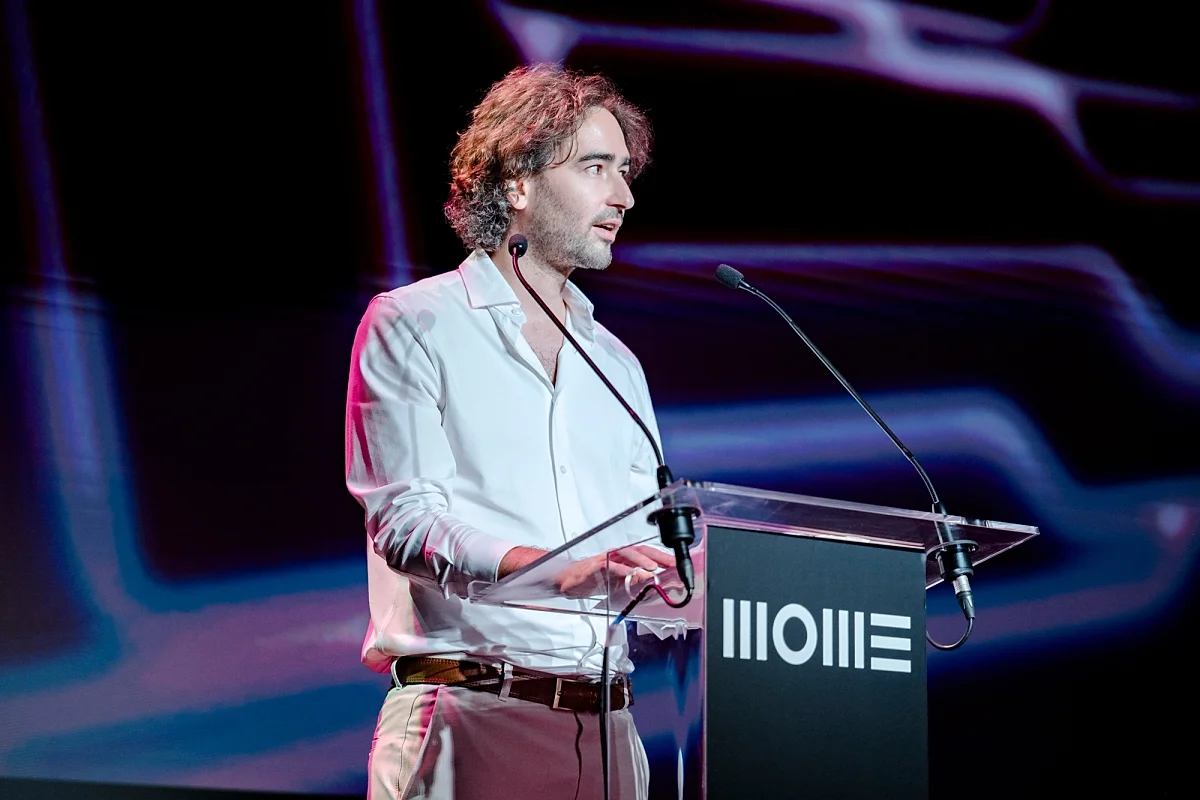
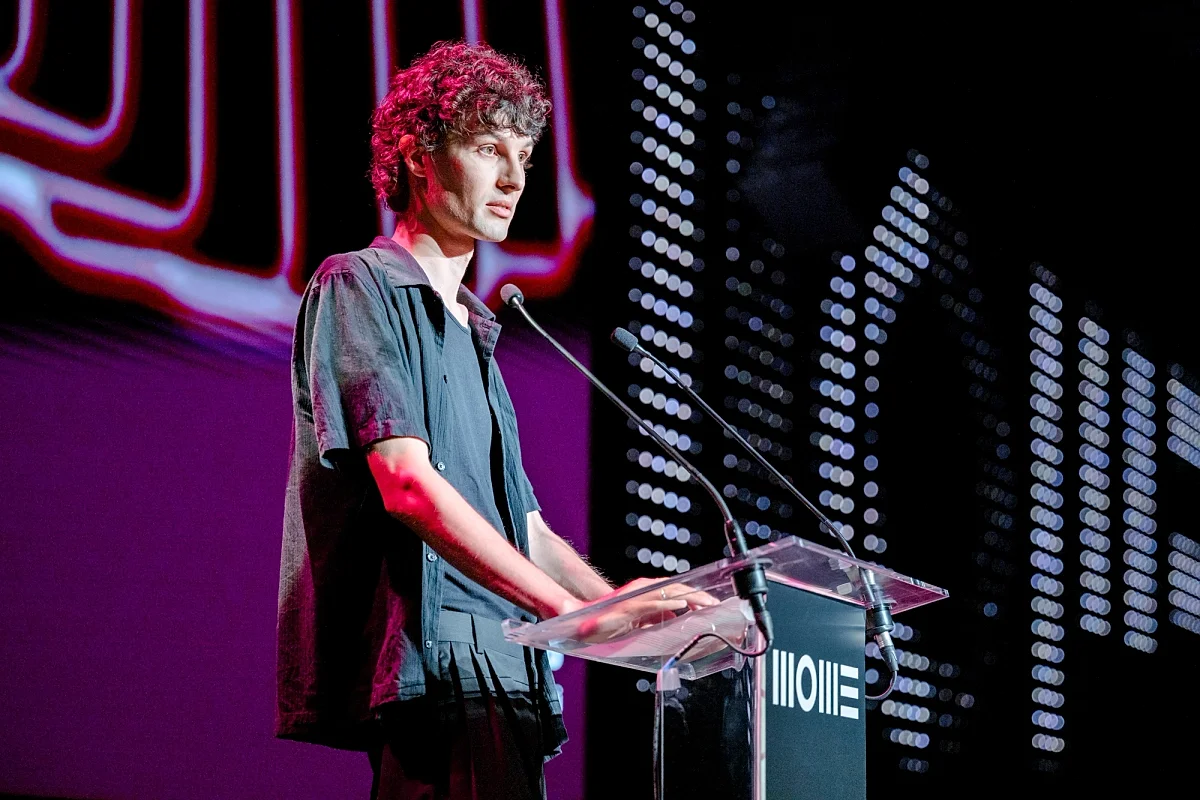
At both ceremonies, Acting Rector Csaba Kovács addressed MOME’s newest graduates, pointing out the exceptional strength and agency shown by this year’s BA and MA classes that helped shape both the life and the future of the university. These qualities, he said, are something they should hold on to. This year, the graduation speakers were chosen by MOME’s student community in a vote. At the BA ceremony, architect and model Ákos Sógor and newly graduated textile designer Áron László shared their thoughts with the graduating students. At the MA ceremony, interior architect and iron jubilee alumna Mrs. Bánki née Laura Szerdahelyi, newly graduated art and design manager Eszter Garami, designer Stefan Lengyel, and Curator, Art Cologne Director and László Moholy-Nagy’s grandson Daniel Hug gave speeches before the assembled MOME community. As part of an important new tradition at MOME, each graduating class can use the ceremony to draw attention to an important social issue or cause. This year, they decided to spotlight the dedicated work of the From Streets to Homes Association, with volunteer coordinator Bence Bene speaking on behalf of the organisation.
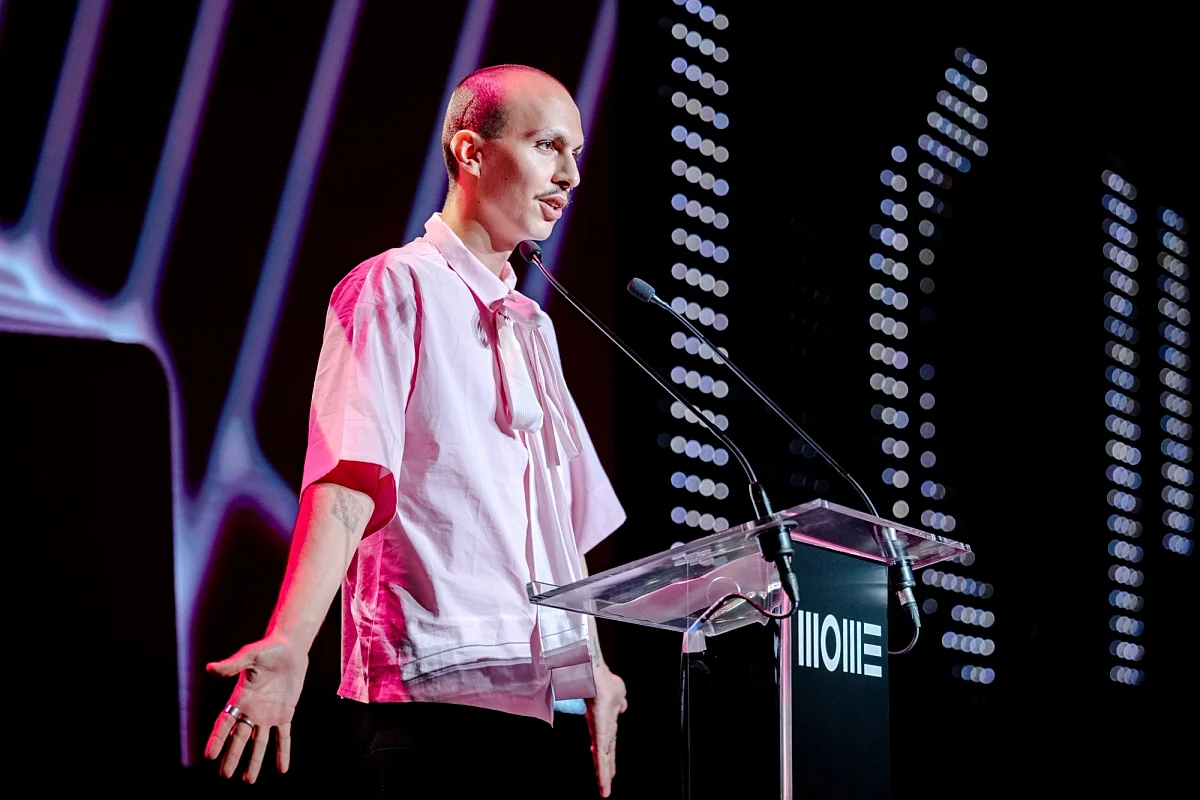
At the BA graduation ceremony, architect, model, and MOME alumnus Ákos Sógor described the university as “giving you free rein rather than telling you what to do” – time to come into your own, to develop creative self-awareness, and to discover what truly engages you. As he put it, MOME “teaches you to make magic and to dream”. For him, this is the added dimension MOME provides that shapes creative thinking alongside professional knowledge. As a parting thought, he told the graduating students to hold on to “whatever you enjoy in the challenge you are facing”.
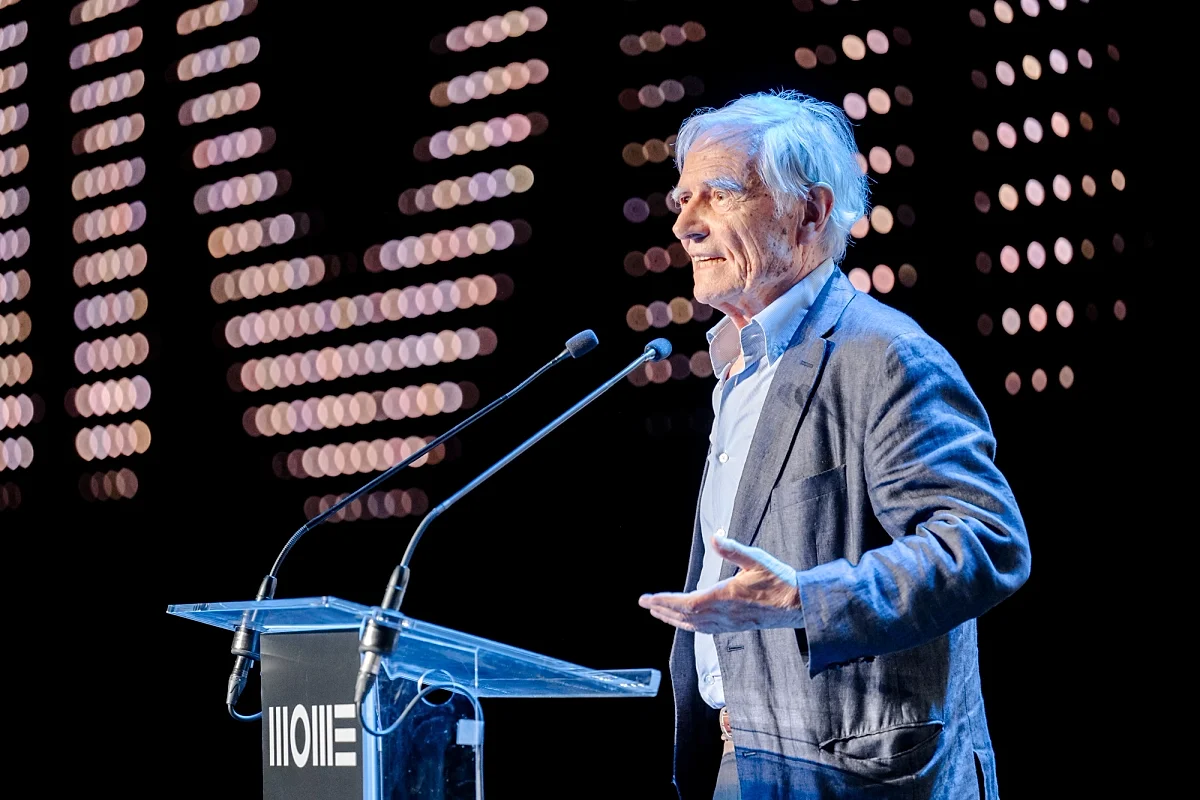
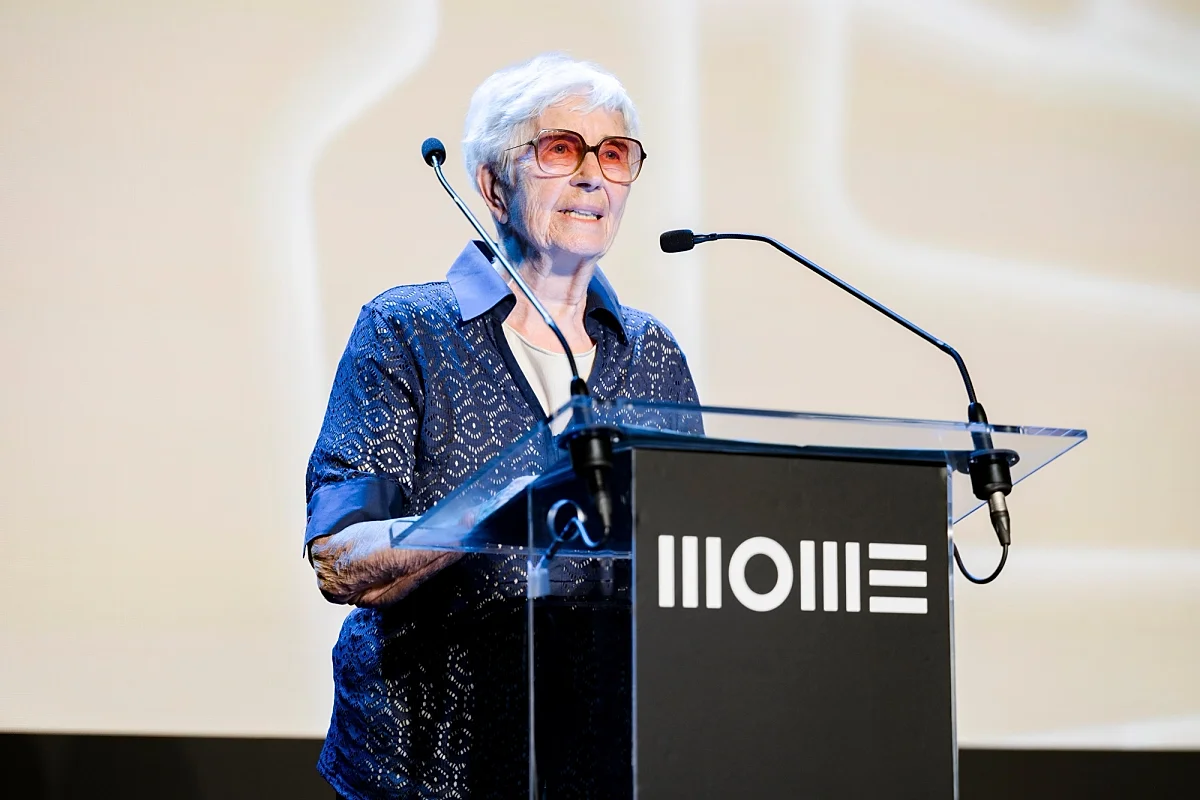
At the MA graduation ceremony, interior architect and iron jubilee alumna Mrs. Bánki née Laura Szerdahelyi gave a memorable speech on the importance of ties between generations, and creative responsibility. “As she put it: “Times change, and so do the obstacles and difficulties that come with them, but some things are constant: life will always ask something of the young”, she said. She also warned that in an accelerating world, professional knowledge and an understanding of earlier generations’ work matter more than ever. “We must not lose touch with our roots. Understanding the roots of our profession is essential.” As a message to the graduates, she urged them to preserve what came before them even as they look for new paths. “Value the works that embody the style, material culture and intellectual legacy of their time, and do not let them suffer the same shameful fate as Déli Railway Station, Körszálló or the wall reliefs of the former Dürer Garden. The new should not be built on the ruins of the old. It should find its own way while carrying their values forwards.”
Designer and MOME jubilee graduate Stefan Lengyel also addressed the graduates. In his words, “Go find what truly interests you, and then pinpoint where you feel there is room for improvement. If you keep asking what could be improved, you are unlikely to hit a dead end.”
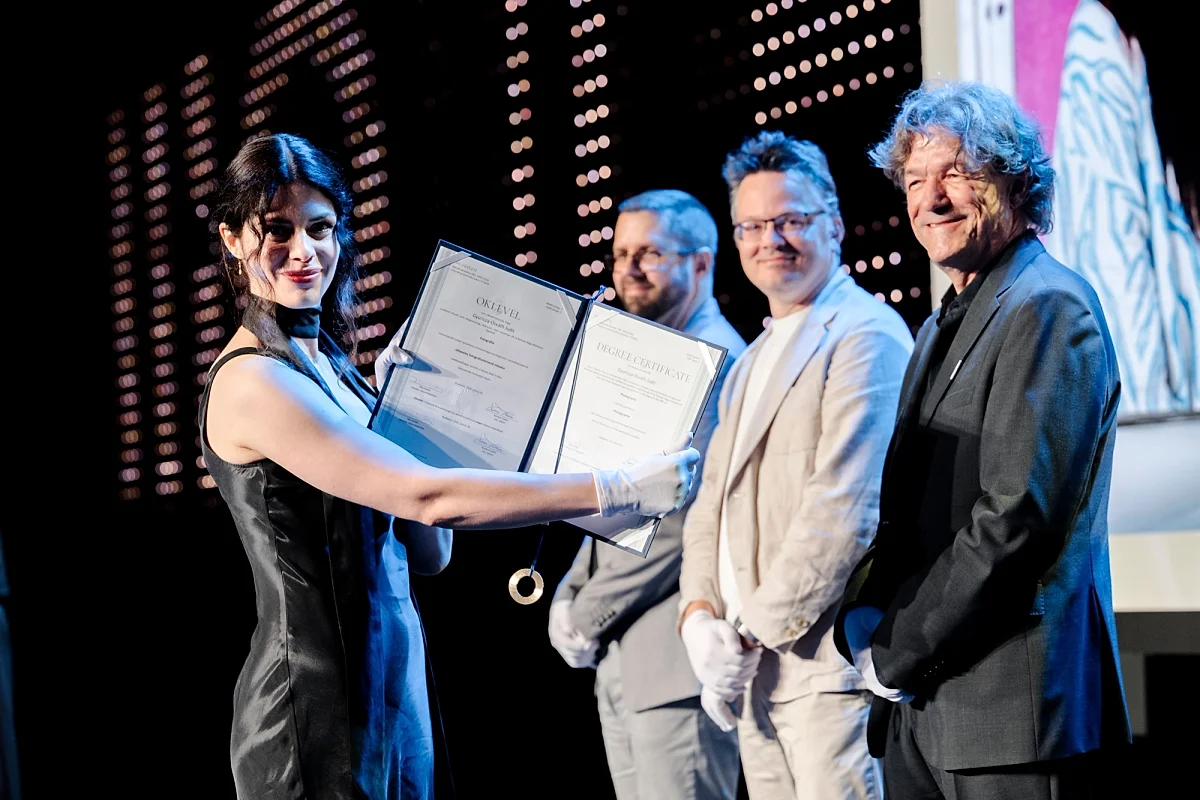
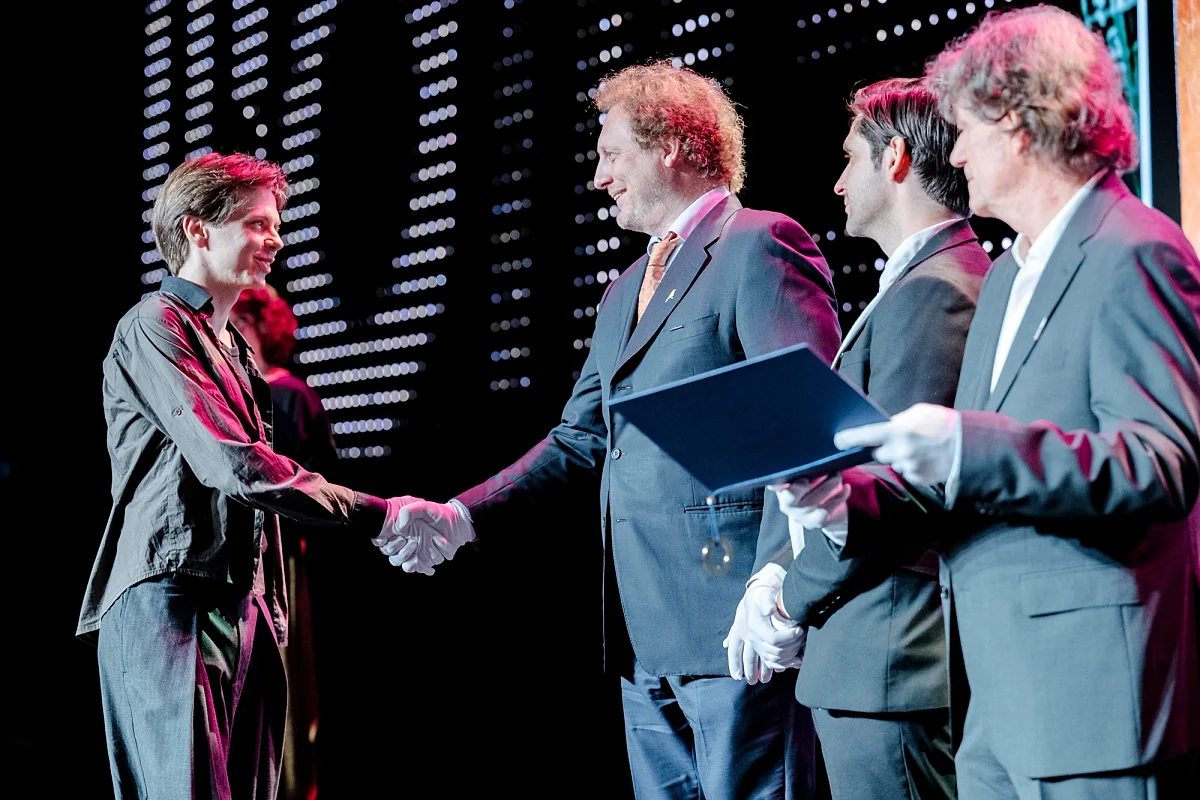
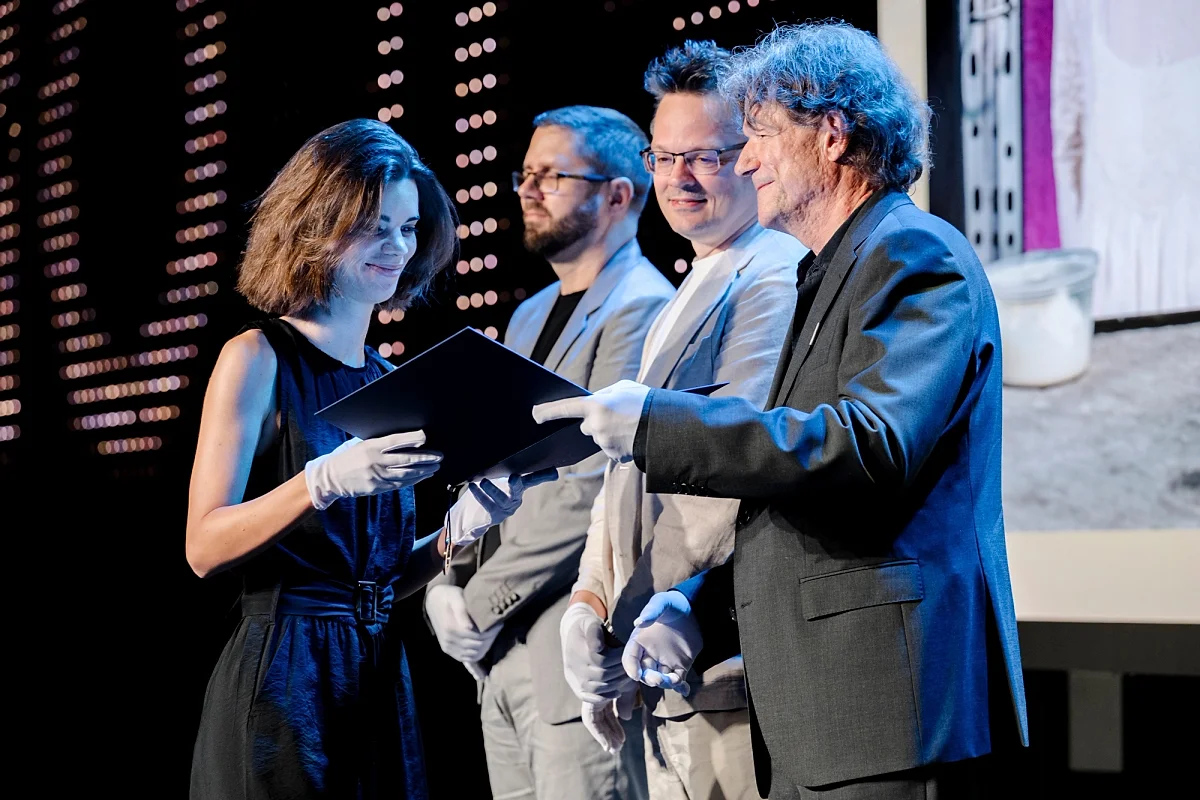
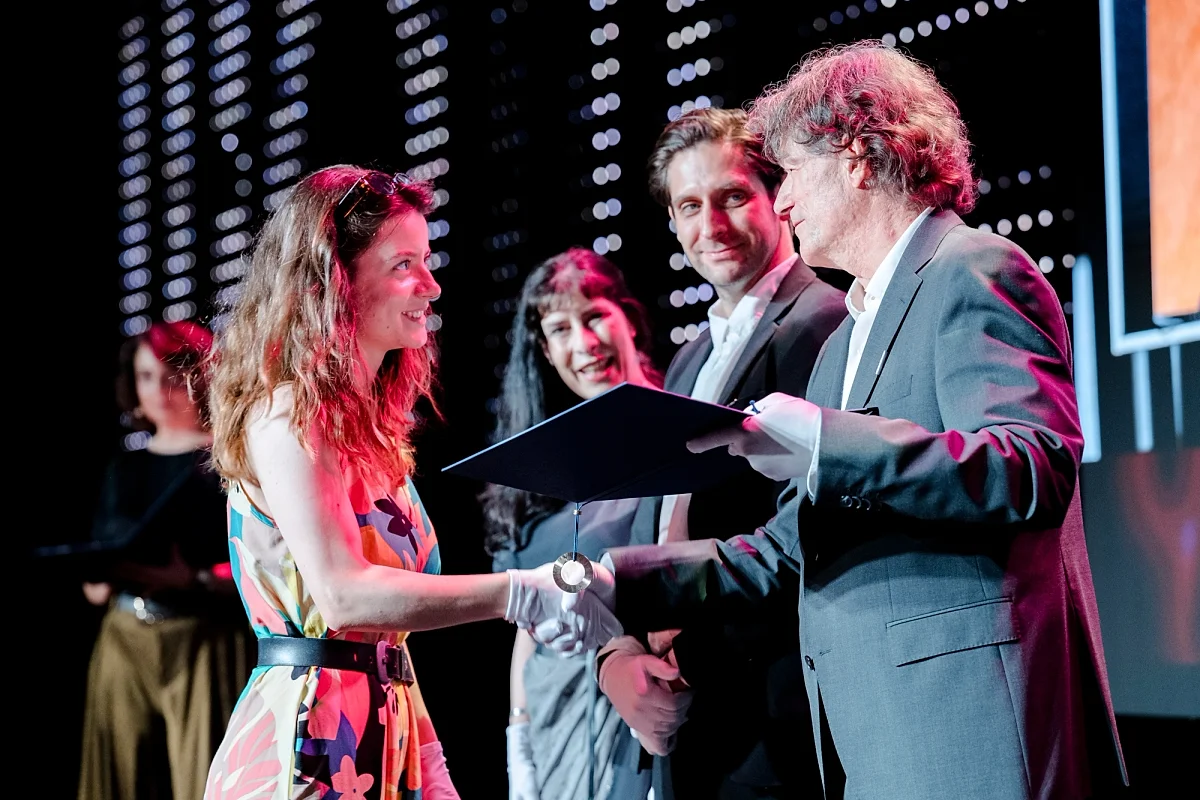
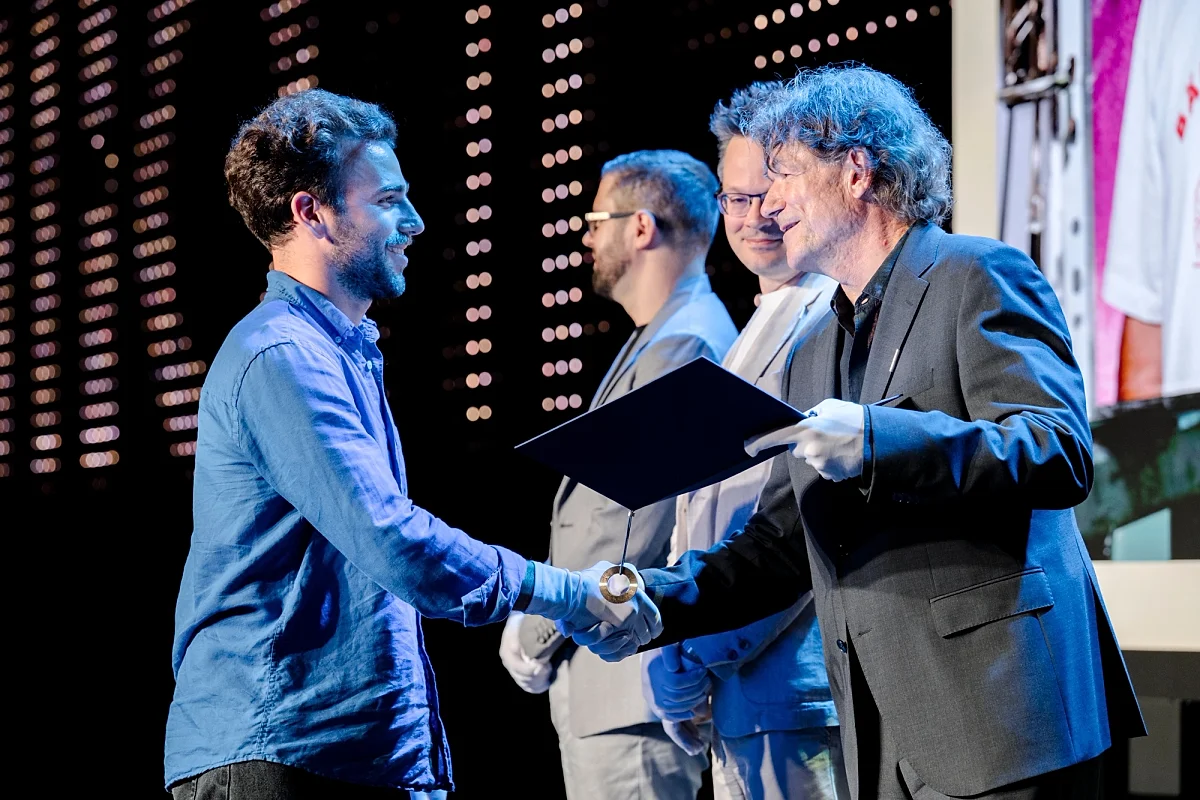
This year’s Rector’s Diploma Awards went to projects that respond to the challenges of contemporary design and art with a high level of professional skill, asking nuanced and socially relevant questions. Nándor Máté Holp and Ádám Virágh were selected for their joint animated film, which stands out for its mature command of cinematic language, strong dramaturgy, and highly professional creative collaboration. Sebestyén Ócsai received the award for a research-led, technically complex and carefully resolved design process and Sára Hecker for a participatory photography project, developed in collaboration with the From Streets to Homes Association, exploring the housing crisis and the experience of finding a home.
Sára Luca Kiss earned hers for a project that helps people navigate grief by linking personal experience together and research and design. Simon Péter Győri received his for a diploma project connecting the rehabilitation of an abandoned Baroque manor house with support for people living with addiction. Sára Miriam Nagy received the award for PORTRAITURE, her master’s project exploring questions of digital identity, self-representation, and the gaze through a creative combination of analogue and digital elements, and Petra Tamara Börcsök for beantoday, situated at the intersection of sustainable eating, food design, and ceramic design.
Márton Berecz was also among this year’s awardees. His research into the wellbeing of crew members in the Hungarian film industry drew attention to a professional matter that often remains overlooked. Dorottya Tóth was awarded for her multimedia installation examining the lives of Asian student workers in Budapest. Cintia Tamás received the award for her thesis on the representation of Roma identity and the institutionalisation of Roma art, while Zsófia Szabó was selected for a portfolio reflecting a pedagogical approach to critical media use. Orsolya Gerencsér’s diploma project on biocomposite materials also earned her a Rector’s Award, standing out for the way it combines sustainability, material experimentation, and formal thinking.
The Árkay Diploma Award went to Borbála Franciska Vizi for her proposal for the adaptive reuse of Hengermalom, bringing industrial heritage together with a contemporary architectural approach. Enikő Balogh, Simon Péter Győri, and Tamás Kocsis all received commendations. Oskar Koppány Szelevényi took home the award for ethical architectural conduct. Petra Tamara Börcsök was awarded the Vince Wartha Diploma Award, while The Future Art Teacher Award was given to Blanka Júlia Herényi and the professional community supporting her, with Judit Bényei accepting it on their behalf.
Importantly, the graduation ceremony is an opportunity for different generations to meet, and this year was no exception. This year’s graduates were joined by Gold, Diamond and Iron jubilee alumni, who completed their studies fifty, sixty and sixty-five years ago. Members of the classes of 1966 and 1976 went on to become leading figures in Hungarian design culture, with several now household names in Hungary. At a time when so many connections are built exclusively online, being in the same room and meeting role models face to face feels all the more valuable.
More news