Moholy-Nagy University of Art and Design

MOME Apiary

Honey varieties
Map
Photos
Got a question?
News
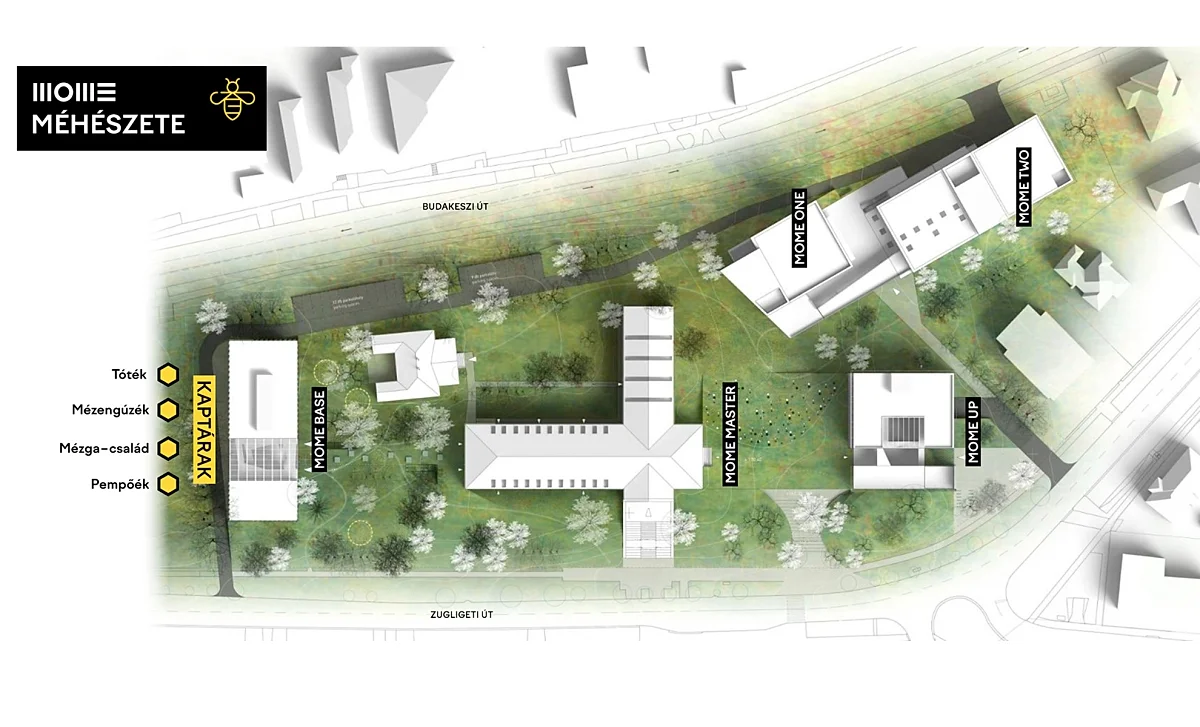
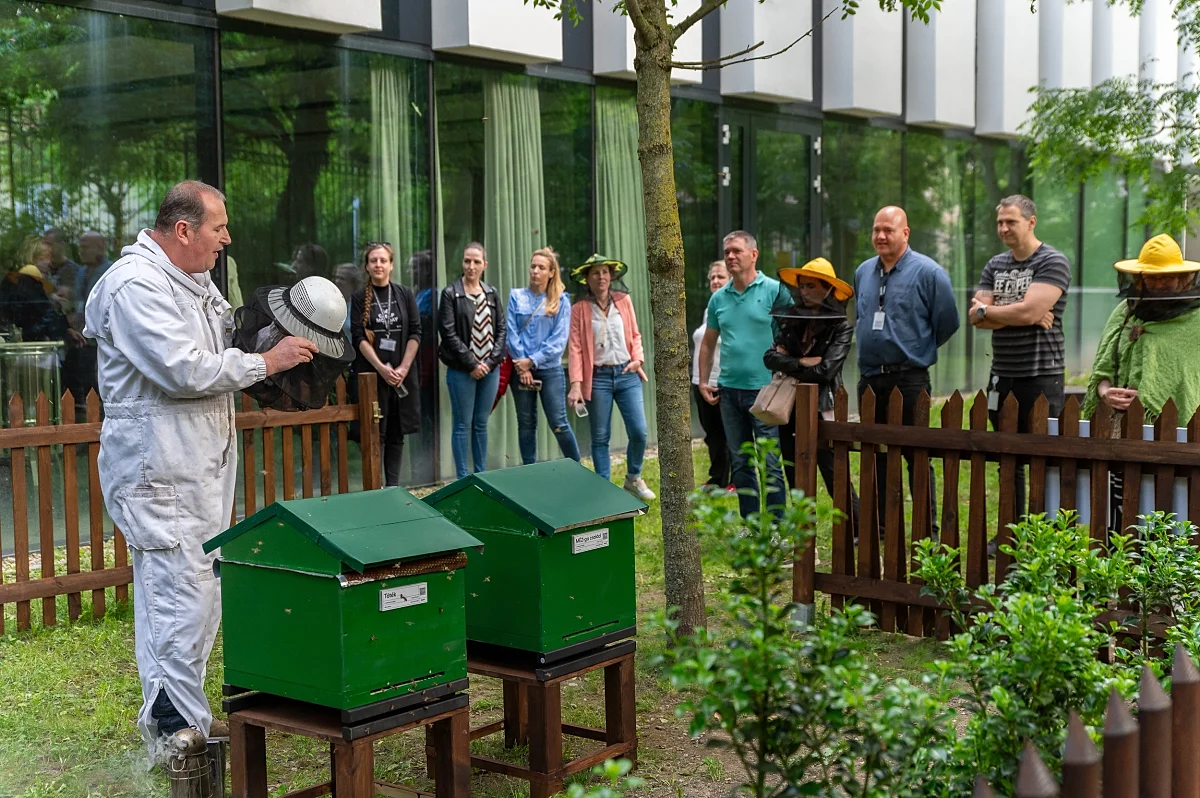
In spring 2024, two bee colonies were introduced to the campus garden, which also functions as a public park, behind the BASE building for ecological and educational purposes, helping preserve our natural environment and maintain the balance of nature.

In 2025, two additional colonies were added to the MOME Apiary: The Mézengúz and PempÅ‘ families joined the Tóté and Mézga families. As before, the new hives were made in the university’s Wood Workshop, and once again, students were invited to name the colonies. 

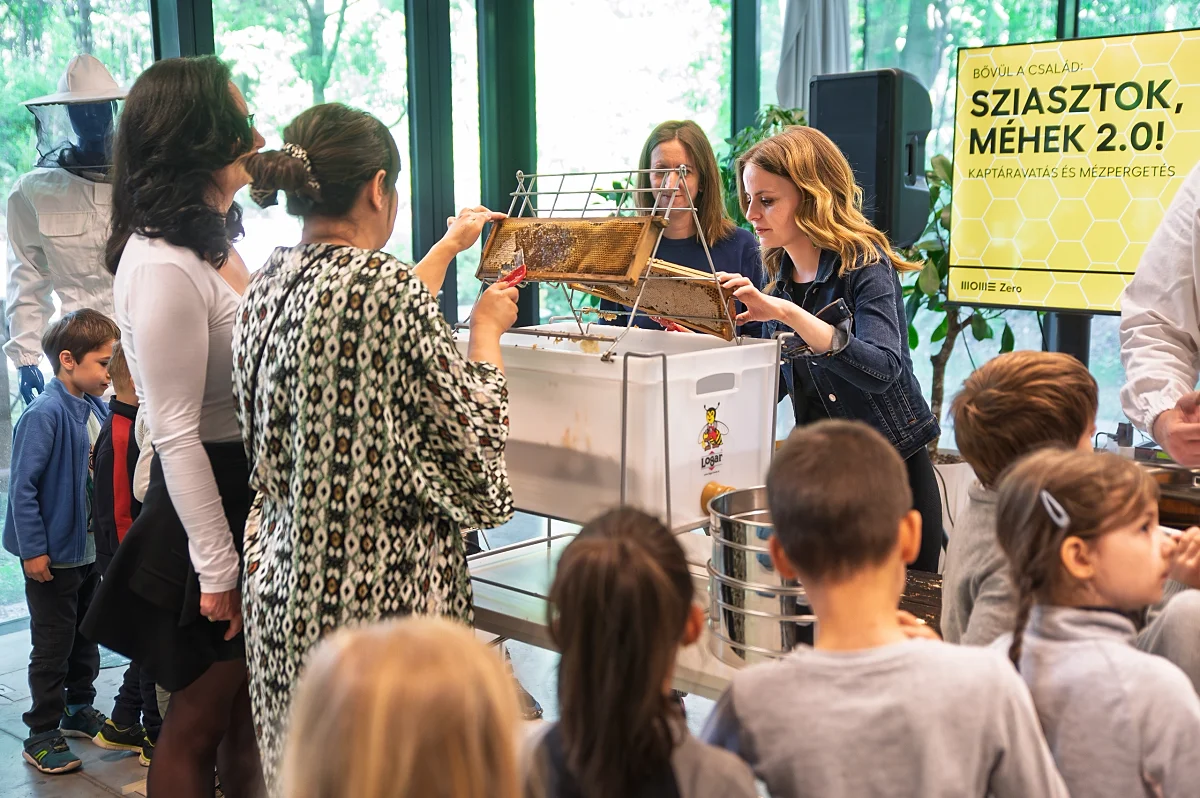
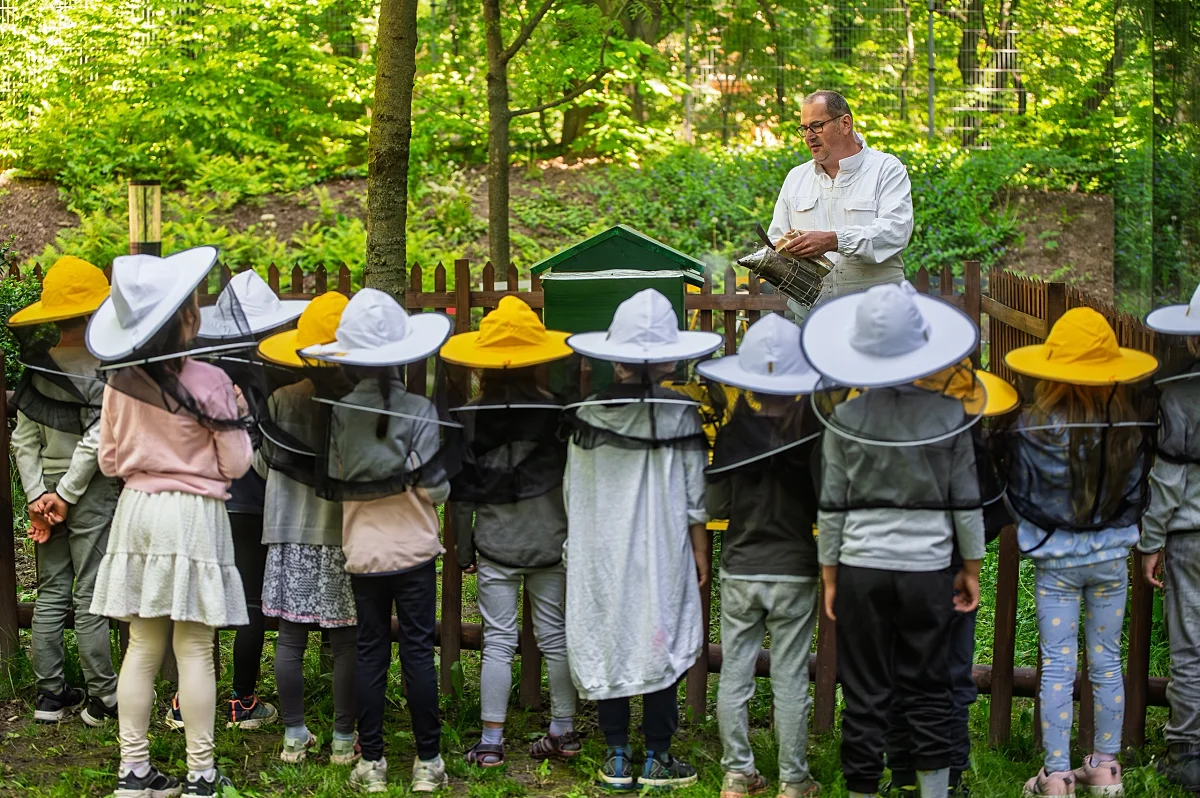
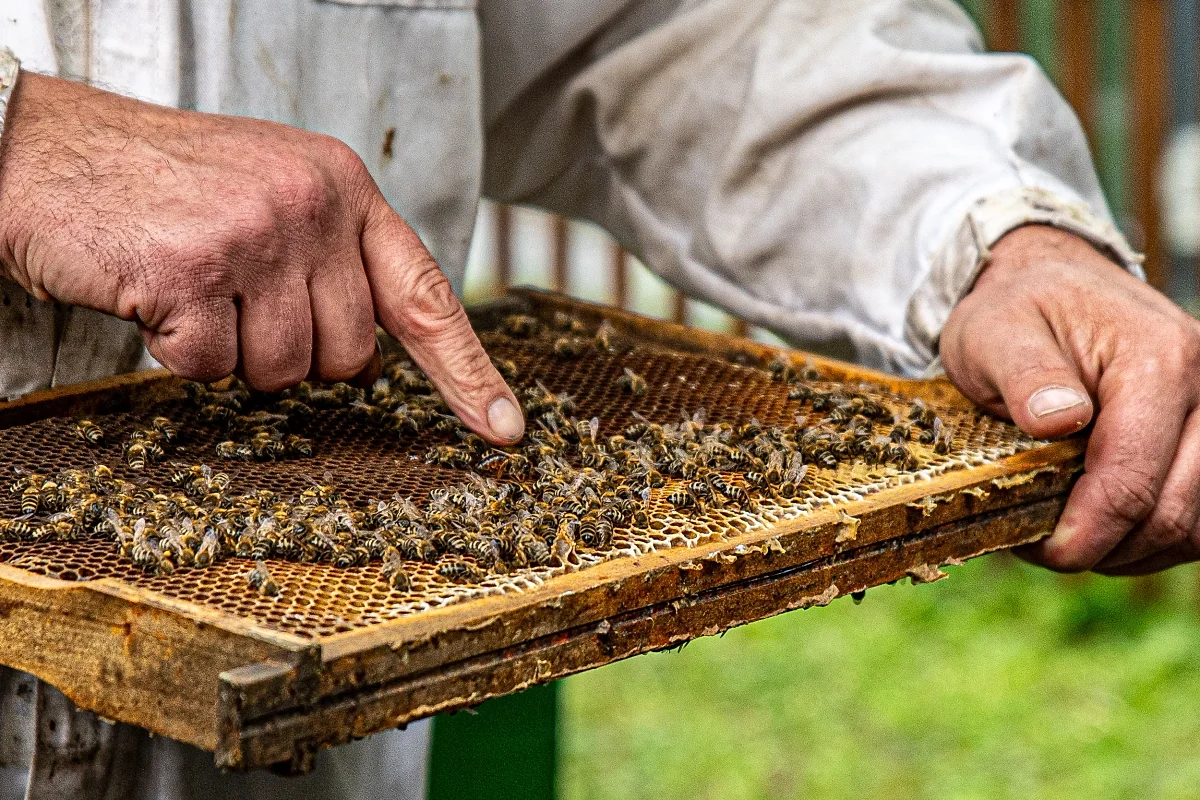
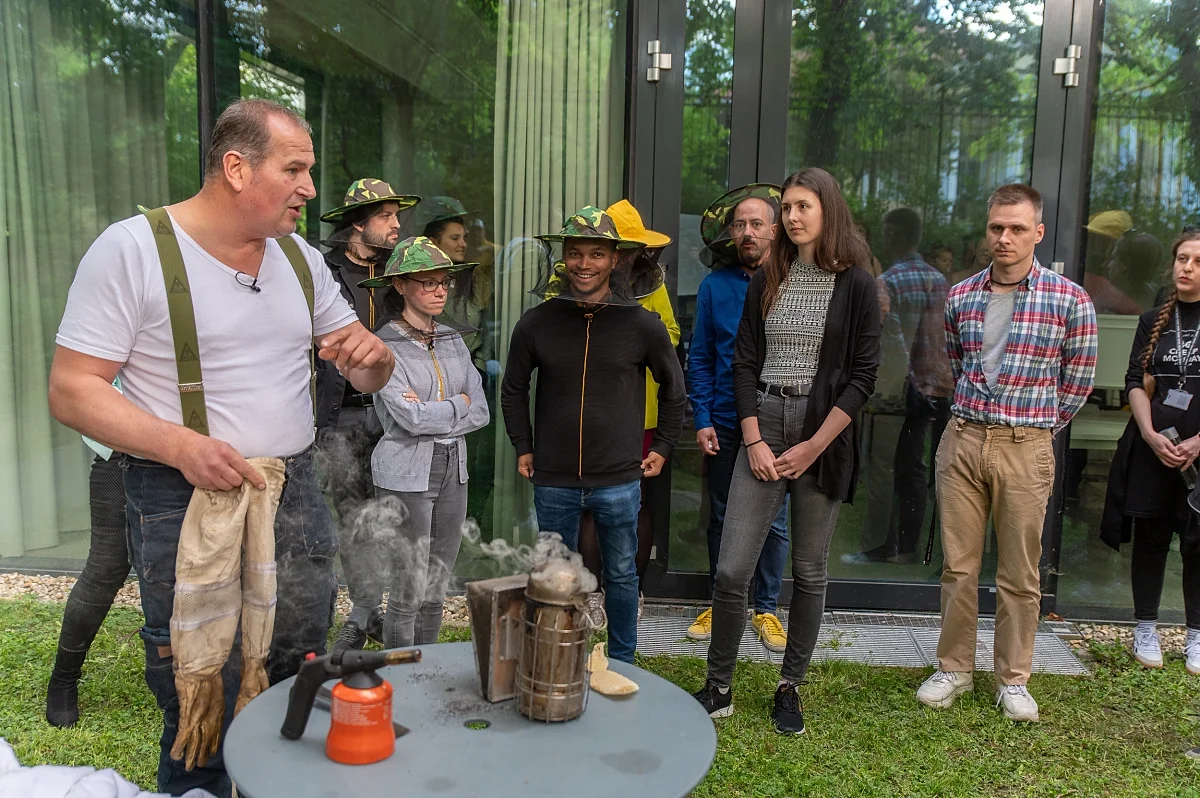
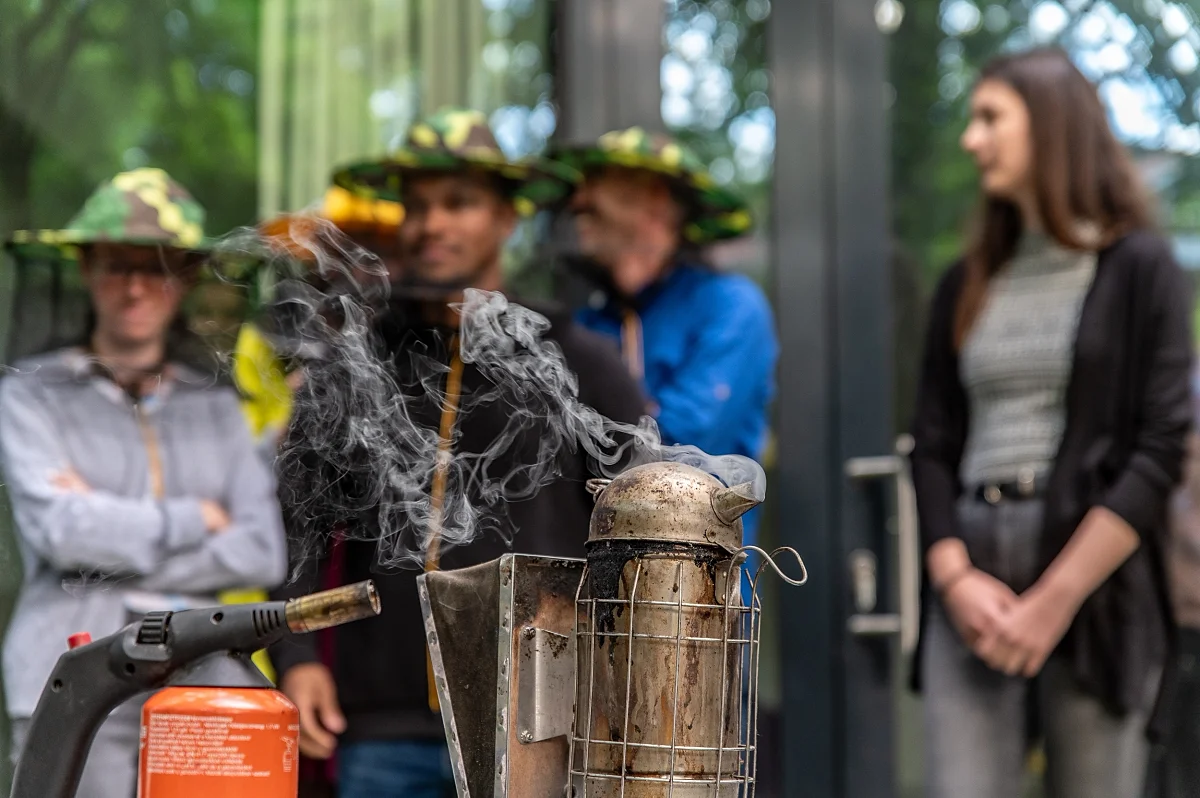
The four colonies produce nearly 200 kilograms of honey each year, along with propolis and beeswax, supporting a range of educational projects and creative activities. Community events linked to the honey harvest also give not only students and staff, but also local school and nursery groups a first-hand introduction to beekeeping.

Honey varieties
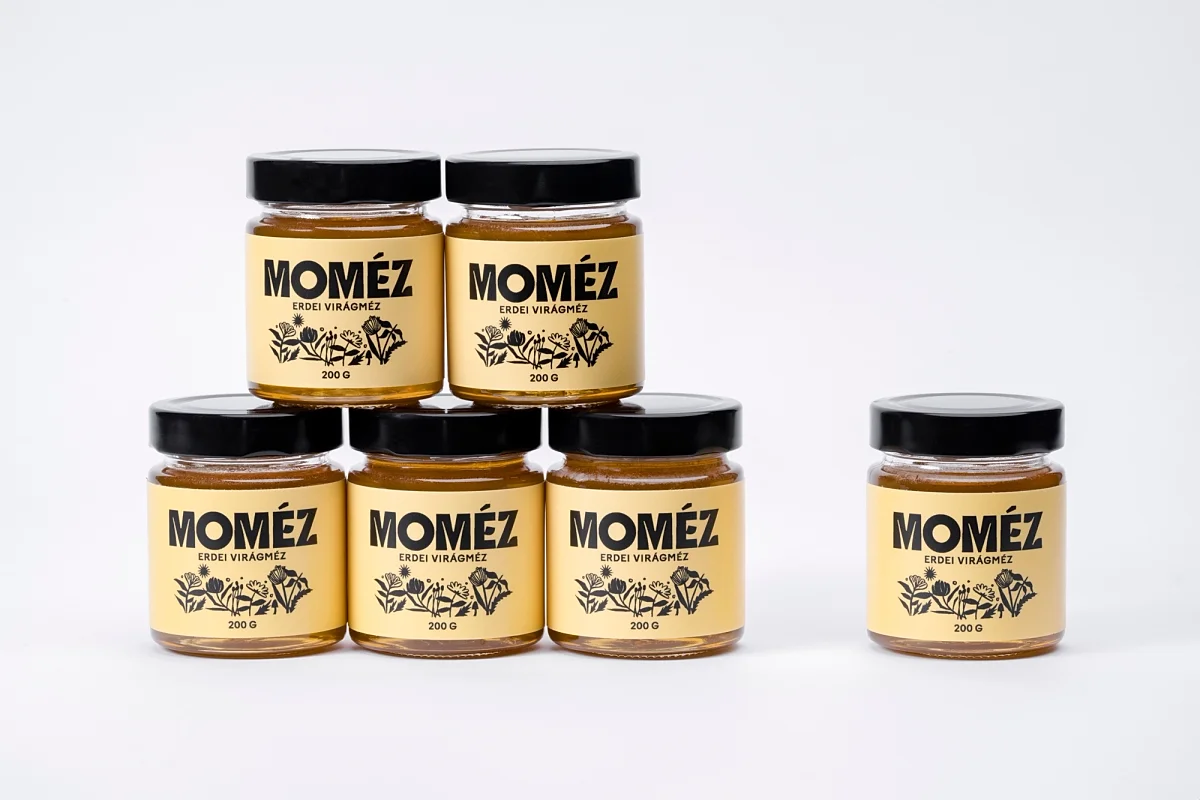
Forest flower honey

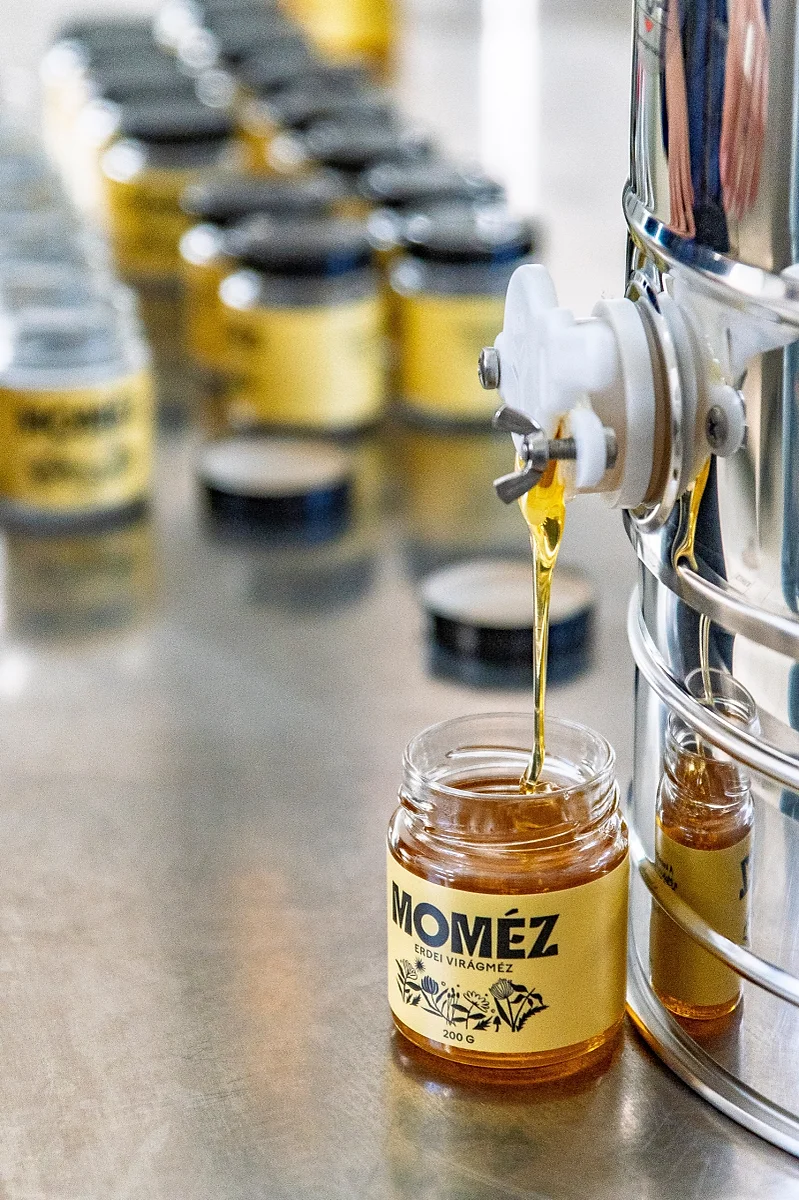
The 2024 vintage MOME honey is a true representation of the Buda terroir, with a high mineral content, produced from honeydew, linden, and the pollen of plants blooming in the meadows of Normafa. It is delicious on its own, pairs excellently with cheeses, and makes a great ingredient for salad dressings and meat sauces. Available in a 200-gram jar, this delicacy is the product of the first honey harvest in June.
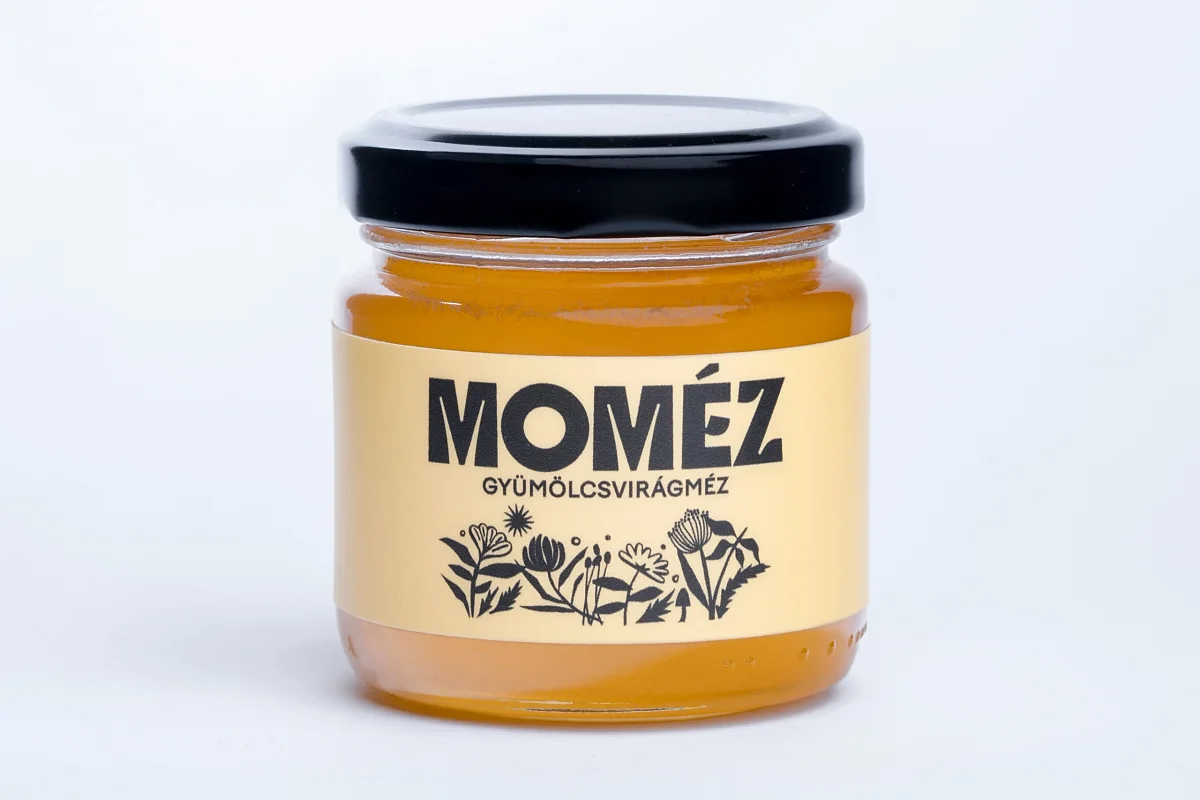
Fruit Blossom Honey

This variety is made from nectar collected from spring-flowering fruit trees – cherry, sour cherry, apple, and pear – growing in the gardens of Buda. Compared to forest flower honey, it has a subtler, more delicate flavour, harmoniously blending fruity notes with a hint of almond. As of the May 2025 harvest, it’s now available in the MOME pantry in both 106 ml and 40 ml jars.

News
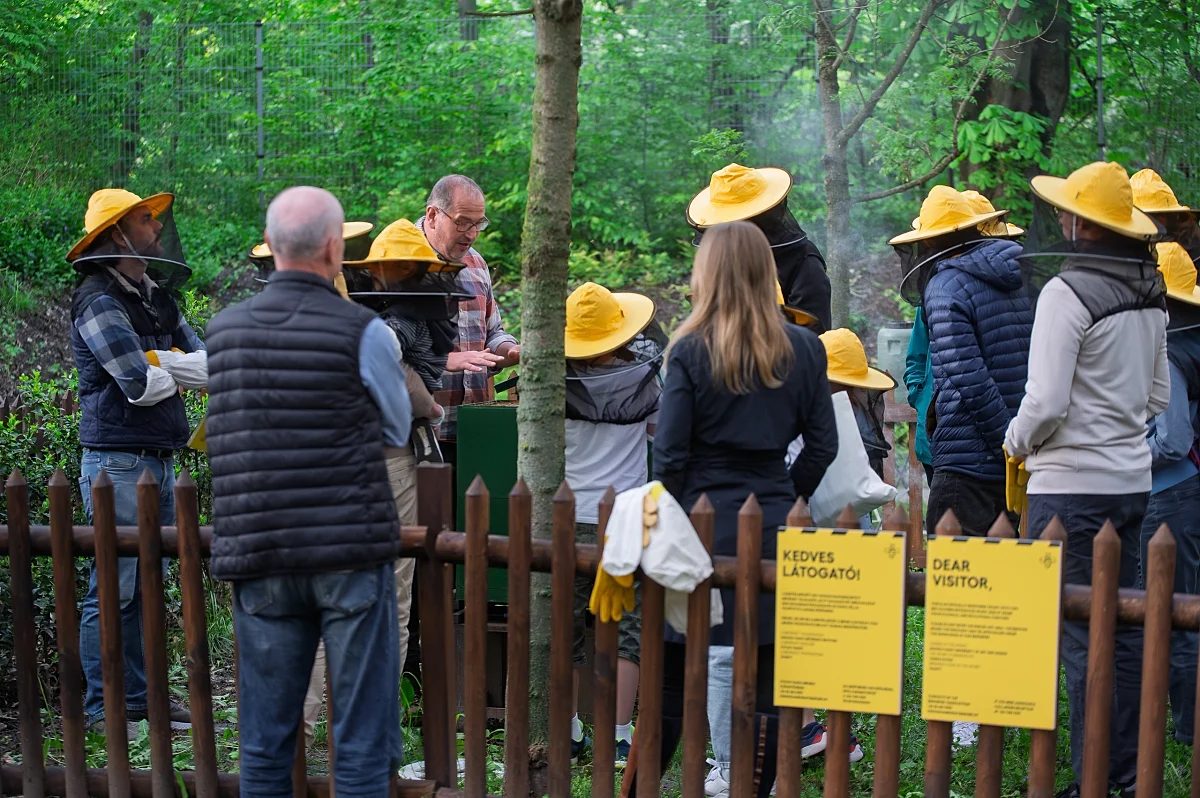
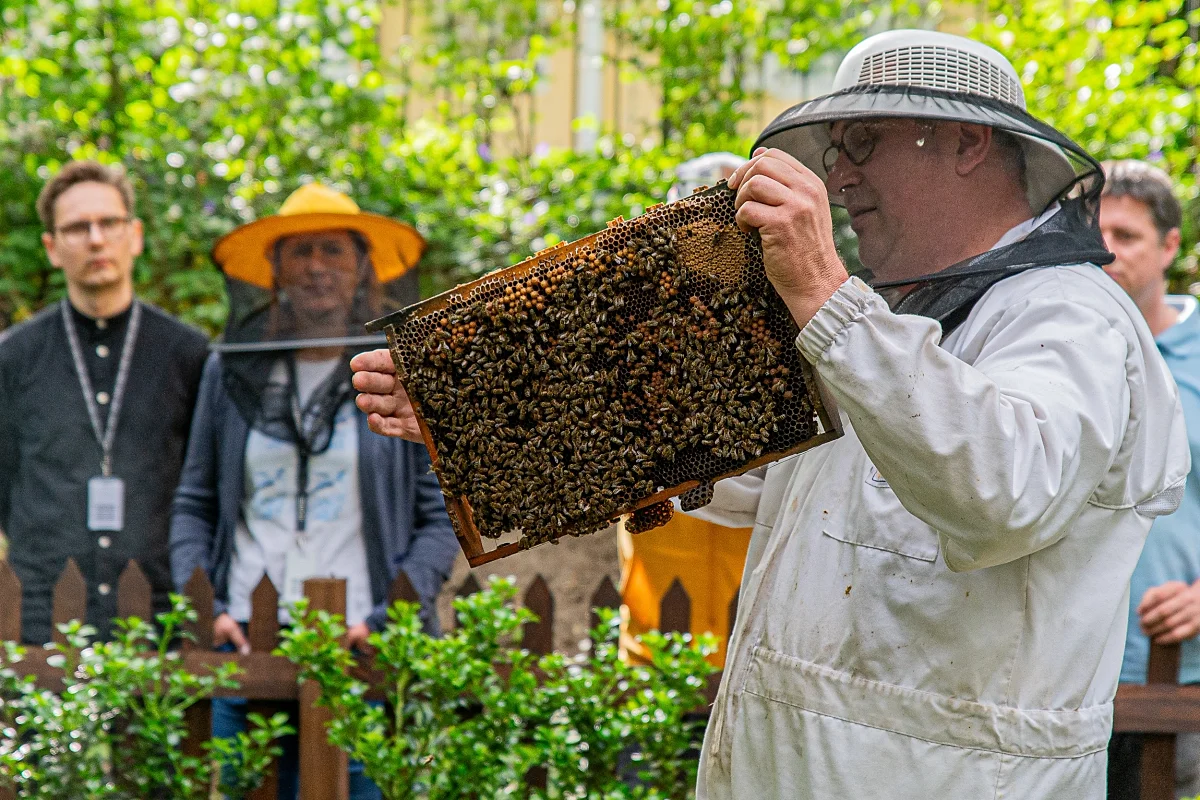
What plants are pollinator magnets, and what should we do to create a bee pasture in our garden? These and similar questions were addressed by the Pollinator-Friendly Programme of the Hegyvidék Local Council, which has MOME as a partner. Visitors were treated to a special seed mix sale, engaging talks on the subject, and a peek into the MOME beehives.
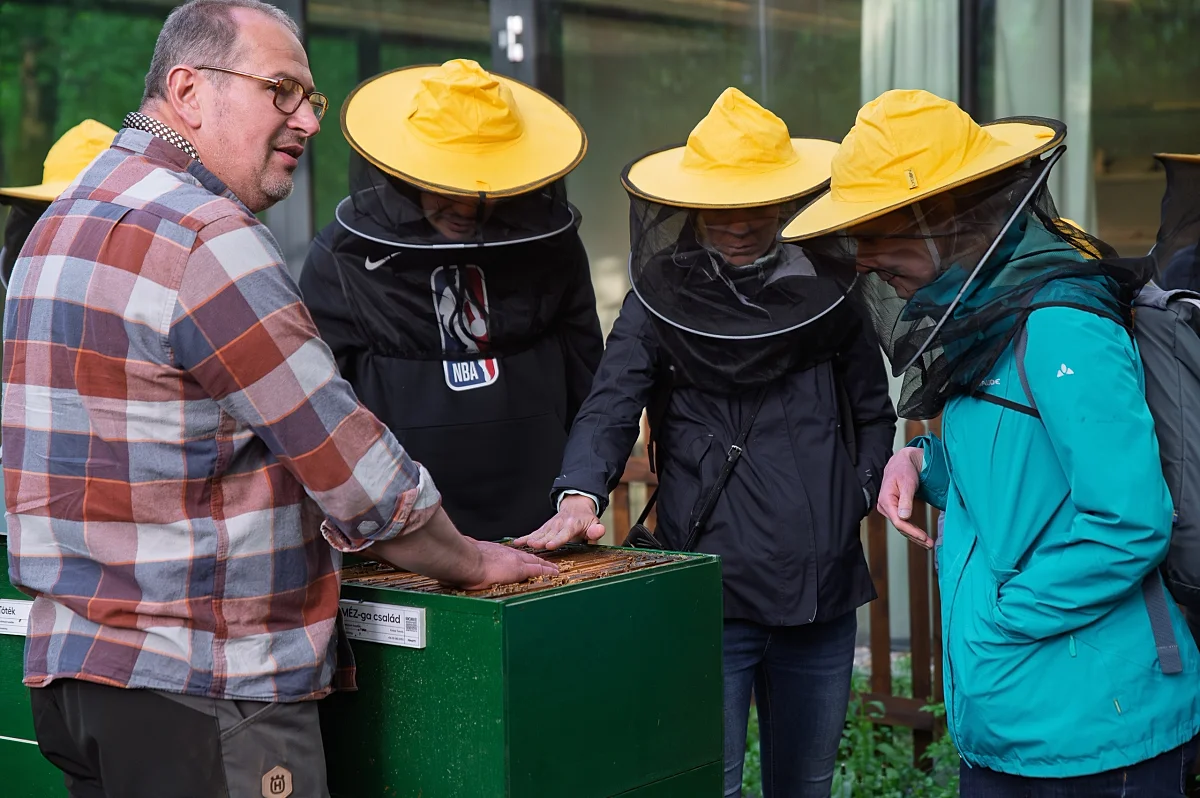
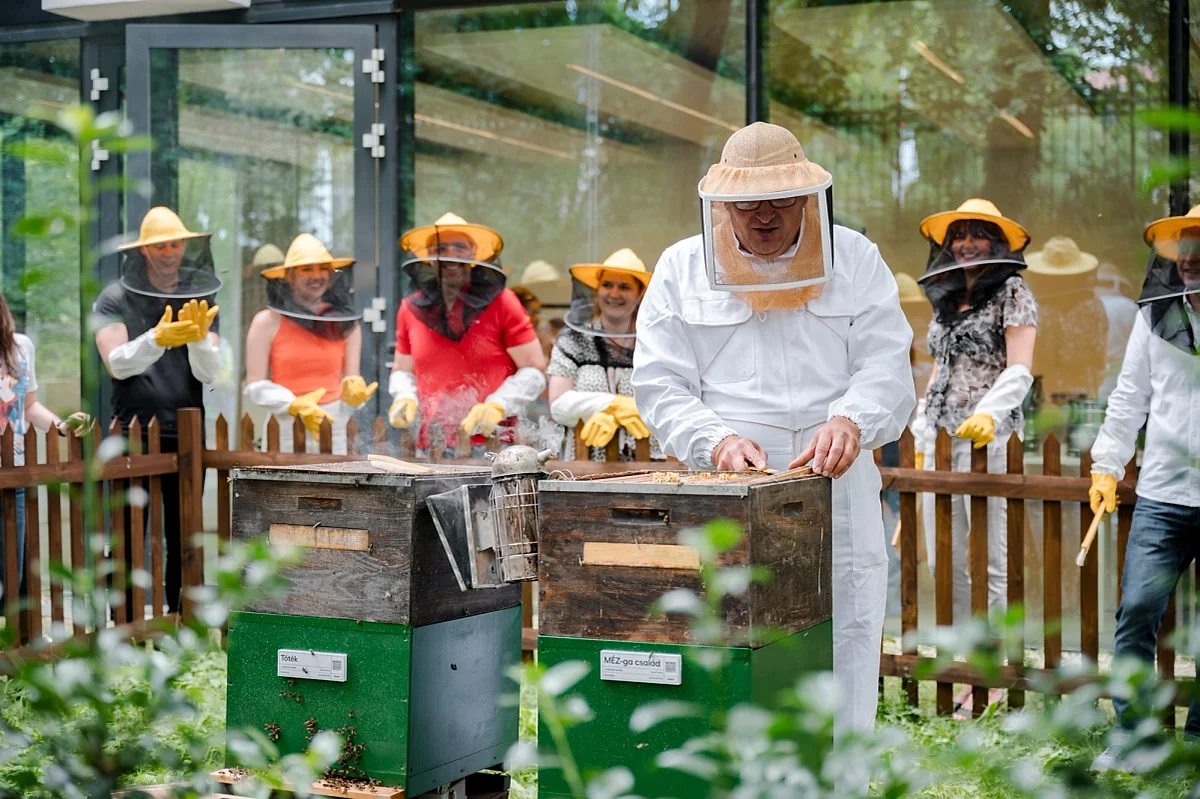
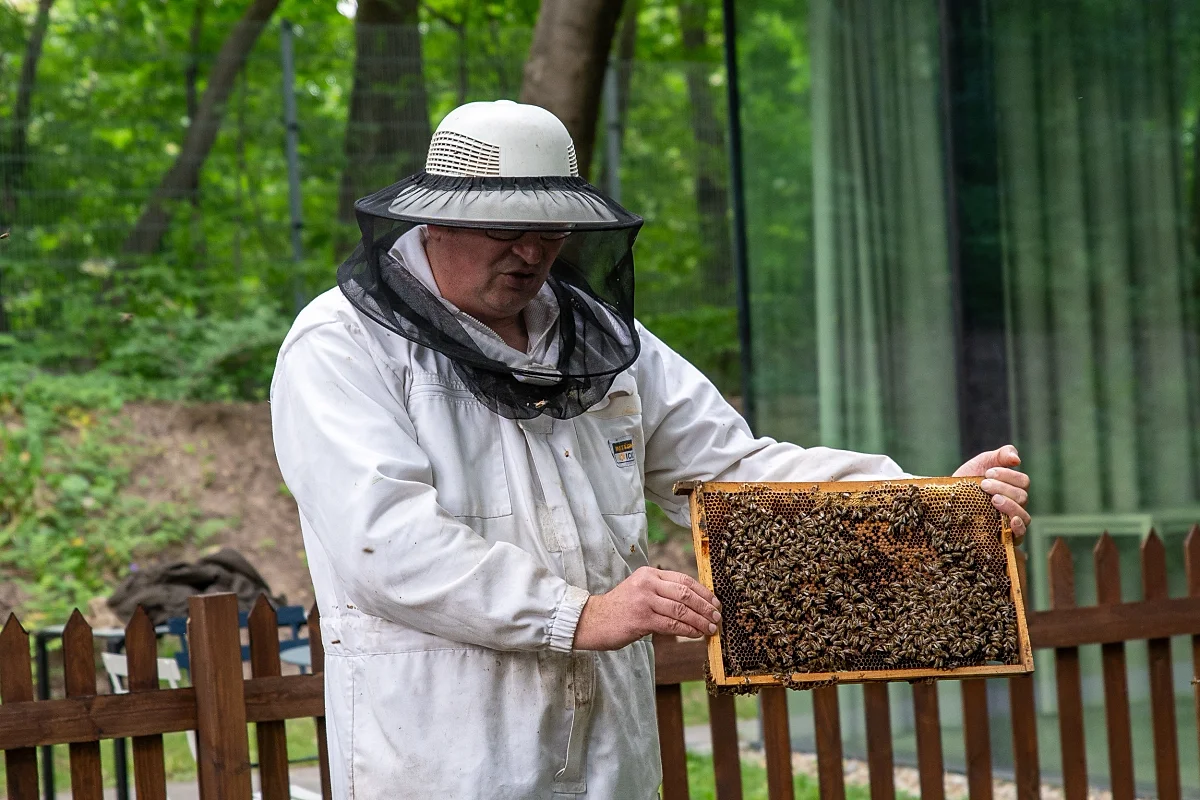
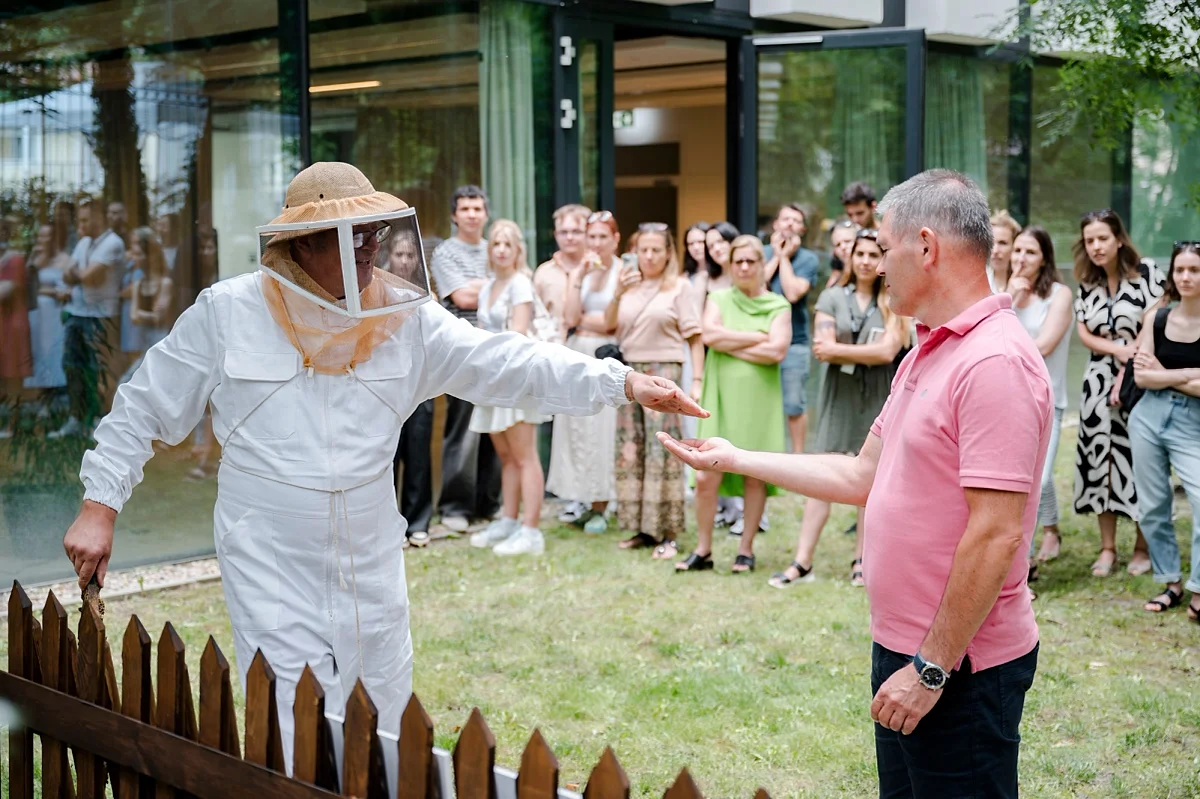
Established last year for ecological and educational purposes, the MOME Apiary has welcomed two new colonies: on 30 April, during Bee Day, the Mézengúz and Pempő families were added to the Tót and Mézga families, collectively benefitting the local ecosystem. The event was both a community celebration and a popular science educational experience, with participants able to harvest fresh fruit blossom honey.
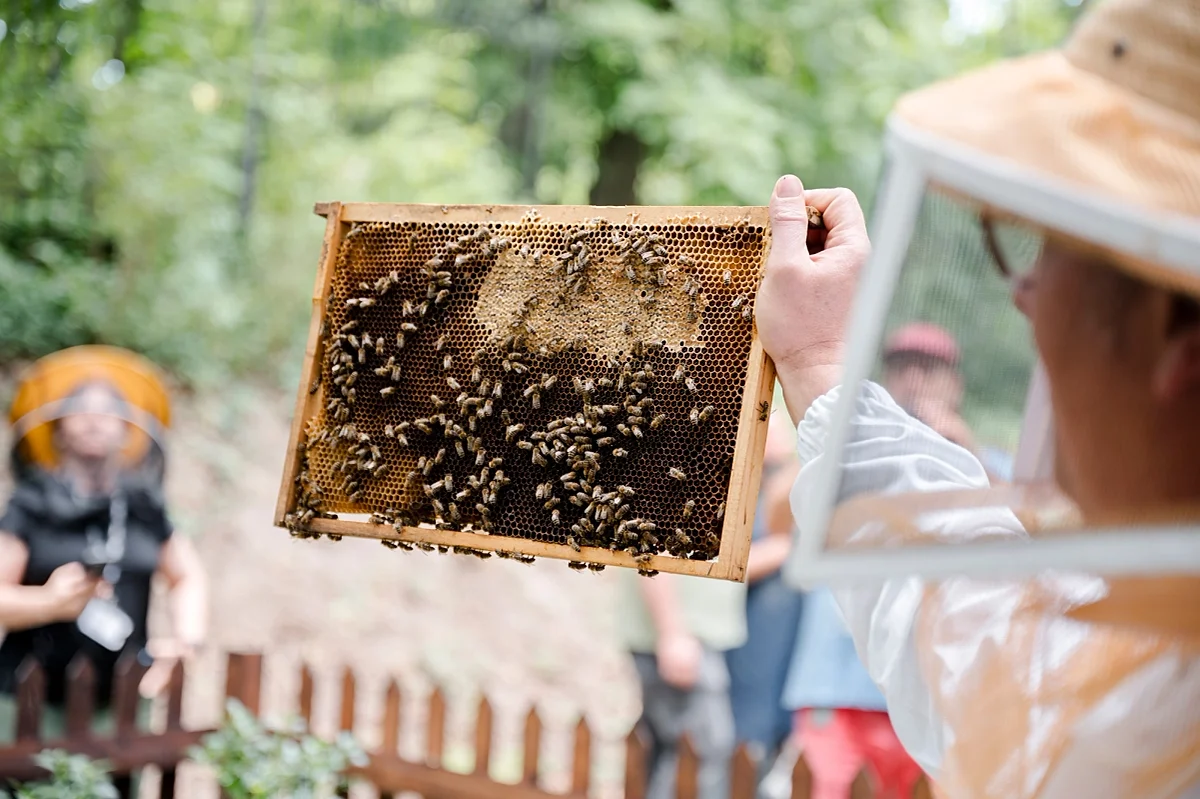
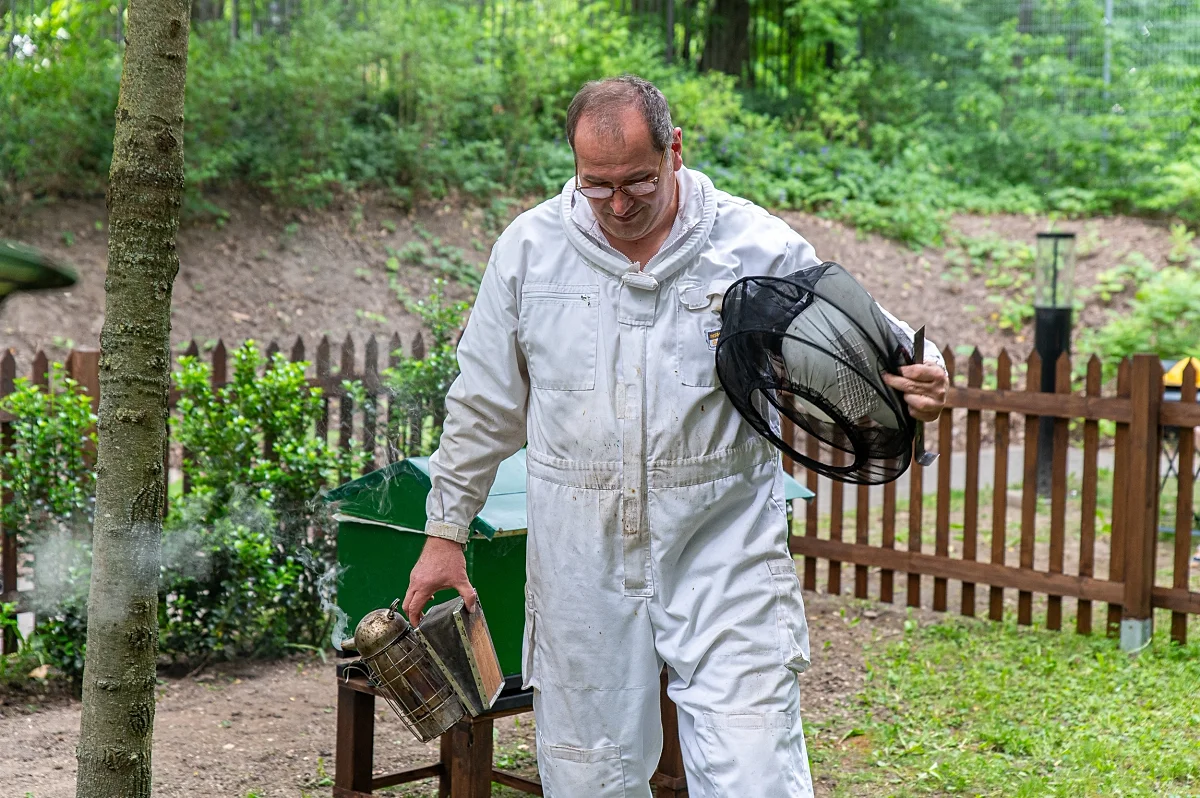
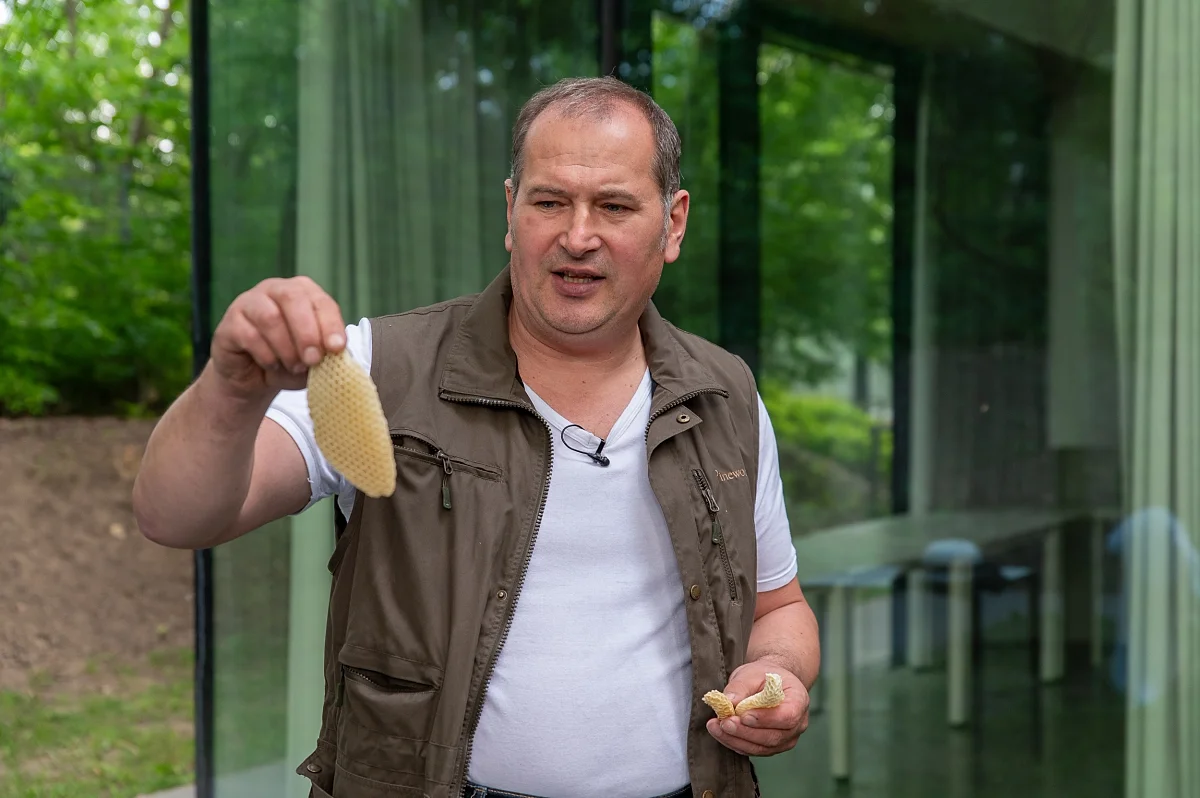
At the MOME Campus, we recently had a honey harvest! Two bee families named Méz-ga and Tóték settled on the campus and diligently produced already 40 kg of forest flower honey over a month. With the help of certified beekeeper Tamás Kutasi, the university community extracted the 'MOME-honey' and collected beeswax and propolis during the first honey harvest.
Functioning also as a public park, the eco-conscious MOME Campus garden is now officially home to a small bee population. By taking in two bee colonies – nicknamed the Tót and the Mézga Families – the MOME community contributes significantly to preserving the natural environment of the area.

Map

Photos

Got a question?

MOME’s official beekeeper
Name
Tamás Kutasi, certified master beekeeper
E-mail
kerdezdameheszt@mome.hu
Member of the European
Network of
Innovative
Higher Education Institutions
9 Zugligeti St,
Budapest, 1121