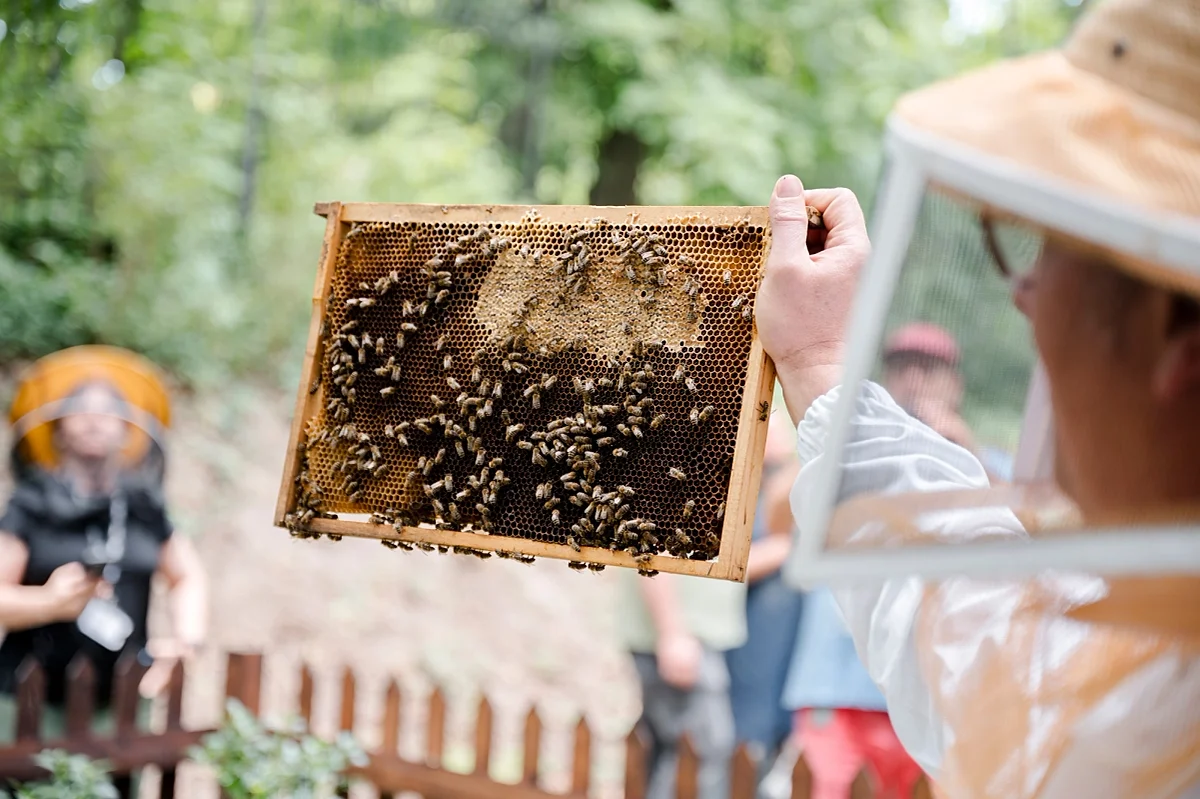
Honey harvest at the MOME: the two bee colonies produced 40 kg of forest flower honey!

Date: 2024.05.23
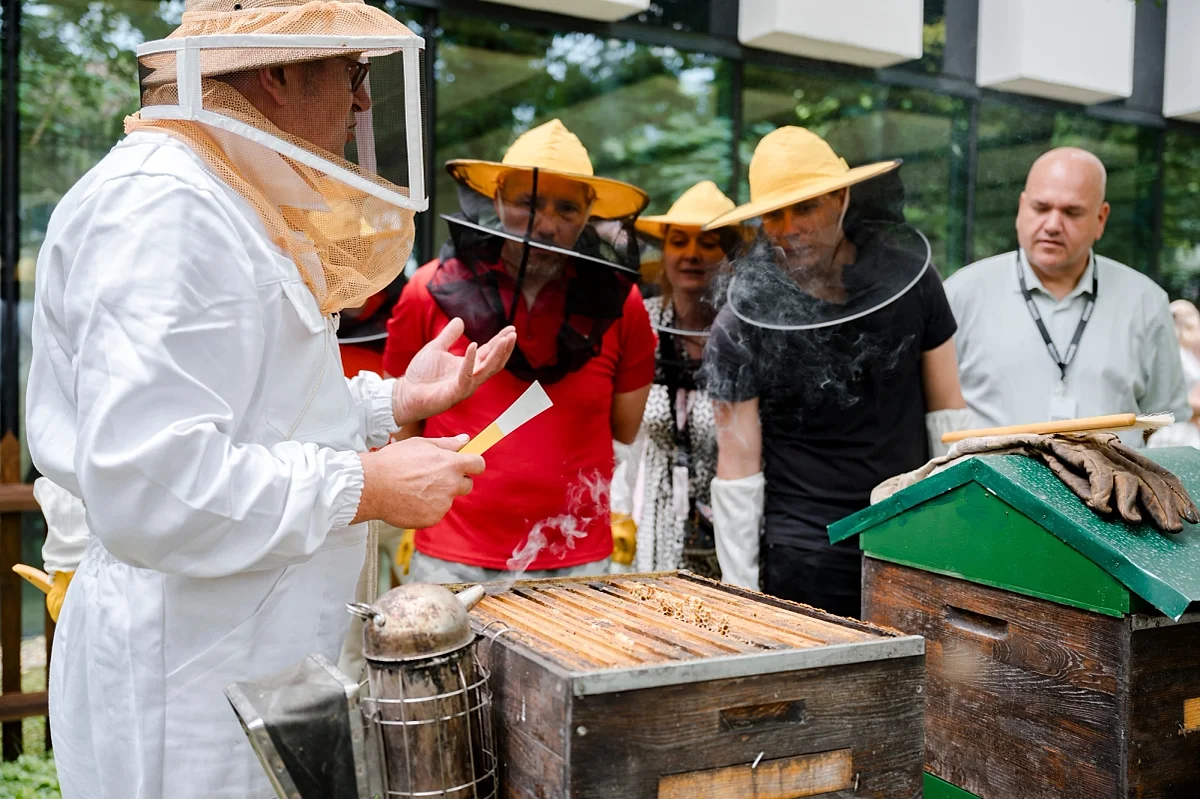
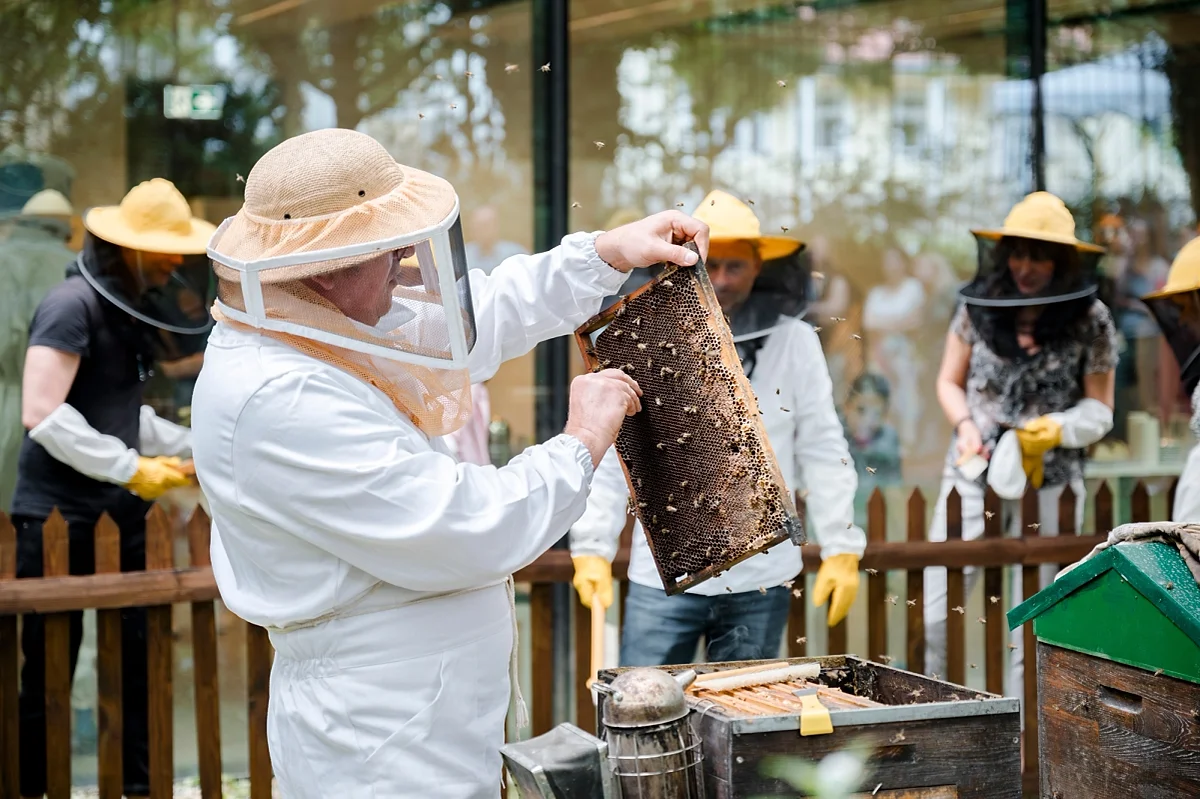
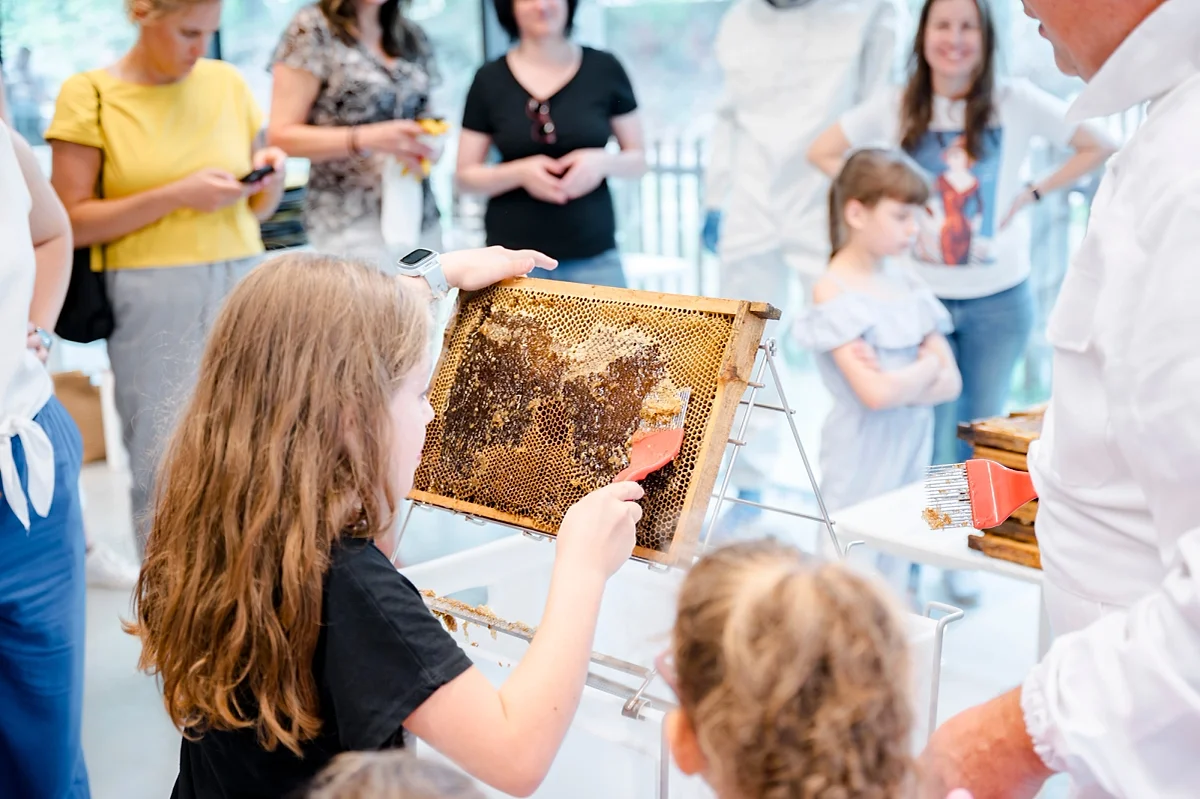
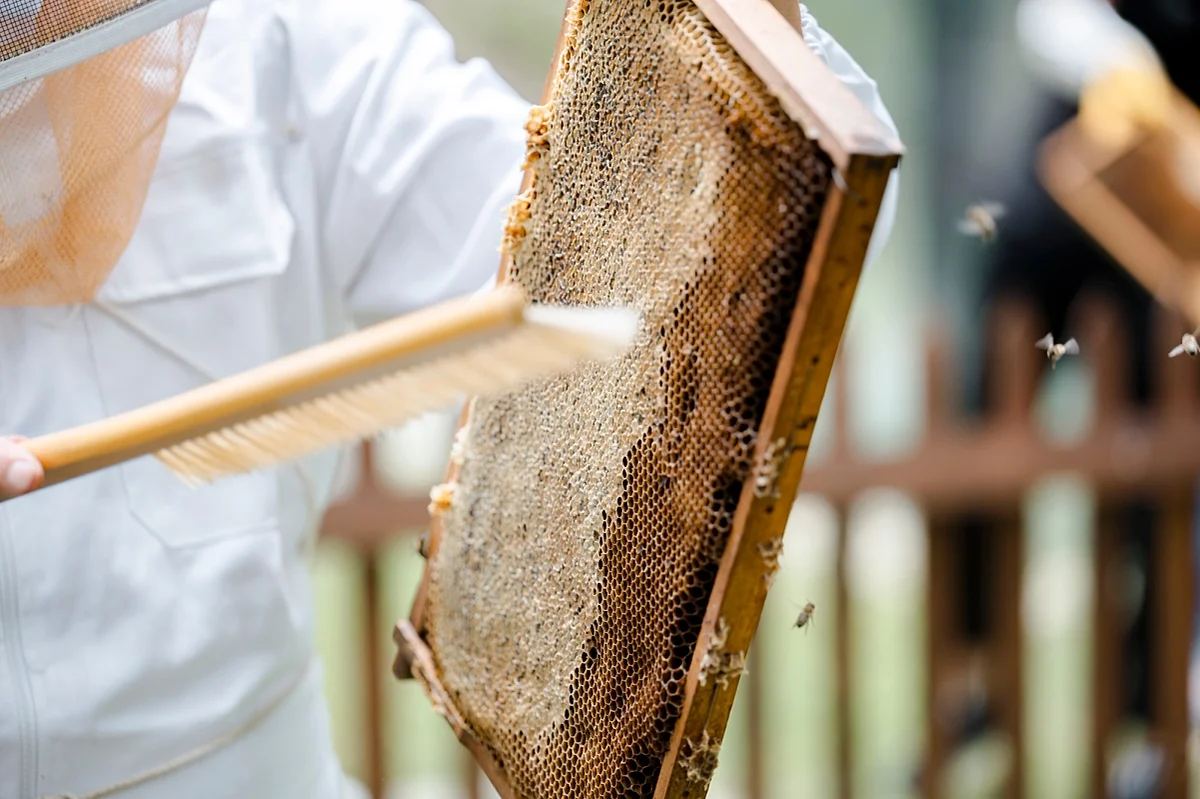
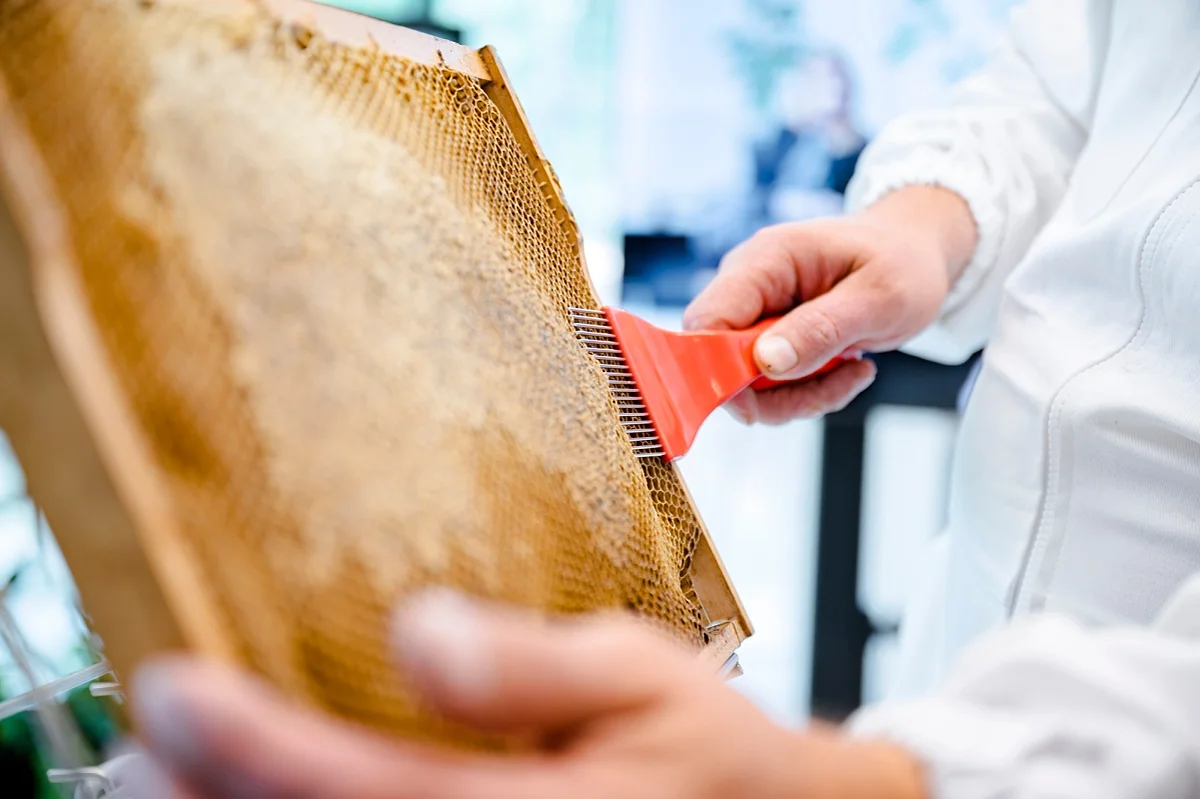
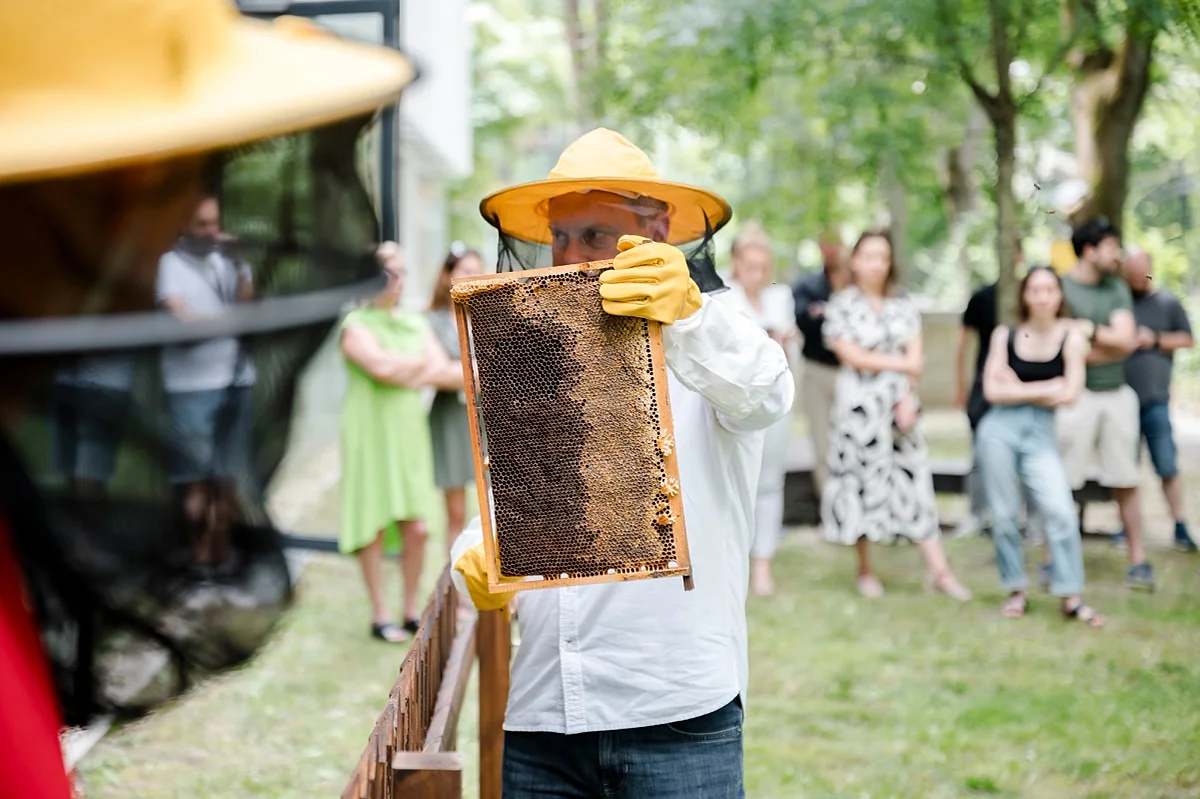
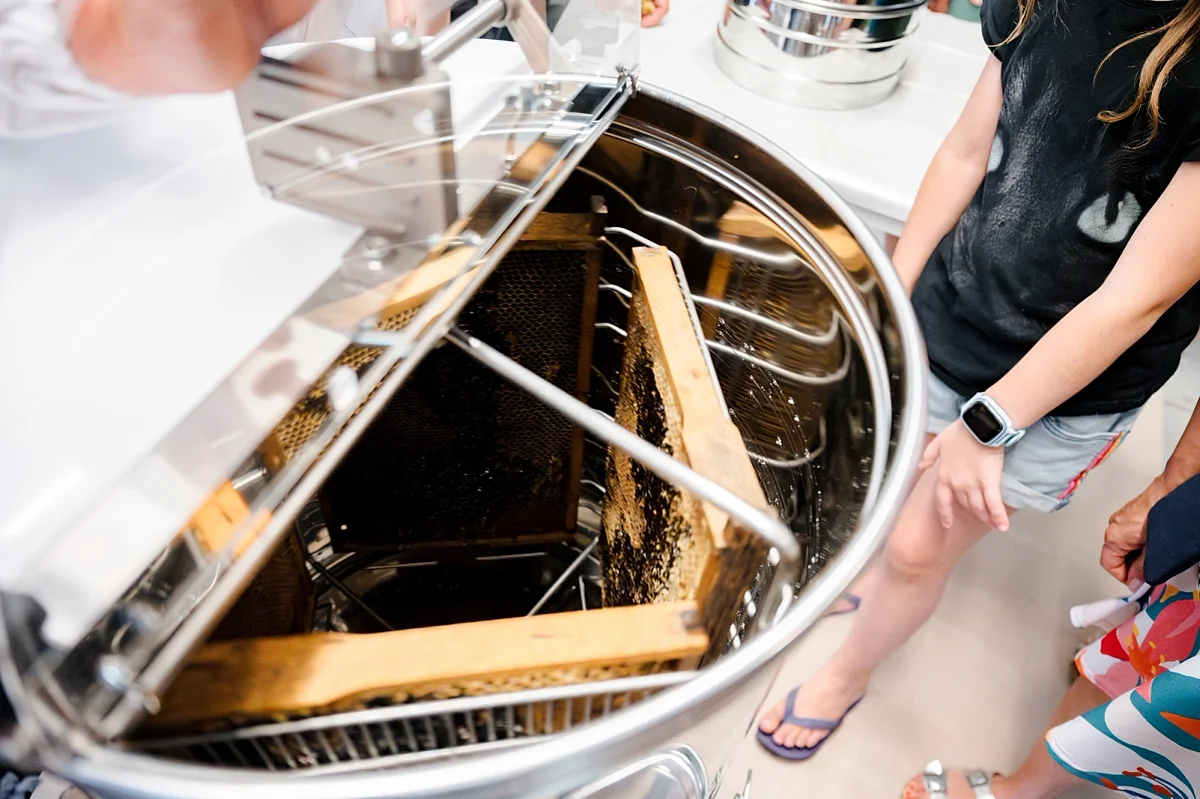
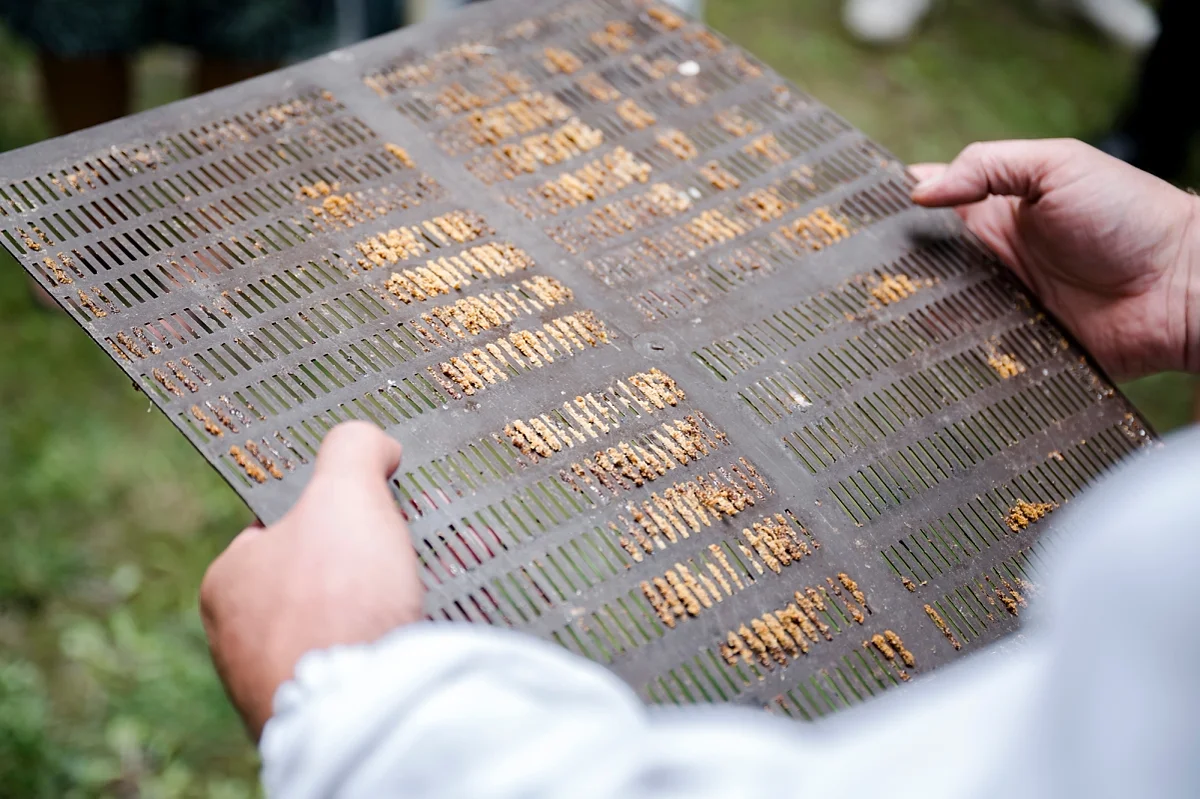
At the MOME Campus, we recently had a honey harvest! Two bee families named Méz-ga and Tóték settled on the campus and diligently produced already 40 kg of forest flower honey over a month. With the help of certified beekeeper Tamás Kutasi, the university community extracted the 'MOME-honey' and collected beeswax and propolis during the first honey harvest.

During the beehive viewing event, the university community had the opportunity to witness the honey collection up close and even participate under the supervision of MOME's official beekeeper.

We have brought these bee colonies for ecological and educational purposes, with the expectation that they will produce nearly 100 kg of honey each year. We plan to organize workshops for honey extraction five times a year. During these workshops, we will collect honey together with our students.

As a result of spinning the honey, we will soon surprise our students and colleagues with homemade honey. Our students will also use the beeswax for their work.

By accommodating these pollinators, the MOME community actively contributes to a healthier world and helps the natural environment.
More news
A 2026. április 12-i választással egyértelmű és megkérdőjelezhetetlen felhatalmazás született a tudományos szabadság és a felsőoktatási autonómia maradéktalan helyreállítására, valamint a szférának az Európai Kutatási és Felsőoktatási Térségbe való visszatérésére. A MOME Szenátusa ezúton kinyilvánítja, hogy élni kíván a változás lehetőségével, ezért a továbbiakban autonómiájának újjáépítésén fog dolgozni.
"A rajzokban ott marad a mozdulat, a történetekben ott marad a lélek." A Moholy-Nagy Művészeti Egyetem közössége, az Animáció szak oktatói, jelenlegi és volt hallgatói fájó szívvel és megrendülten búcsúznak egykori hallgatónktól, Kádár Klaudiától, a végtelenül érzékeny, mély intellektussal és finom látásmóddal megáldott fiatal alkotótól.
What happens when it is not adults, but secondary school students, who begin thinking about the future? Ten student teams presented their ideas at this year’s final, with participants reflecting together on the kinds of relationships that humans might develop with technology and nature twenty years from now. This year’s theme was the forest. The visions presented by the participants touched on climate change, urban life, automated systems, collective responsibility, and the possibility of reconnecting with nature. First prize from the jury went to Sketch Squad, with dECO taking second place and Erdei Remeték third. Seven special prizes were also awarded at the final, recognising the different strengths, approaches, and community values of the submissions.
Member of the European
Network of
Innovative
Higher Education Institutions
9 Zugligeti St,
Budapest, 1121