Hungarian visual culture should become part of the AI universe
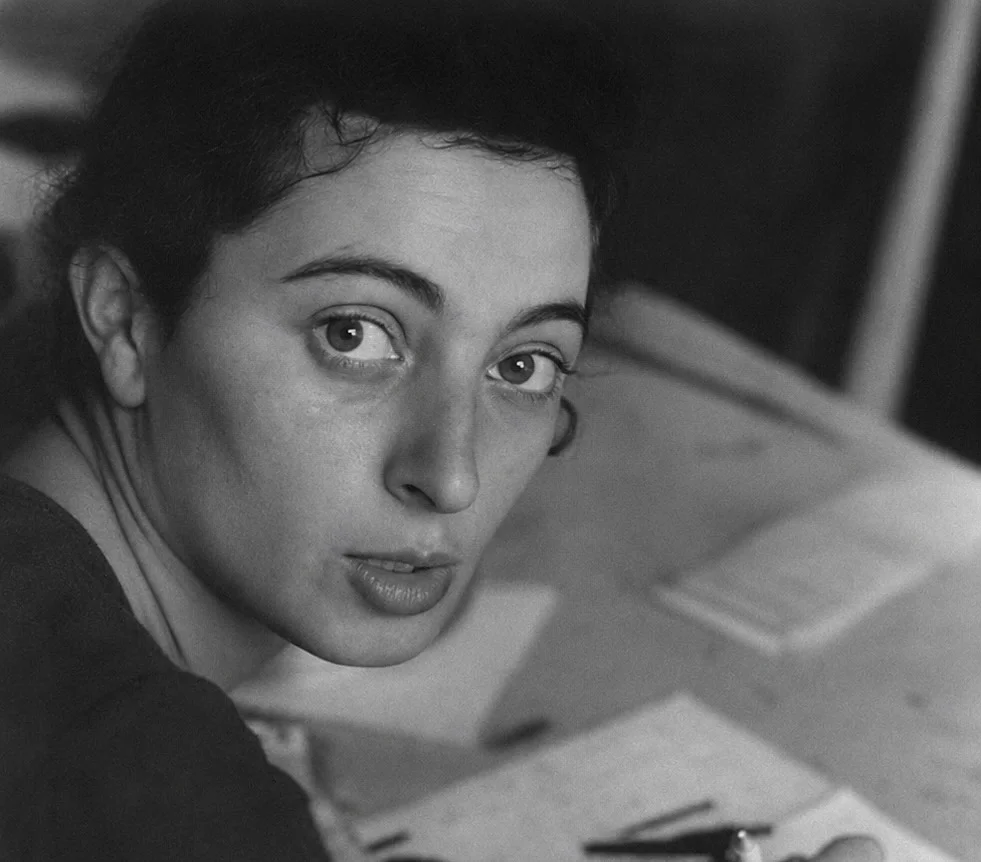
For almost twenty years, Brigitta Iványi-Bitter has been involved in contemporary Hungarian and European art (film, video, painting, and graphic design). She earned her PhD from ELTE’s Film, Media, and Contemporary Culture PhD Program, with a thesis analysing the Hungarian animation tradition. Her work includes a landmark research project, exhibition, and book dedicated to the oeuvre of György Kovásznai.
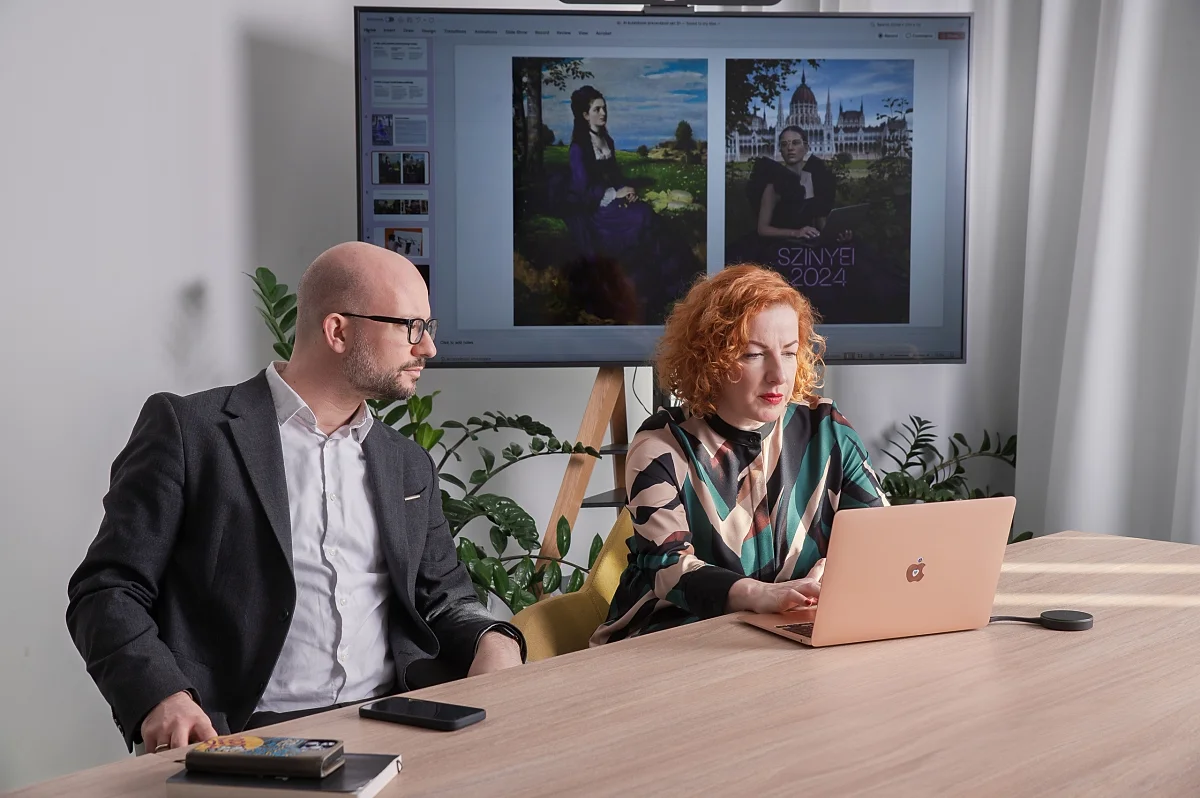
After a five-year stay in Canada, she returned to Hungary with her family and joined the MOME community at the end of 2024. In addition to her teaching role, she is now leading a groundbreaking research and development initiative. This project focuses on incorporating less globally dominant visual cultures, such as Hungarian visual heritage, into the learning processes of major image- and video-generating software. Currently, text-to-image and text-to-video tools cannot reliably produce images that reflect Hungarian cultural references, a limitation that also affects other communities of similar size. The development is intended to result in an application ensuring that the visual heritage of underrepresented cultures is integrated into the content generated by AI tools. The goal is for AI to bring the works of Hungarian artists like József Rippl-Rónai and György Kovásznai to life with the same accuracy as it does for globally renowned figures like Pablo Picasso and Walt Disney.
“It’s truly exciting that a university in Hungary is leading the way in ensuring Hungarian visual heritage is faithfully represented in AI systems. I’m thrilled to work together with the MOME community to explore how future designers and artists can use Hungarian visual heritage with the help of AI tools drawing on reliable sources to create new visual worlds,” said Brigitta Iványi-Bitter.
The academic community will soon have the chance to explore the project in more detail at an upcoming professional symposium. Through dedicated courses and an internship programme, over forty students and doctoral students at MOME will have the opportunity to become actively involved in the initiative.

More news