Who cares about Visitors? - professional symposium 2024.05.29.
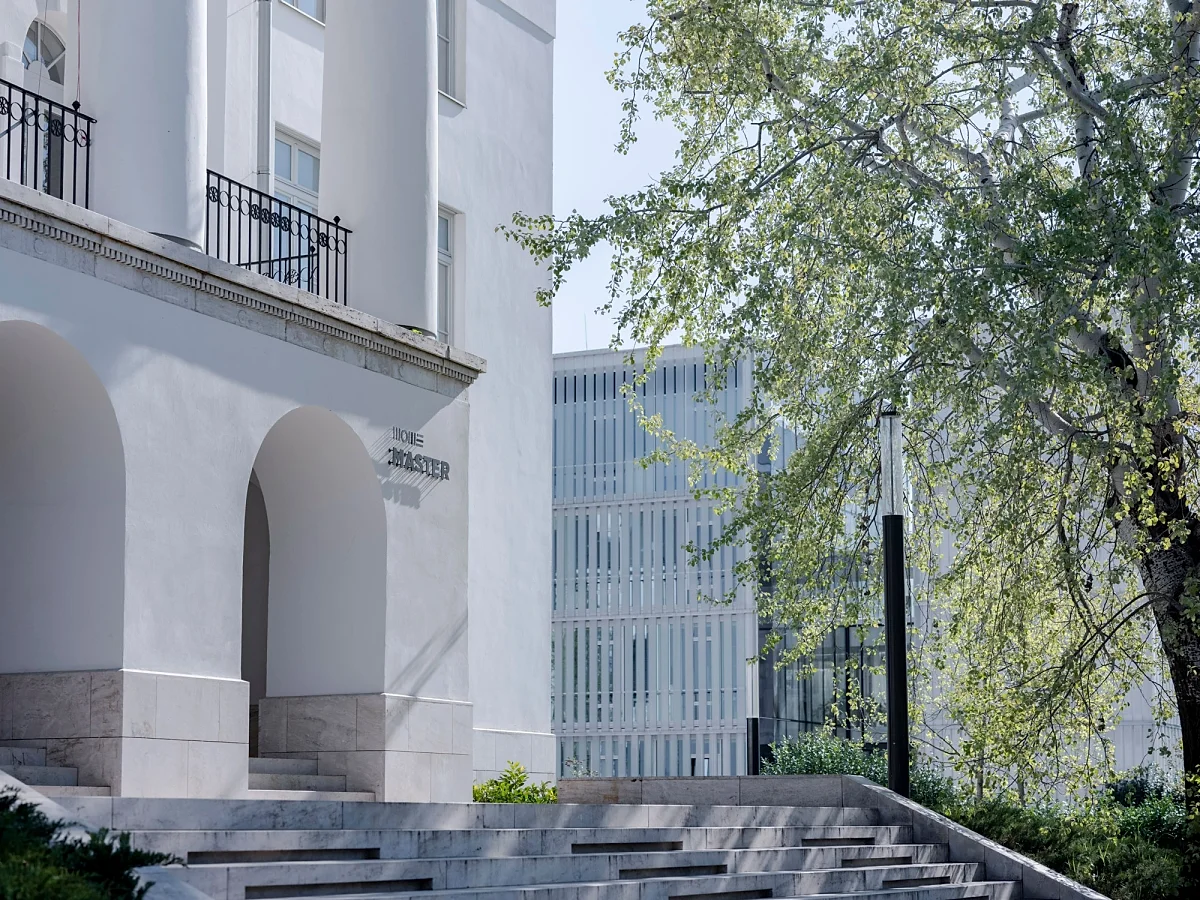
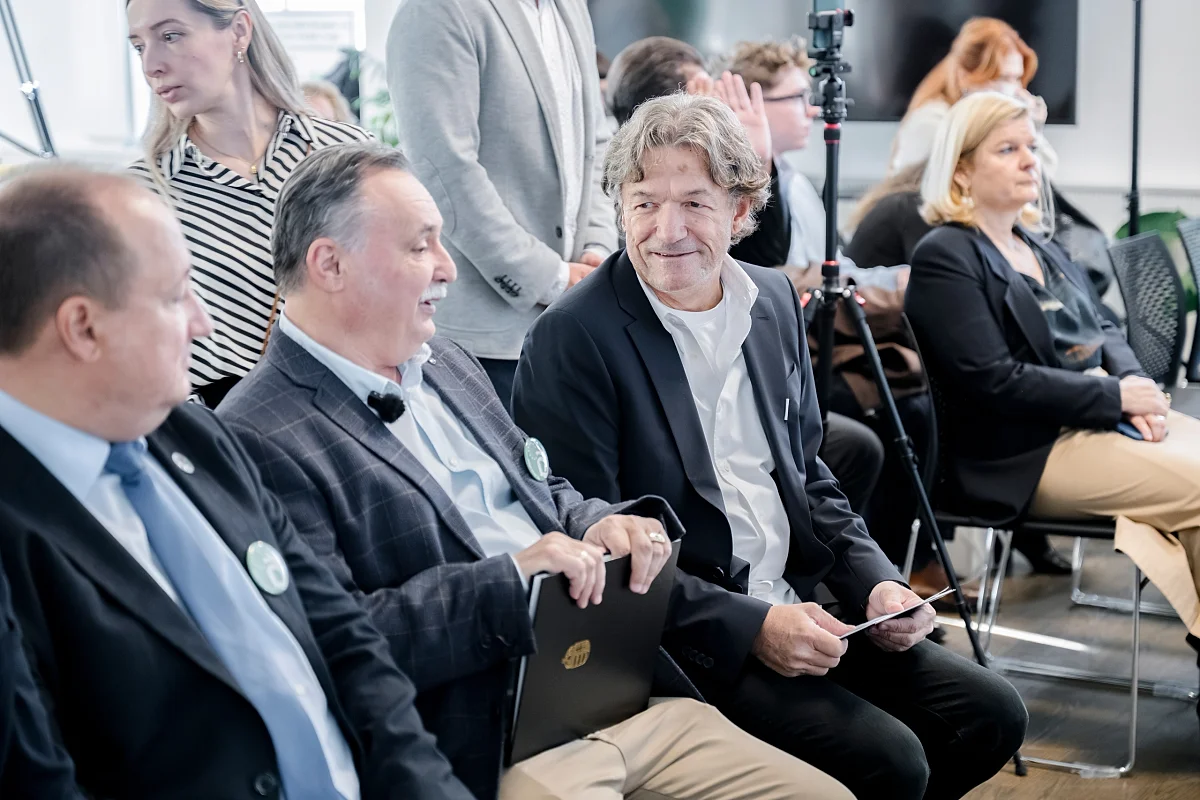
At the event hosted on the MOME campus, seventy participants took part in a full day of professional exchange. The detailed programme is available here (in Hungarian). The symposium, dedicated to museum visitor research, was driven by several objectives. Over nearly fifteen years of collaboration with cultural heritage institutions, we have observed a persistent lack of attention and capacity devoted to assessing the return on investment of exhibition applications designed to foster knowledge transfer and visitor engagement. Yet such investigations hold significant value for both museum professionals and creative designers.
Another motivation for organising the event was to showcase the visitor‑research activities currently undertaken within doctoral schools – including at MOME – with the aim of inspiring early‑career researchers and exposing them to emerging methodological approaches.
The symposium also served to draw attention to the recent establishment of our Studio.
The event attracted considerable interest; the number of invitees had to be limited solely due to room capacity. Participants represented the full spectrum of the Hungarian museum and exhibition sector: long‑established and newly founded institutions, both small and large, from metropolitan centres and rural regions, fulfilling a wide range of functions. Alongside them, emerging and established designers, alumni, and students were also present.
During the morning session, young researchers from four doctoral schools presented five recently completed or ongoing research projects. The afternoon session featured invited experts with extensive professional experience – Marianna Berényi, Kinga German and Ágnes Mácsai, Gábor Papp, Judit Bényei and Zsófia Ruttkay, as well as Antal Bodóczky – who explored various dimensions of visitor research, including current challenges faced by museums, research methodologies, data‑collection opportunities afforded by information technologies, the utilisation of research results, and approaches to visitor‑centred, experience‑driven exhibition design.
The audience followed both sessions with keen interest. The day concluded with a World Café‑style discussion, during which participants addressed not only current issues in visitor research but also long‑standing questions, such as how to balance online and offline presence and how to integrate digital and analogue interpretive tools effectively.

More news