Urban memory, caring spaces, and digital culture – MOME Diploma Exhibition 2026
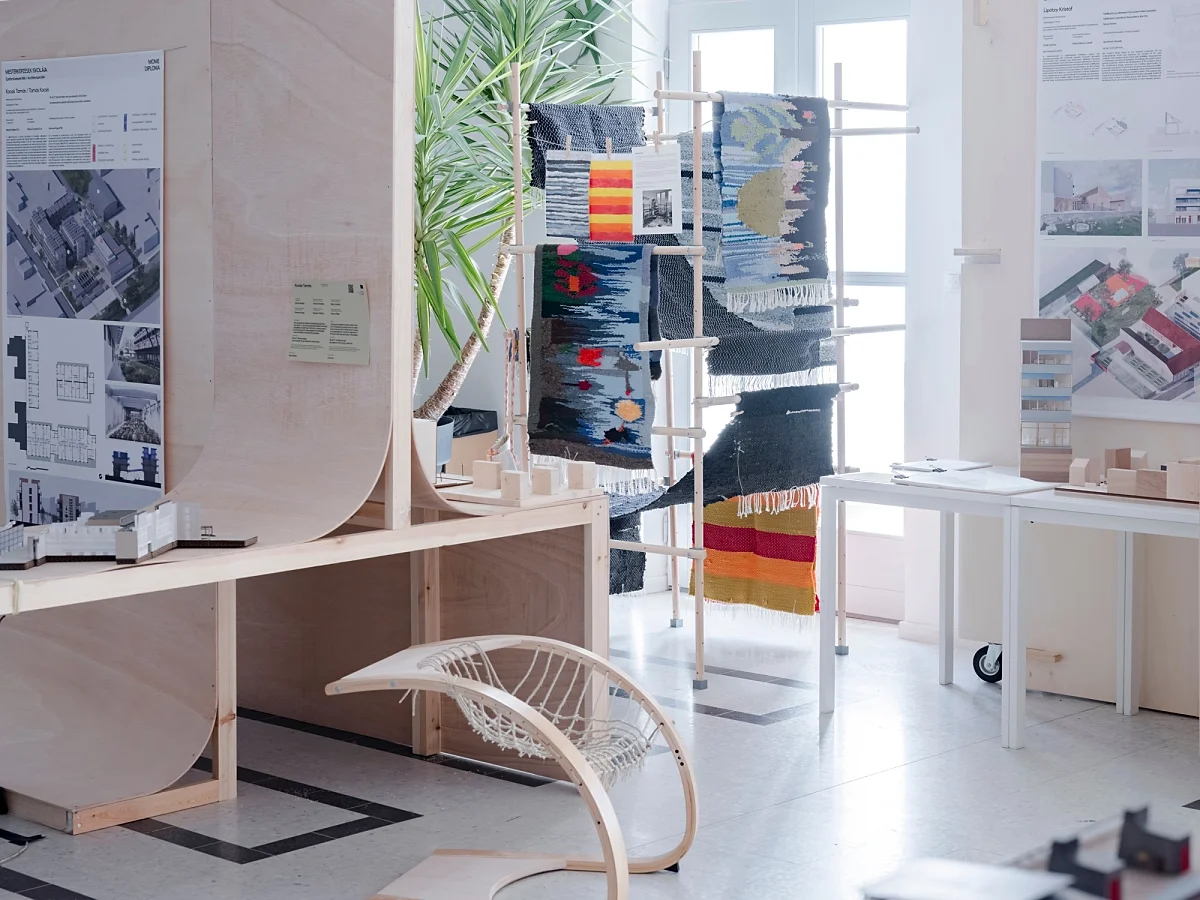
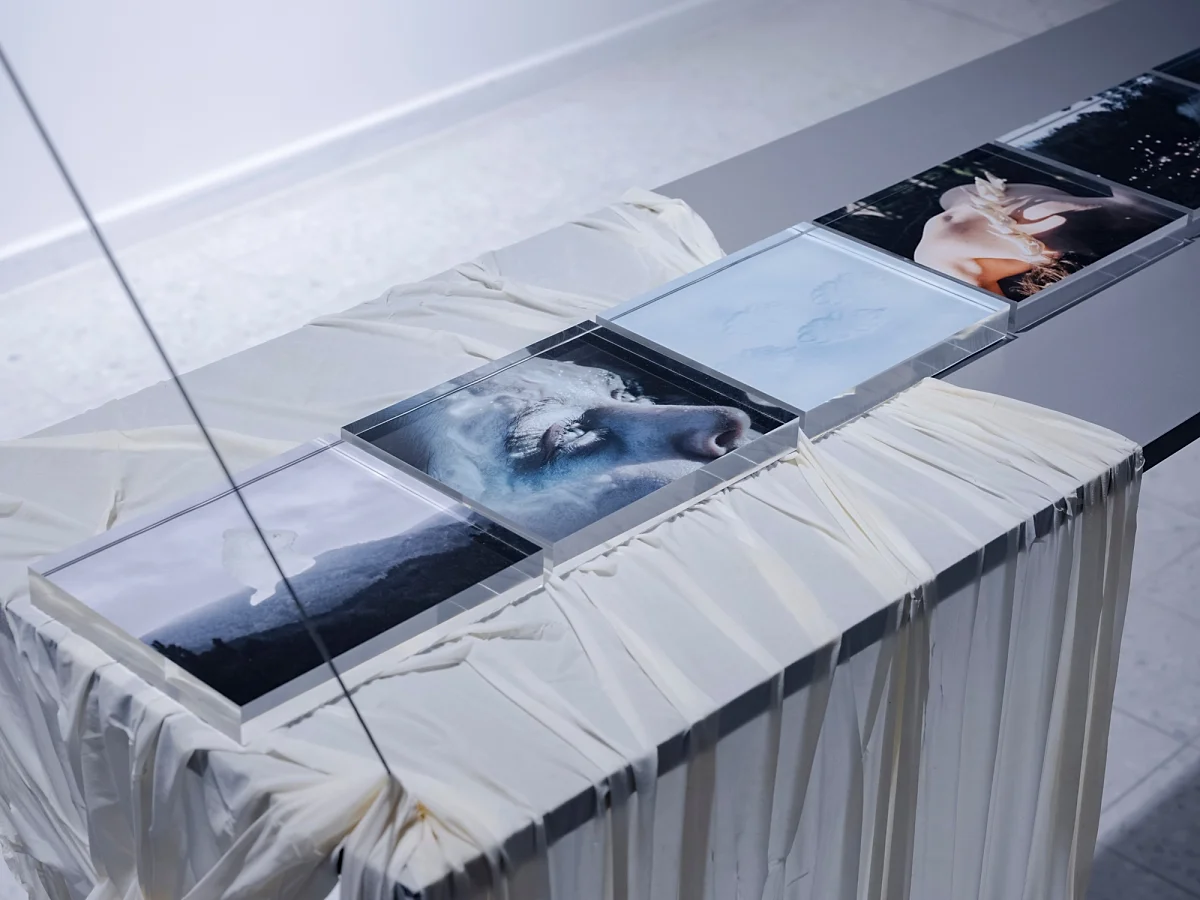
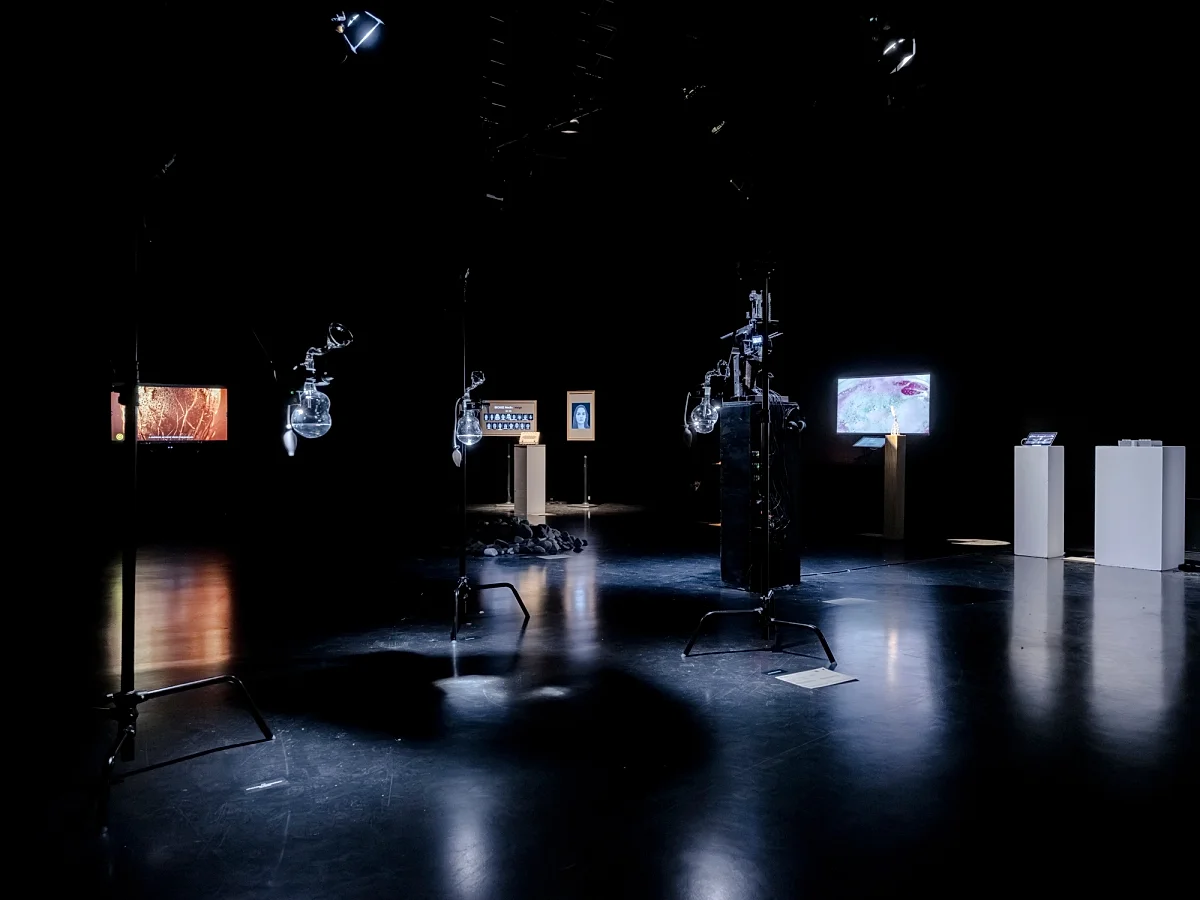
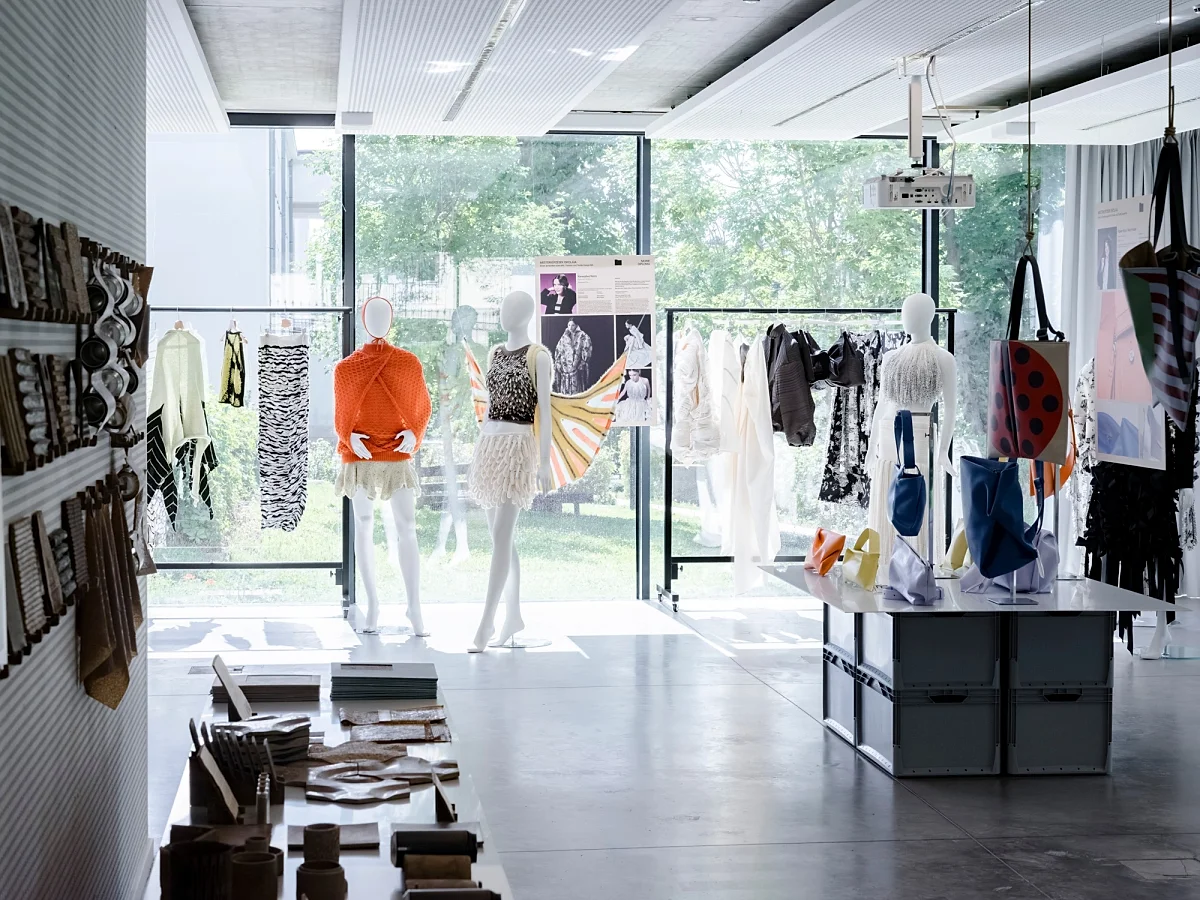
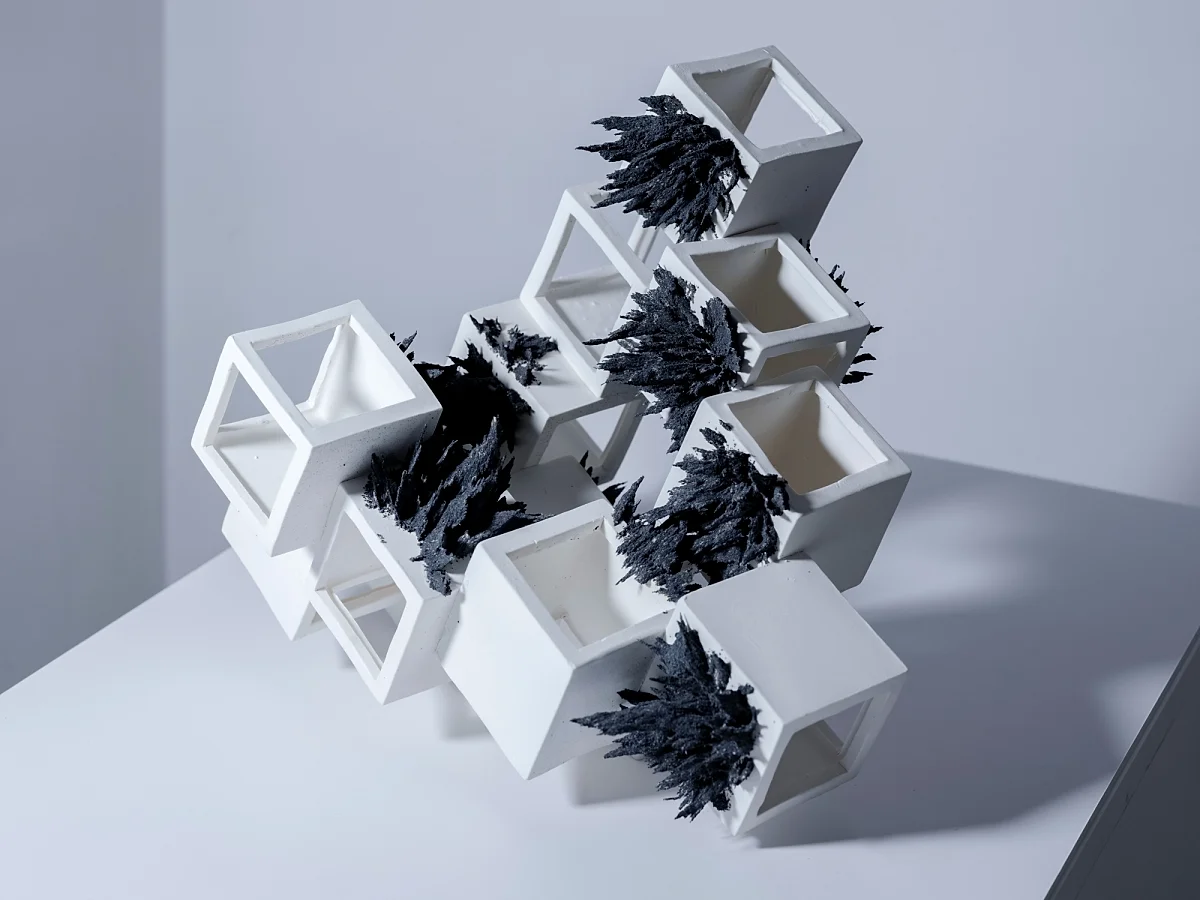
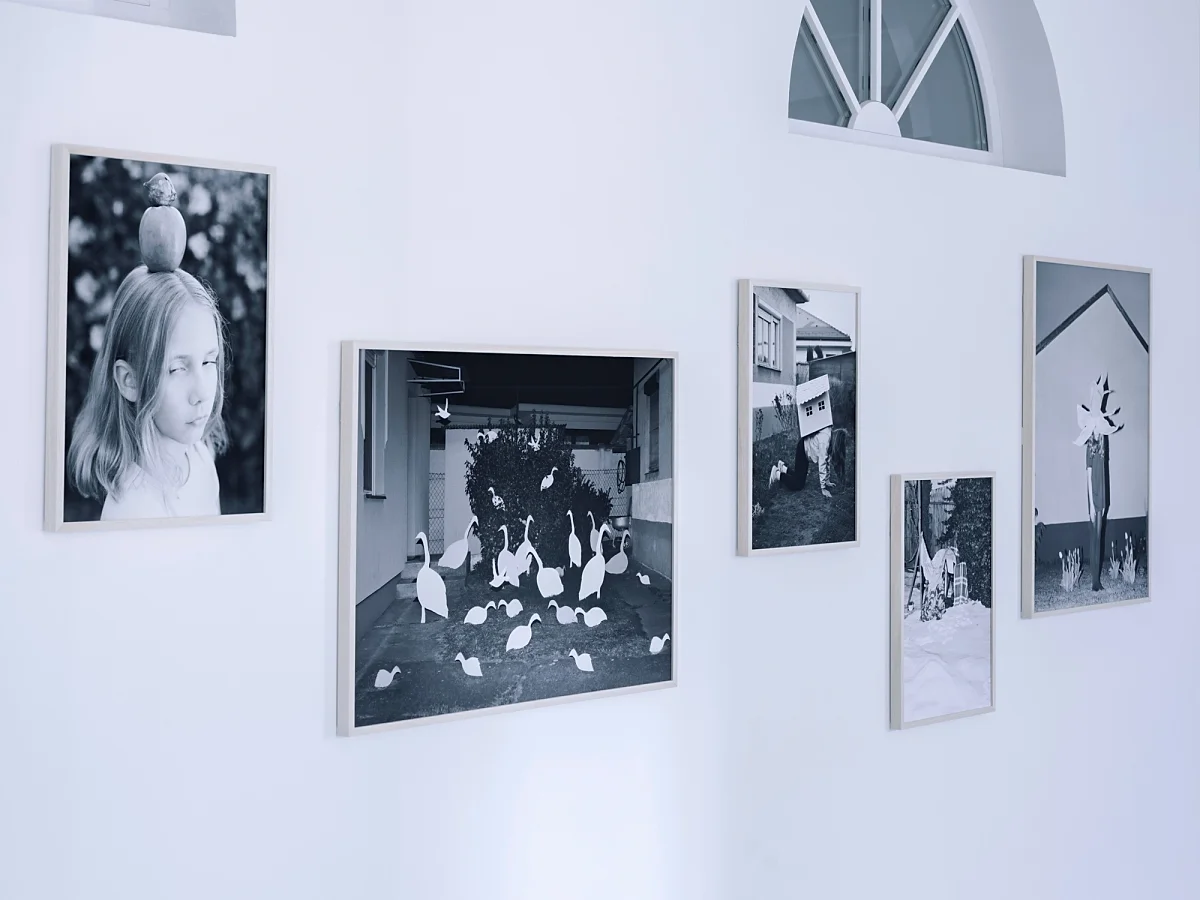
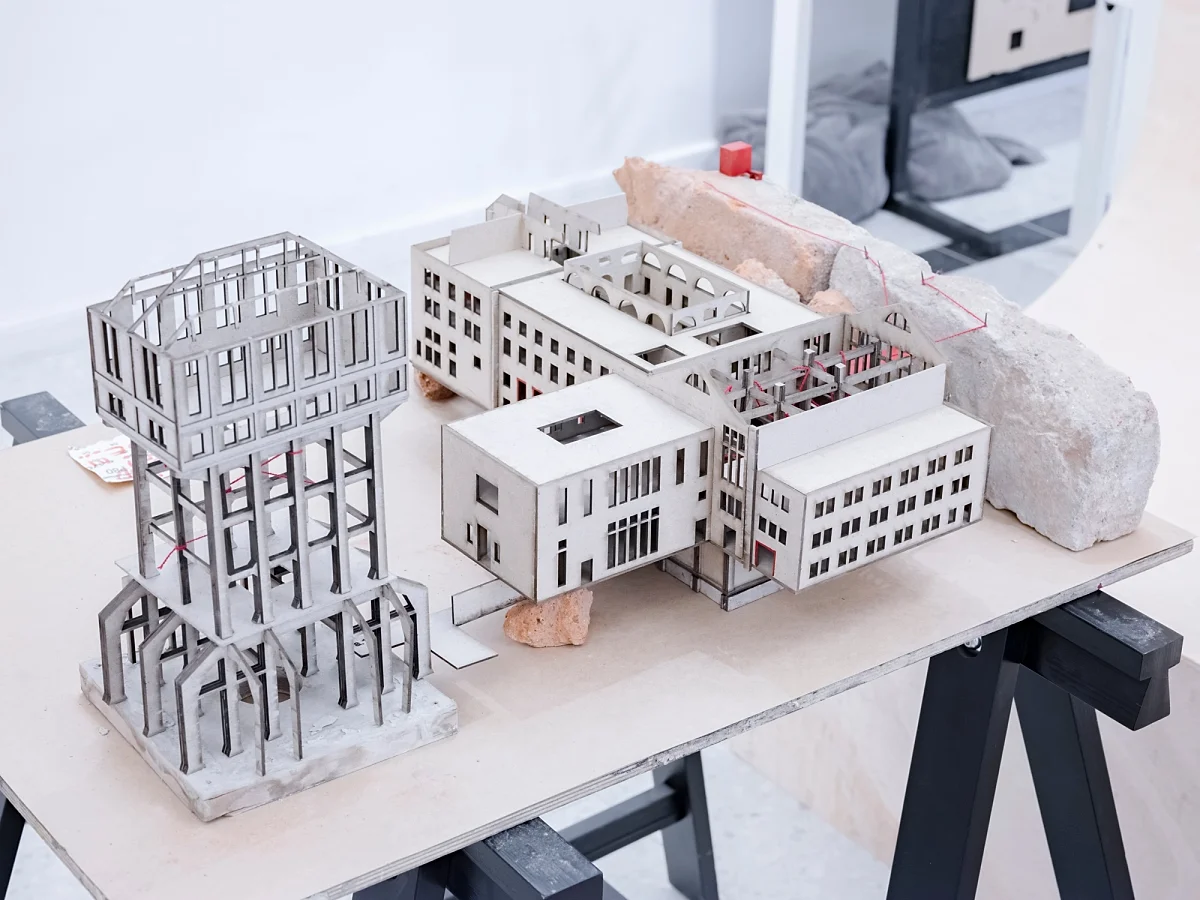
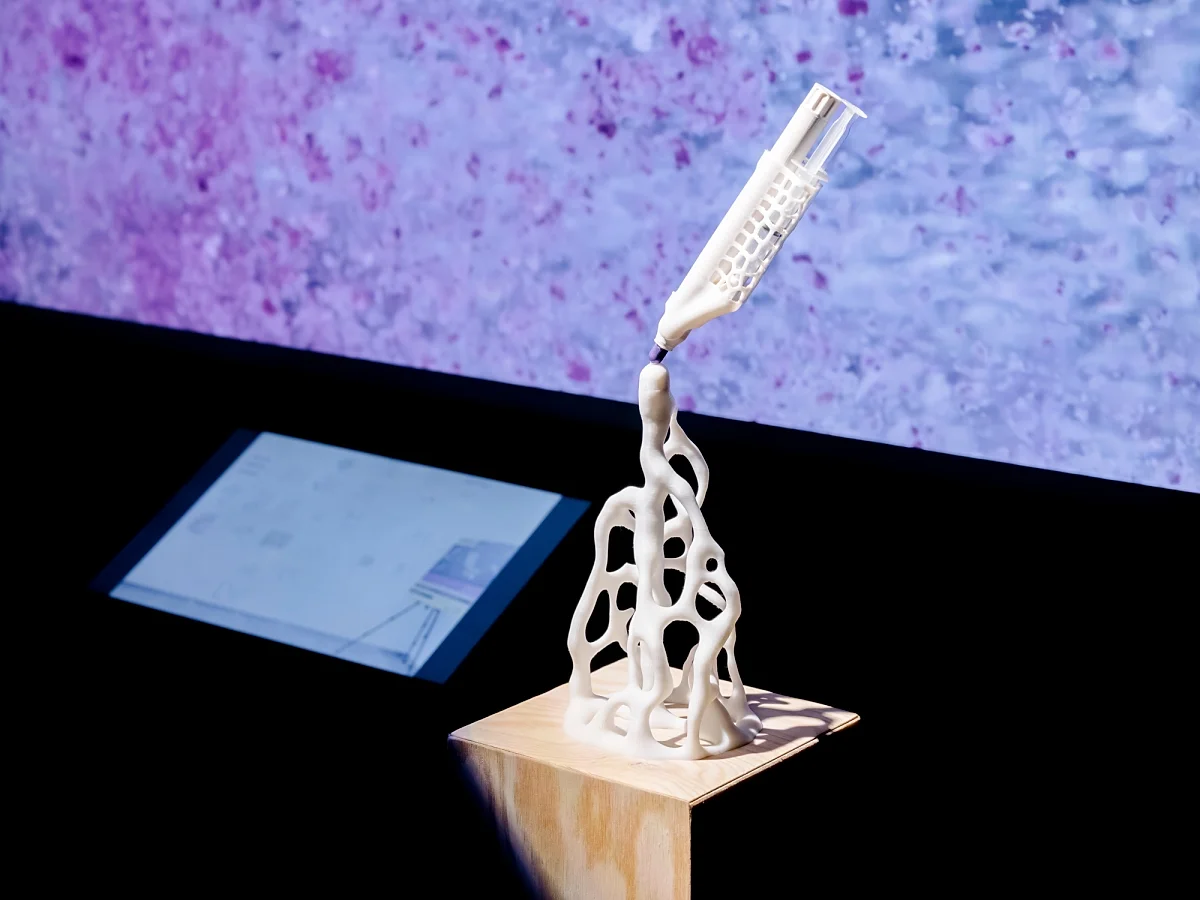
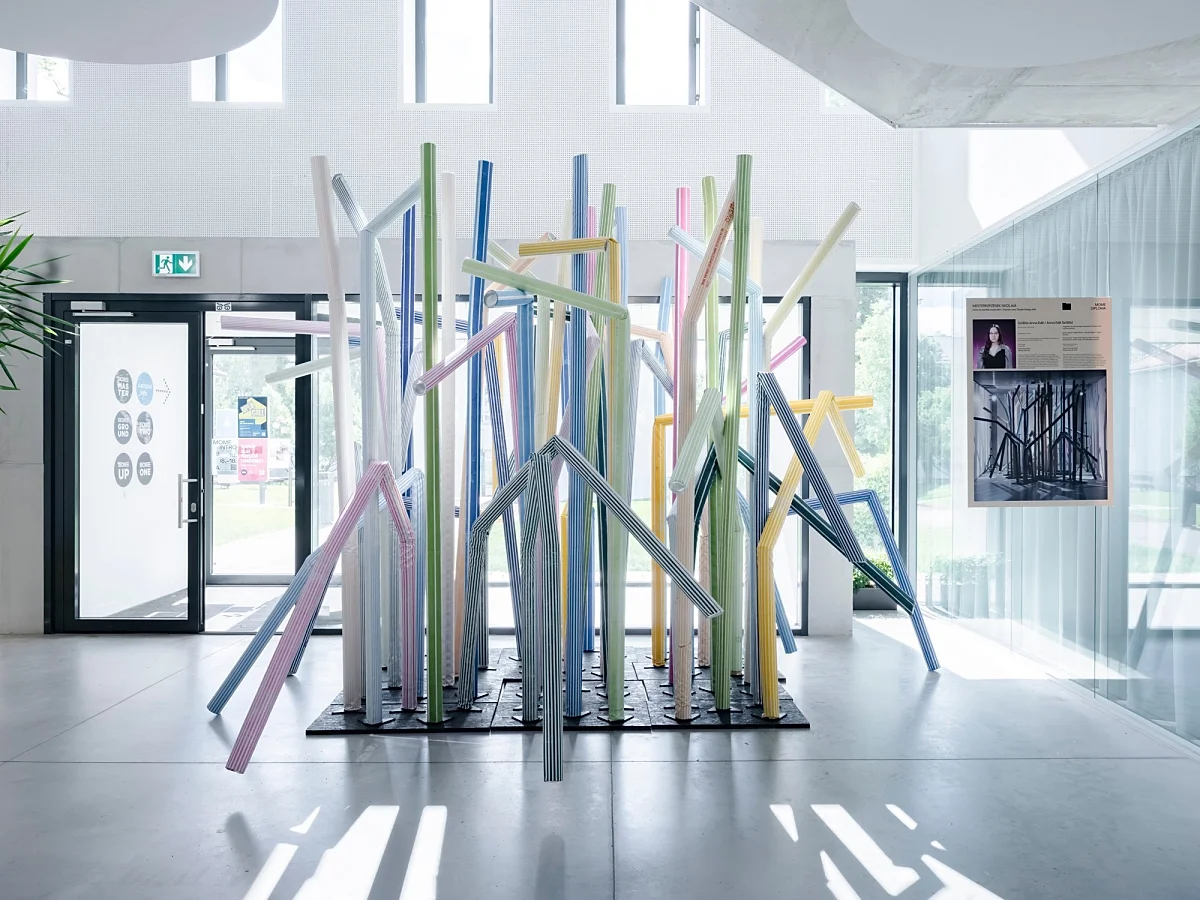
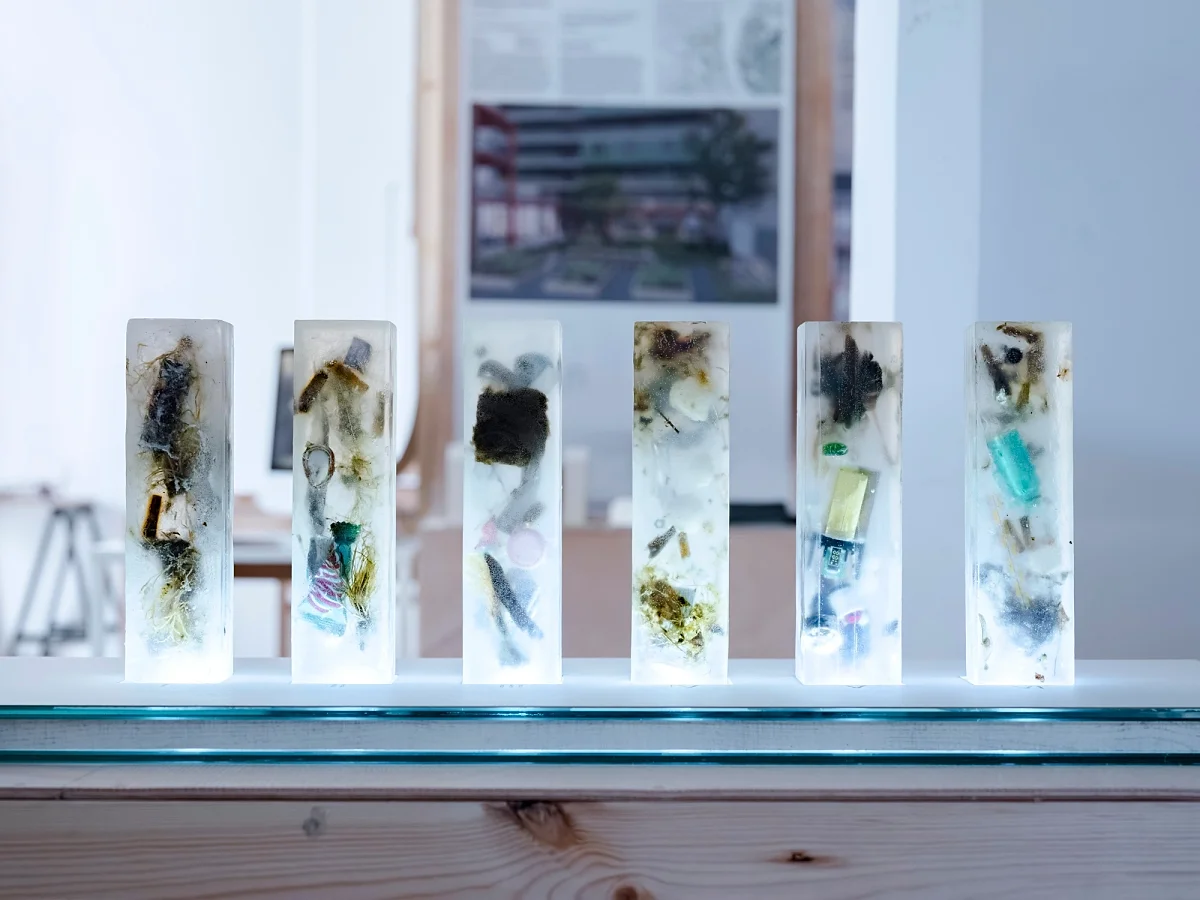
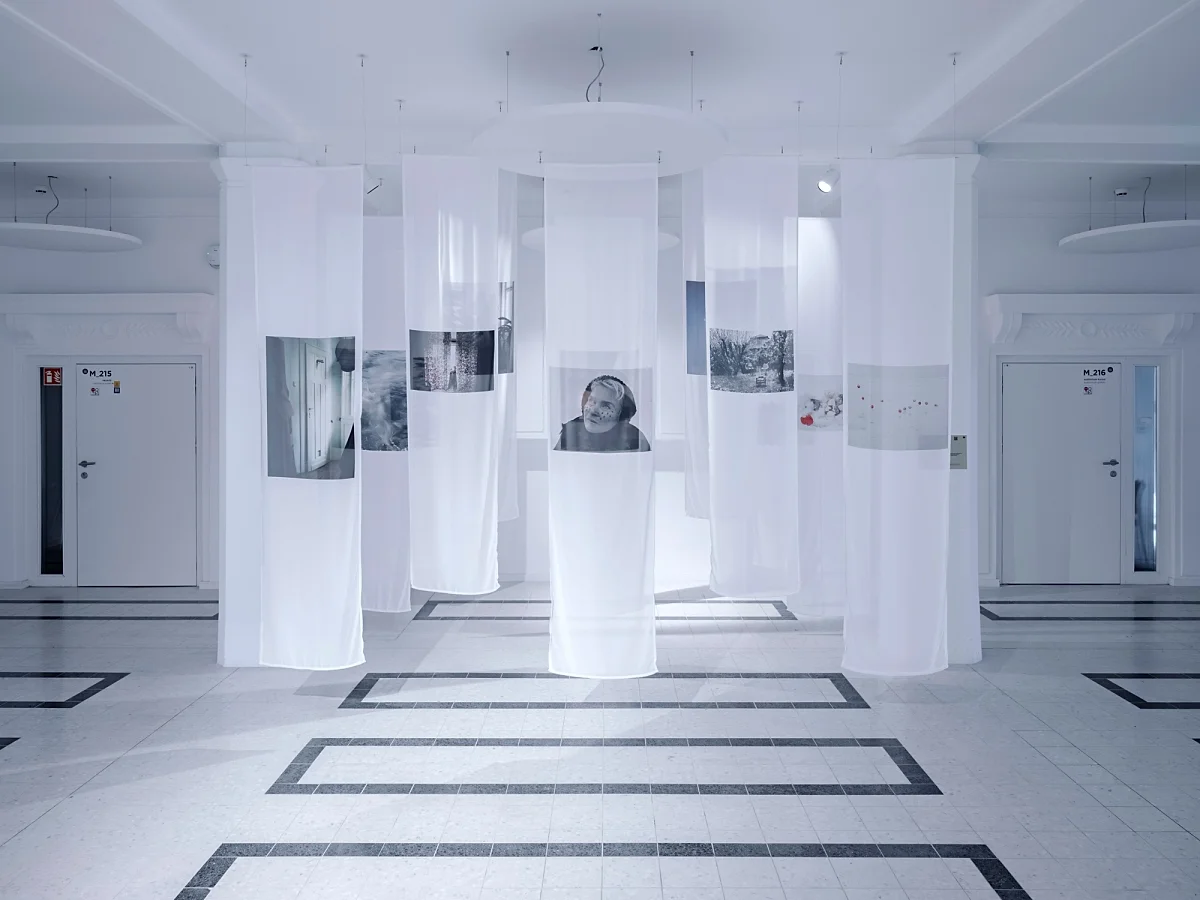
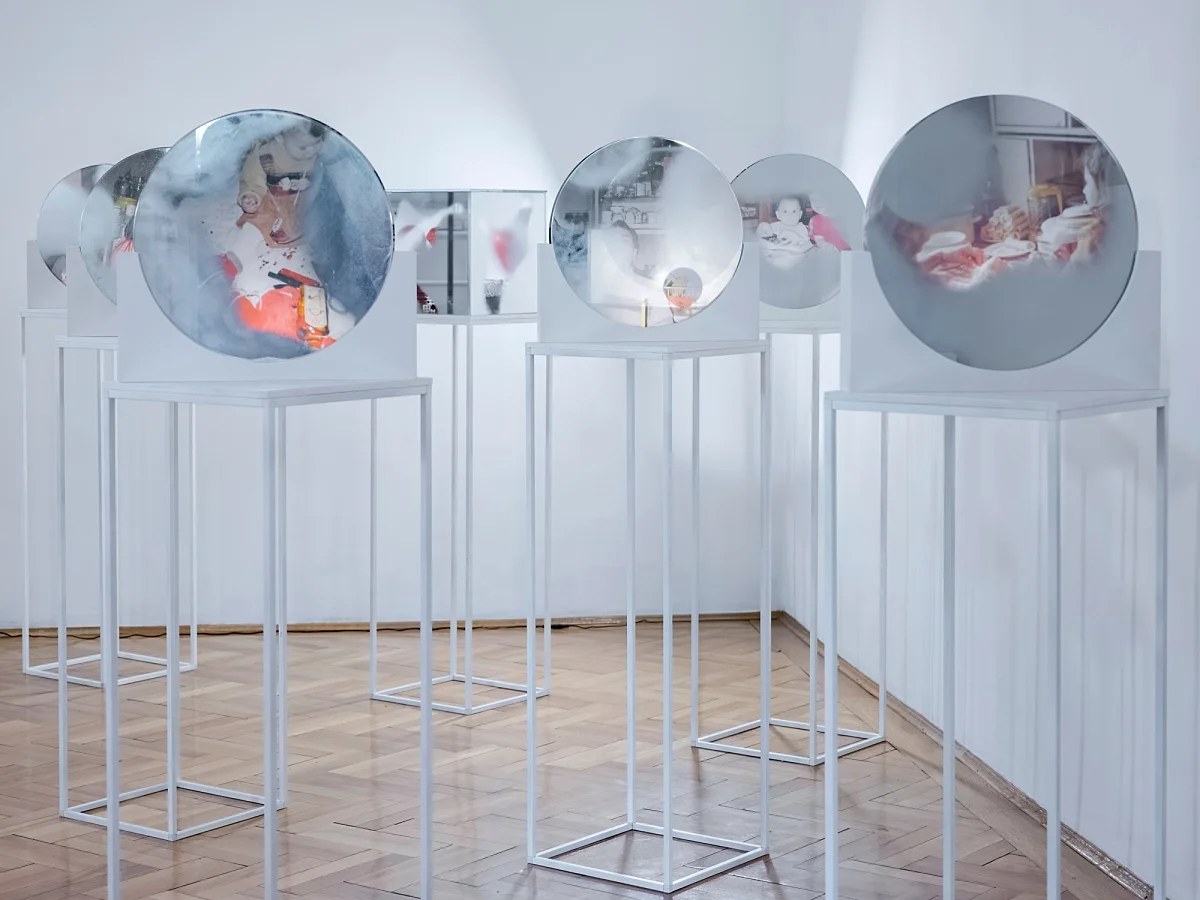
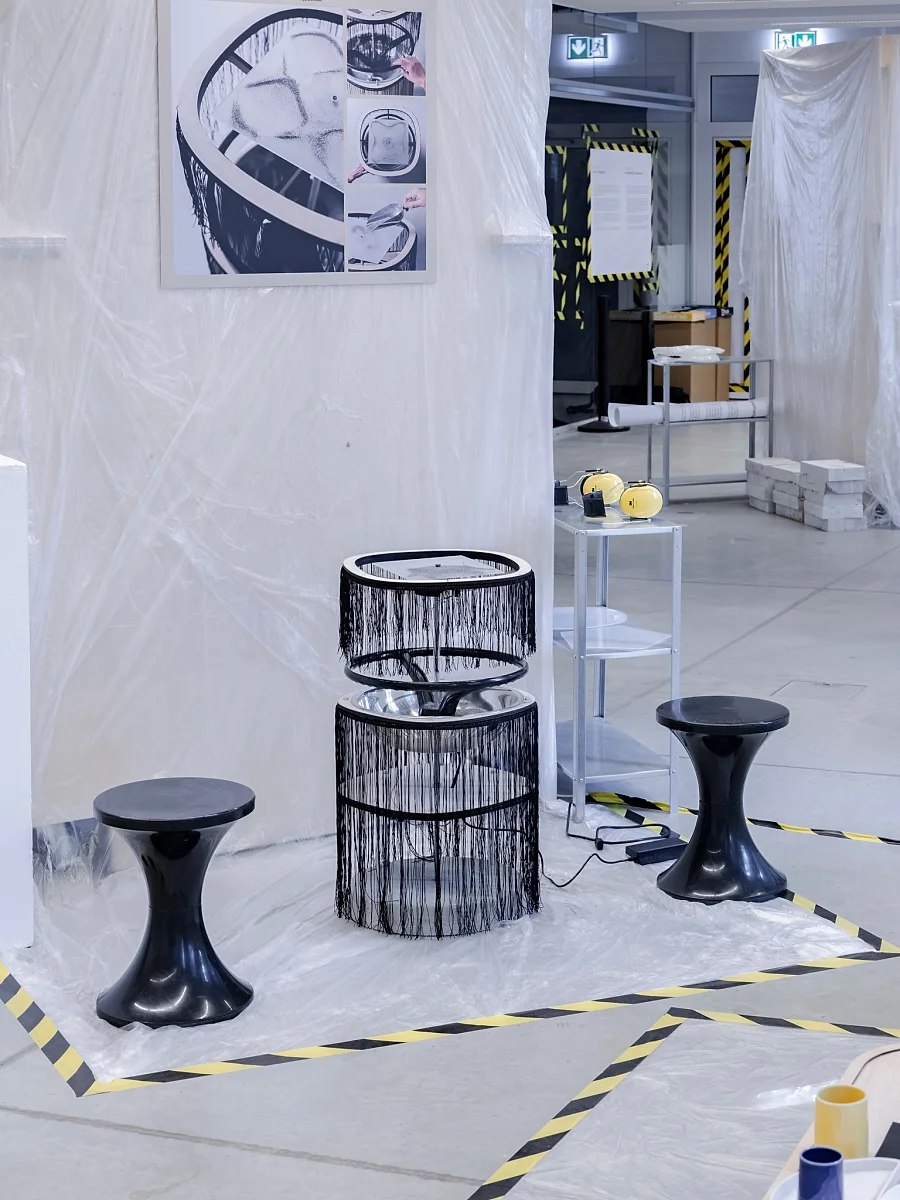
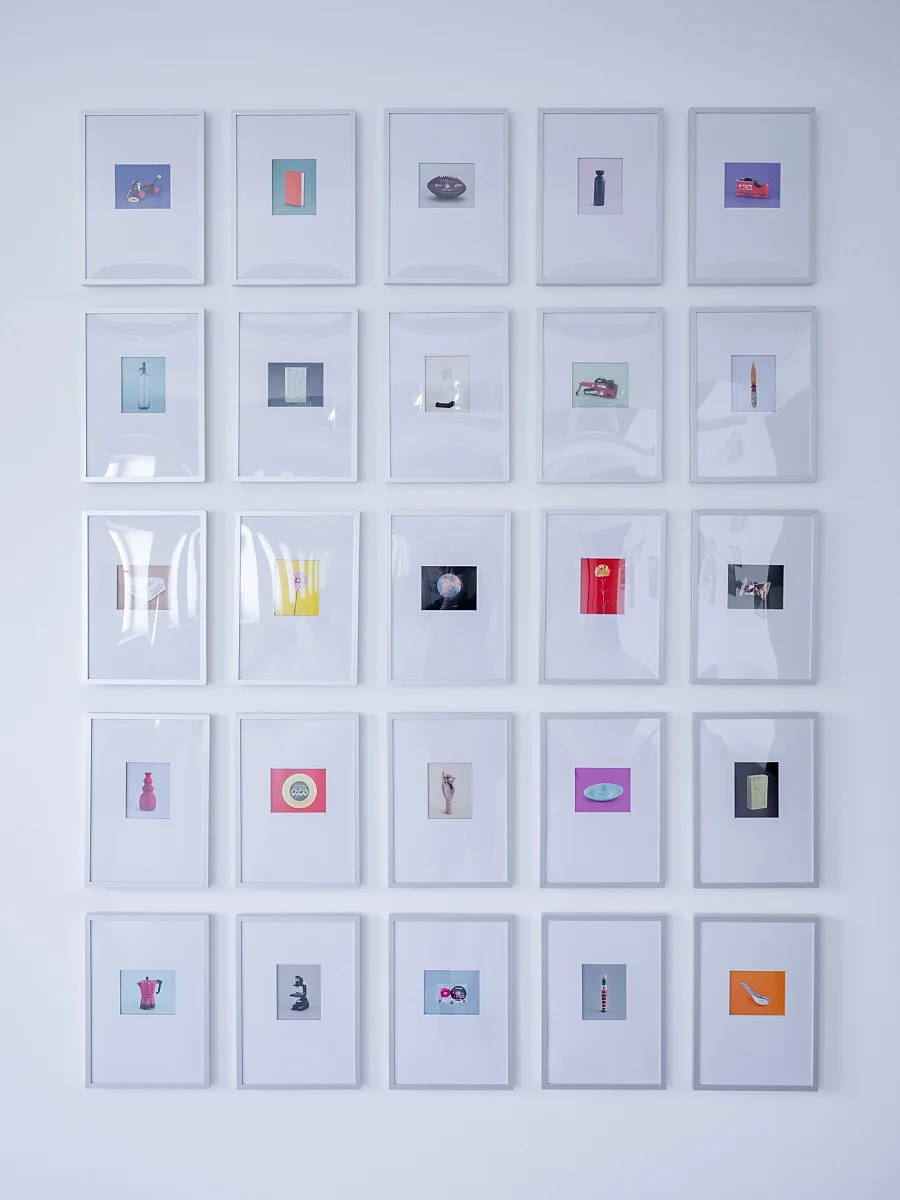
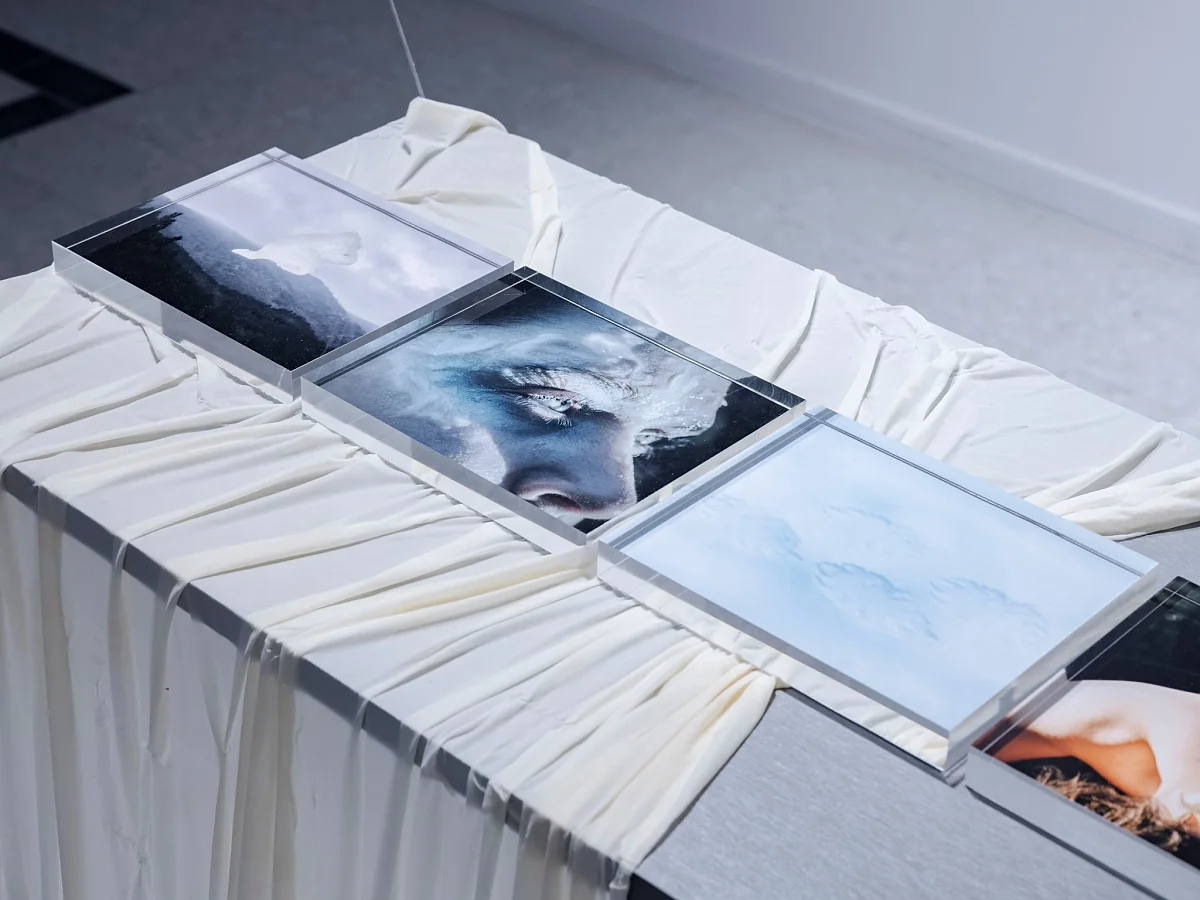
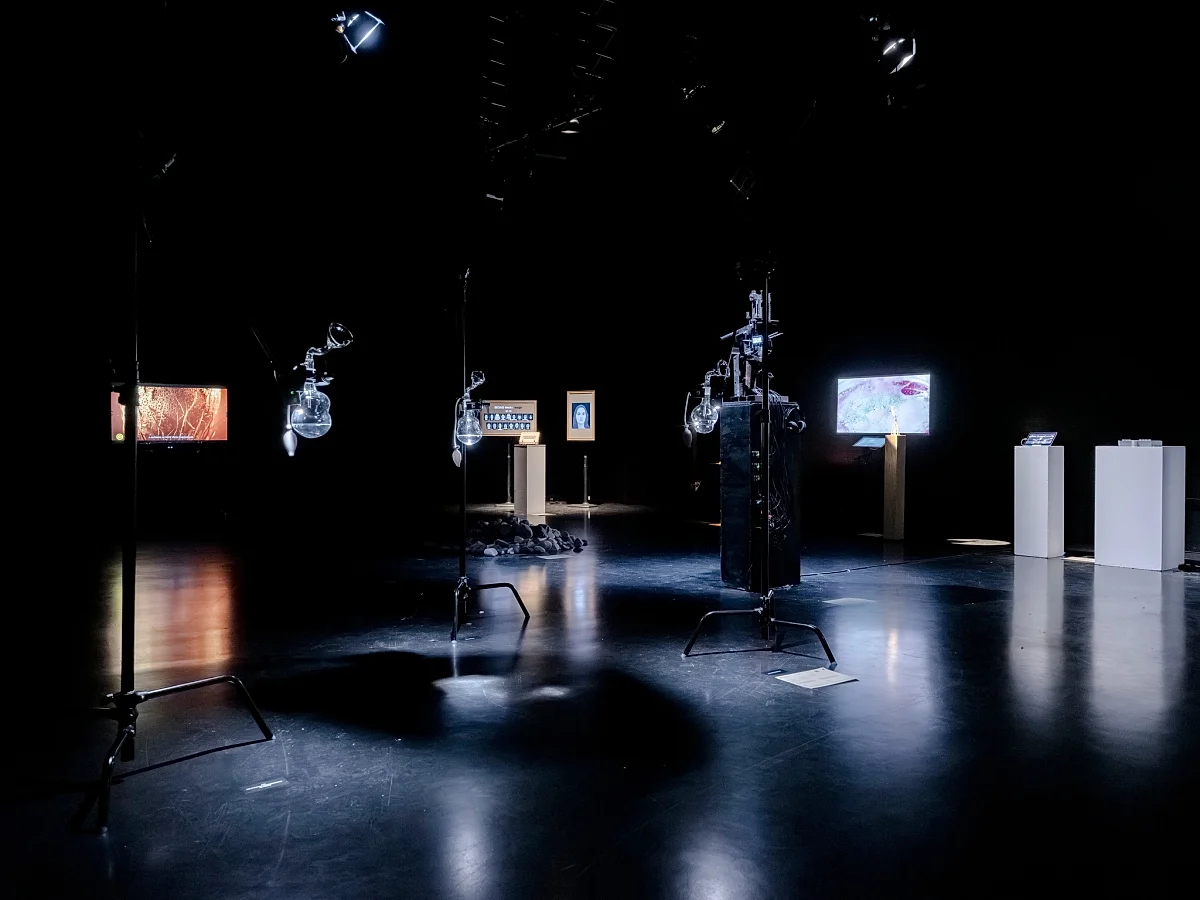
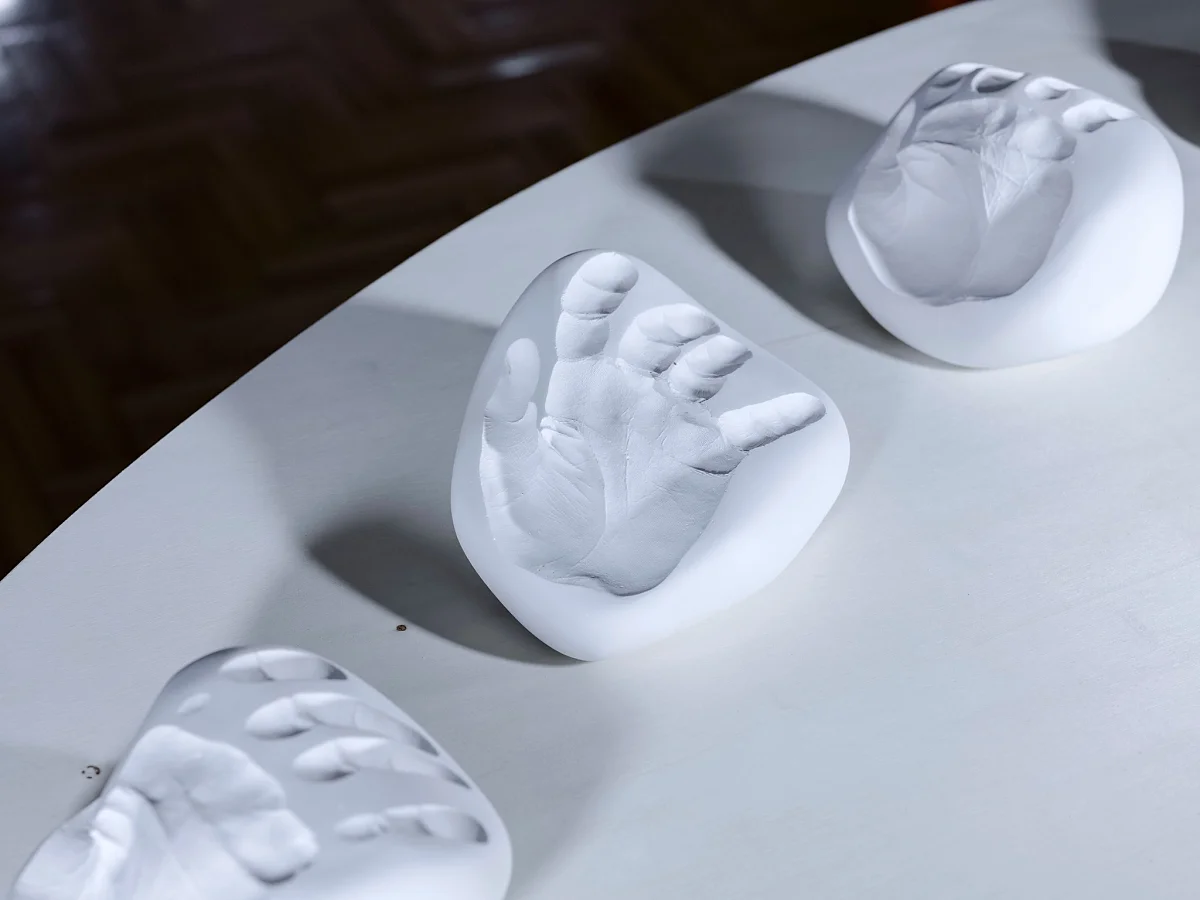
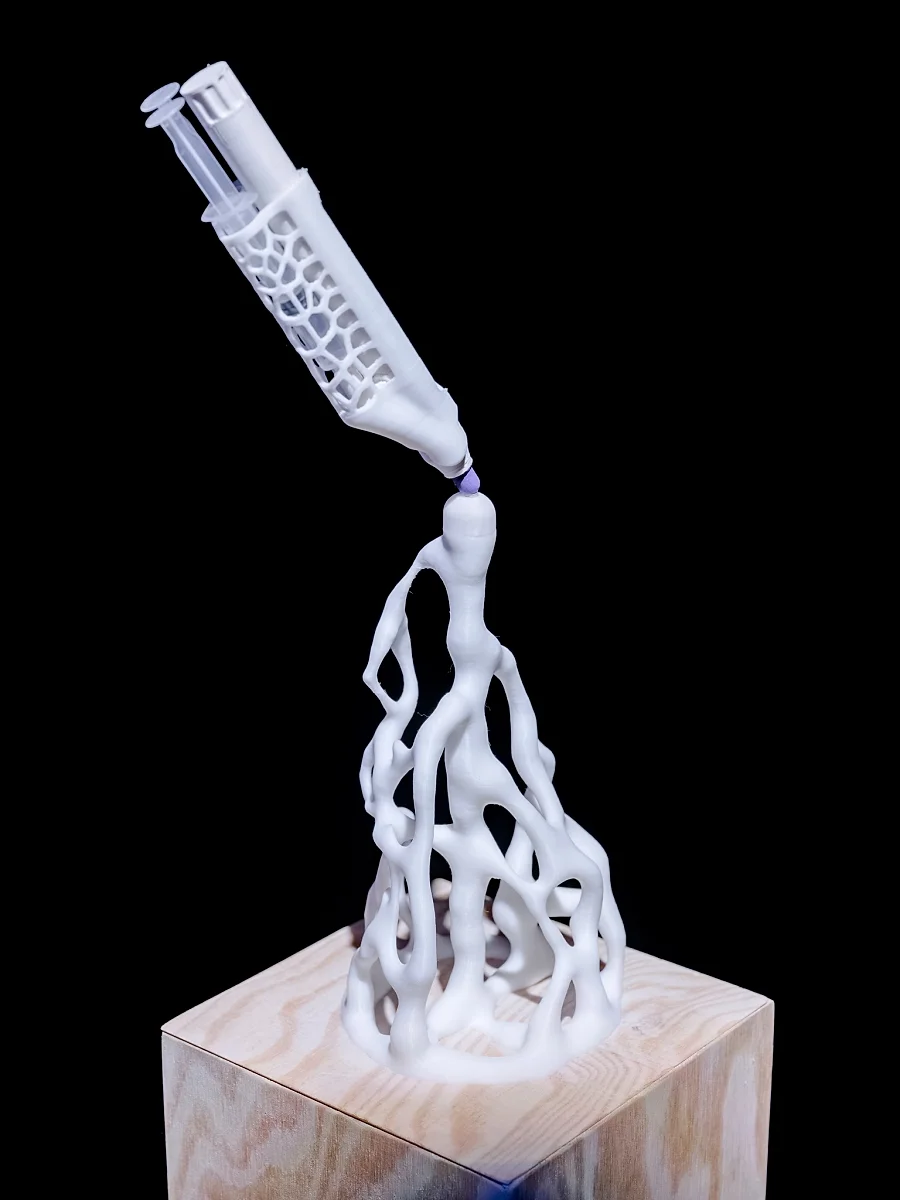
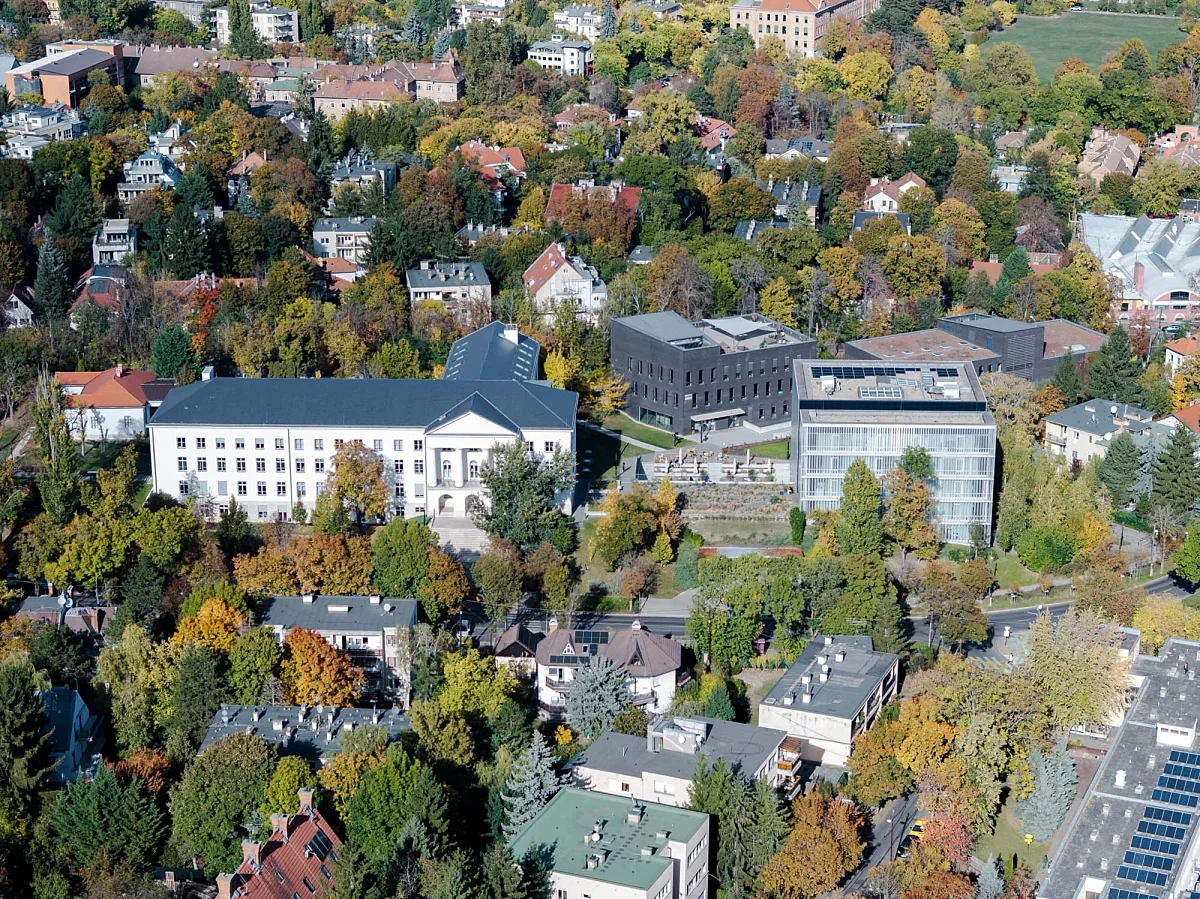
The MOME Diploma Exhibition runs from 13 to 20 June at several venues across the Zugligeti Road Campus. Presenting the latest diploma projects from twelve MA programmes, the exhibition gives an insight into the questions shaping the minds of MOME’s new creative generation through prototypes, models, and visualisations. In 2026, the diploma exhibition also introduces several new elements. The Campus exhibition is accompanied by a citylight showcase at seventy locations across Budapest, created in collaboration by JCDecaux and MOME. Featuring a selection of works by previous recipients of the university’s Rector’s Special Prize, it also invites the public to visit this year’s exhibition. As another novelty, students on the Designer-Maker MA programme will debut their work in Z5, an exciting neighbouring building next to the Campus, whose development they also contributed to.
There is real breadth to this year’s diploma projects. They engage closely with issues emerging at the intersection of the digital and analogue worlds, mental wellbeing and self-awareness, sustainability and the critiques of material culture, and identity, the body, and social norms through the lens of design, fashion, media culture, architecture, photography, animation, and design theory. Several works draw on familiar everyday situations, from ordering food and losing possessions to the traces we leave behind online and the objects and spaces that support care.
Where analogue and digital worlds meet
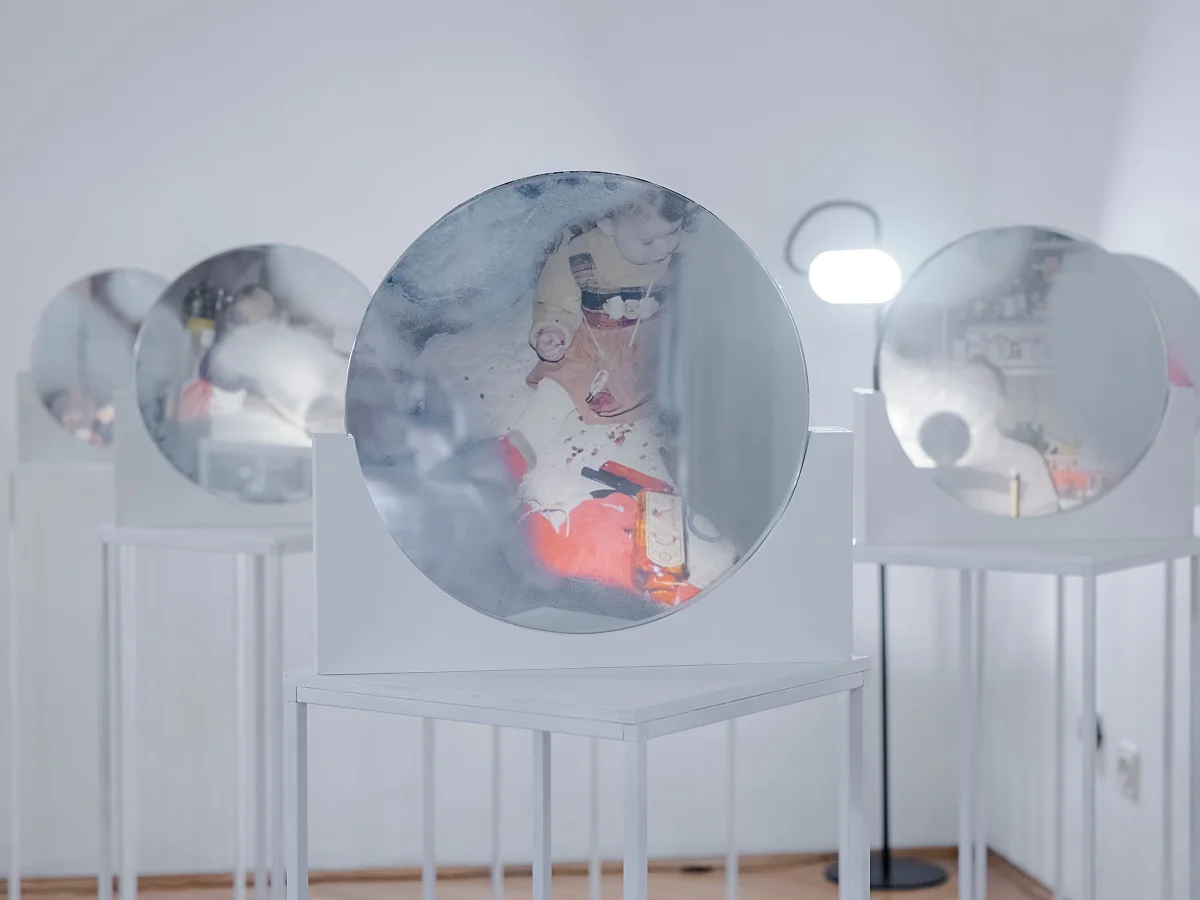
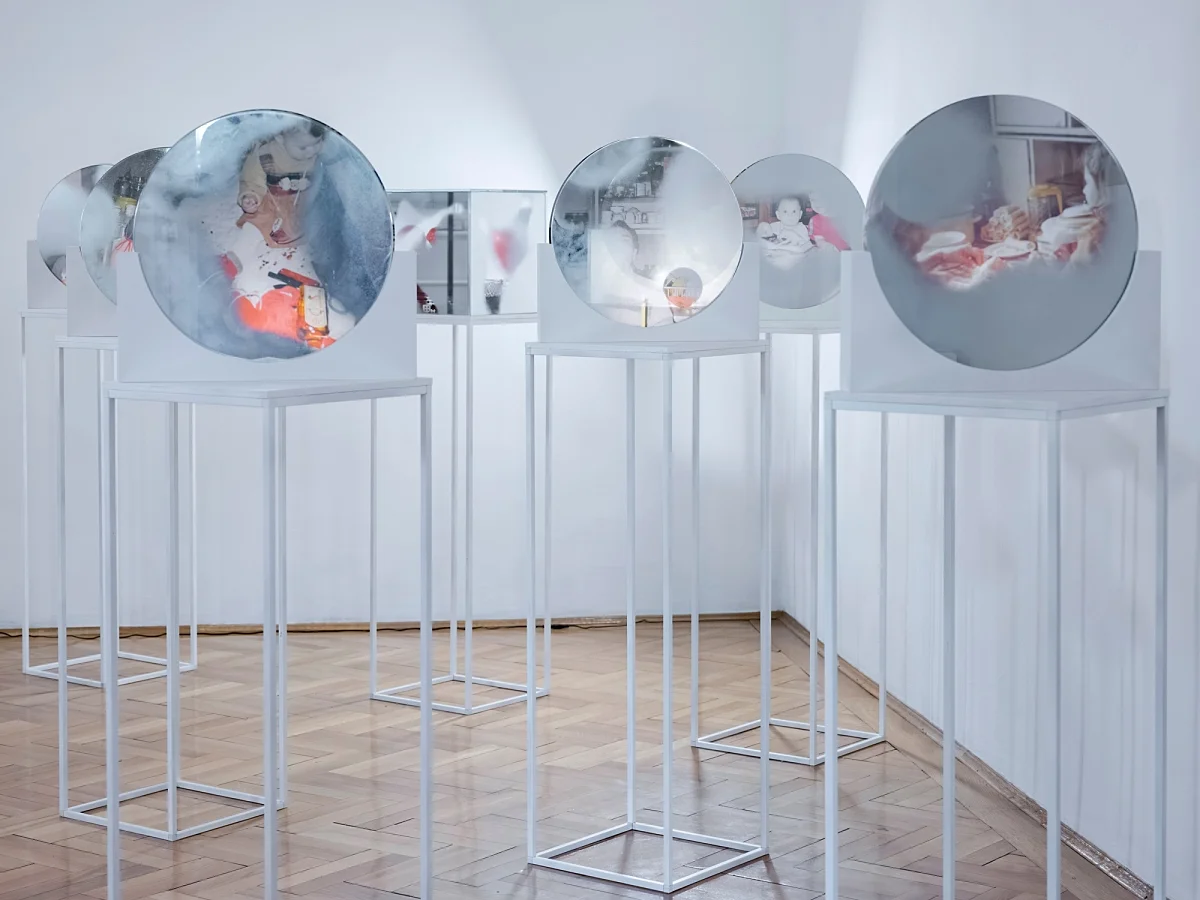
One particularly engaging example of urban memory is the work of Media Design MA student Debóra McKinley, which reimagines the BKV Lost Property Office as a temporary urban archive. In Aren’t You Missing Something?, lost objects are more than unclaimed belongings. They become traces of personal stories, absences, and movement through the city. THE USER MANUAL, by Interaction Design MA student Hajnal Veronika Mészáros explores through food ordering habits how convenience systems shape our digital choices and how users might become more aware of their own behaviour.
The critique of digital culture
Several projects approach digital culture critically. In The Right to an Offline Beginning, Anna Nina Törő envisions a speculative future that doesn’t involve automatically turning childhood into a data package through major technology platforms. Ágnes Kollár’s This Is Completely Fine uses conversations with young women to examine how artificial intelligence may reshape the structure of human relationships. Dream Rides, by Graphic Design MA student Dorottya Tóth, follows the stories of student couriers in Budapest, revealing the precarious but desire-filled world of the gig economy.
Objects and sustainability
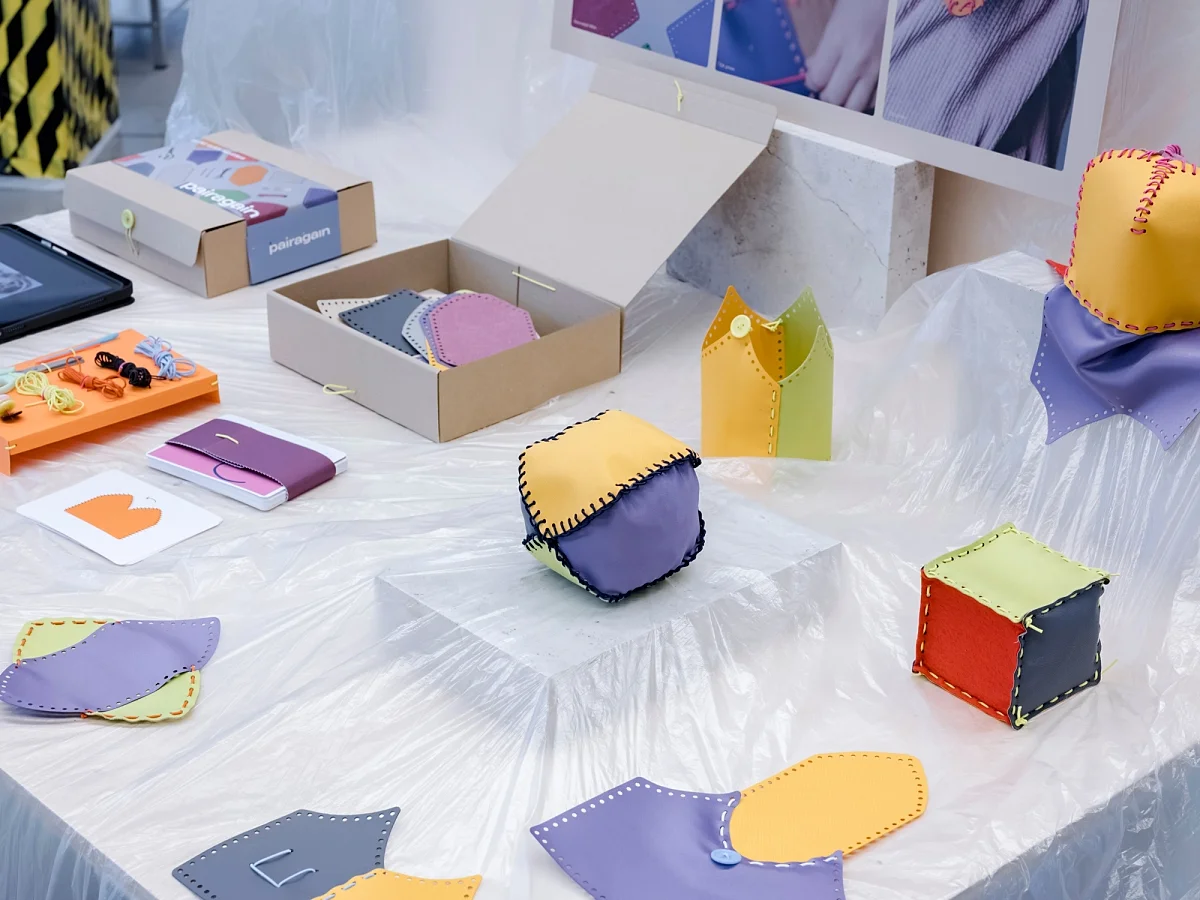
Objects, materials and sustainability are also central to many of this year’s diploma projects. Mirella Bernadett Olasz’s textile-based construction toy, pair.again., takes a fresh look at objects for children, combining play-based learning, material awareness and longevity. Designer-Maker MA student Petra Börcsök’s educational installation beantoday highlights the importance of eating legumes. Built around an object for soaking and sprouting, the project brings healthier, more sustainable eating habits into everyday life.
Care and inclusive design
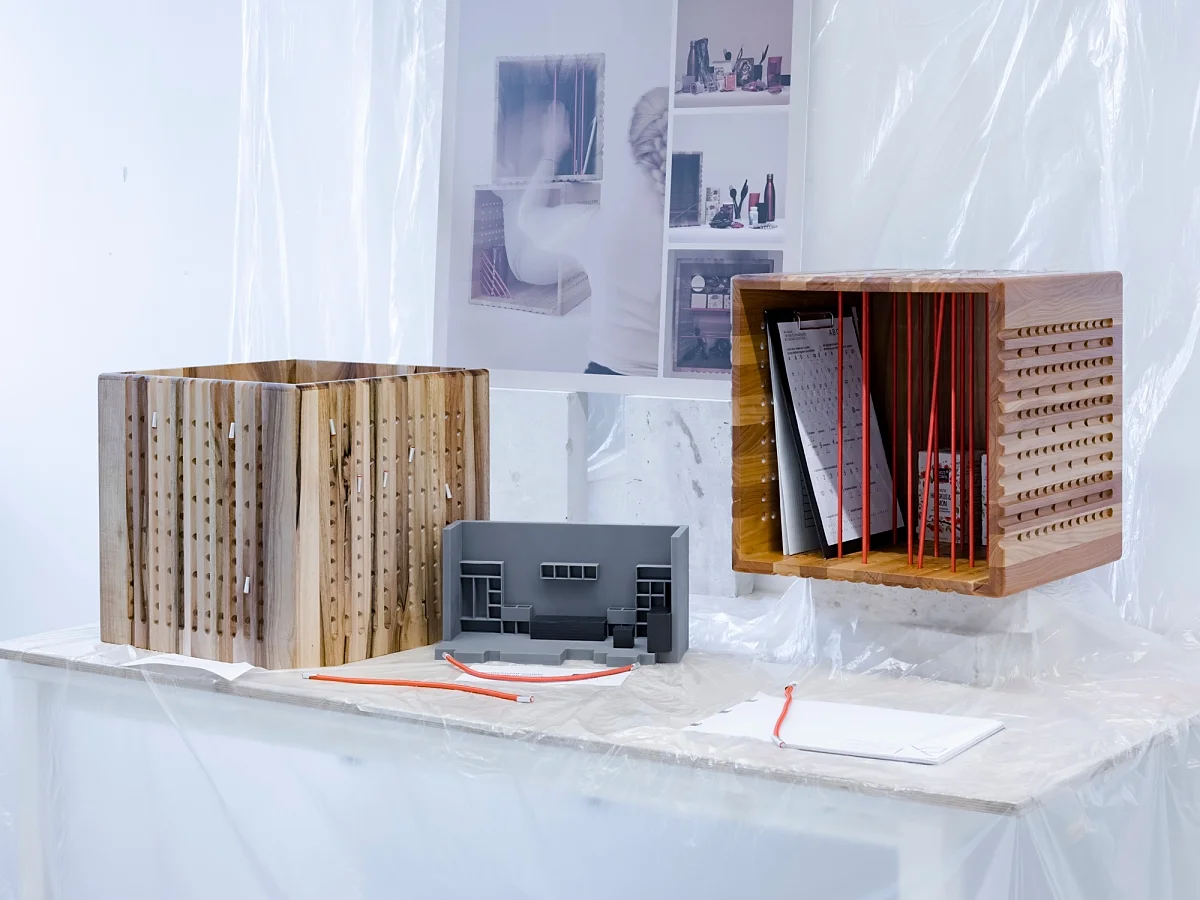
Questions of access and care appear across several programmes. Design MA student Róza Medgyesy’s project Beyond Sight develops a modular storage system for blind and partially sighted young adults, aiming for more than accessibility alone: the system is designed to be joyful to use and aesthetically meaningful. Art and Design Management MA student Janka Ágnes Huszák explores ways of linking inclusive culture with corporate social responsibility.
Identity and self-awareness
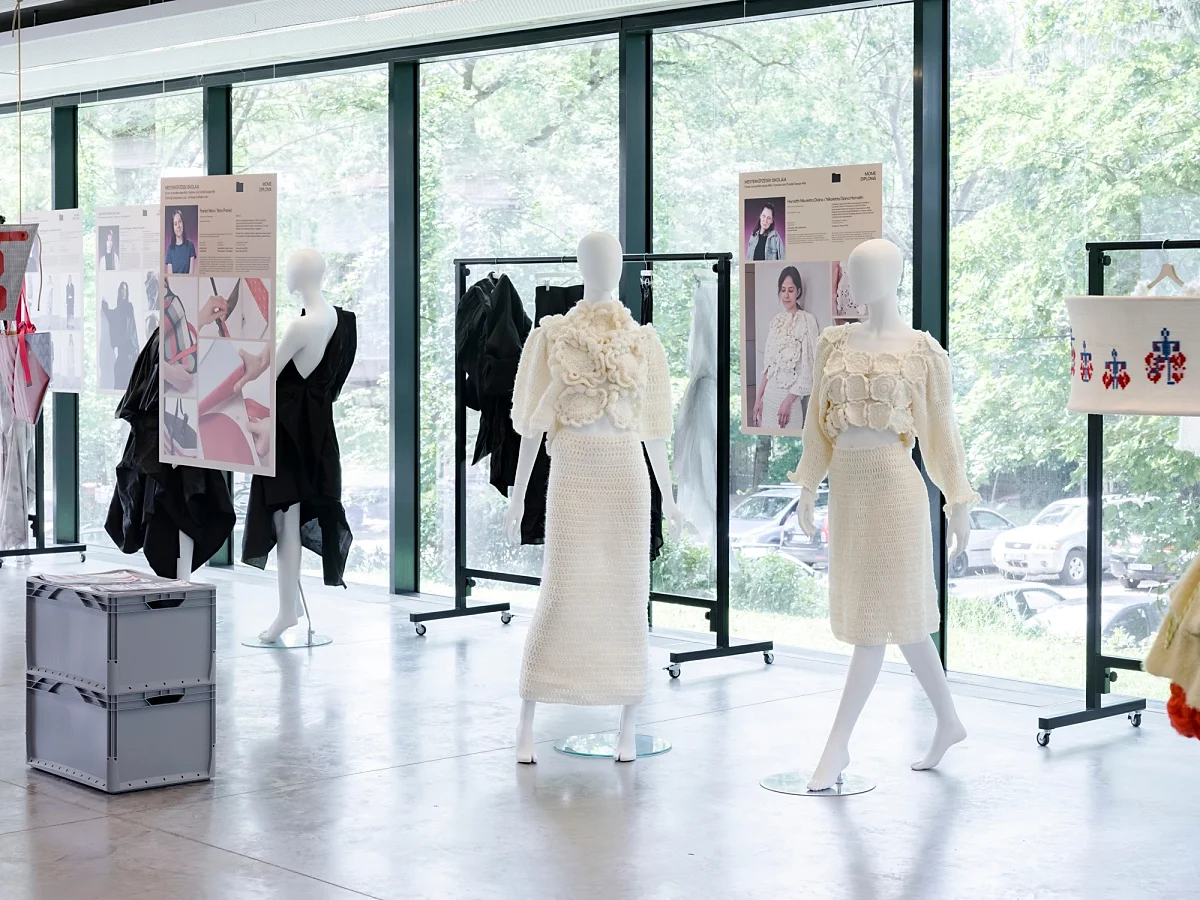
Questions of identity, the body, and social norms are especially prominent in the fields of fashion, textiles, and design theory. In The Performance of Perfection / Deconstructing Contemporary Tradwife Aesthetics, Boglárka Fodor analyses the tradwife aesthetic spreading on social media, using fashion to dismantle images of idealised female roles. Cintia Tamás researches the visibility and invisibility of Roma art within Hungary’s art institutions, while Design and Visual Arts Teacher MA student Franciska Horváth looks at how personal narratives and visual methods can help involve students in Holocaust education and deepen their understanding of historical experience.
Revitalisation and adaptive reuse
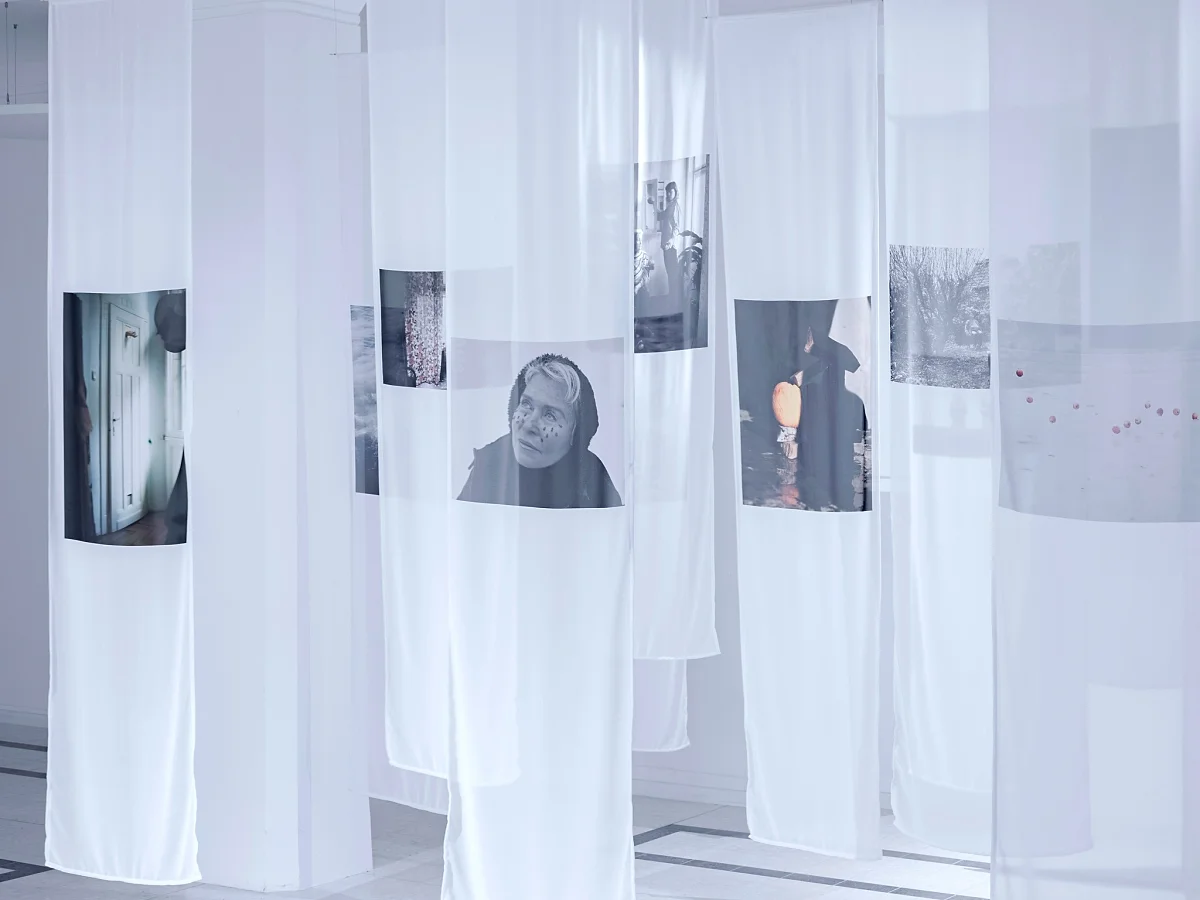
Several architecture and photography projects address social issues through questions of housing, home, memory and transience. Tamás Kocsis’s RE-ACT reimagines the Reanal site as an adaptive, caring urban laboratory. Simon Péter Győri proposes the revitalisation of the Jeszenszky Mansion in Felsőhídvég with a concept for rehabilitative landscape care that would turn the former estate into a self-sustaining community space supporting recovery from addiction. Sára Hecker’s photo and video installation draws on life stories shaped by homelessness and the loss of home, while Dániel Szarka examines cleaning as a psychological coping mechanism within family dynamics.
The visual identity of MOME Diploma 2026
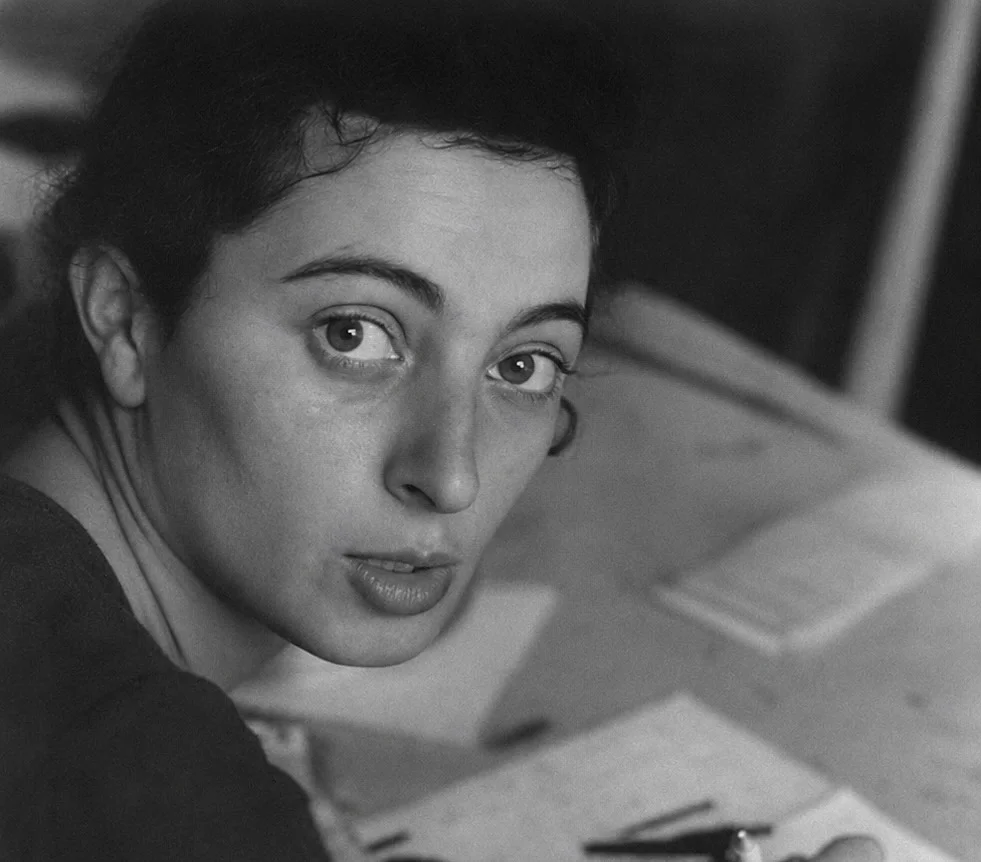
This year’s diploma exhibition is once again framed by a student-designed visual identity created specifically for the occasion. Panka Mihalovits and Alexandra Ökrös took their cue from a familiar detail of student life at MOME: the “MOME” folder that sits on almost every student’s desktop. It is where ideas, versions, sketches and works in progress live side by side for a while. With its palette of champagne, ripe plum and caviar black, the identity translates that motif into the exhibition’s visual language, reflecting both the way creative work is organised and the shared frame that brings the graduating students’ projects together. Aranka Csige and Menyhért Hivessy’s portrait series takes the idea further. The images combine classical and more spontaneous poses, then pass through a deliberately analogue process: they are printed, placed in plastic sleeves, filed in a folder and photographed again. The result is a nostalgic, photo-album-like series that also serves as a kind of yearbook for the MOME Diploma 2026.
More news