Social design exhibition featuring the joint programme launched by MOME and the Hungarian Charity Service of the Order of Malta
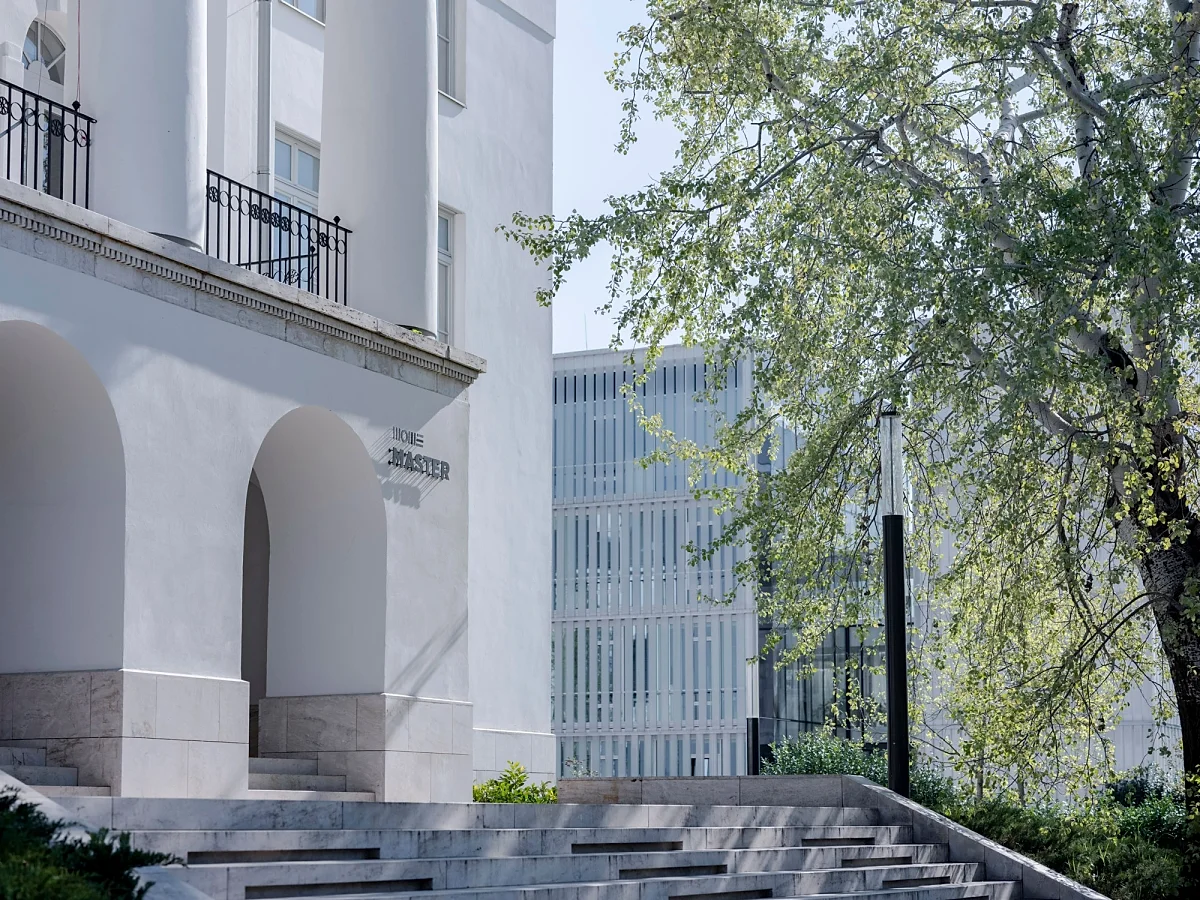
The programme, launched in collaboration between the Moholy-Nagy University of Art and Design and the Hungarian Charity Service of the Order of Malta, uses the tools of social design, and community activities to address the problems of those living in the poorest villages. This year, students of the university met children from Zalakomár for a several days long hackathon (brainstorming marathon, problem-solving marathon) and a one-week summer camp and participated in creative workshops together. When some of the children had nowhere to charge their phones, a charging station powered by a wind turbine was erected on the side of the space used as a football pitch. The tower also provided shade, and could be used for swinging while waiting for the phone to charge. This solution was invented and developed by MOME students and teachers together with the children of Zalakomár at the camp co-organised with the Hungarian Charity Service of the Order of Malta.Other achievements of the collective creative process will also be featured in an exhibition running until 9 December at the MOME Campus in Zugliget.
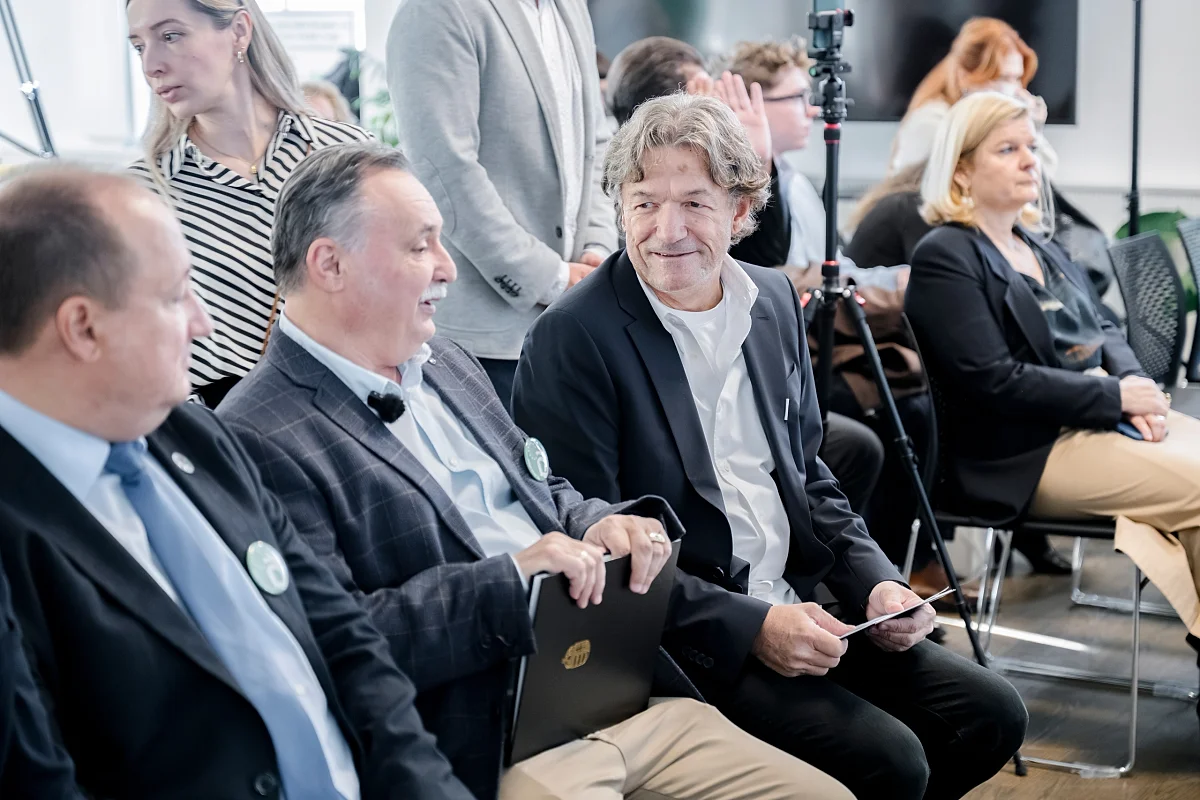
At the exhibition opening on 10 November, MOME’s rector József Fülöp DLA explained that there was a permanent team at the university researching and creating opportunities to link creative design and social service for nearly 10 years. “Design thinking and our insights may help give these children a broader perspective and spot any opportunities they have. At the same time, our students can also benefit by learning how to use their talent for the good of a community.”
Zalakomár is one of the locations of the Programme for Emerging Settlements, where the Hungarian Charity Service of the Order of Malta is implementing its Presence programme. Commissioner for the programme and vice president of the Charity Service Miklós Vecsei described how the best way to achieve cohesion is reverse integration and the first steps need to be taken by those who are capable of bridging the gap. He said the foundations to facilitate such a connection between students at one of Budapest’s most state-of-the-art universities and children of families in need from Zalakomár were created by the presence of social workers over several years. According to Vecsei, members of mainstream society can choose to approach a disadvantaged community, but not the other way round. They need to be the one to integrate into the life of these communities and reciprocate all the hospitality they receive there. “It needs to be done many times over and over again, until we no longer know who came from where, because we have become just one big team.”
According to head of MOME Innovation Centre Social Design Hub Bori Fehér DLA special care was taken to ensure that whatever was created working together with the children from Zalakomár could be applied and feasible in all 300 of the emerging towns and villages. The project also involved development of the methodology and carrying out a qualitative impact analysis. She believe the biggest achievement of the project is that a community has been forged, and the students needed to step out of their comfort zone to explore “issues that cannot be addressed staying inside the university”.
As Erika Stankovics, coordinator of the Charity Service for Zala county recalls, the children “were at home in an unusual fashion” during the summer university, meaning they were exposed to a great deal of new experiences and were able to learn novel concepts playfully and directly not only from the university students, but also from each other, in their regular environment, at the scene of their everyday life.
The exhibition presenting the outcomes and workflow of the collective creative process of MOME students and the children were described in more detail by the teachers and students involved in the project at the exhibition opening on 10 November. Also giving the children the floor, they recalled the problems and challenges identified and addressed together. There was not enough “girly” spaces in the village for example, giving rise to the creation of the “gossip bench”. Certain parts of Zalakomár have no electricity, and phones need to be charged frequently, so the children built a mobile phone charging station with guidance from a skilled carpenter. There is a scarcity of community toys, which is how a new swing was created using finger knitting followed by a garden hide-and-seek item. The House of Presence lacked a sign that could be seen from a distance, and was so equipped with a unique wind turbine. And, since the children already learned about pixilation, they got to put this knowledge into use, creating a “Superhero Mayor” animation in the spring, as well as their first music video during the summer university, for which they converted a barn into an animation studio.
More news