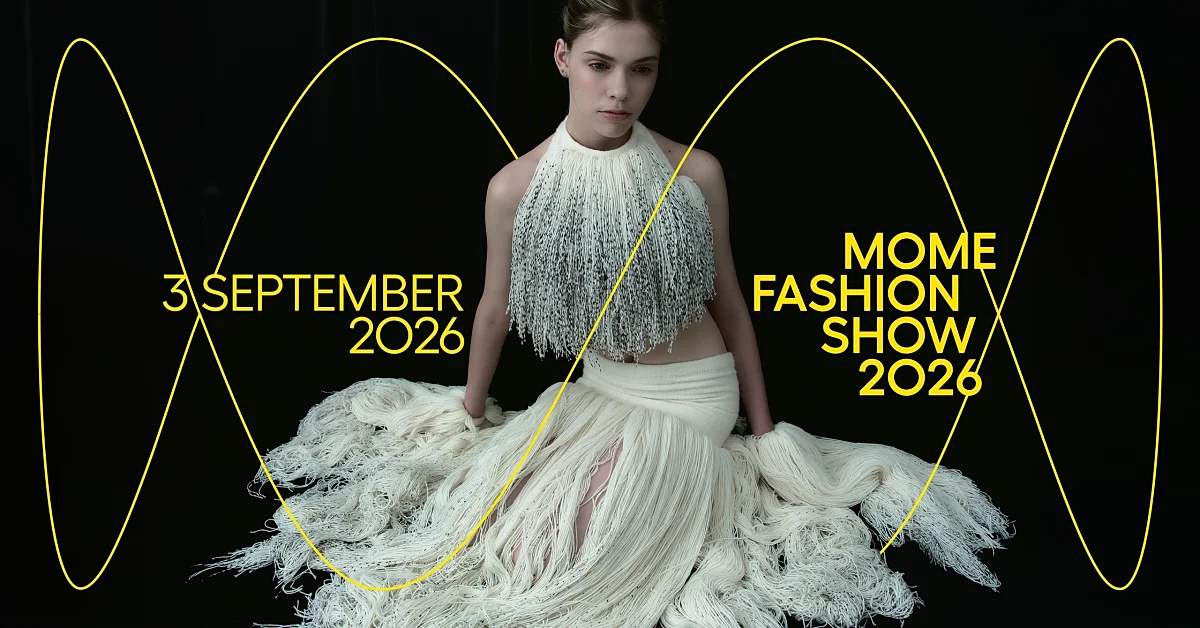
New design worlds unfold – The MOME Fashion Show 2026 is coming on 3 September
From new material compositions to complete collections
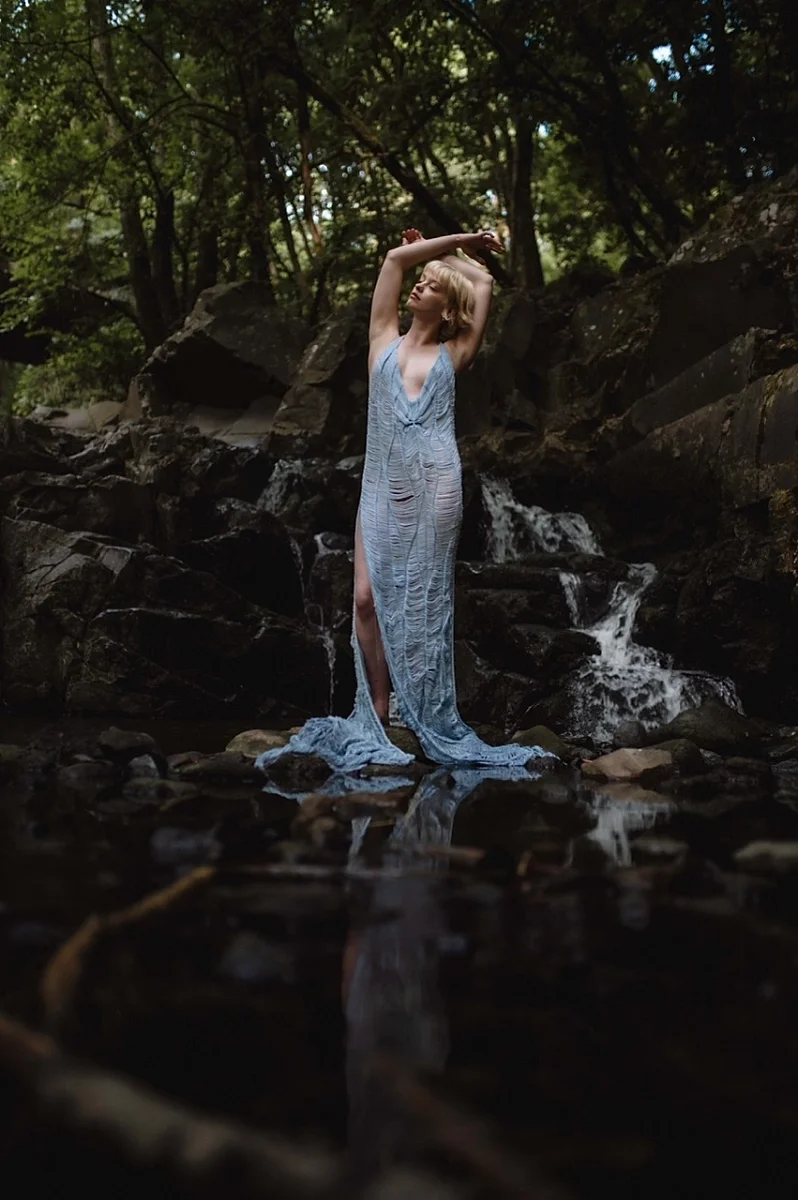
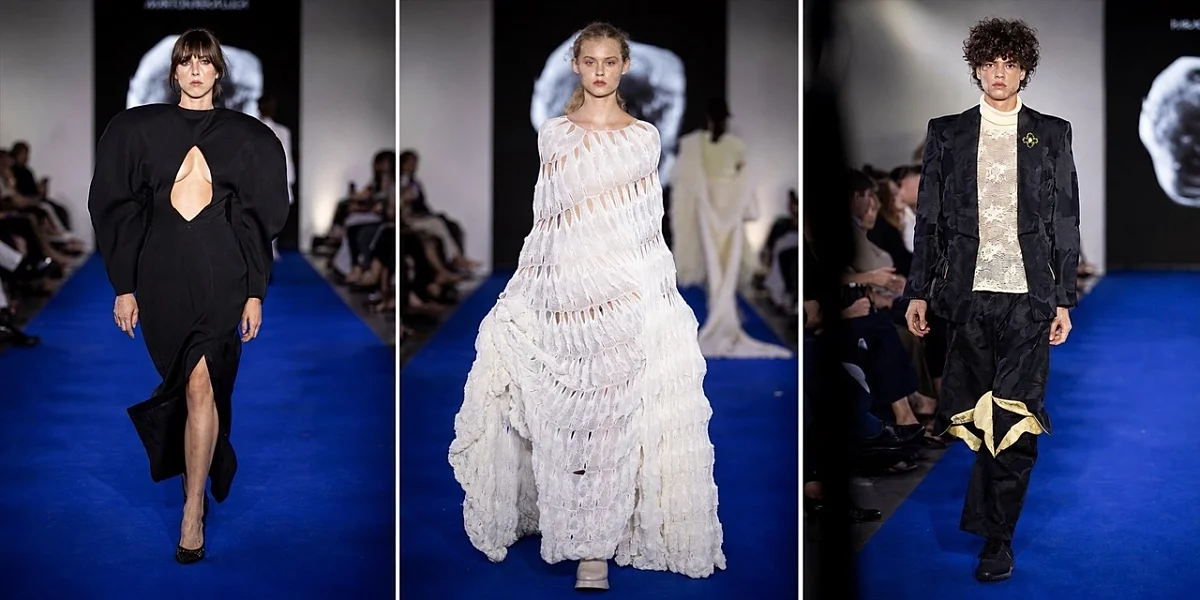
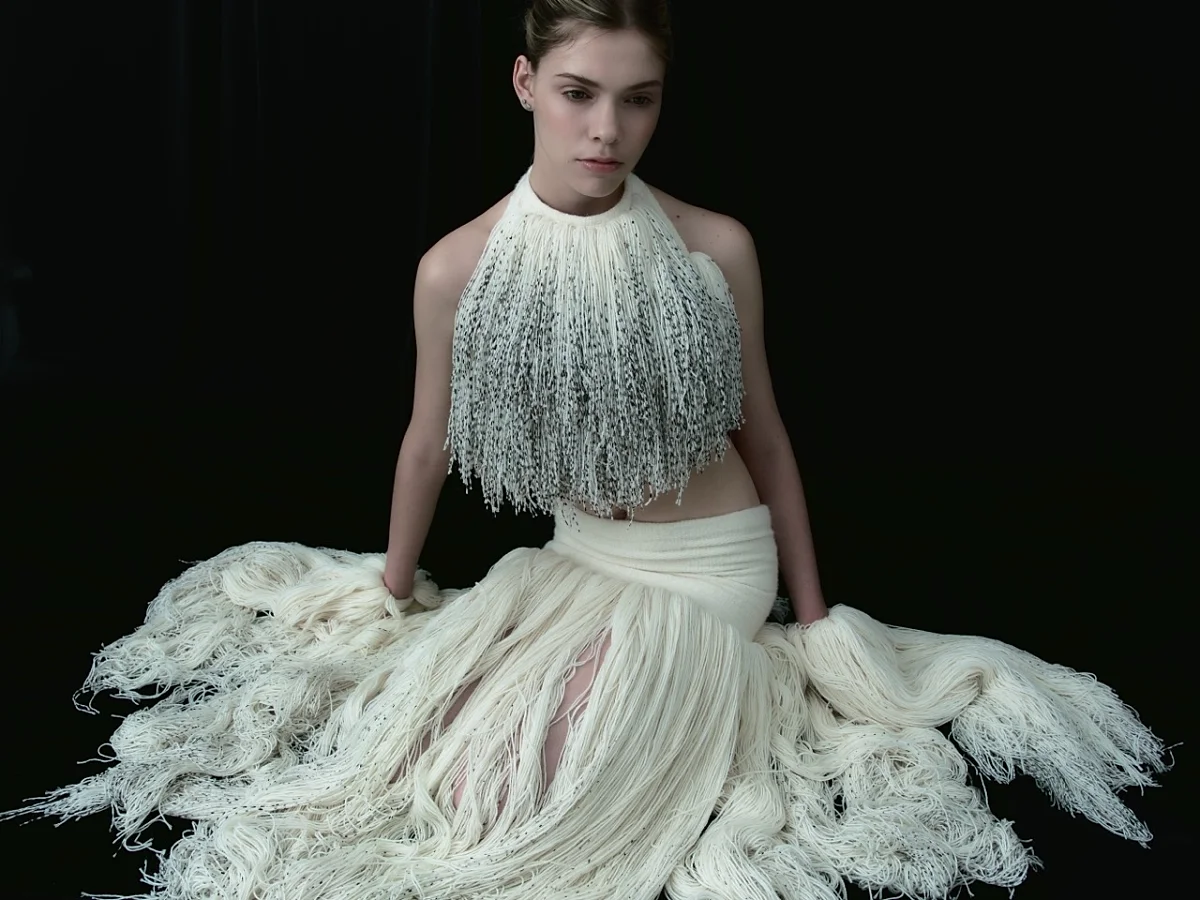
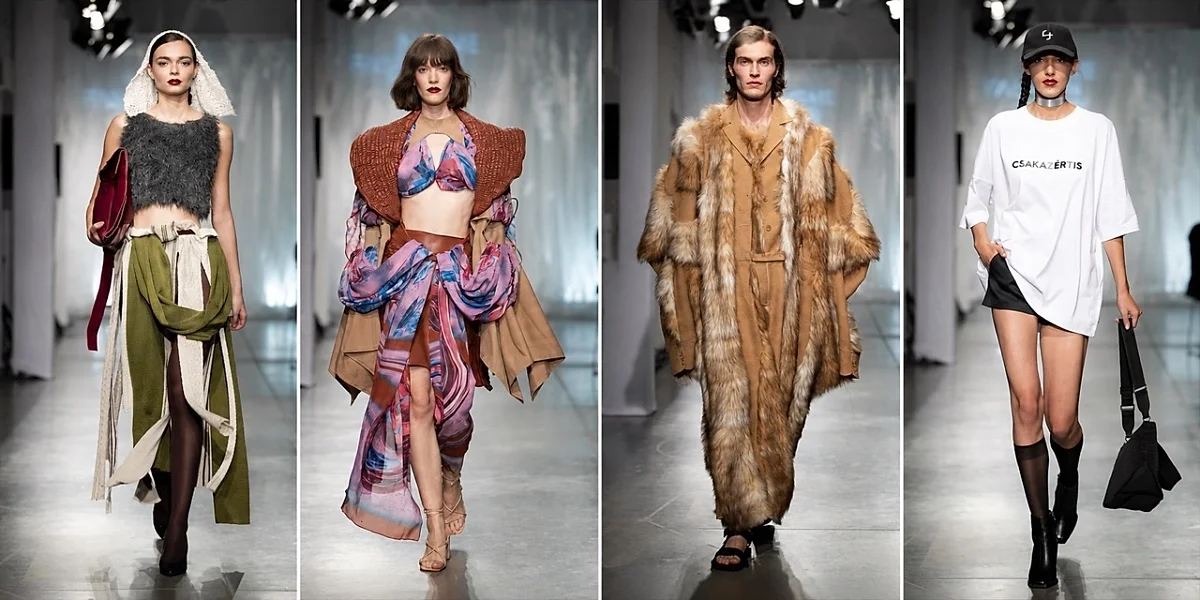
The MA students developed their final projects around individual research questions and personal sources of inspiration, following their own design programmes. The subjects and forms of presentation are therefore exceptionally varied: alongside clothing, footwear, and bag collections, the projects include material innovations, tactile textile systems, and spatial installations. Several MA projects will be shown on the runway, while others will be featured in the exhibition.
Boglárka Fodor’s collection The Performance of Perfection examines the tradwife aesthetic trending on social media. Through draping, distorted pattern cutting, and deconstruction, it shows how idealised femininity can become a repeated visual performance and, over time, an expectation that appears natural.
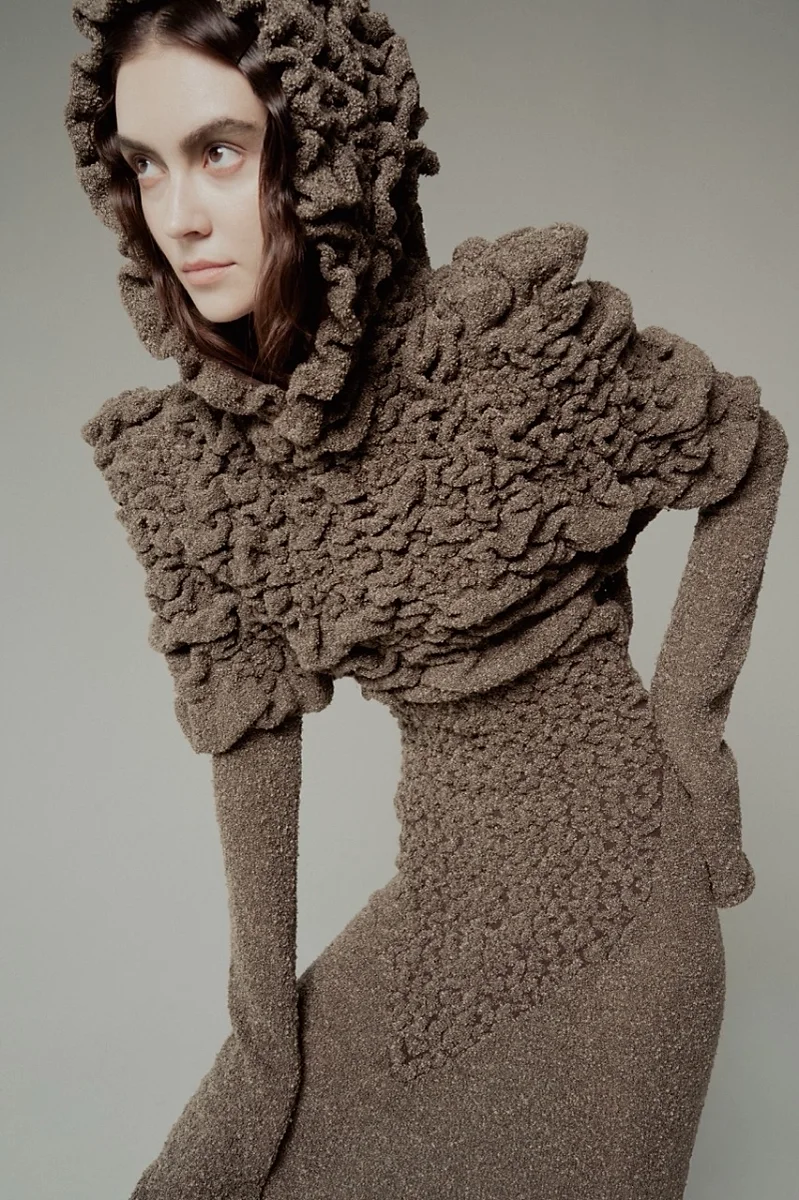
Vera Geszti’s Sensory City translates the physical and psychological effects of noise, overcrowding, and visual overload into knitted structures and silhouettes. Here, clothing also functions as a form of sensory and psychological protection. In Noémi Horváth’s Penumbra, the blurring, distortion and layering of shadows are explored through material manipulation, with a focus on the development of self-confidence.
Nóra Keresztes’s collection Traces draws inspiration from a tree in her family garden, translating its stages of growth and structure, alongside the distinctive patterns of fingerprints and handprints, through both craft and digital techniques.
Janka Szalay-Bobrovniczky’s knitted collection Metamorphosis draws a parallel between the biological transformation of butterflies and the inner changes experienced through yoga, while Nikoletta Diána Horváth has created a contemporary bridalwear collection in natural fibres, informed by the structural principles of Csetnek lace.
When the end is the beginning
The shared theme of this year's BA diploma projects is “When the end is the beginning”. When one door closes, another opens, as the saying goes. The completion of one chapter – in this case, a BA degree – inevitably marks the beginning of another. For this year’s graduates, finishing their studies means leaving behind a formative period in their lives and taking their first steps as independent designers.
The BA graduates explored the theme through literary, philosophical, psychological, social, art-historical, and personal lenses. They went on to develop it in ways that reflected their individual design identities, bringing it to life through material experiments, garments and accessories. Alongside endings and new beginnings, the runway projects explore physical and emotional transformation, the shaping of identity, and changes in the material world.
Poetic and innovative works in the accompanying exhibition
The exhibition features projects that are best experienced up close and in three dimensions. Orsolya Gerencsér developed soft and rigid biocomposites from spent grain, a by-product of brewing, exploring the material’s malleability, load-bearing capacity, and potential applications. Anna Edit Szöllősi’s installation, made from fire hoses, reveals parallels between plant root systems and urban utility networks, while Sára Schuler’s work transforms the gestures of digital culture into woven narratives that unfold gradually over time.
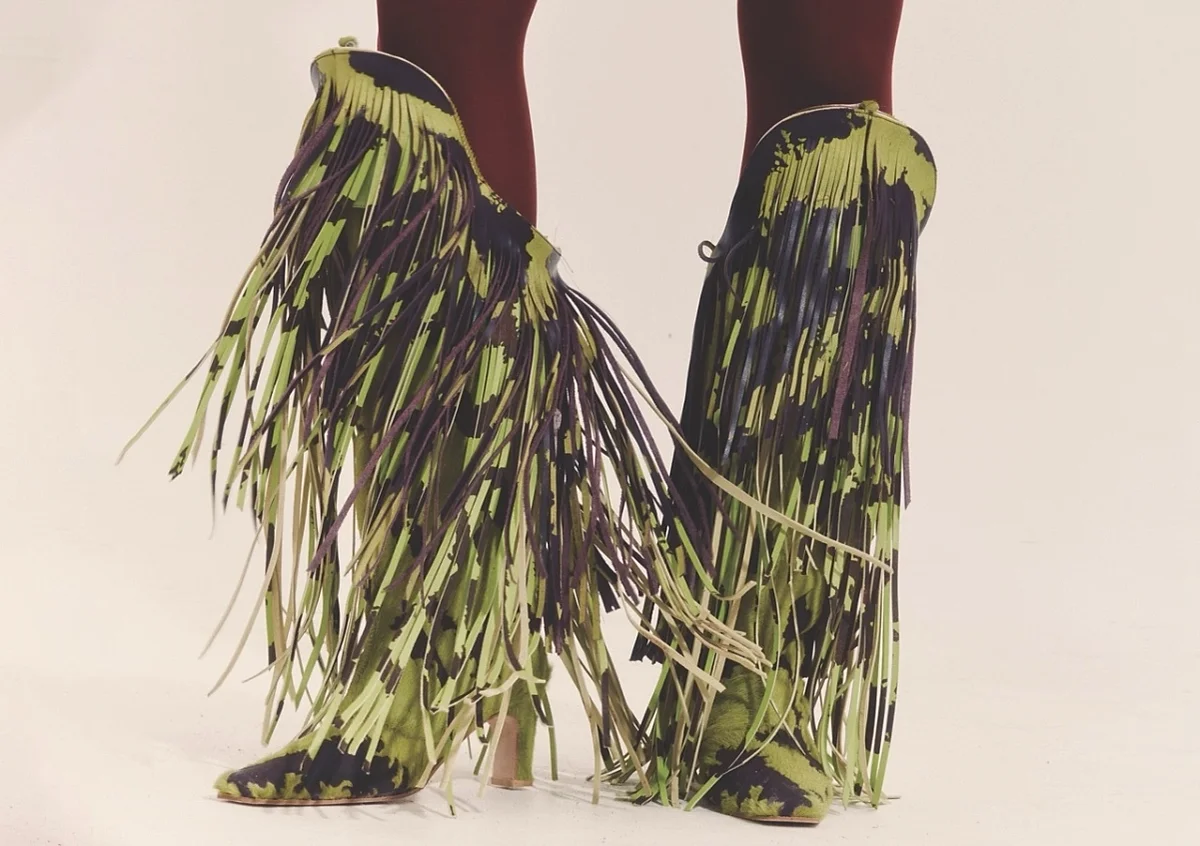
Alexandra Sebők’s system of interlocking tactile textile elements supports children’s storytelling and sensory learning. The exhibition also features adaptable bag and footwear collections, experimental fabrics, and material research: Stefánia Anna Biró presents modular footwear, Nóra Frankó’s REFOLD collection explores foldable bags, while Nóra Pasker uses constructions made from a single sheet of leather to explore the relationship between object, user, and adaptability.
The BA projects engage with themes such as crisis and recovery, play, erosion, loss, and renewal through footwear, bags, woven structures, and material experiments. These include Fanni Bárány’s Breaking Point, Anna Róza Draskóczy’s Communication Through Fur / Aquatic Ape Theory, Janka Göllönt’s House of Cards / Copper Flower, Sára Mária Mazgon’s What Remained Between Us, Kincső Szemerey’s When the End Is the Beginning and Míra Szilágyi’s Nothing Is Lost, Only Transformed, all of which will be shown exclusively as part of the exhibition.
A sustainable visual concept created with student involvement
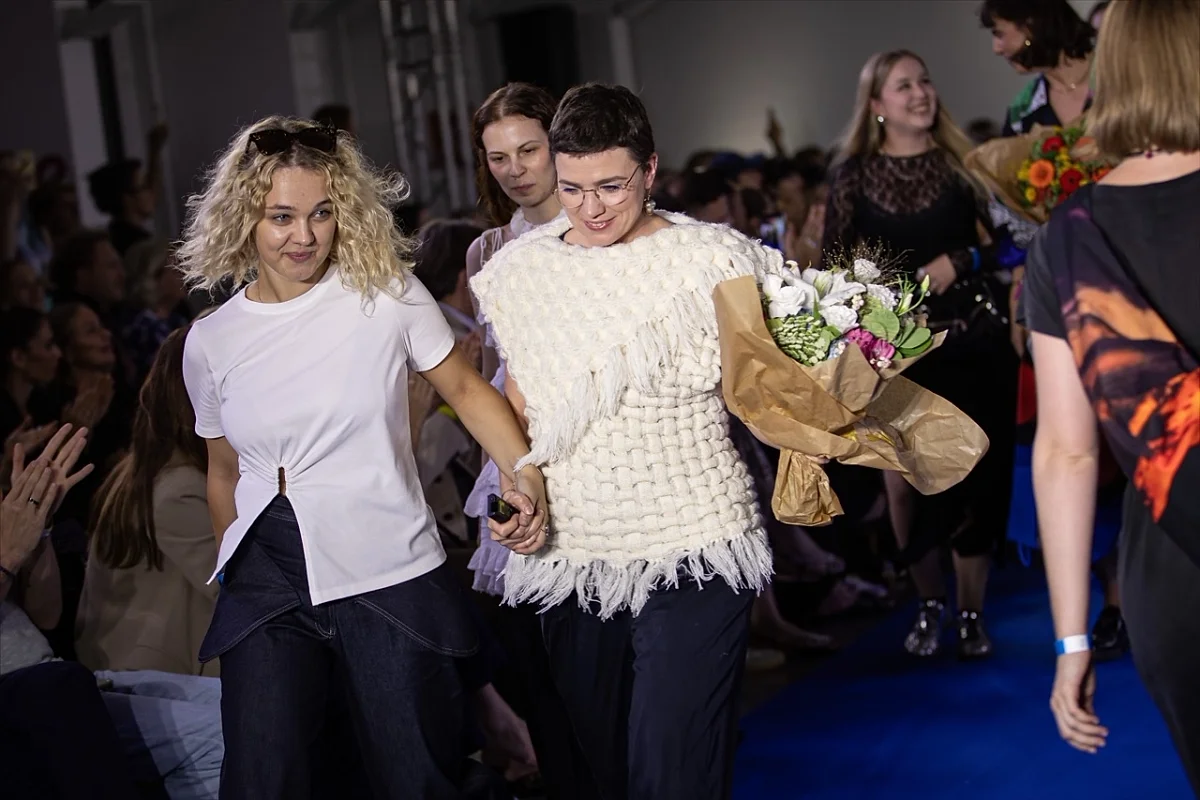
Students contribute to the event not only as the creators of the featured work, but also by helping shape its visual concept and taking part in its production. The runway backdrop is created by students Flóra Janurik, Lilla Laura Szabó and Norbert Lajhó by recycling banners, inspired by Tünde Újszászi’s Folded Canvas. Backstage operations and the students’ creative work are coordinated by Áron László, while the hair and make-up concept is developed by Ádám Kozák in collaboration with the students. Working closely with the graduating students, and involving them throughout the process, is an important part of their learning process. It also underlines that a fashion show is far more than the few minutes on the runway: it is the product of research, professional expertise, organisation, and the combined efforts of many creative disciplines. The fashion show and exhibition come to life under the curatorship of established fashion professionals Head of the MA programme Ildikó Kele and lecturer Dóri Tomcsányi, Head of the BA programme Annamária Simándi-Kövér, as well as curators and exhibition designers Csenge Vass and Viola Balázs, and is supported by Head of the Centre for Fashion and Textile Design Edit Szűcs.
More news