MOME students conjured up a visual world for Eötvös’s Mese
“The collaboration with Péter Eötvös, the Sound Dome, and the BMC is a huge opportunity for us”, said Rector József Fülöp. “MOME wants to make use of the potential in new technologies and interfaces available in Hungary, incorporating them into artworks to help unpack and add to the message. The Sound Dome in the House of Music is an extraordinary location providing artists with the opportunity to take a different approach to motion pictures, creating immersive works that were previously impossible to make”, he added.
The maestro’s long-held dream was to have a visual accompaniment to his composition using motifs from one hundred Hungarian folk tales. “I want the acoustic experience to spark the same vision in students as if they were at the theatre. Making the visible audible, and the audible visible seems like a marvellous concept, a vision from the future to me”, said Péter Eötvös previously, commenting on his work of music. Now all that has been turned into reality in a new, innovative way.
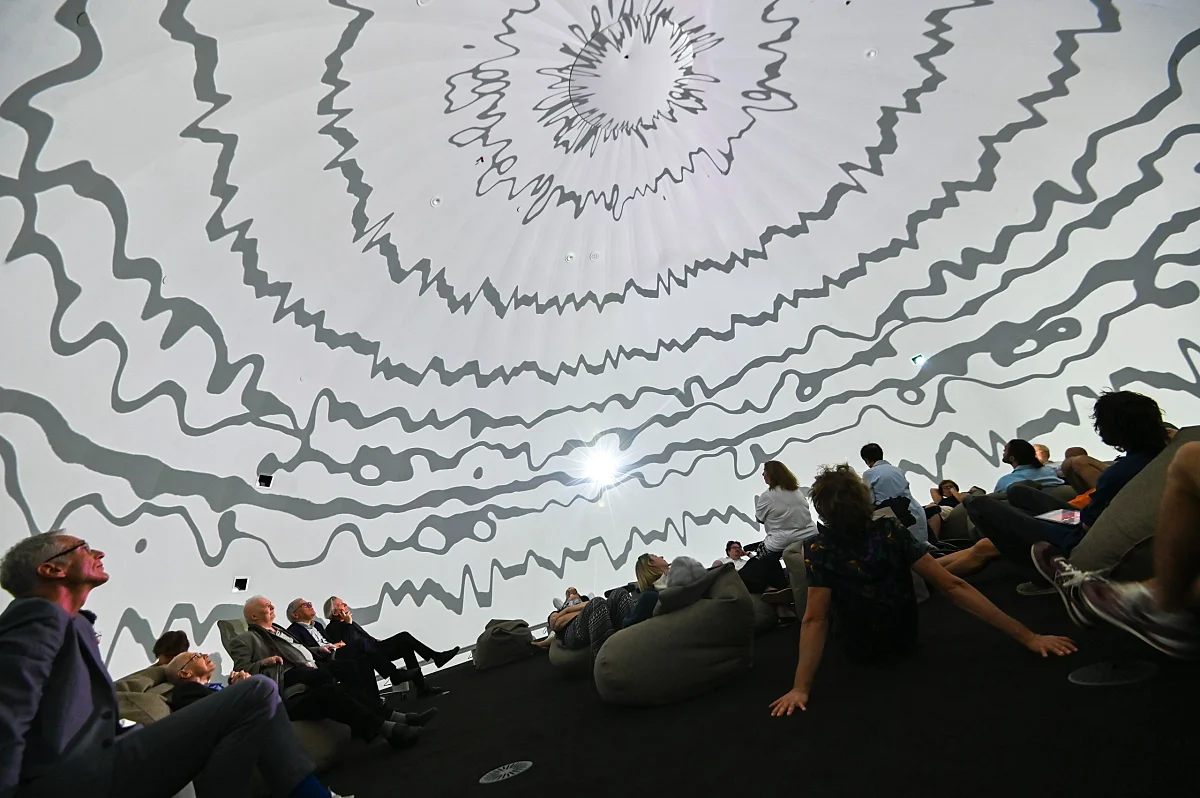
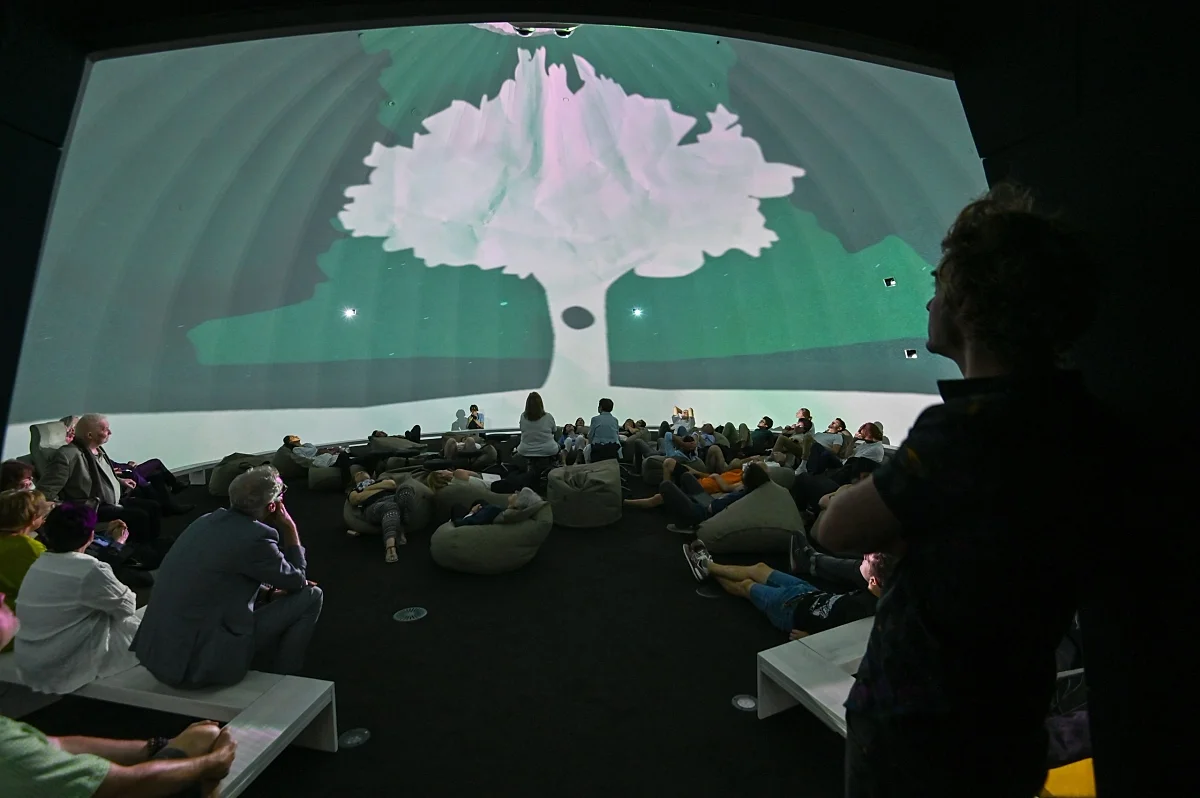
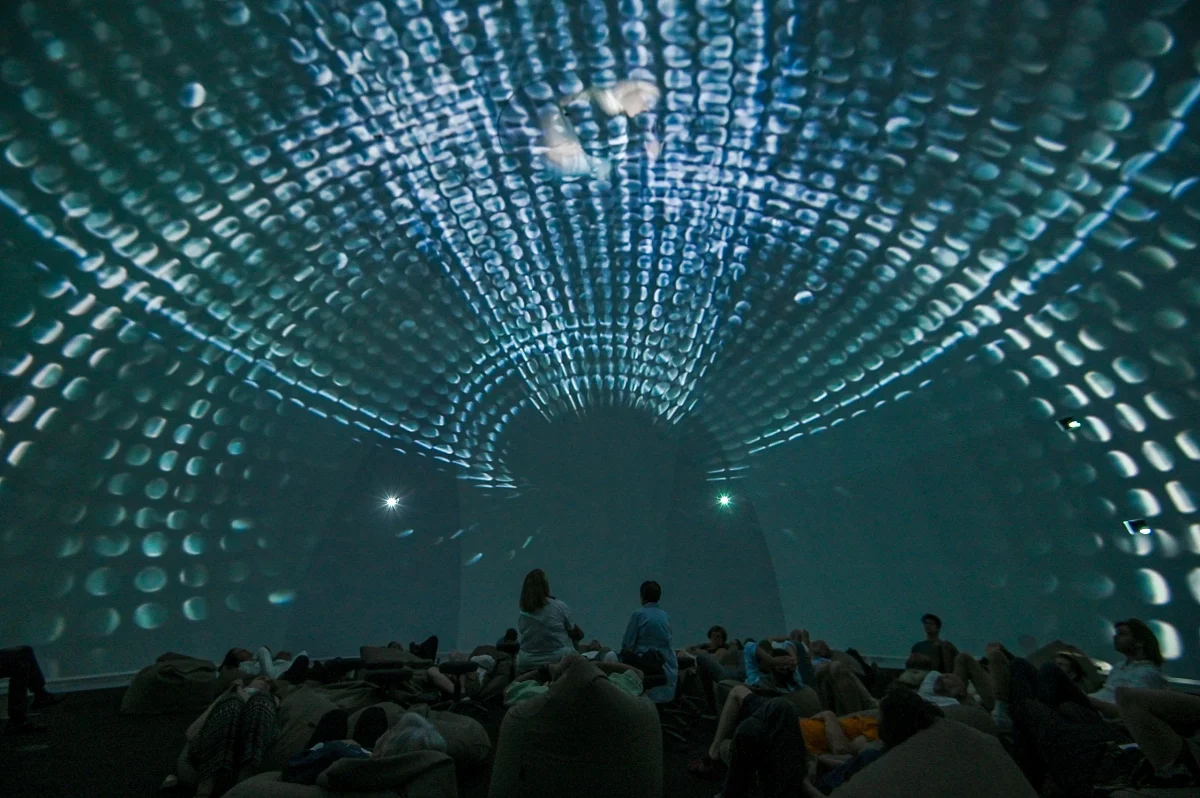
The visual world and the animations were created by MOME Media Design students, who had the opportunity to consult Eötvös throughout the entire course, following the composer’s instructions. The works of the five featured students Ákos Székely, Nóra Siteri, Adrienn Horváth, Máté Szőnyi and Bori Takács were selected by Head of the Media Design BA programme Attila Pálfalusi and Péter Eötvös together from the completed projects. After viewing the artworks, the composer expressed his appreciation to the students, explaining how the five magnificent works were each an independent visual representation of his 101th tale in its own way. “In some way each is connected to Mese, thankfully not as an illustration but rather as a unique visual reflection”, he said.
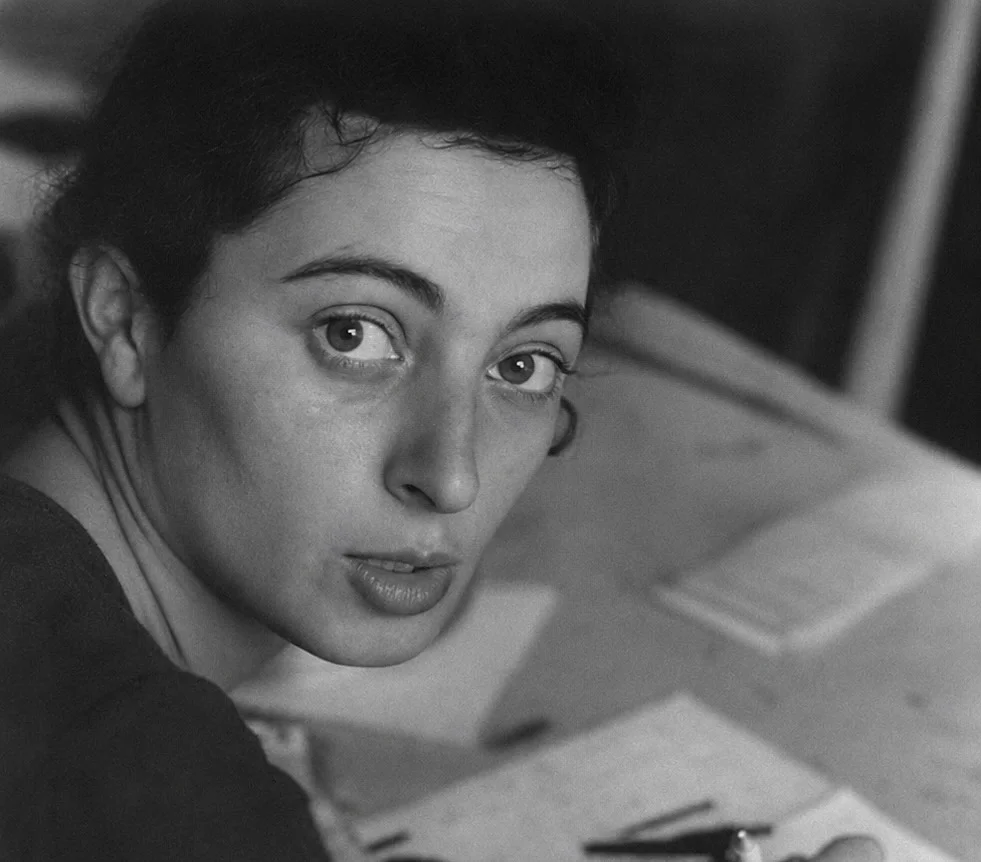
After researching the dramaturgy of one hundred folk tales in the 1960s, Kossuth Award-winning composer and conductor Péter Eötvös created his iconic composition as the 101th tale, catapulting him into the elite of the music scene. His 12.5-minute-long audio play – a hyper tale condensed into music – was composed in 1968. The narrator and impersonator or the various characters, the brilliant actress Piroska Molnár was his first wife, who read out all 100 Hungarian folk tales aloud. The 101th tale was created by the composer from the resulting audio material in the language of music. The recordings were made in Budapest, and used by Eötvös to create the electronic composition at the studio of Radio Cologne.
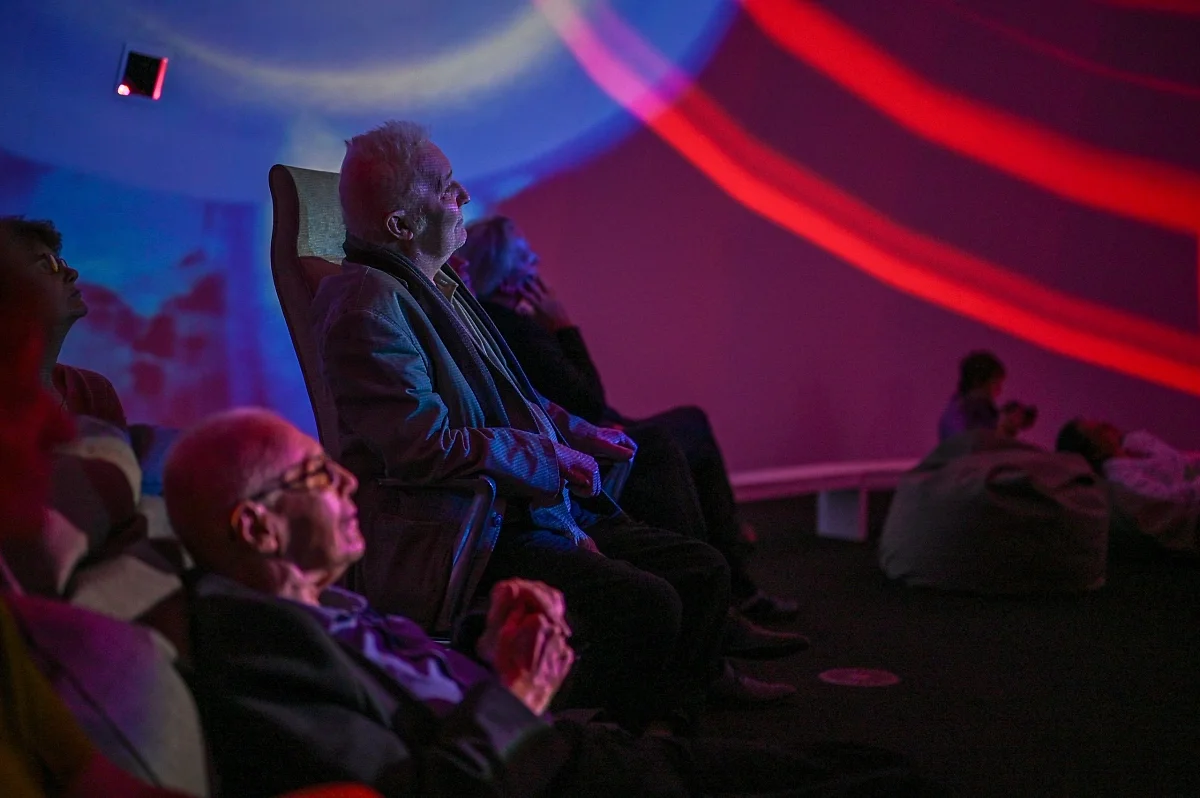
Designed for the 360-degree projection screen of the Sound Dome in the House of Music, the work offering a unique acoustic and visual experience will premiere at the Intermezzo Festival, and will be screened multiple times from October.
Source: http://eotvosmusicfoundation.org/
More news