MOME launches its Future Heritage programme

Date: 2023.10.18
Whose footsteps are we following in when entering the MOME Campus? Who has been shaping MOME over the decades and what legacy are we carrying on? The MOME Future Heritage programme may answer these questions, whether for staff that have been with us for decades or new students. We can get a glimpse into our shared history through works of art and installations embodying our heritage, many of which are displayed across the Campus. The sculptures and signs pay homage to some exceptional figures who had shaped the University’s life and role in the Hungarian and Central European design scene.

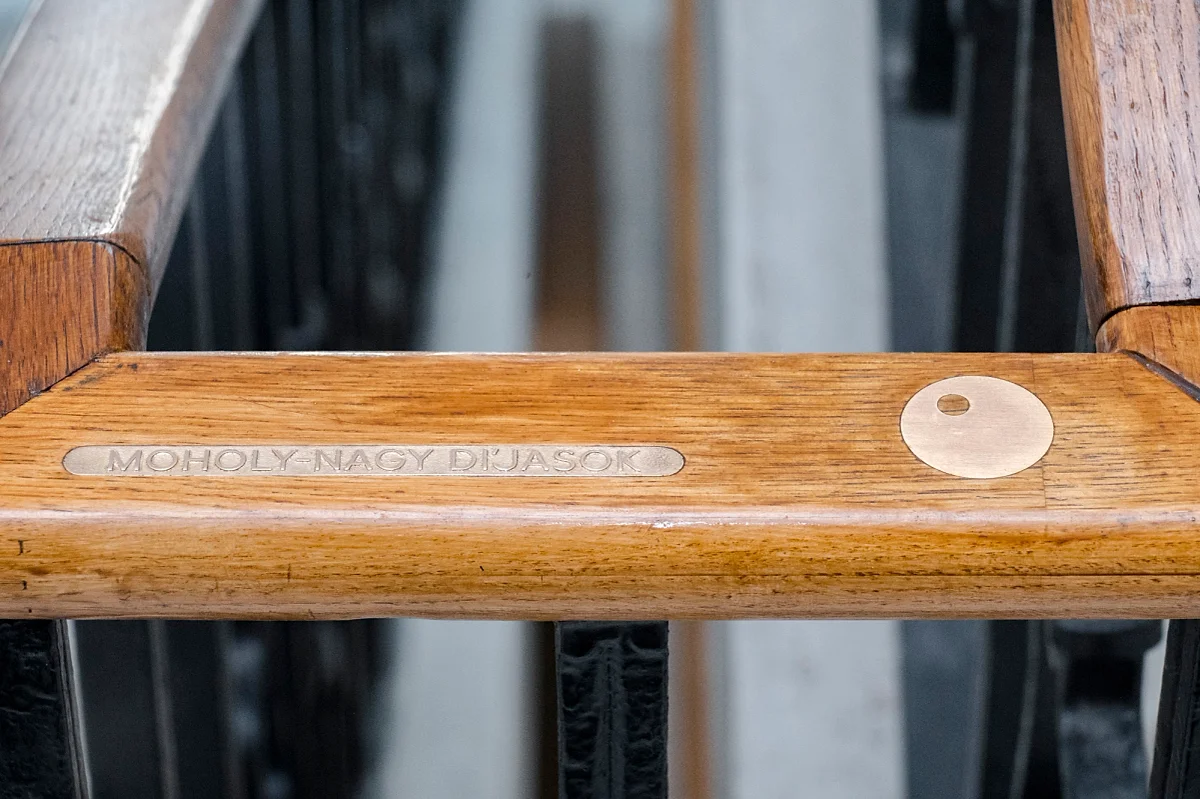
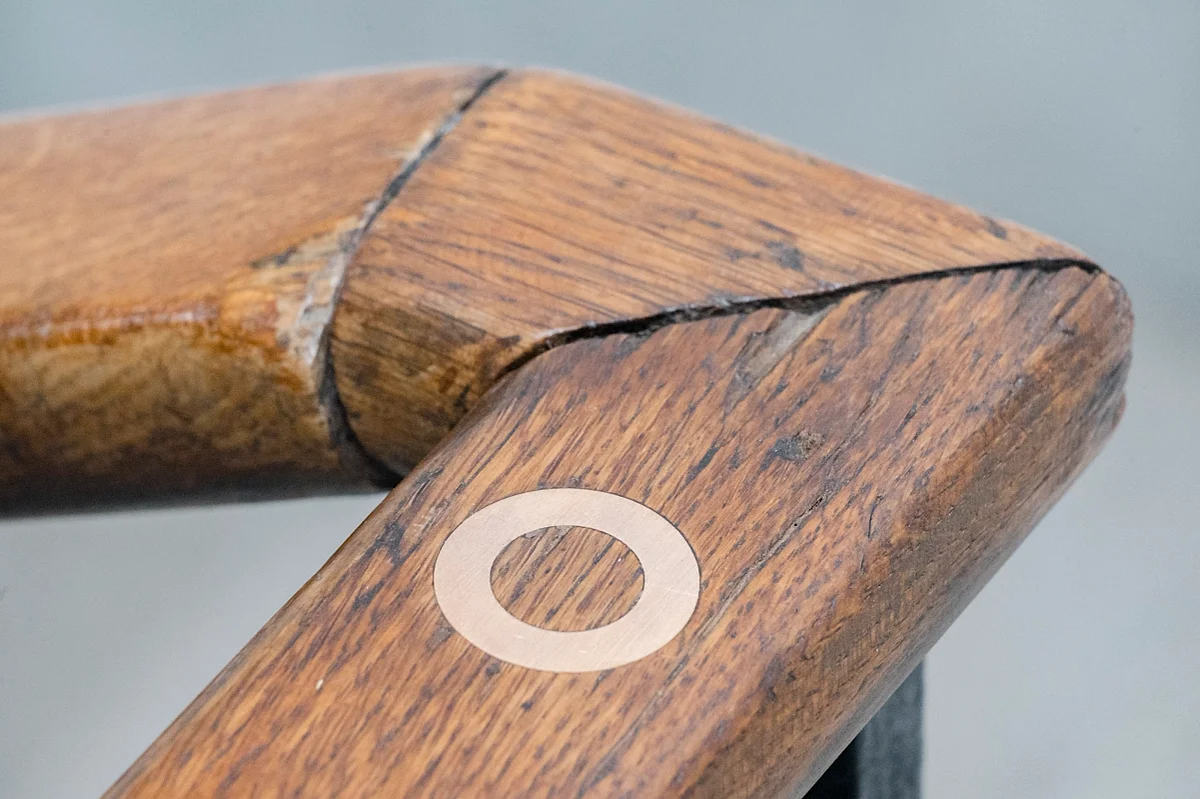
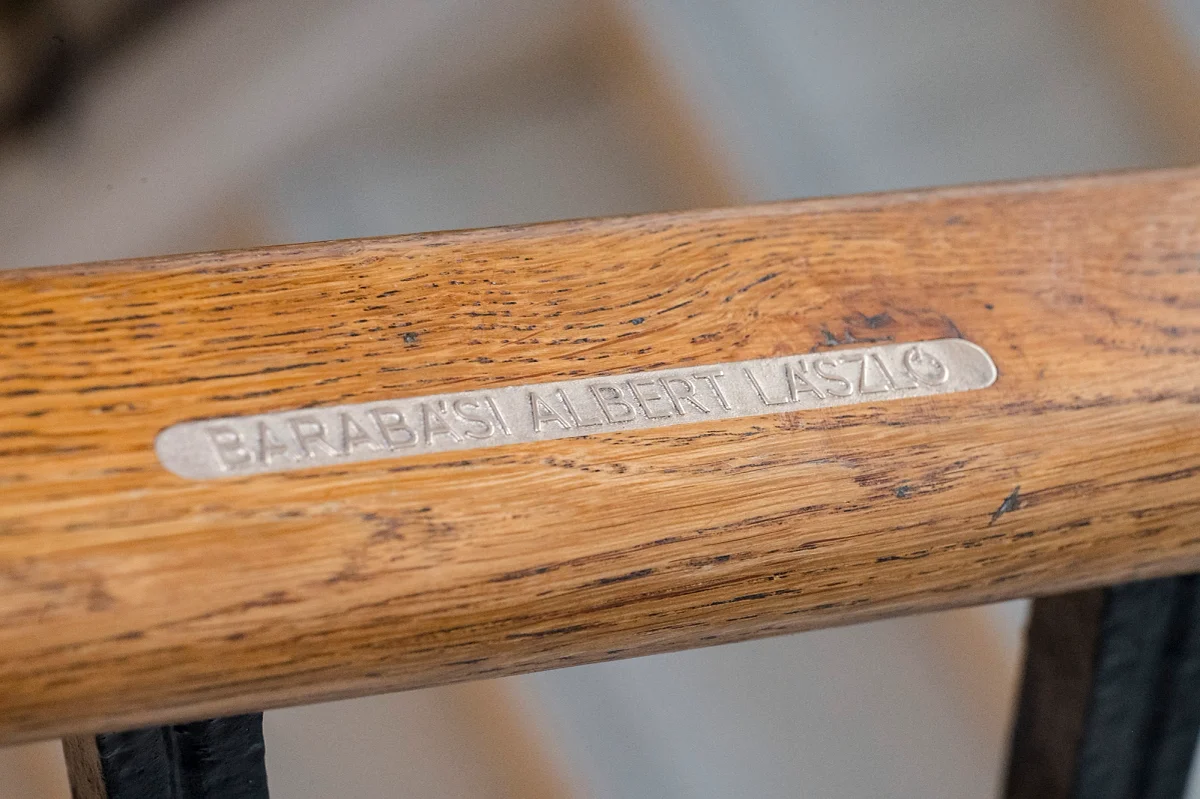
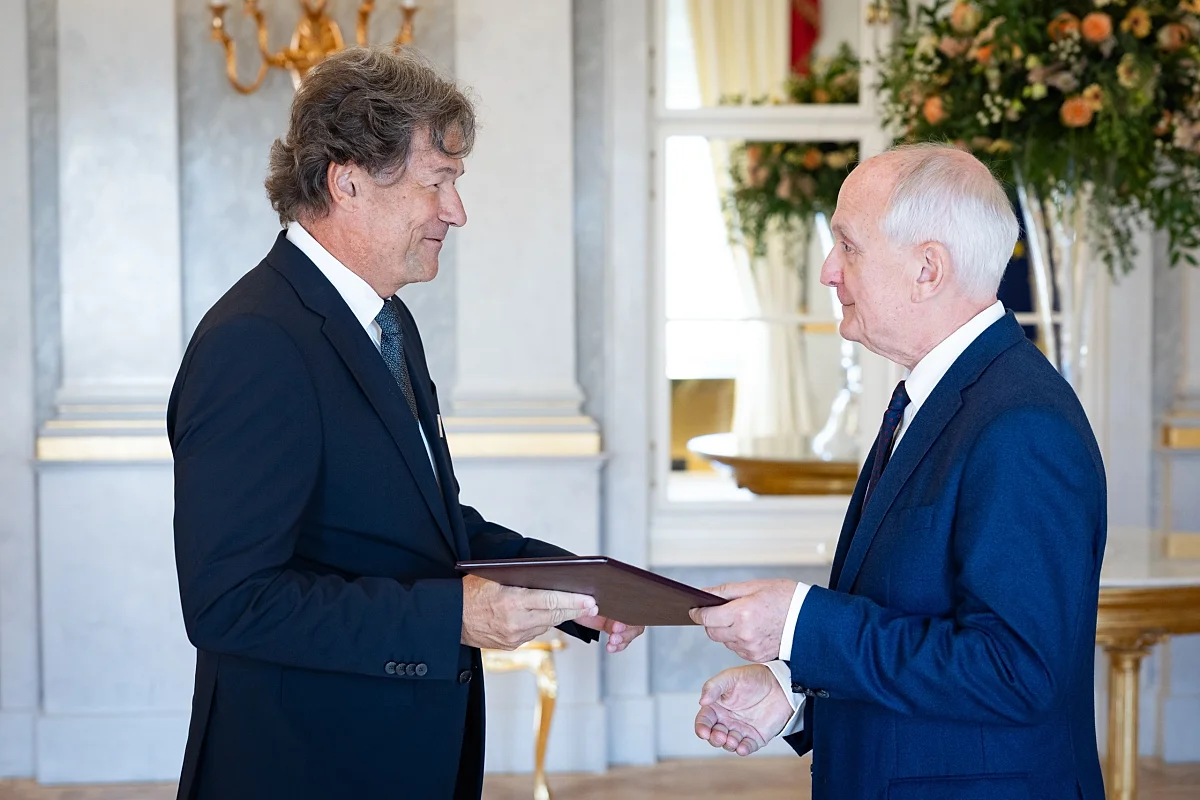
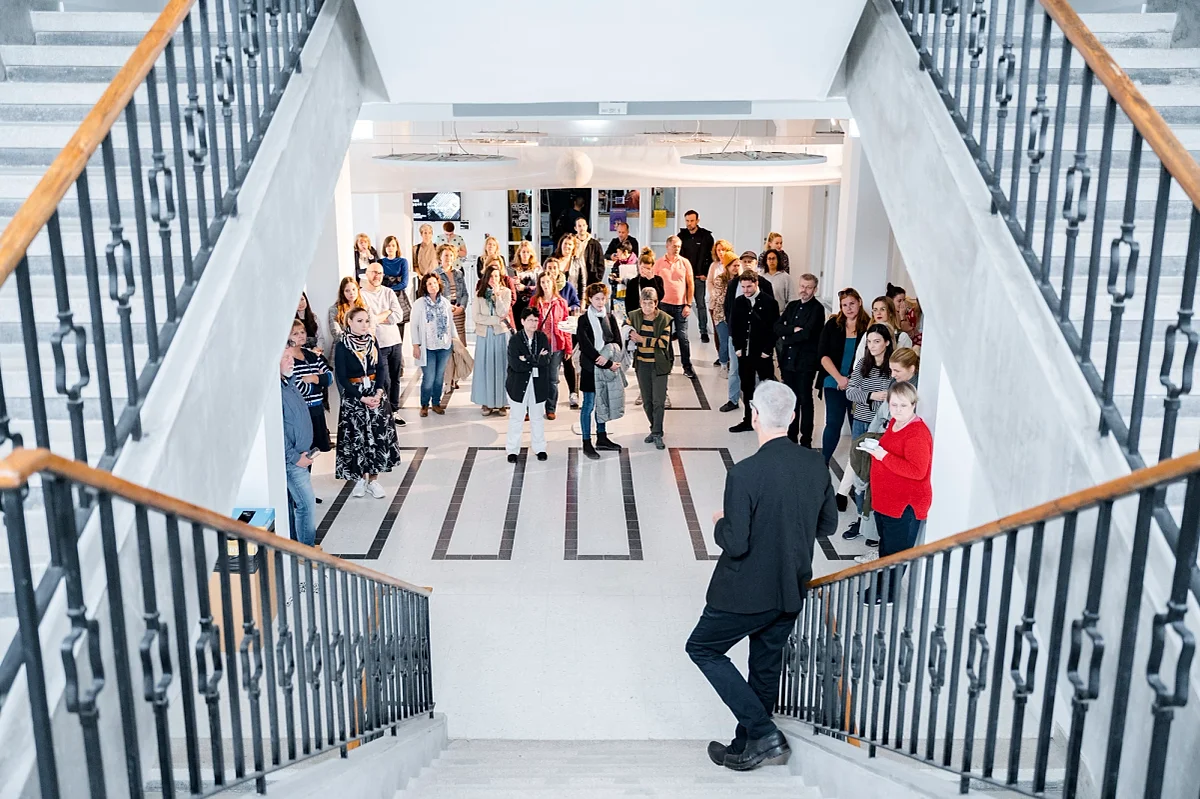
The Moholy-Nagy Stairs was unveiled first. The names of our Moholy-Nagy laureates are slowly revealed to us on the banister with every step as we climb the stairs, following in the footsteps of our eponym. Since 2006, the award is presented each November to individuals whose outstanding creative activity is founded on the same values as those of the university and its eponym. Previous Moholy-Nagy laureates include world-famous Hungarian-born designer Stefan Lengyel, inventor of the Rubik’s Cube Ernő Rubik, one of the greatest product designers of our age Dieter Rams, who became known worldwide as Braun’s lead designer, art historian Krisztina Passuth, network researcher Albert-László Barabási, and architect and our teacher Zsófia Csomay.

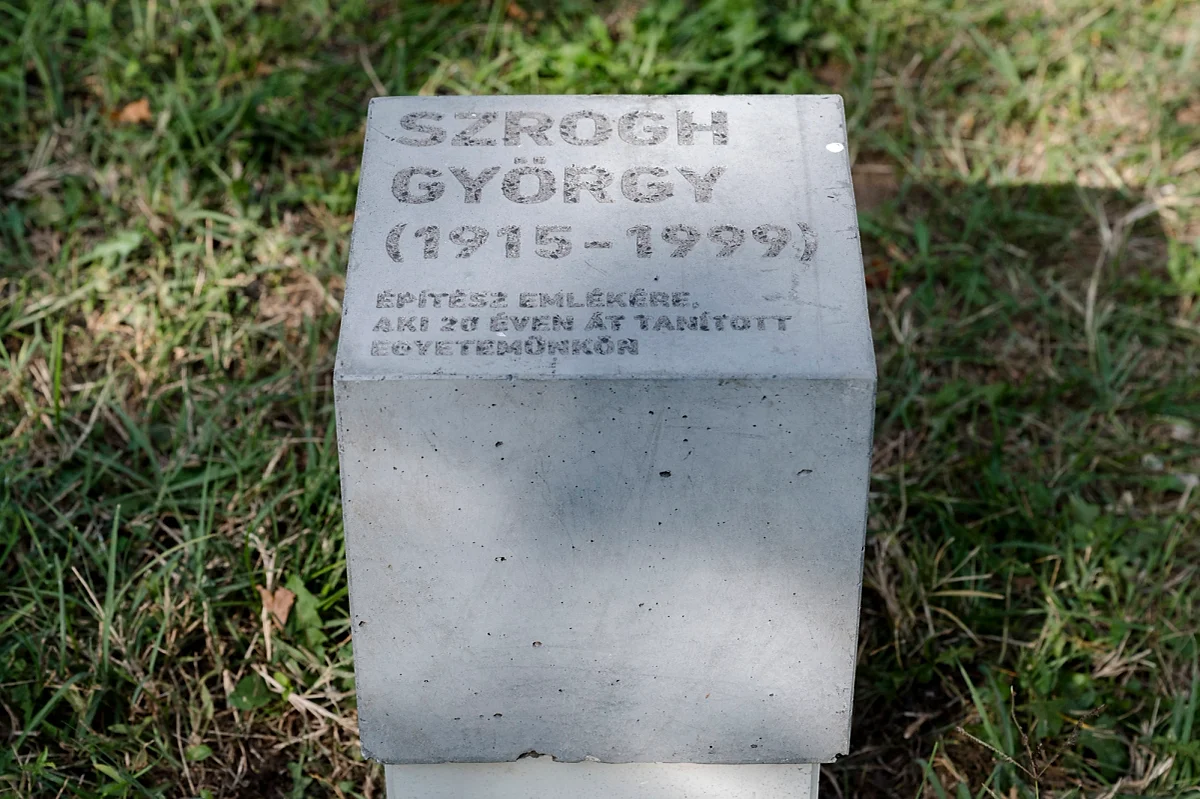
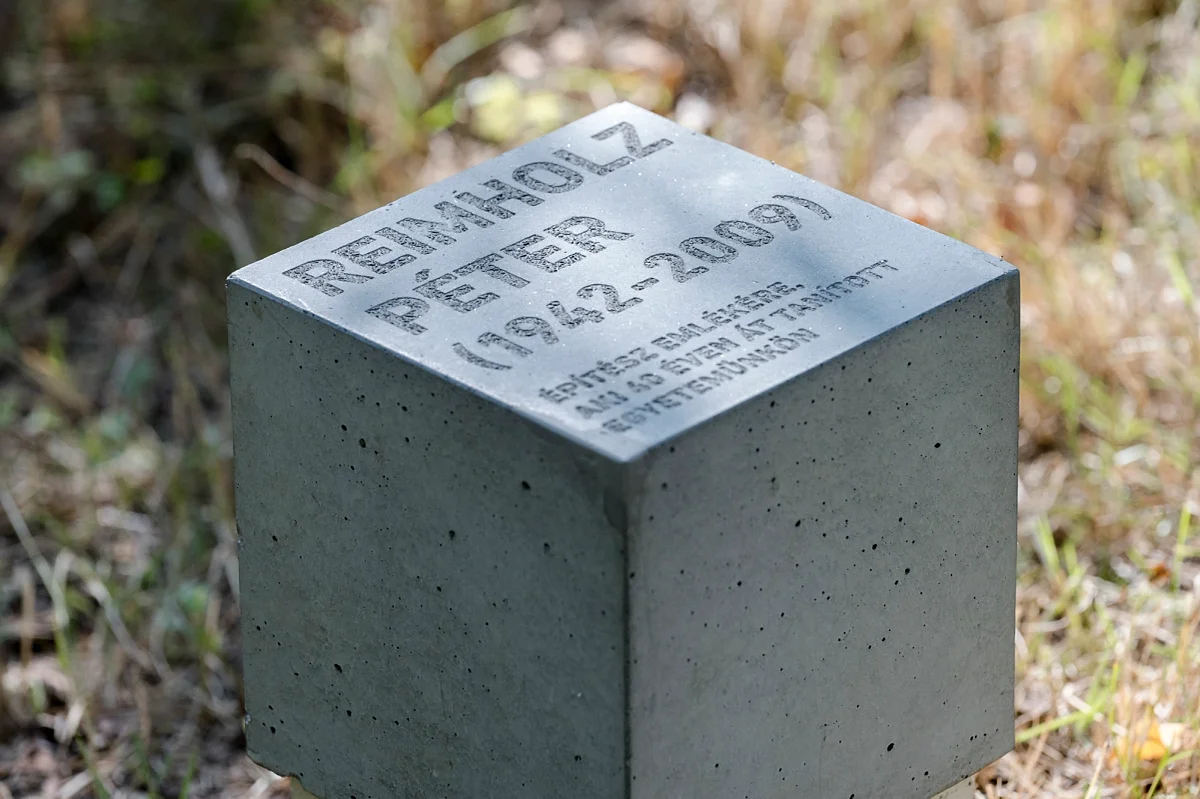
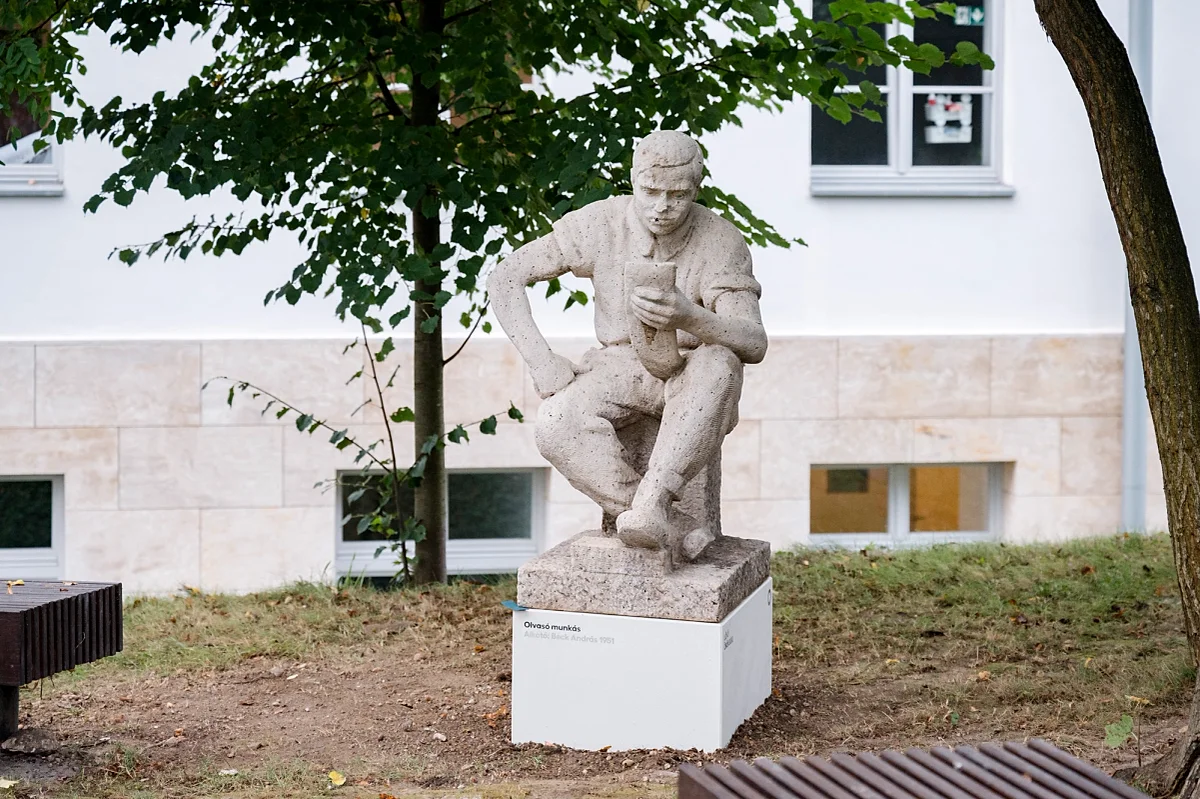
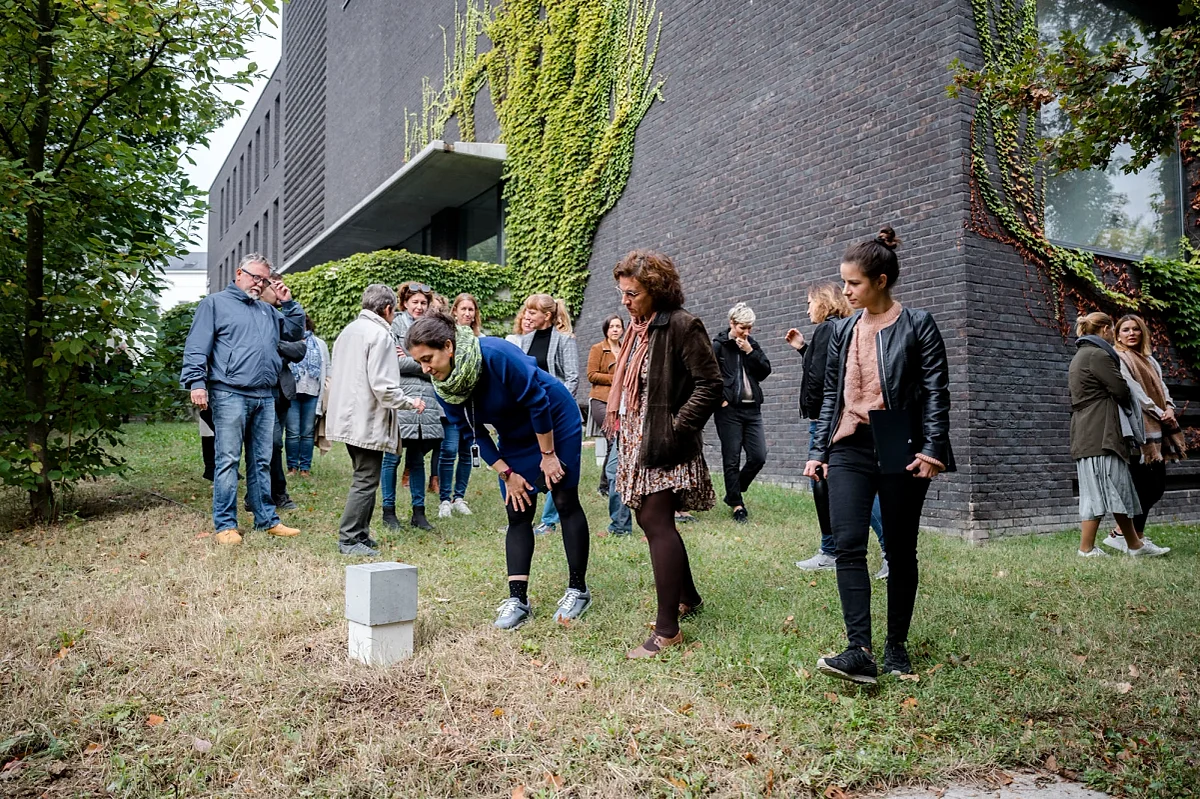
The small concrete cubes and sculptures located next to the building honour the memory of our great role models – our architecture teachers. Péter Reimholz, who had been teaching at MOME for over 40 years, and György Szrogh, who had been heading the former Architecture Department for 20 years from 1966, each received a concrete cube in the park. Sculptures previously located here will soon be returned to the Campus park, including the Reading worker, a statue created by András Beck in 1951, and already been moved to a new, impressive spot, and the bust of art historian, prominent teacher and later rector of the Hungarian College of Applied Arts Frigyes Pogány, which will find its true place in spring 2024. 

More news
A 2026. április 12-i választással egyértelmű és megkérdőjelezhetetlen felhatalmazás született a tudományos szabadság és a felsőoktatási autonómia maradéktalan helyreállítására, valamint a szférának az Európai Kutatási és Felsőoktatási Térségbe való visszatérésére. A MOME Szenátusa ezúton kinyilvánítja, hogy élni kíván a változás lehetőségével, ezért a továbbiakban autonómiájának újjáépítésén fog dolgozni.
A „Helyzet van!” programsorozat nemcsak beszélgetést indít, hanem konkrét válaszokat is keres arra, hogyan lehet biztonságosan és felelősen működni egyetemi közegben. Nem mindig egyértelmű, hogy egy helyzet „belefér-e”, vagy már határsértő. A MOME tavasszal indított kezdeményezése ezekhez kínál kapaszkodókat: hogyan működnek a szabályok a gyakorlatban, és hova lehet fordulni, ha kérdésed van. Folytatjuk dr. Sebestyén Andreával (jogász, tréner, coach) indított beszélgetésünket, ezúttal ezekről a határhelyzetekről.
„Helyzet van!” – mondjuk, amikor érezzük, hogy valami nincs rendben, de nehéz pontosan megfogalmazni, hogy mi zavar bennünket, mit tehetnénk. A MOME szemléletformáló programsorozata épp ezekre a helyzetekre keres közös nyelvet: hogyan lesz egy szabályzatból valódi gyakorlat, és miképpen lehet biztonságosabban működni egy kreatív közösségben. A 2026 márciusában indult eseménysorozat szakmai vezetőjével, egyik szakértőjével, dr. Sebestyén Andreával (jogász, tréner, coach) beszélgettünk a határokról, a felelősségről és a tudatosságról, valamint arról, hogy mi kell a változáshoz.
Member of the European
Network of
Innovative
Higher Education Institutions
9 Zugligeti St,
Budapest, 1121