MOME innovation: a special ring to boost the resilience of saplings
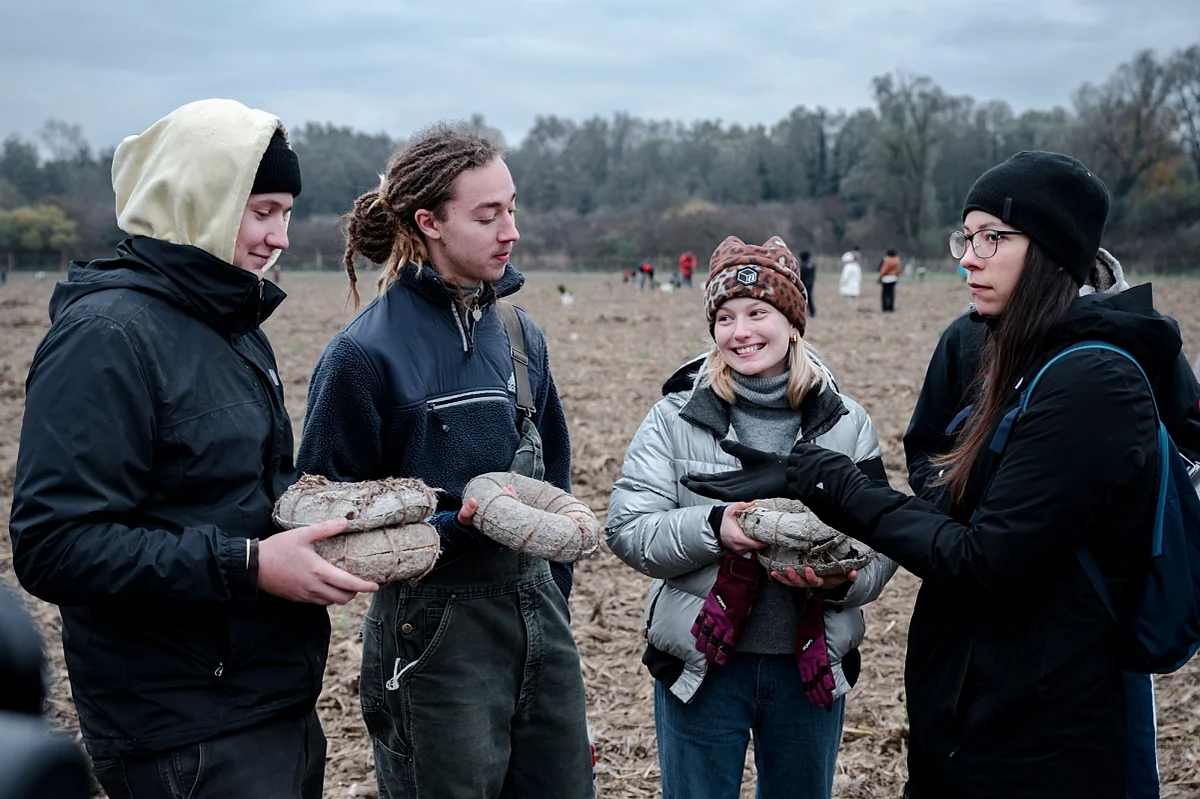
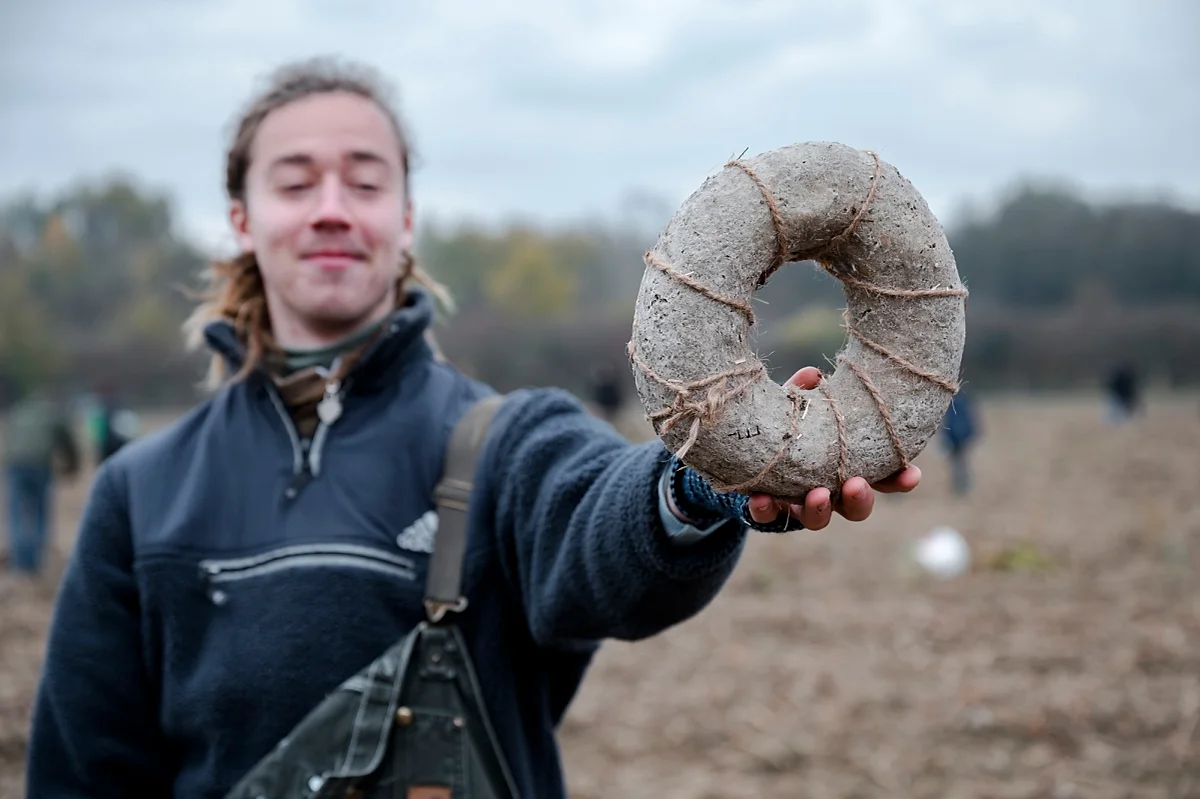
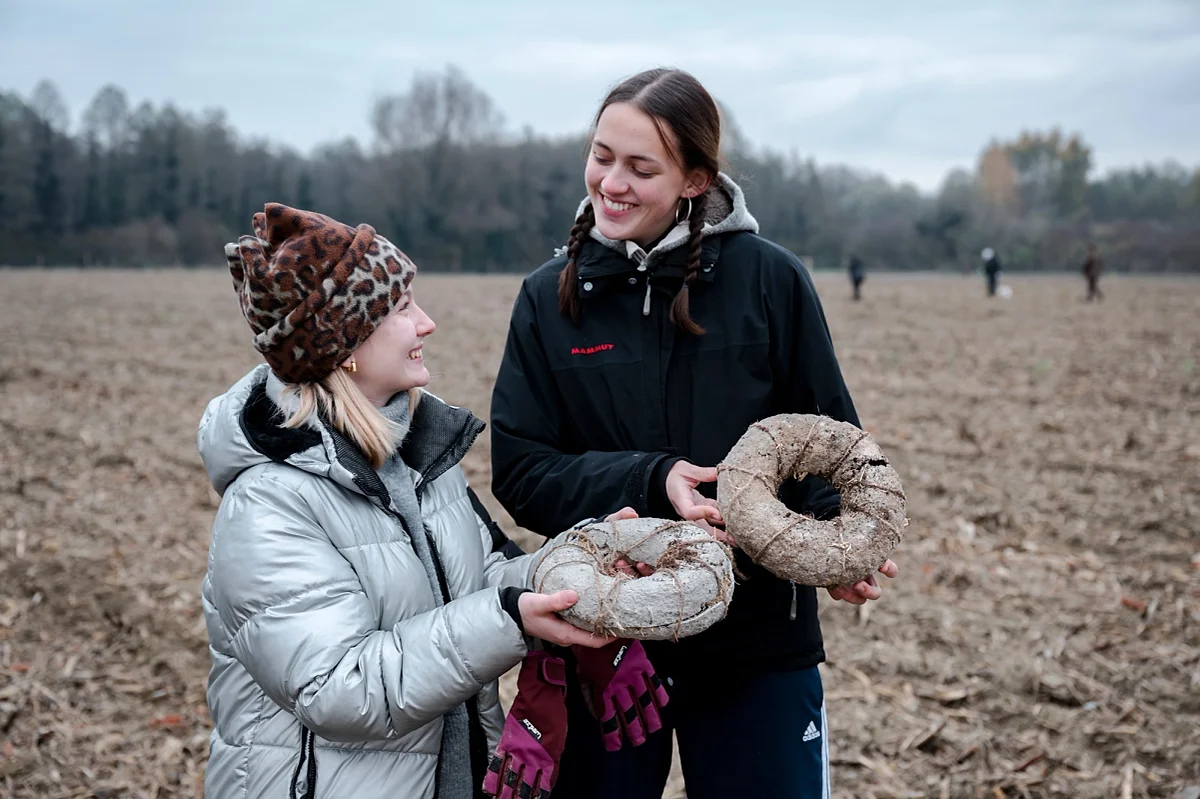
Developed as part of the MOME Design Solfege course, the unique Green Cradle ring improves the survival chances of newly planted saplings during their most critical first five years while reducing maintenance demands and costs. The ring contains mycorrhizal fungal filaments, cattle manure, topsoil, and a special wildflower seed mix – all biodegradable and thus suitable for nature reserves – and the designers hope it will result in more resilient and climate-adaptive forests. With support from MOME Zero, ten prototypes were produced in just three weeks and are now undergoing real-world testing in the freshly planted MOME Forest at Vízvár.
The MOME Zero initiative was launched two years ago, following a strategic agreement between the MOME Foundation and three Hungarian national parks – the Balaton Uplands National Park, the Danube-Drava National Park and the Duna-Ipoly National Park – to plant continuous-cover forests and new natural habitats across more than 50 hectares at three different sites. Supported by forestry, ecology, and conservation experts, the university community is committed not only to planting but also to the long-term care of these new forests. The mission of the initiative is to offset MOME’s carbon footprint and demonstrate the immense power of taking competent and meaningful joint action to students, while offering them practical tools to reduce climate anxiety. The project began last year near the Kis-Balaton and has now continued along the Drava River. This year, 170 students and 60 staff members came together to plant 30,000 saplings, bringing new growth to nearly seven hectares of land.
The team eagerly looks forward to the next growing season, during which the prototypes will be closely monitored. Over the coming six months, the seven-student team behind the project will continue to refine their innovative design. The team members – Hajnalka Bakai (Object Design), Marcell Maxim Eigner (Textile Design), Domonkos Horváth (Product Design), Izabel Horváth (Textile Design), Panna Jójárt (Design Culture), Fanni Alexandra Kozma (Object Design), and Orsolya Simon-Pál (Product Design) – are guided by mentor Dénes Sátor, with professional support for the project is provided by MOME Zero experts Dániel Barcza, Éva Tornyánszki, and Szilvia Weisz.

More news