Janka Csernák and Márton Magyari receive the 2026 Aurum Futuri Award
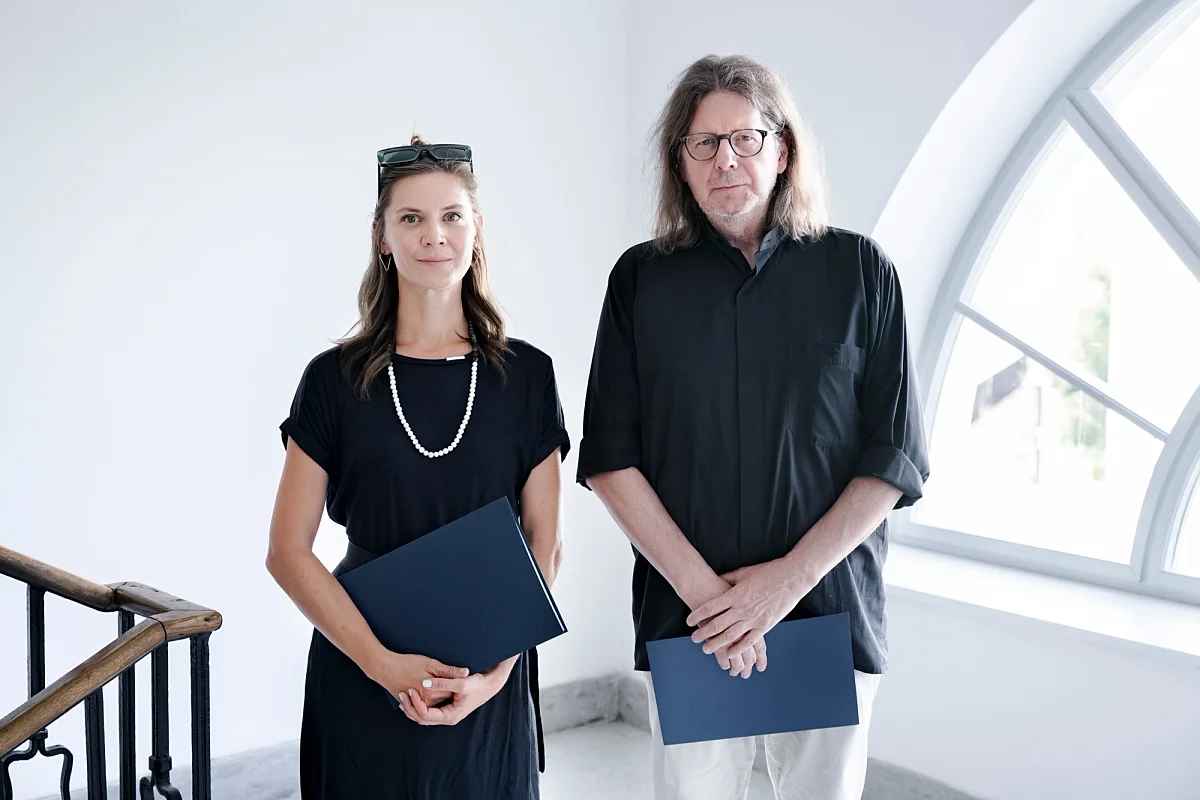
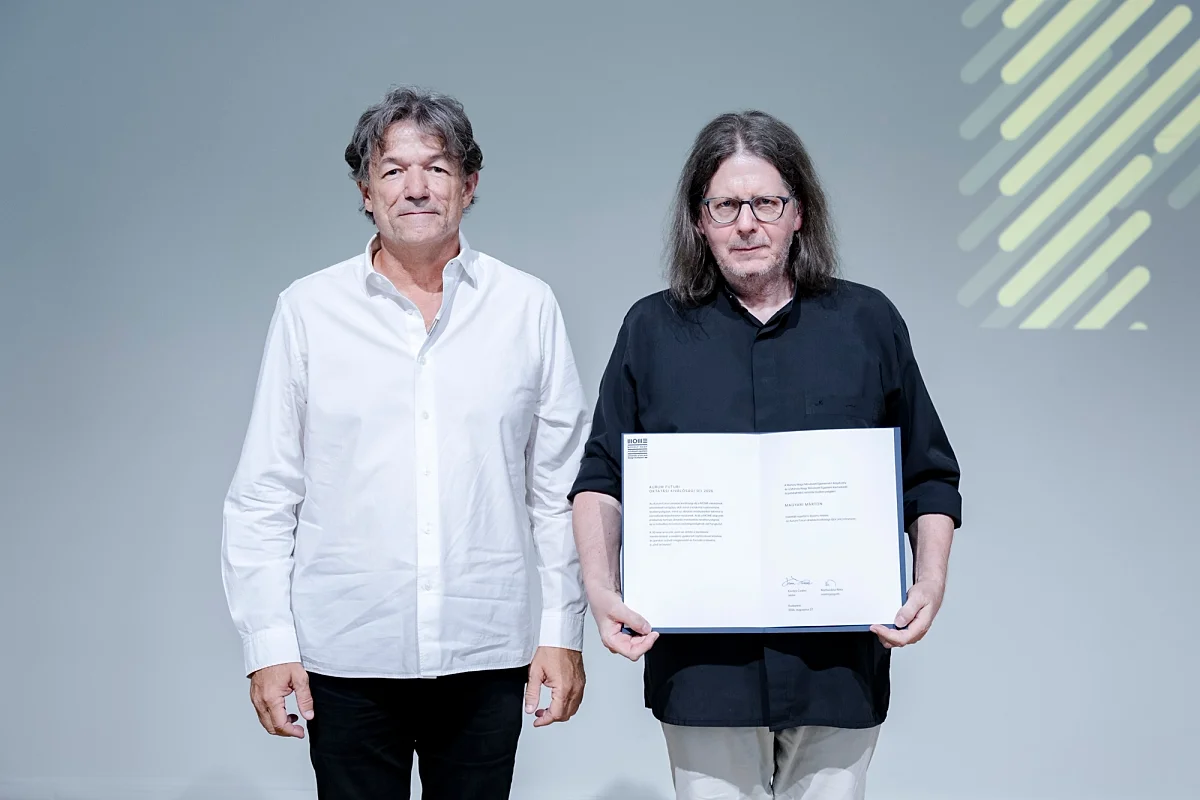
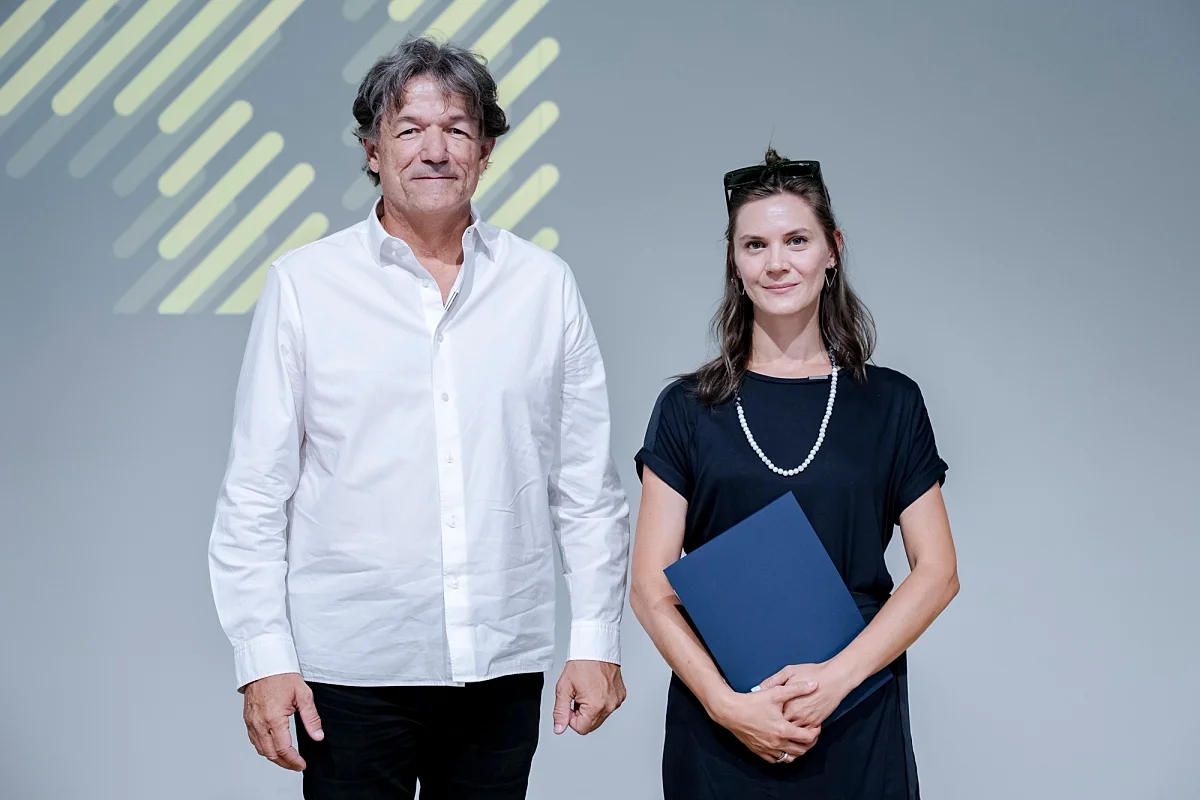
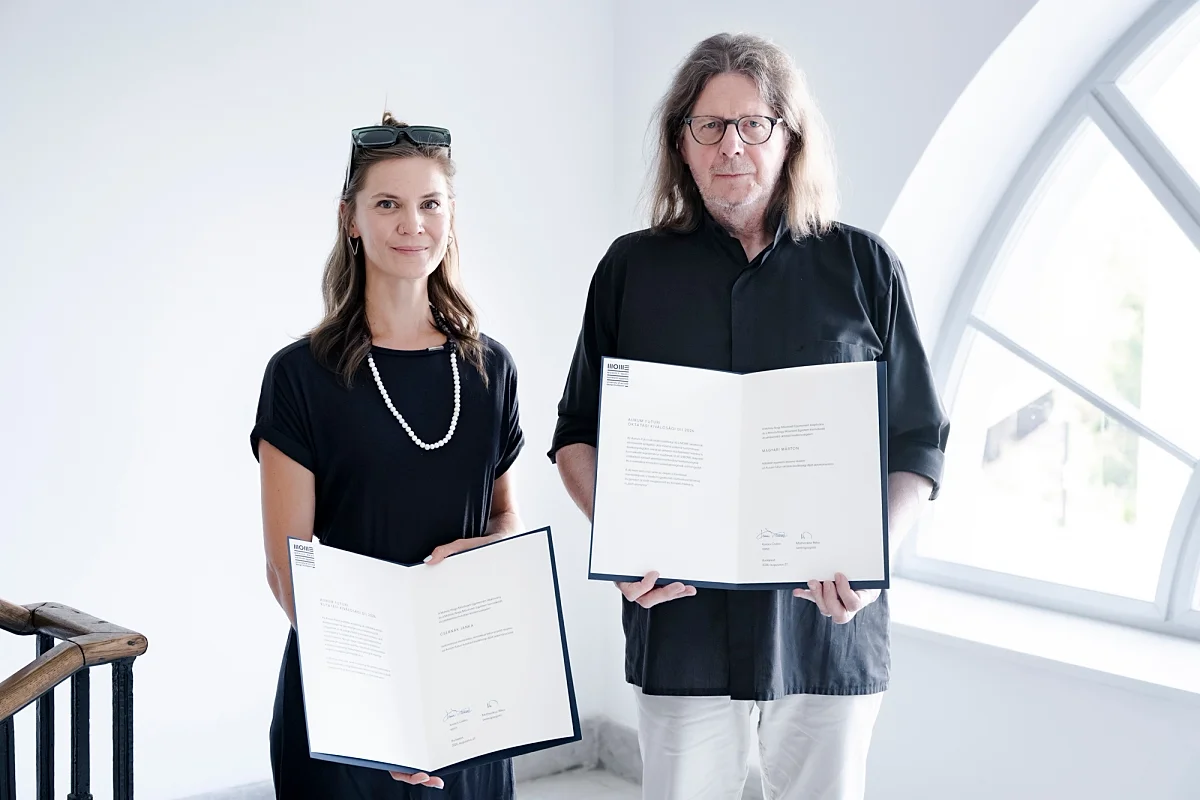
The Aurum Futuri – ‘Gold of the Future’ – Award celebrates professional careers that have made a significant contribution to both the university community and their respective fields, combining high-quality professional practice with teaching, research, or wider social impact. This year, Márton Magyari received the award in the teaching category and Janka Csernák in the research category.
When design is used to empower local communities
Social designer and researcher Janka Csernák DLA is head of MOME’s Society & Action Lab. Her research focuses on social design, participatory design, and gender equality. She sees design as more than a way of addressing problems and challenges – it can also create opportunities to involve communities, build collaborations and rethink social issues. Her practice-based research places particular emphasis on working with vulnerable communities and developing participatory methods.
“What constitutes the gold of the future also depends on what we consider possible today...”
In his laudation senior lecturer and Head of the Classic School Ákos Schneider highlighted one of the key insights behind Janka’s research – the ability to imagine that the future is by no means a given. As he put it, “What matters most to me in Janka’s work is that her research never becomes detached from the people it is about.” Janka is currently working with women’s and feminist civil society organisations, exploring how to create opportunities for people to think about their own futures when much of their daily lives is taken up by caring for others and coping with a constant lack of resources. This perspective has also been central to her earlier work. In the FRUSKA programme, for example, she worked with disadvantaged girls as part of a mobile community design workshop, effectively bringing the opportunity to engage in design and creative practice directly to them. The programme was not about providing ready-made solutions, but about involving participants, giving them space to develop their own ideas and strengthening their sense of agency.
Taking this approach further, Janka links design methods with the possibilities offered by community resilience, care and collective thinking about the future. In recent years, she has been involved in numerous educational and research projects in Hungary and internationally, and has taught in Ghent, Tallinn and New Delhi. She is a founding member of the Social Design Network and currently holds leading professional roles in several international research and development programmes. She has previously received the Hungarian Design Award and the international award of the Fondation Jacques Rougerie.
“Drawing is part of thinking”
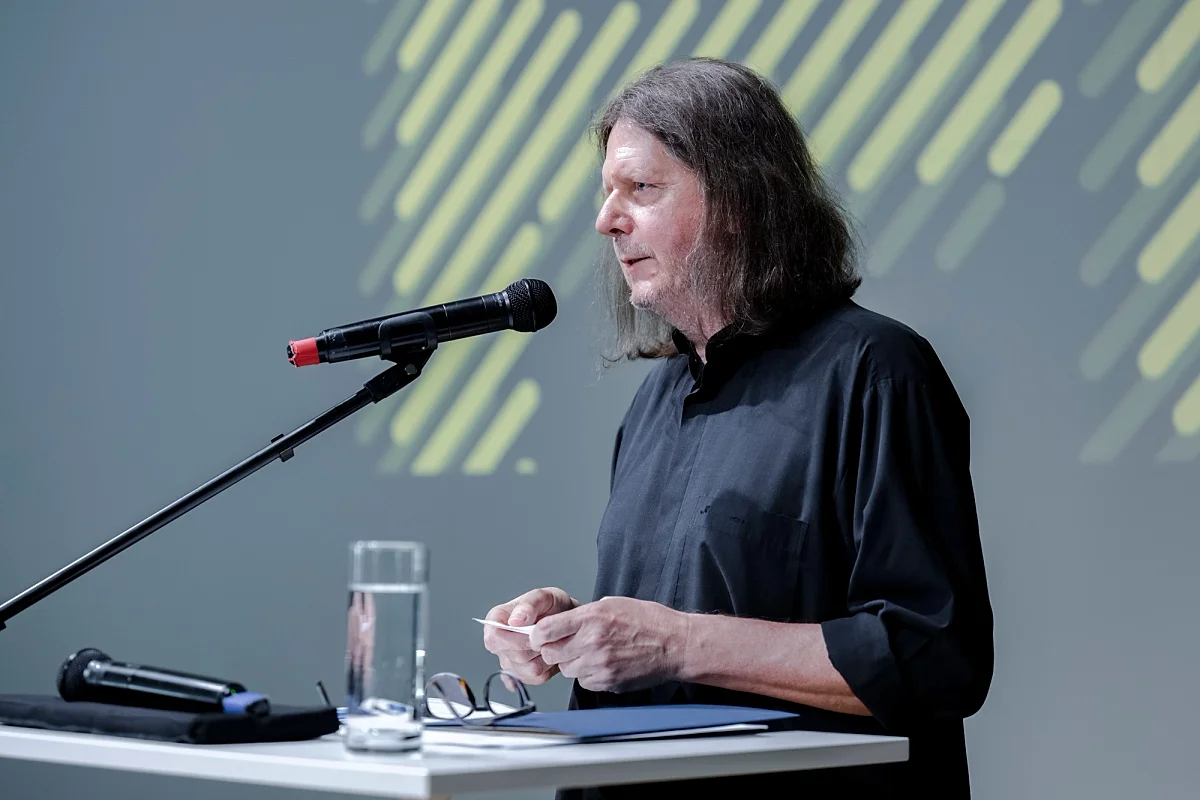
Painter Márton Magyari DLA is a habilitated associate professor at MOME’s Centre for Architecture. He has been an active figure in the Hungarian art scene for more than four decades and has taught at MOME’s Architecture Institute since 1998. Recalling the early days in his laudation, habilitated associate professor András Mohácsi DLA said, “When Márton took over the teaching of drawing, it was still something of an afterthought as a subject. Márton threw himself into teaching architecture students with tremendous energy.” He added, “Because he wasn’t simply teaching them to draw. He was looking for ways to think through drawing.”
At the heart of Márton’s teaching is the realisation that freehand drawing is one of the fundamental tools of architectural thinking. As he writes, “a good sketch is nothing other than a form of thinking.” He helps students develop a more precise way of seeing, interpreting, and articulating their own architectural ideas by teaching them to understand how space, form, proportion, perspective, tone, and colour relate to one another. The visual foundation programme he has developed spans several semesters, taking students from studio drawing and perspective to developing their own architectural graphic language.
Alongside his teaching, Márton remains active as a painter, and his work has been exhibited extensively in Hungary and internationally. He received his DLA from MOME in 2008 and completed his habilitation in 2020. His artistic work has earned him several accolades, including the Barcsay Medal, the Lipót Herman Award, and the Rome Scholarship.
Active, practical and community-based applications of shared knowledge
Although the two award recipients work in different fields and use different methods, both put knowledge into practice in ways that are active, practical, and community-oriented. Janka explores the social potential of design and develops new methods to support community participation, while Márton uses drawing to provide a solid visual foundation for architectural thinking.
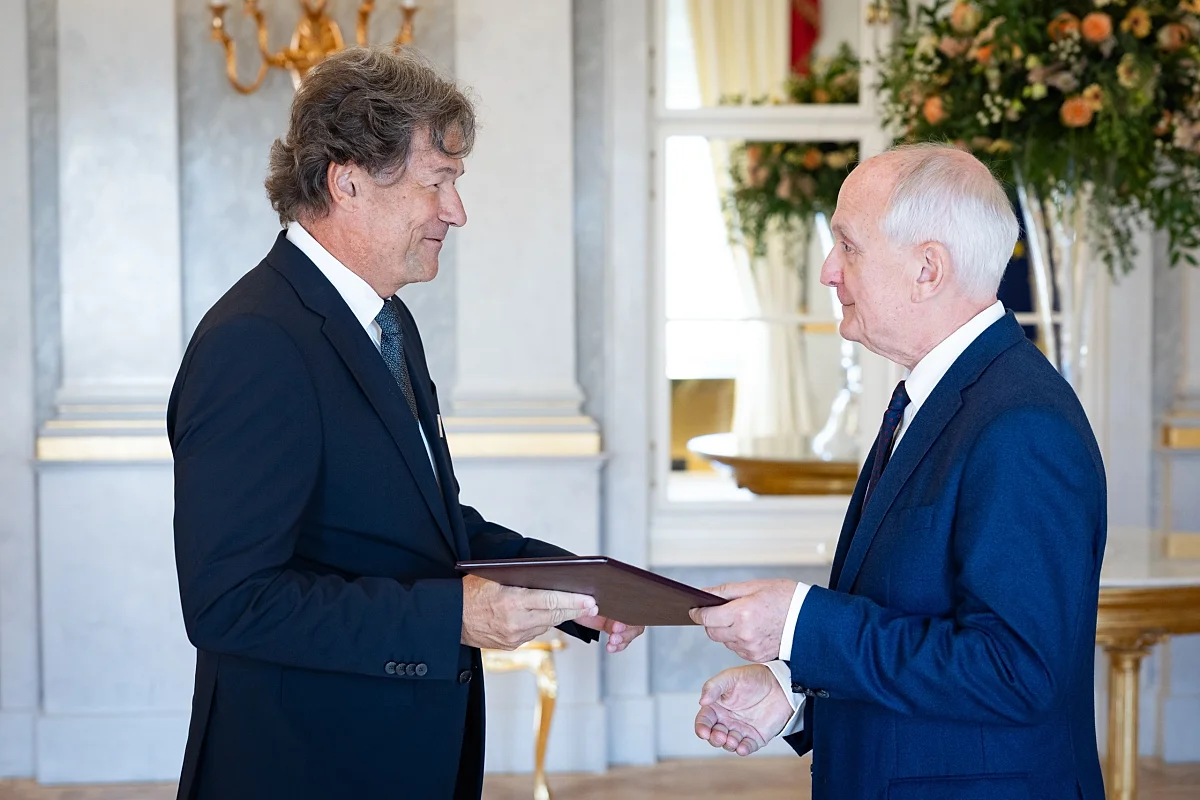
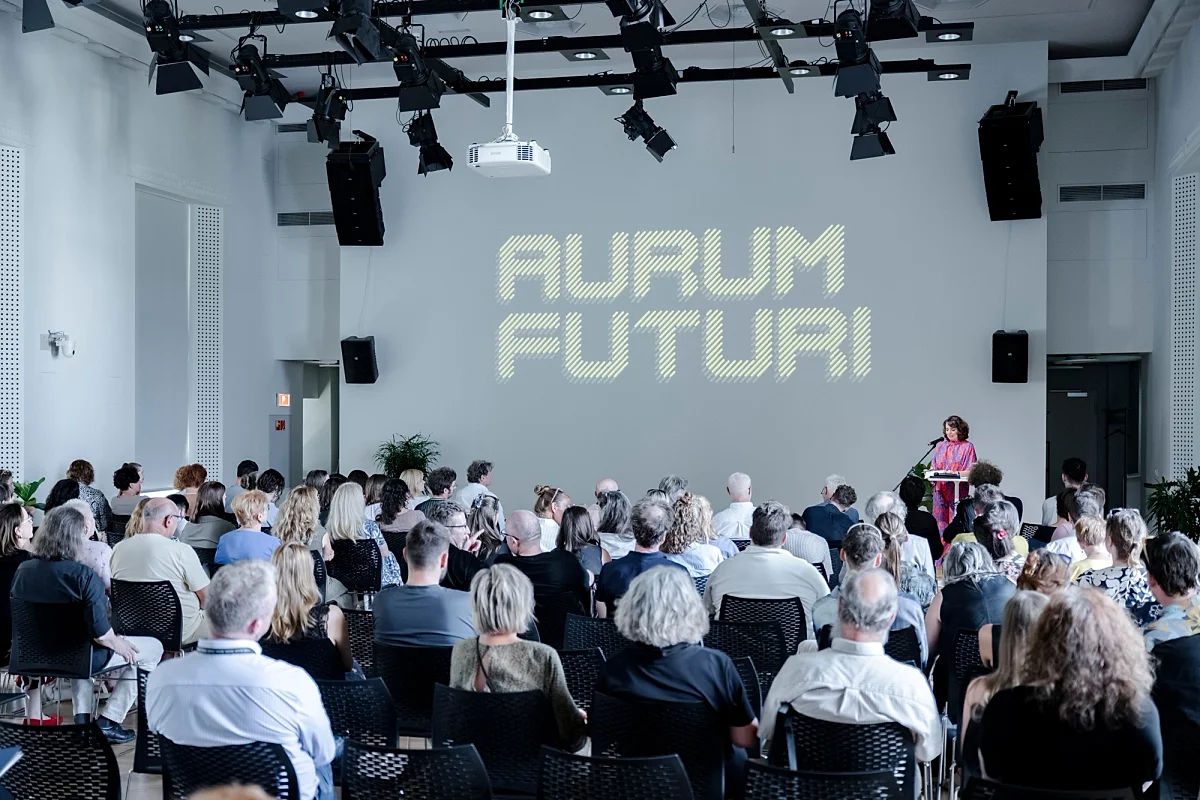
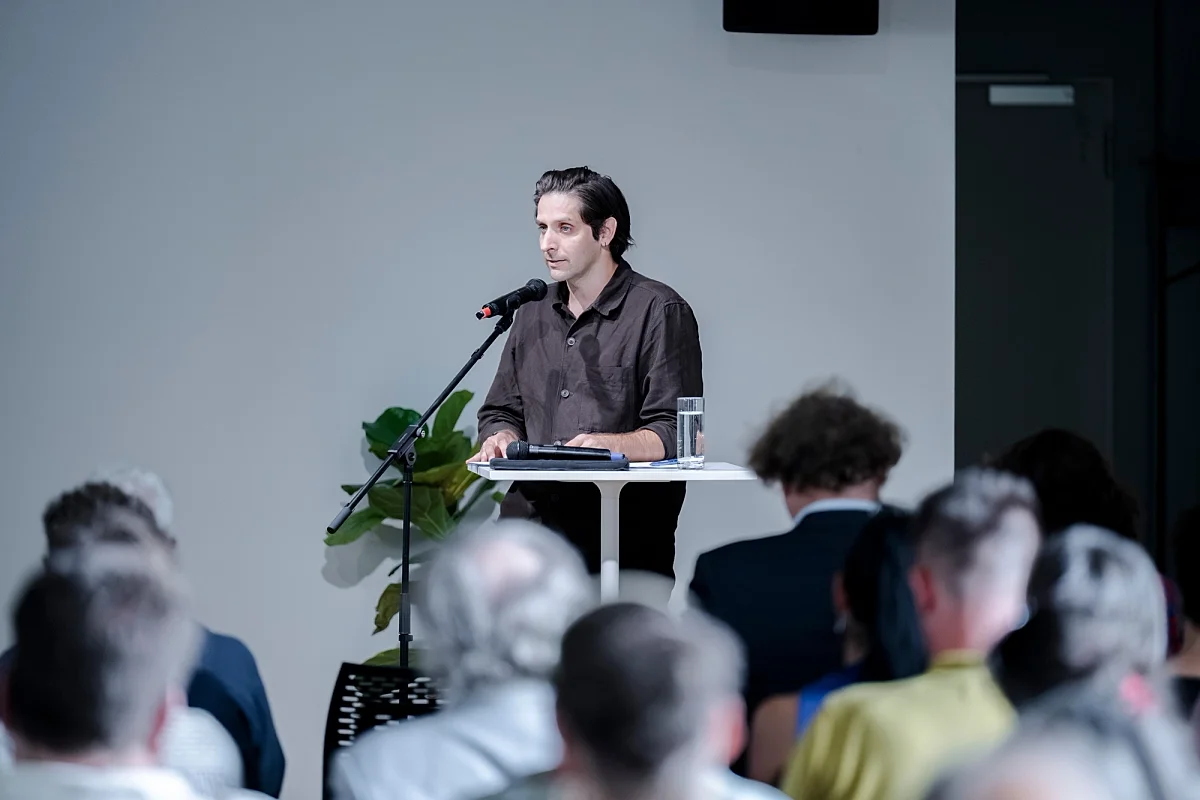
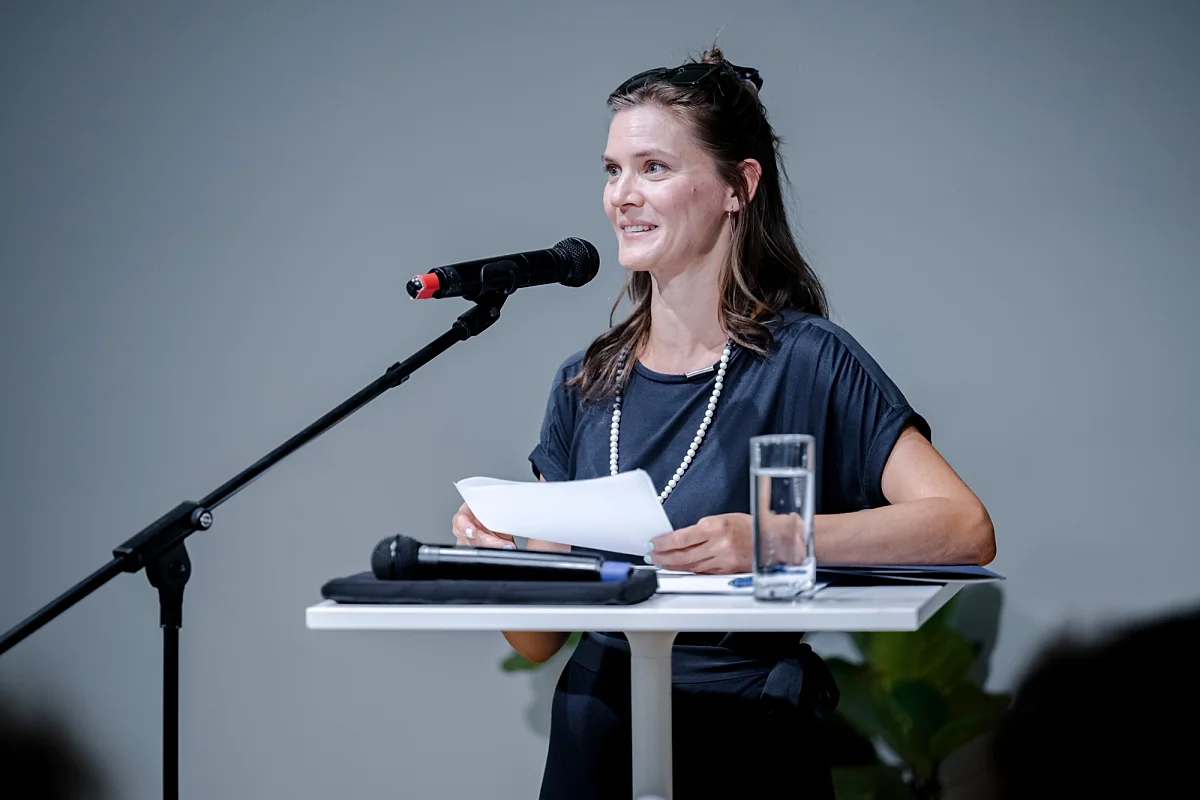
The awards were presented by MOME Rector Csaba Kovács at the university’s Academic Year Opening Ceremony, following laudations by senior lecturer and Head of the Classic School Ákos Schneider for Janka Csernák, and habilitated associate professor and Chair of the award jury András Mohácsi for Márton Magyari.
The Aurum Futuri 2026 recipients are building a professional legacy that extends well beyond the university, reflected in student projects, research outcomes, professional collaborations, and the thinking of new generations.
The laudations are available to read in full here:
Laudation for Janka Csernák DLA
Laudation for Márton Magyari DLA
About the Aurum Futuri Award
The Aurum Futuri Excellence Award celebrates outstanding teaching and research at the Moholy-Nagy University of Art and Design, positioning the university’s leading academics as role models and sources of inspiration for both the MOME community and the wider public. The Aurum Futuri excellence award has two varieties – one for teachers and one for researchers. While the teaching award is designed to encourage innovations in education and highlight the need for constant methodological improvements and the value of learning support, the research award is focused on extolling the merits and significance of the research activity. The award includes both a physical prize and a cash award. In keeping with the principles on which it was founded and the tradition established over recent years, the monetary award is provided by the Foundation for the Moholy-Nagy University of Art and Design, which established the award, and the physical prize by the Moholy-Nagy University of Art and Design. The name of the award is a reference to everything an educator does by teaching, mentoring, and providing theoretical and practical encouragement, and a researcher creates and maintains through research benefitting society – in a nutshell, the values building and shaping the future, the “gold of the future”. Previous Aurum Futuri recipients are Fanni Csernátony and Bori Fehér (2023), András Húnfalvi and Ágnes Karolina Bakk (2024), and Kinga German and Ákos Schneider (2025). In 2026, the award went to Janka Csernák and Márton Magyari.
More news