Imagined worlds – speculative design workshop for women activists
Based on interviews, analysis, and workshops, an experimental, ecology-focused speculative method was developed, focusing on the burnout experiences and mental health of the participants, creating positive future visions for them. It has the added benefit of possible integration in their work later on.
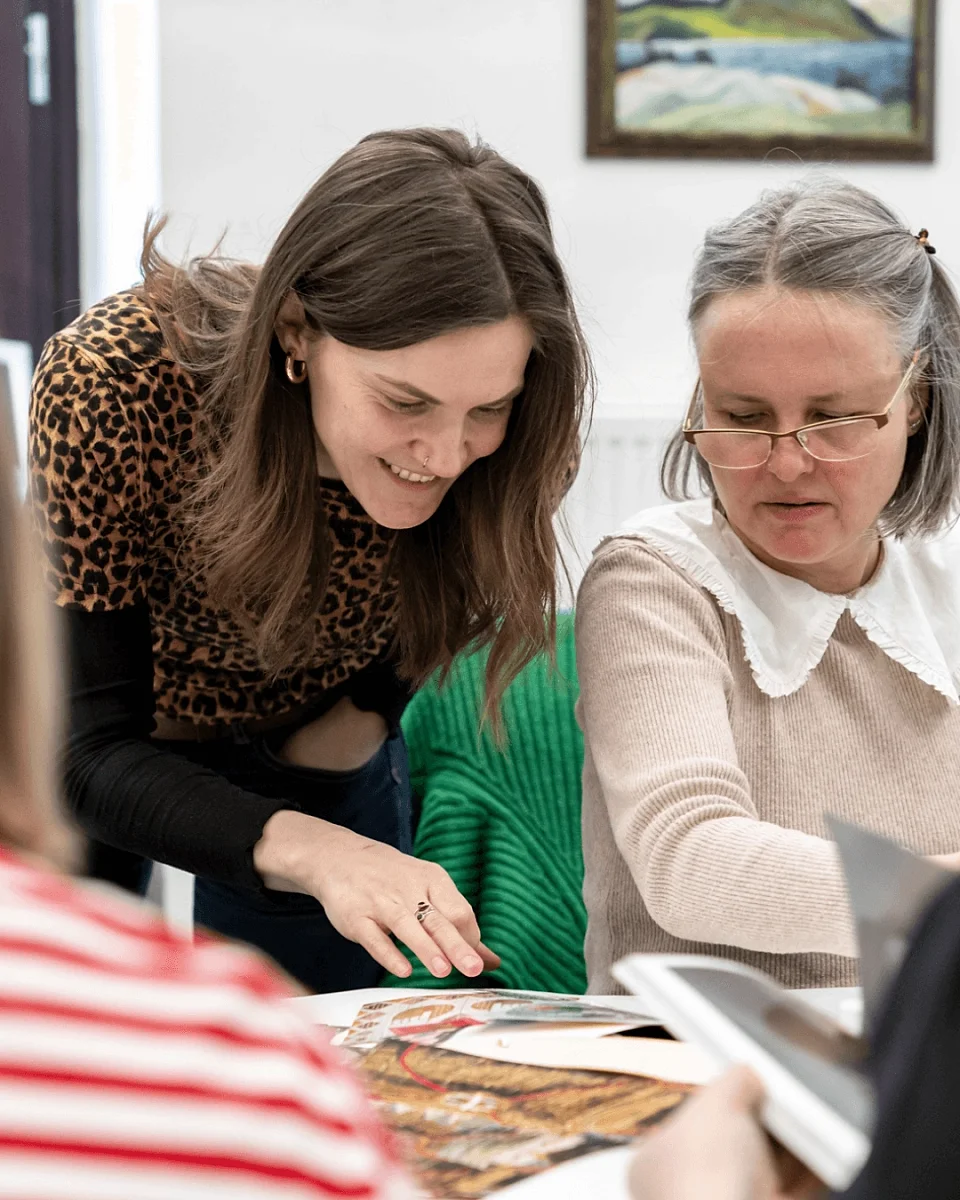
The goal of the workshop at the beginning of the year was not only to conclude the research but also to help participants summarise their experiences and recharge, setting short-term and long-term goals with the support of a design facilitator.
The closing event was attended by independent activists, professionals, and volunteers, including staff from the Women For Women Together Against Violence Association (NANE), Patent Association, Hungarian Women's Legal Aid Trust, Dajer, nem!, and the Labrisz Lesbian Association. Together, they used design and creativity-based methods to create an ecological speculative (future-visioning) space, engaging in individual and collective reflection, mapping their own resources, and using the power of imagination to create alternative future visions.
“The sensitive design approach and the social design perspective were very helpful in better understanding the challenges faced by women’s organisations during the research process. The application of eco-centric speculative design methods helped us create a holistic, sustainable vision for the organisations and their representatives, focusing on their mental well-being and resources”, summarised Janka Csernák, reflecting on what was most useful in the research work methodologically.
The Society & Action Lab, established as part of the ‘University of the Future’ programme, addresses issues such as social equality, compensation for disadvantages, social innovation, and community development, with a focus on the diversity of human-to-human relationships through the intertwining of research and education.
“The social design-based perspective that guides our research activities has played and, will, throughout the transformation, continue to play a crucial role in introducing students to a more sustainable, sensitive designer toolkit, which helps them build a fairer future,” explained Csernák regarding the Lab’s objectives.
More news