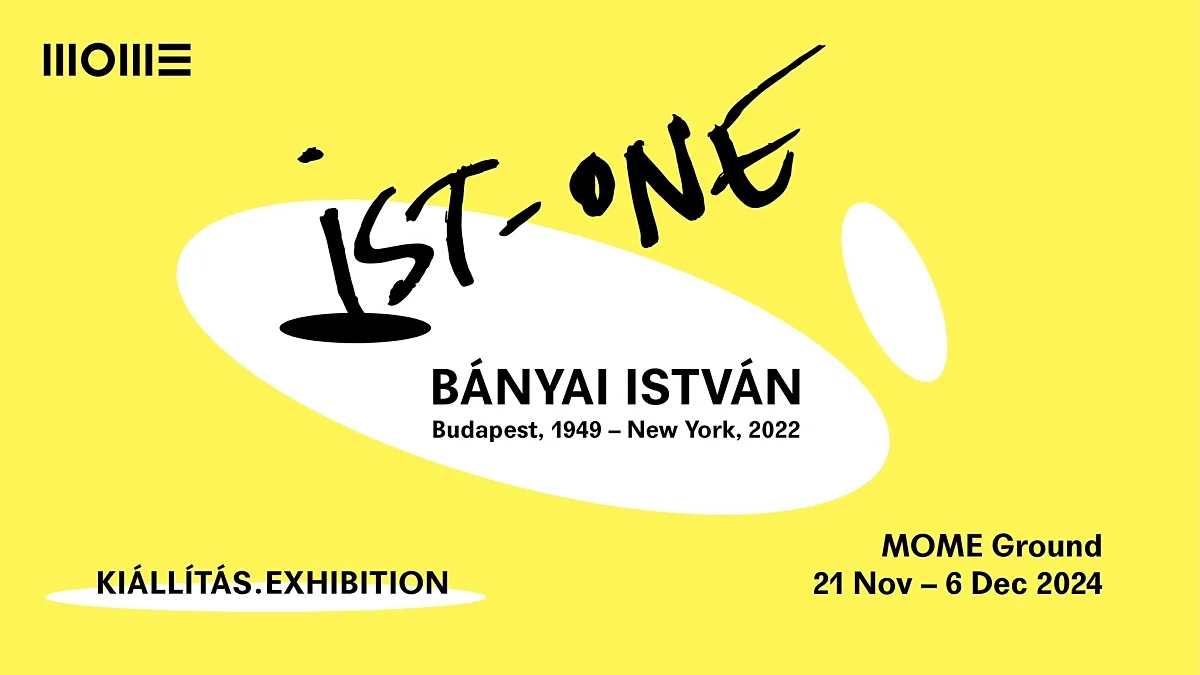
Grimaces captured on paper - Exhibition of selected works by István Bányai opens at MOME in Budapest
“The intelligence of Istvan Banyai’s imagery and elegance of his execution captivated me from the start,” notes Norman Rockwell Museum Chief Curator Stephanie Plunkett at the opening of the artist’s retrospective exhibition in 2013. “In his smartly constructed visual world, people move fluidly through time and space, eerily disconnected from one another, and shadows seem to have a mind of their own. Pointed in its commentary, Banyai’s art also conveys an air of quiet mystery, and his absorbing illustrations inspire more questions than answers, a reminder that things are not always what they seem.”
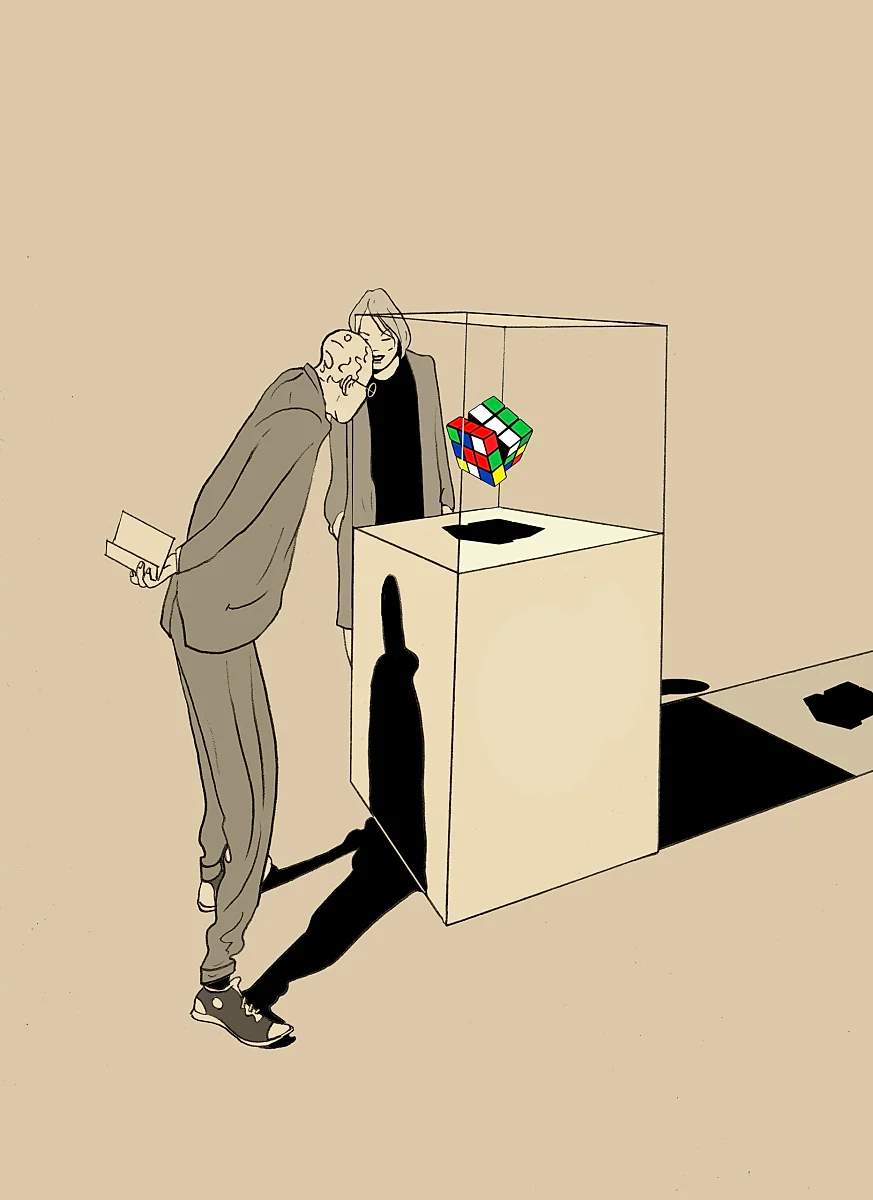
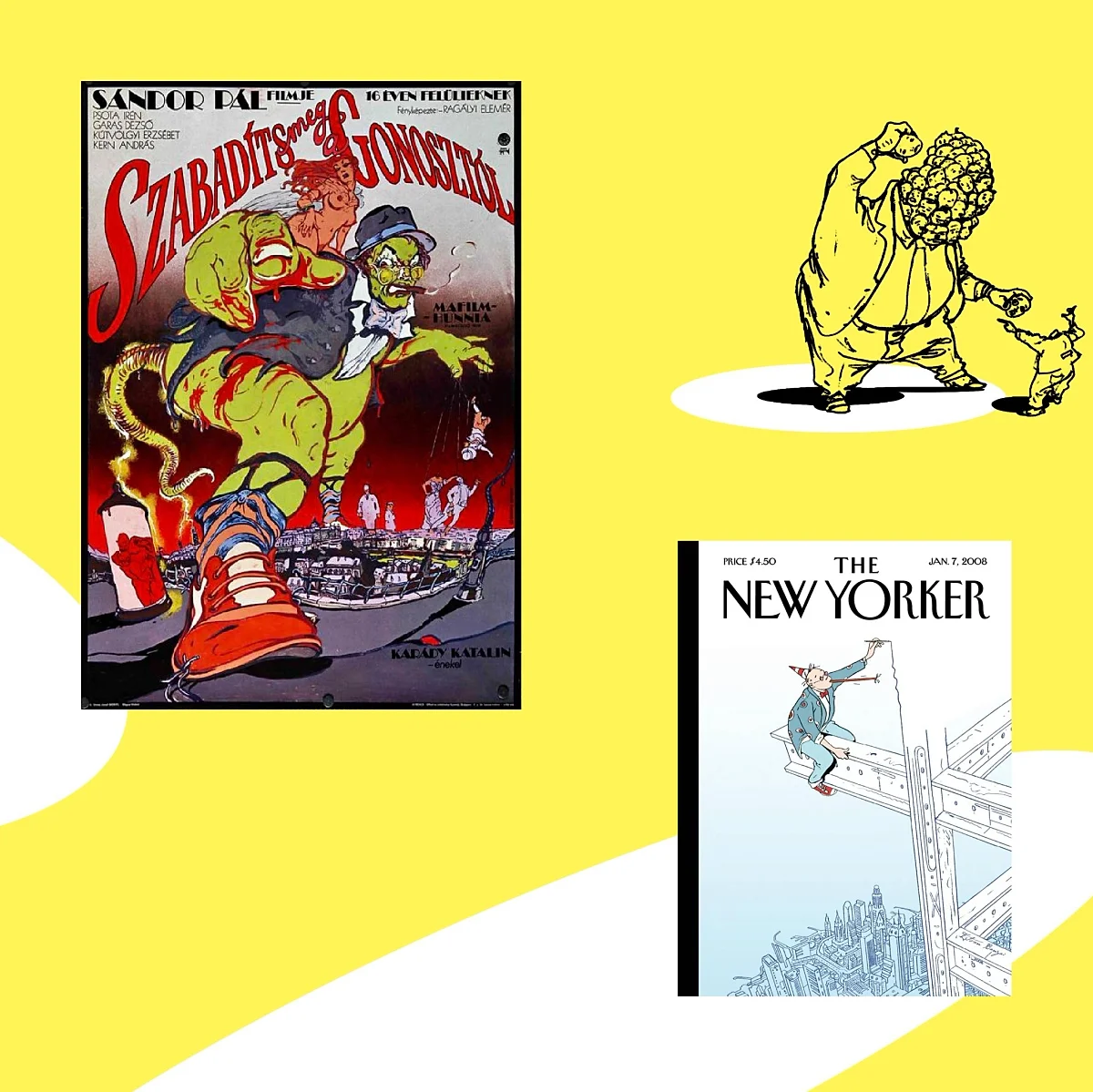
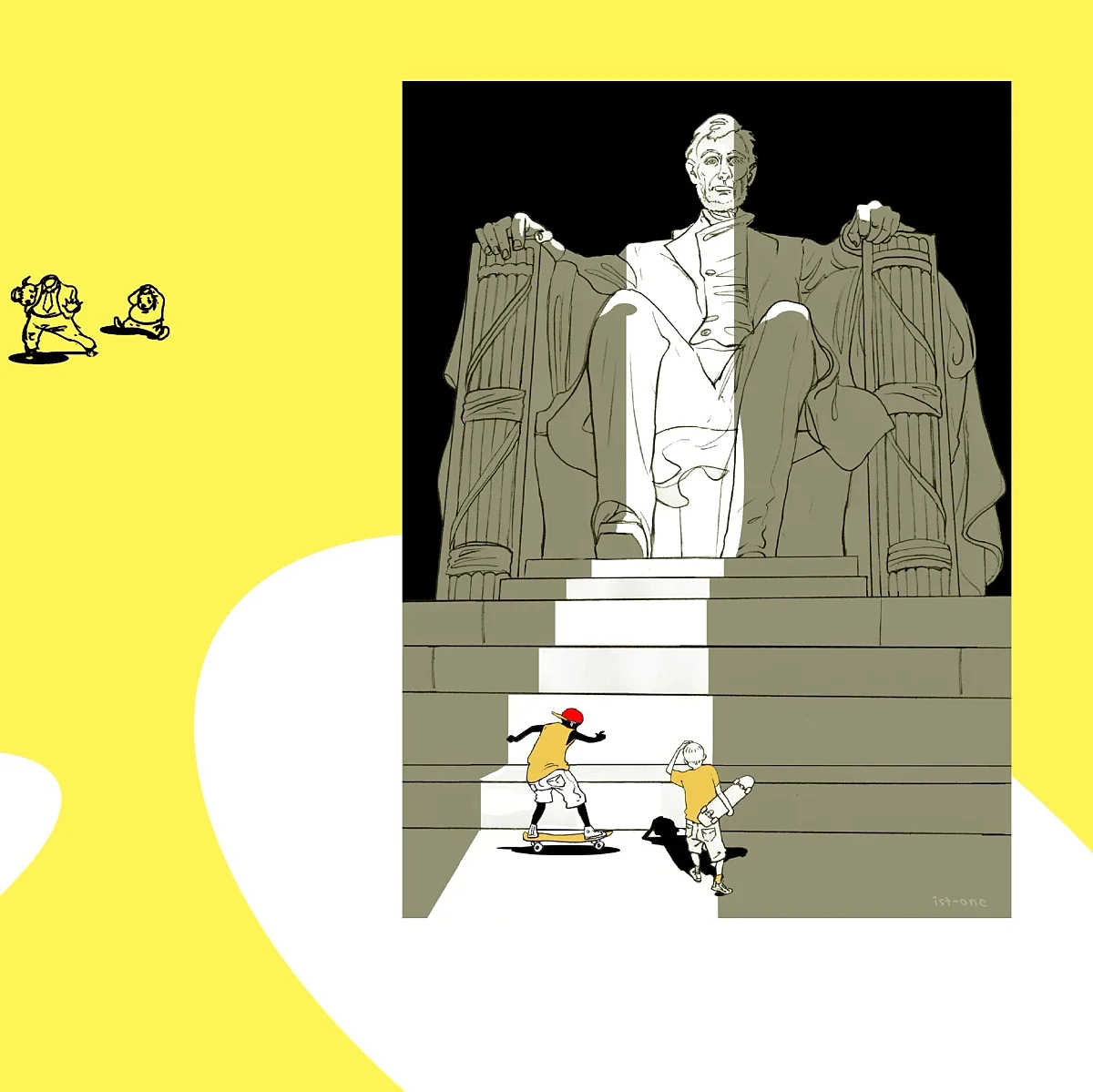
Bányai never considered himself an artist, just a simple illustrator. Yet his works are true classics, both timeless and enduring. His satirical humour continues to put a smile on faces, illuminating political and social contradictions that visual art can distil more concisely than any other medium. His knack for intricate detail, subtle irony, and critical take on social phenomena made for truly iconic illustrations. A perceptive outlier, Bányai offered keen observations on American public life and, in his Extremely Hungary series, provided a unique perspective on the shrewd thinking and outsider perspective typical of Hungarians, and on the Hungarian identity abroad – from Liszt and Zsa Zsa Gabor to the Rubik's Cube, revealing how Hungarian culture is perceived internationally. His “grimaces captured on paper,” as curator Noémi Viski aptly described them, have left a lasting mark on design culture, first in 1970s Hungary and later across the US and worldwide during what was considered to be the last golden age of print media.
This new exhibition presents Hungarian audiences with a comprehensive look at Bányai’s oeuvre. Titled Ist-One after his globally recognised signature, it explores themes such as the influence of peers and mentors on a designer’s style, the experience of working as a Hungarian abroad, and perhaps most significantly, the potent role of illustration in shaping public opinion and societal views.
Bányai’s works were not only featured on the pages of major US weeklies but also extended into animated films, music videos, and children’s books. It was his “silent book” Zoom published in 1995 and voted Children’s Book of the Year by the New York Times that brough him international acclaim.
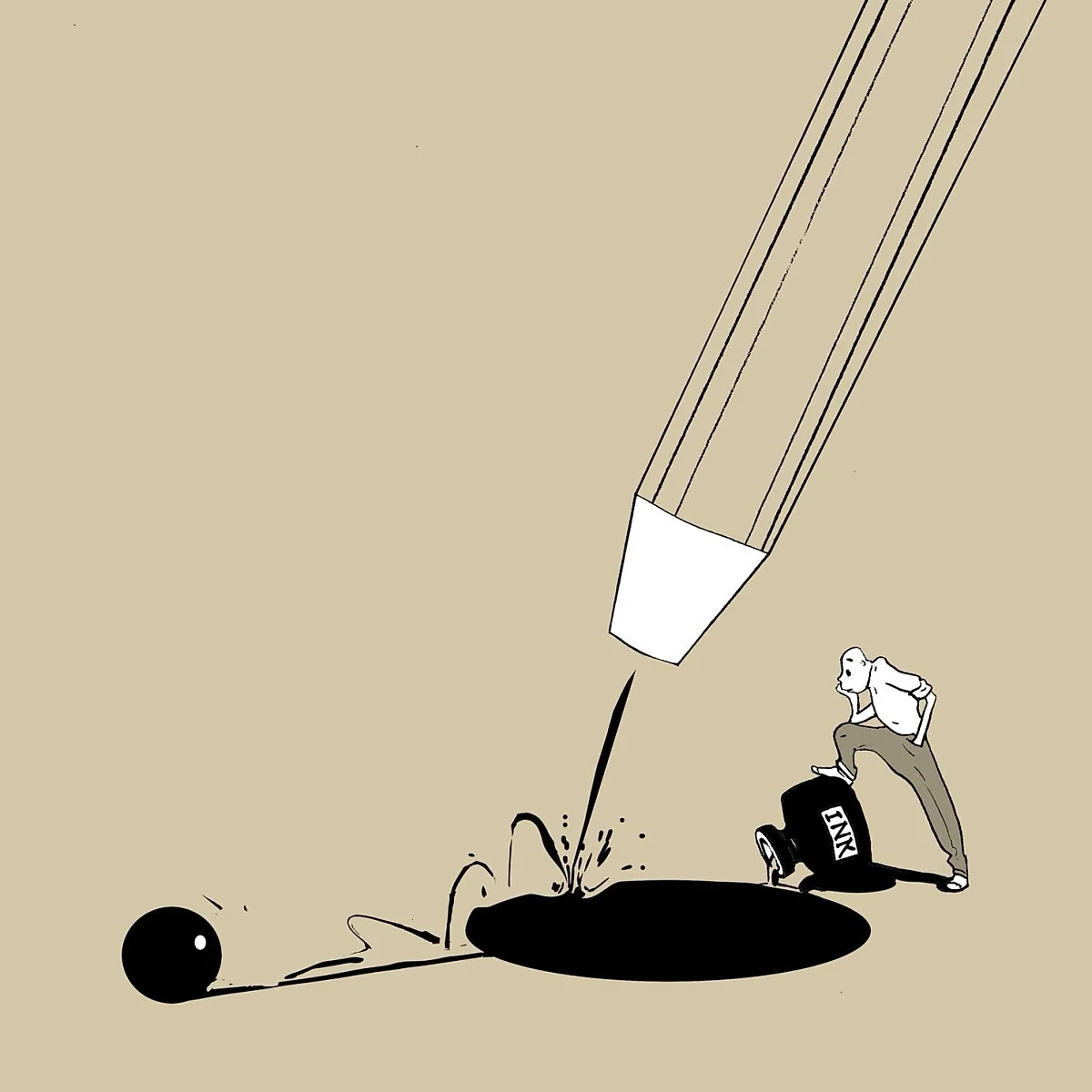
“I make picture books because they’re like cheap cinema”, he once remarked in an interview. Bányai’s work often transcends conventional storytelling, exploring themes of infinity, cyclical narratives, and character metamorphosis. Rather than illustrating concrete situations, these compositions reflect his worldview: “Everything is interconnected; the world is boundless, with neither edge nor centre – it is a continuum. Permanence is an illusion; all exists in transition. Each new point is like the old, only viewed from a different perspective.”
Born in Budapest, Bányai became a key figure in the golden age of magazine publishing in the United States over the past three decades. He graduated from the Academy of Applied Arts in Budapest in the early 70s, then went on to create film posters for the Hungarian film distribution company MOKÉP, illustrations for books published by Móra Ferenc Publishing House and vinyl covers for the Hungarian Record Company, as well as animation films before immigrating to the USA in 1981.
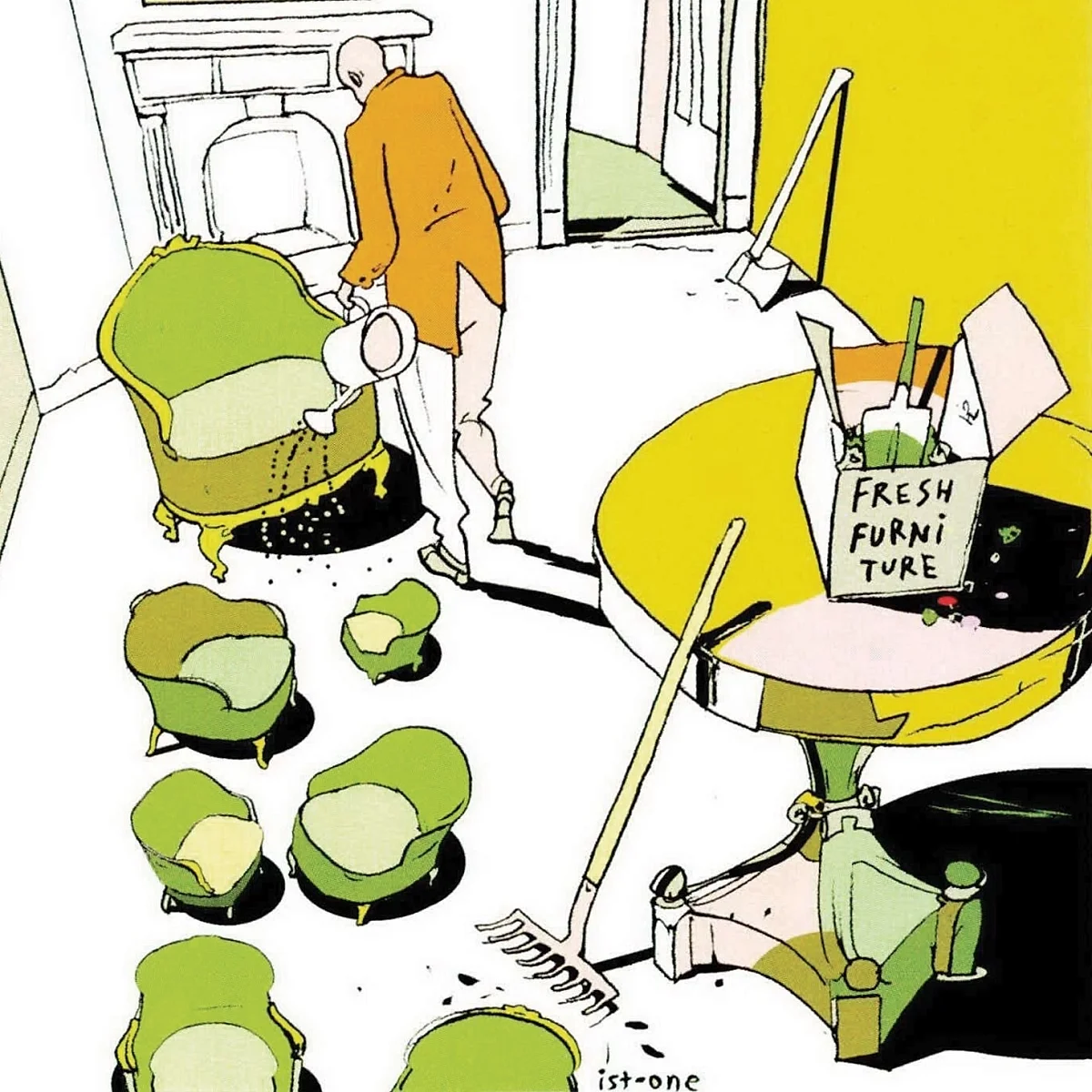
His American career truly took off in the 1990s when New York Magazine invited him to contribute weekly illustrations. In the US, he regularly illustrated for The Times, Newsweek, and The Atlantic Monthly, and designed album covers for MCA, CBS, and Capitol Records. He drew a monthly series for Playboy’s agony column Playboy Advisor and had also been working for The New Yorker since 1998.
After Zoom, Bányai published three more books: Re-Zoom (1996), his second solo book, followed by R.E.M. (1997), a children’s book, and The Other Side (2005), which was published in twelve countries.
In 2005, he became an honorary professor at MOME and, in 2011, returned to his former school to hold a Course Week workshop. His work was regarded as a benchmark not only by local professionals but also by international graphic artists.
Following his passing, fellow illustrators including renowned Japanese illustrator Yuko Shimizu, art director Steven Heller, and Hungarian designer István Orosz paid tribute to him, alongside hundreds of admirers commenting on the profound impact the Hungarian illustrator's visual world had on them.
Exhibition opening: 21 November 2024, 6:00 p.m.
Venue: MOME GROUND
As a related event, an illustration-focused chamber exhibition will be on display from 4 December 2024 to 4 January 2025 at the Vigadó. Organised as part of this year’s Golden Drawing Pin exhibition, it will stand as an homage to Bányai, with contributions from his former colleagues and professional followers.
More news