From children’s rights to the legacy of Tungsram: the Stefan Lengyel Scholarship recipients
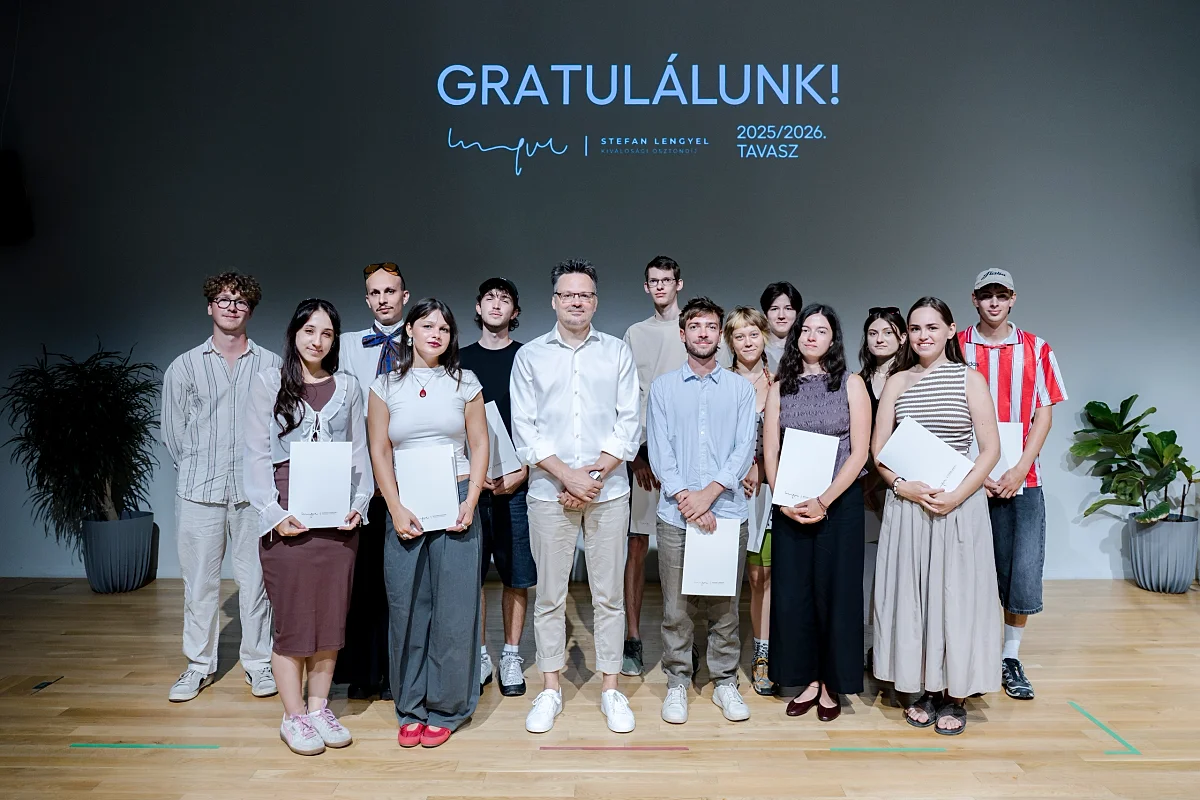
The Stefan Lengyel Scholarship of Excellence gives MOME students with an outstanding academic record the opportunity to further develop research or design projects already under way. The selection process unfolds in two stages. In the first round, students and faculty vote to determine which applicants progress to the final stage, where a professional jury selects the scholarship recipients. The winning projects for the spring semester of 2026 represent five different fields, spanning subjects from social responsibility and questions of identity to architectural heritage.
Autonomy and memory
In animation, Áron Pifkó (Animation BA1) received the scholarship for an animated series created in collaboration with the Hintalovon Child Rights Foundation, exploring children’s rights and bodily autonomy through the story of a young boy.
Among the architecture projects, Vince Balázs Gőgh’s (Architecture BA3) design for a girls’ dormitory in Pannonhalma was selected for the award. Repurposing a former school building, the concept explores the relationship between its existing architectural qualities, contemporary architecture, and sacrality. Áron Náray’s (Architecture MA1) BARDO is a proposed cemetery and memorial site for Galagonyás Hill in Bicske, reimagining Hungarian burial culture through a contemporary approach to architecture and landscape.
Communities, identity, and cultural practices
The three recipients in theoretical studies approach shared experiences from different perspectives. Benedek Zoltán Balogh (Art and Design Management MA1) is developing a documentary about the impact of an abuse case on a community, tracing the silence and loss of trust that followed, the process of coming to terms with what happened, and questions of institutional responsibility.
Hanna Barbara Zalka (Design Theory MA1) studies button football as a cultural practice, asking how a simple object can take on personal significance and help shape identity. Villő Vajda (Design Culture BA2) explores how the Design Without Borders exhibition contributes to young designers’ professional development, helping them build connections and gain visibility.
Objects and spaces: from personal attachment to inclusive design
Nóra Kinga Fazakas (Design MA1), one of five scholarship recipients in the field of design, examines our relationship with objects through collectible design in her project Hairry, asking how personal attachment, emotional connection, and the stories associated with an object can create value beyond functionality.
Réka Anna Ignácz’s (Object Design BA3) inclusive children’s tableware set Pöttön is ergonomically designed to help young children eat independently in nursery and kindergarten settings. Áron István László (Textile Design BA2) researches the evolving nature of design and national identity through contemporary reinterpretations of Hungarian traditions and folklore.
Róza Parlagi’s (Interaction Design MA1) concept seeks to strengthen children’s connection with nature by preserving their outdoor discoveries within the car and transforming them into a new experience. Mária Svindt’s (Design MA1) project ÉppITT uses recycled materials to create a modular learning space for disadvantaged children, supporting independent, focused learning.
Visual thinking, tradition, and industrial heritage
In media, Noémi Ábrahám’s (Media Design MA1) research-based project Micro Montage draws on Miklós Erdély’s educational legacy to explore the possibilities of visual thinking and intuitive image-making. István Elek (Media Design BA1) looks at how younger generations relate to Hungarian traditions and how these traditions shape their sense of identity over time.
Zsolt Galántai’s (Media Design BA3) documentary revisits the legacy of the former Tungsram factory, tracing the impact of both its operation and eventual closure on the local community. Csenge Lázár’s (Graphic Design BA3) works Nézeteltérés and Képtelen Archívum use the experience of aphantasia to reveal how differently we experience imagination and memory, and how absence can open up new possibilities for creativity and connection.
Eszter Sárkány’s (Photography BA2) project examines how younger generations relate to Hungarian traditions and national identity, while following their search for a place in a changing world.
The programme was launched in 2020 by the Foundation for Moholy-Nagy University of Art and Design in collaboration with the university. Named after Professor Emeritus and designer Stefan Lengyel, the scholarship provides financial support while also helping students advance professionally and take their design and research ideas further.
Further information about the scholarship is available here:https://mome.hu/en/stefan-lengyel-kivalosagi-osztondij
The winners:
ANIMATION
Áron Pifkó – Animation BA1
ARCHITECTURE
Vince Balázs Gőgh – Architecture BA3
Áron Náray – Architecture MA1
THEORETICAL STUDIES
Benedek Zoltán Balogh – Art and Design Management MA1
Villő Vajda – Design Culture BA2
Hanna Barbara Zalka – Design Theory MA1
DESIGN
Nóra Kinga Fazakas – Design MA1
Réka Anna Ignácz – Object Design BA3
Áron István László – Textile Design BA2
Róza Parlagi – Interaction Design MA1
Mária Svindt – Design MA1
MEDIA
Noémi Ábrahám – Media Design MA1
István Elek – Media Design BA1
Zsolt Galántai – Media Design BA3
Csenge Lázár – Graphic Design BA3
Eszter Sárkány – Photography BA2
More news