“Design truly works when it stands the test of time” – Gorden Wagener at MOME
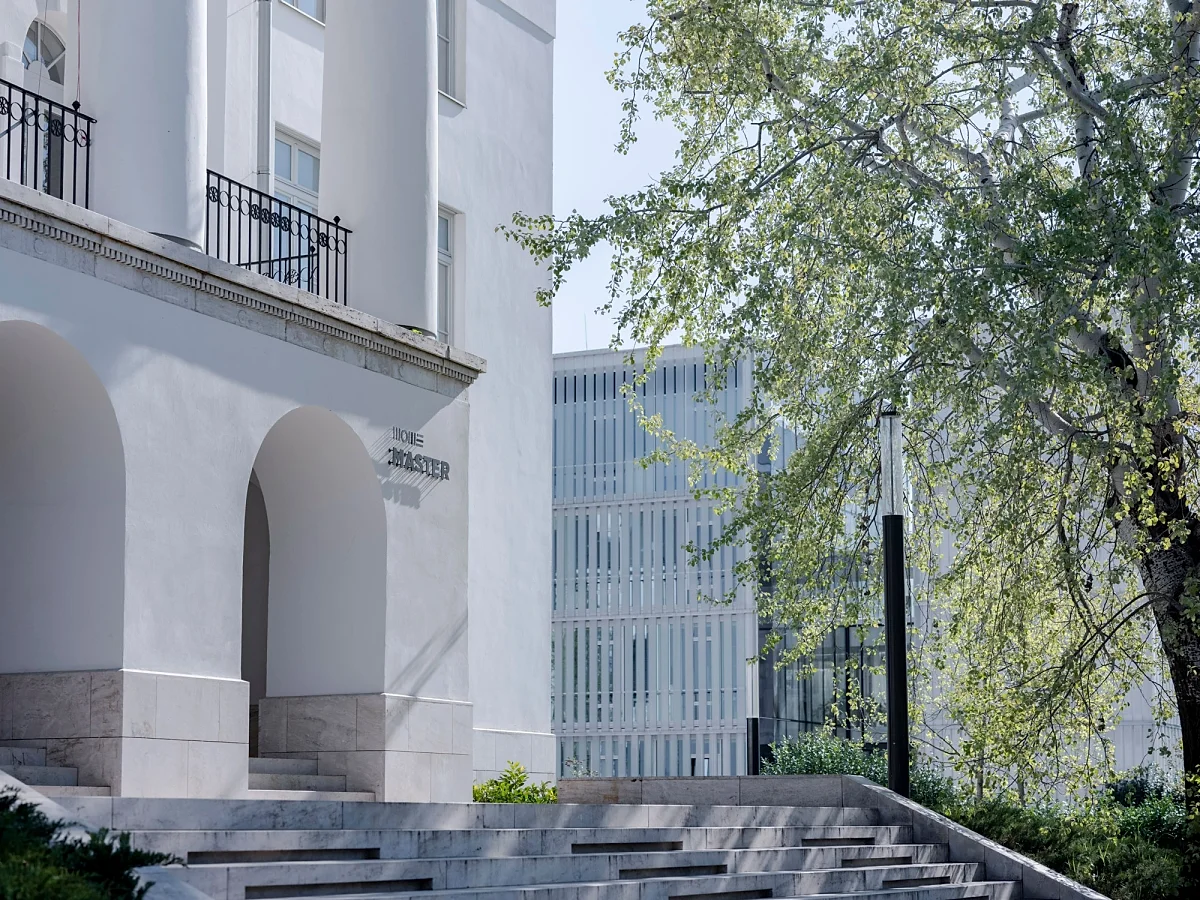
The opening of the new campus in 2020 marked a turning point in this partnership. Since then, the product design programme has seen significant growth, both in terms of infrastructure and academic content, while the Mobility Design Lab, launched in 2022, has drawn growing international attention. As part of the long-standing collaboration between MOME and Mercedes-Benz, the two partners were able to meet in person once again – this time with Wagener engaging directly with students and sharing his professional perspective.
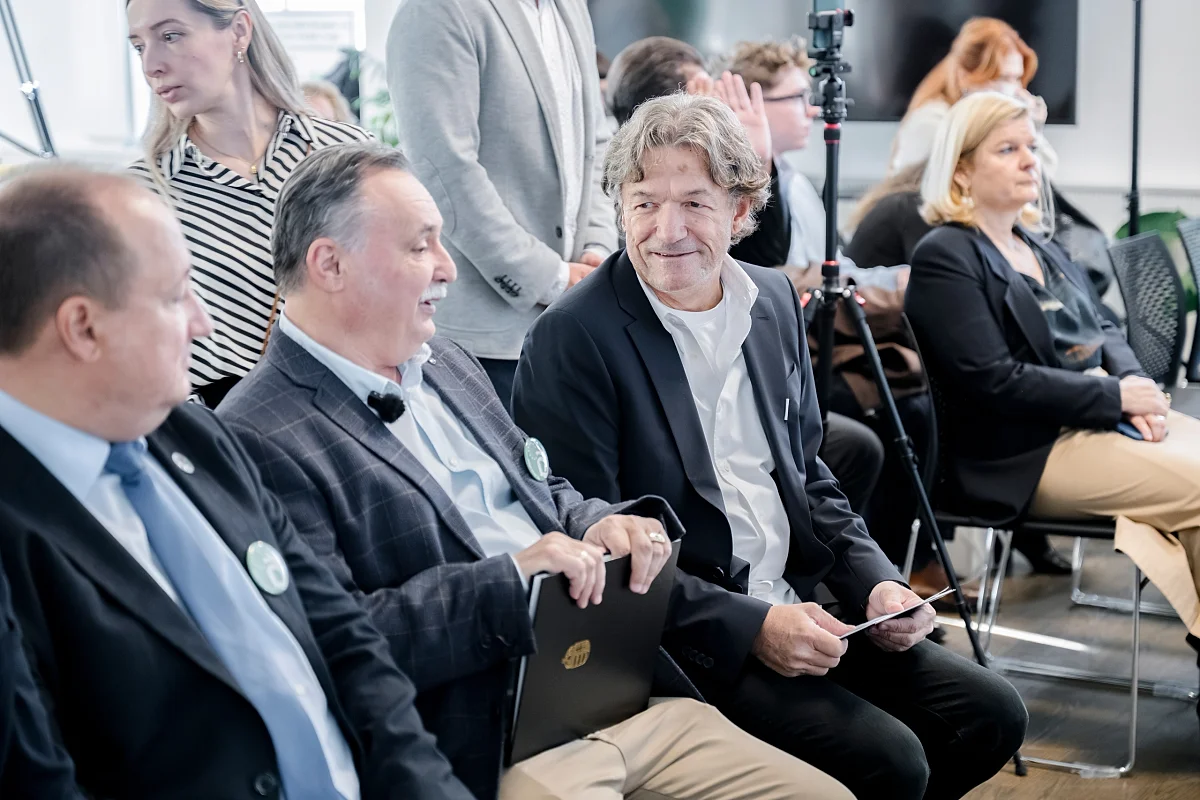
The visit focused on Wagener’s keynote lecture, The Power of Design, in which he reflected on Mercedes-Benz’s distinctive design language, changing interpretations of luxury, and the broader shift in perspective shaping the next generation of designers. He spoke about the inner drive behind creative work, pointing out that designers are often motivated by the ambition to create something exceptional and enduring – work that goes beyond visual appeal or practical function to gain lasting relevance.
“Design only truly works when it leads to something enduring and exceptional – something of lasting value instead of short-term surface appeal,” Wagener explained.
He went on to explore the growing impact of artificial intelligence on design, stressing that while AI does not replace designers, designers who cannot work with AI will, sooner or later, be left behind. At Mercedes-Benz, a dedicated “AI SWAT” team has been set up to compare AI-driven and human-led design processes under real working conditions. The findings so far are telling: AI is becoming increasingly precise, particularly in visualisation and form development, while qualities such as emotional resonance, brand identity, and narrative coherence still require human judgement.
Reflecting on the rise of artificial intelligence, Wagener explained that Mercedes-Benz is developing its own in-house AI systems, already in use on experimental projects within internal design teams. In his view, AI will not replace the designer, but it will significantly reshape their role. Those who are able to work with new technologies while retaining the power of human intuition will be the ones who succeed.
During the interactive Q&A session, the discussion also touched on the future of user experience design. Mercedes-Benz, for example, is already developing UX solutions that see voice-based control built on large language models as a key direction for the future.
Following the talk, Professor Wagener was shown a selection of standout projects created in recent years through the collaboration between the Mobility Design Lab and the Mercedes-Benz team working with the IxD programme, presented by the students themselves. Alongside more traditional design questions, these projects addressed the challenges posed by emerging forms of mobility, including autonomous transport and intermodal systems. Professor Wagener spoke highly of both the students’ work and the lab’s infrastructural and conceptual foundations, emphasising his appreciation for the way MOME has been consciously building a design strategy in a field that holds clear relevance on a global scale.
The visit offered encouraging and inspiring feedback for the university, and served as further confirmation that MOME has established a strong international standing in design education.


More news