Art & Design Incubation
The application period for the 2026 Art & Design Incubation Program has started! The call for applications and the application form are available via the link.
MOME has set itself the ambitious goal of becoming the leading creative industries and innovation center in Central and Eastern Europe by 2030. To support this goal, in 2022 we launched an art and design-centric incubation program to support young creators, researchers, designers and emerging entrepreneurs in Hungary.
Applications are invited from recent graduates of MOME. Selected applicants will receive personalized mentoring and financial support to further develop their master’s project.
Categories
1.Art and Innovation
Outstanding art projects that push the boundaries of traditional art forms to create unique experiences or engage audiences in new and innovative ways.
2.Research and Innovation
Promising applied research projects whose further development provides a solid basis for academic or market exploitation.
3.Product Innovation
Innovative products or services with strong market potential that address the most pressing problems of today and tomorrow, significantly improve the user experience or integrate sustainable practices.
Program benefits
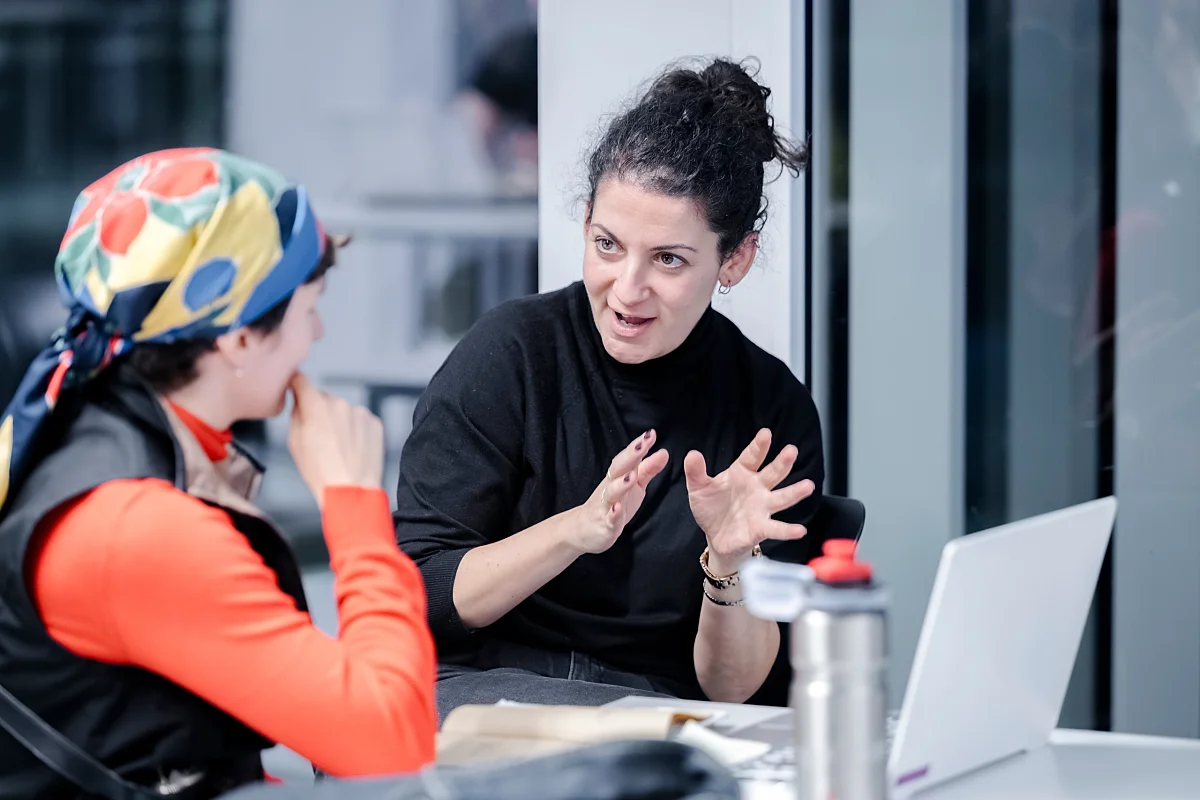
Personal mentoring
Connect with MOME's network of national, international and interdisciplinary mentors to get personalized advice from outstanding design, innovation and creative entrepreneurs.
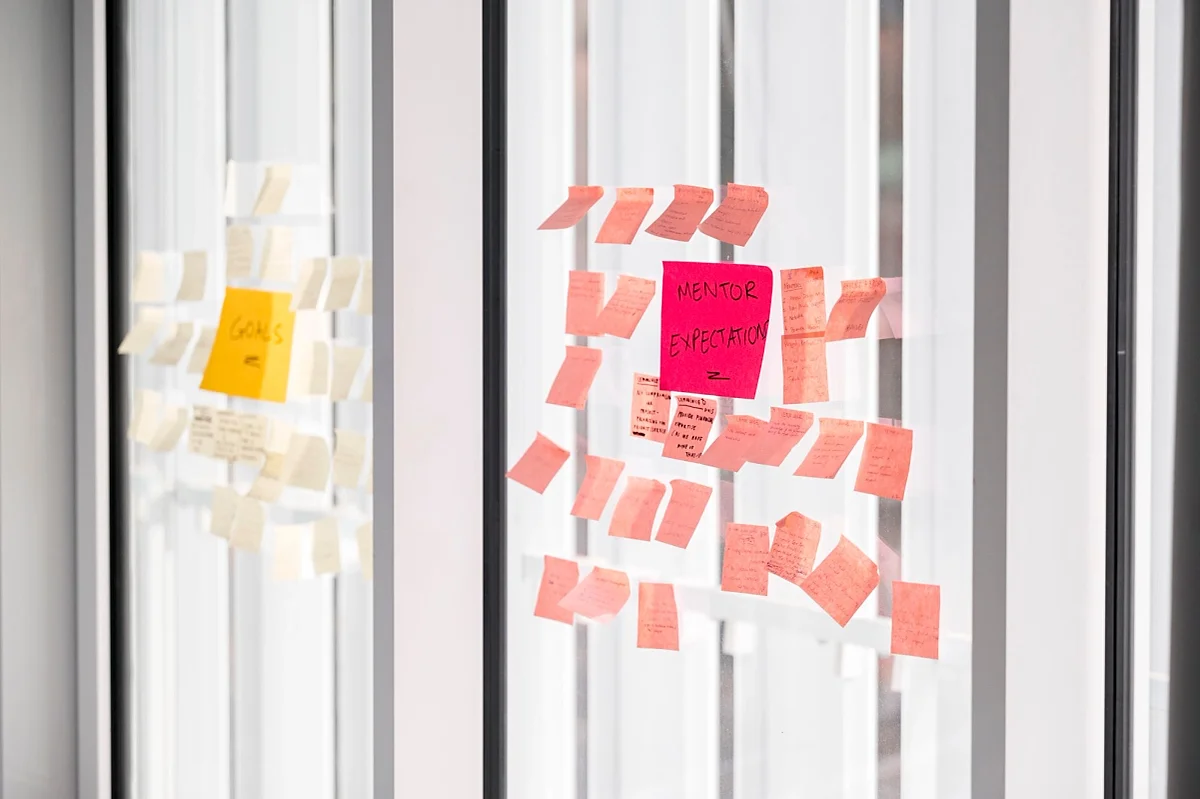
Access to research and design expertise
MOME's design researchers, lecturers, teachers and students can provide value-added creative support for your projects.
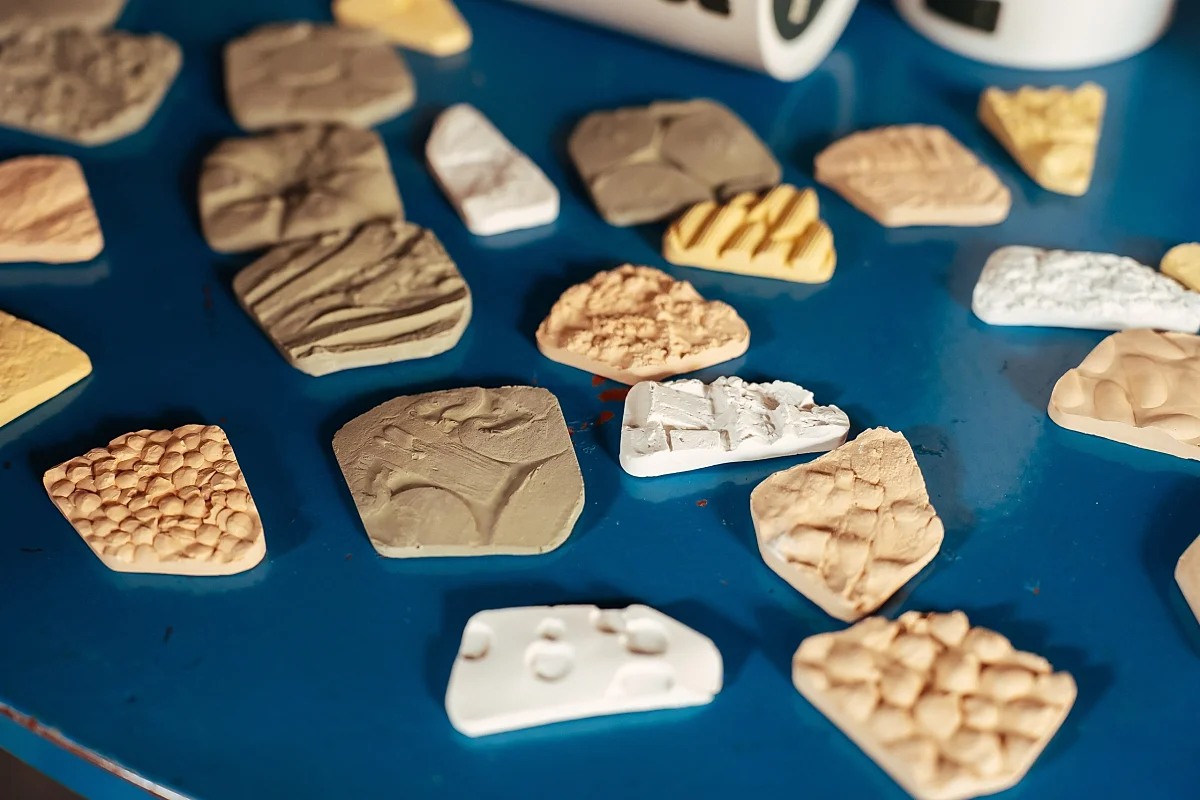
Access to the university infrastructure
Participants can use the MOME infrastructure, such as the TechPark and a dedicated coworking space.
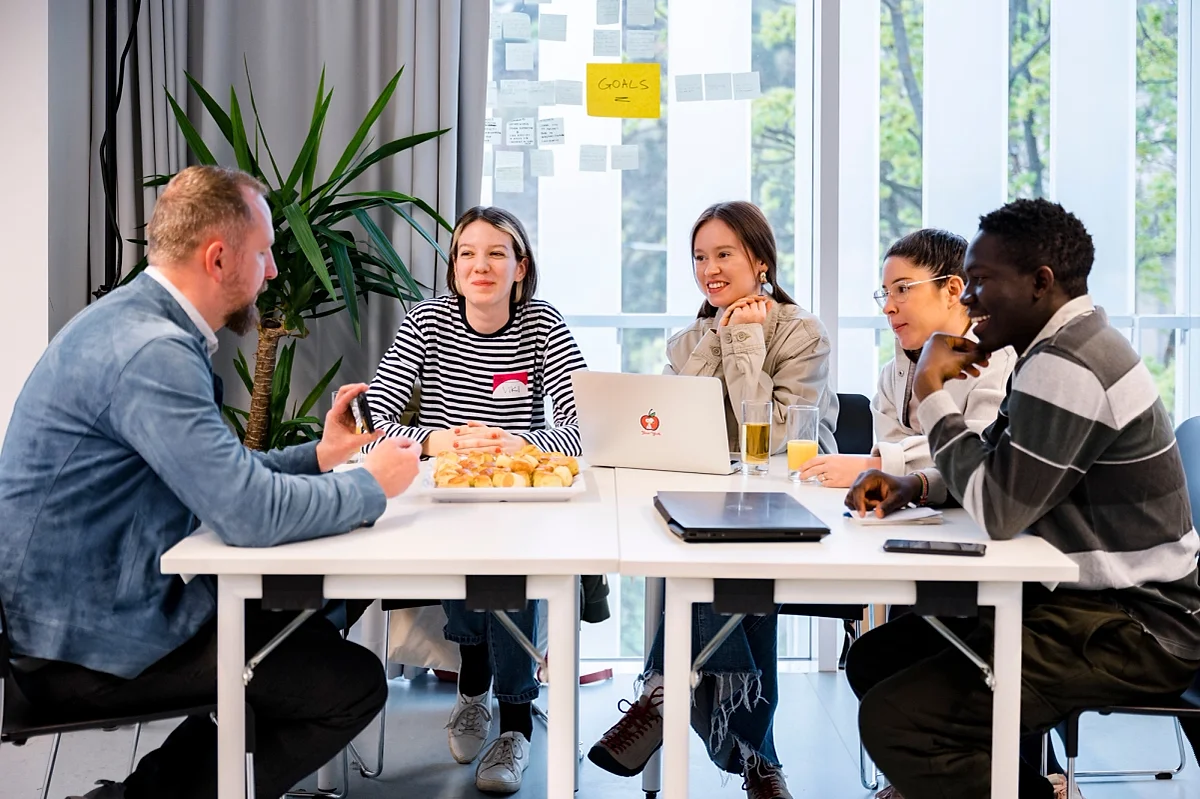
Networking opportunities
Participants can build their network of contacts within MOME and meet professionals, curators and entrepreneurs experienced in the local and regional creative industries and arts ecosystem.
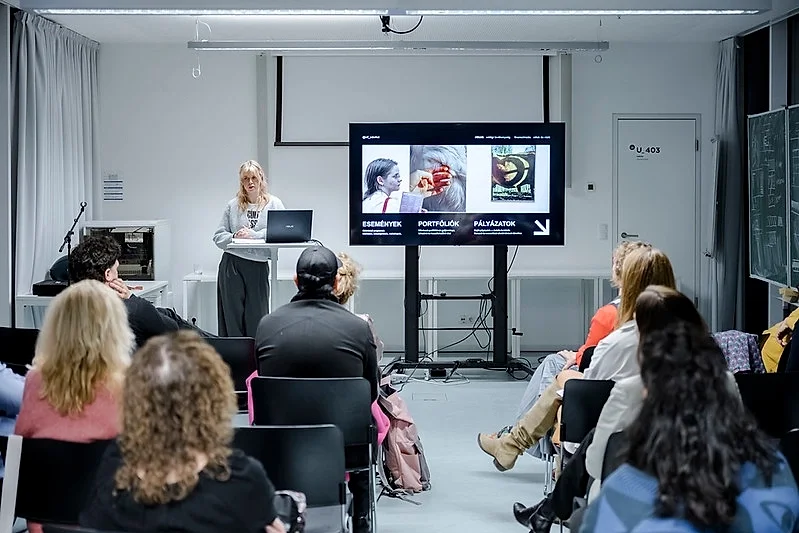
Interdisciplinary sessions
Workshops, open discussions and interdisciplinary (peer-to-peer) learning sessions that collectively contribute to the further development of your project.
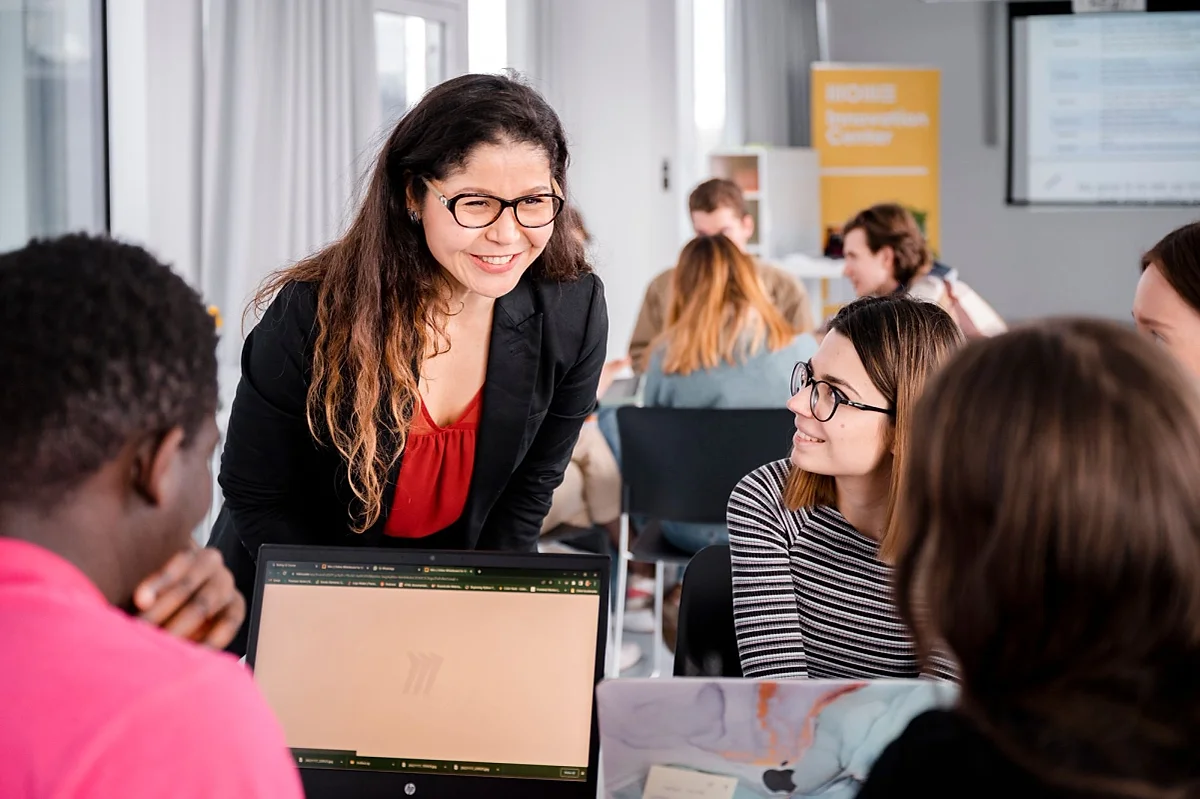
Funding opportunities
Students participating in the program will receive financial support to develop their project and achieve the objectives set out in the project plan. Details on the level of funding are available in the current call for proposals.
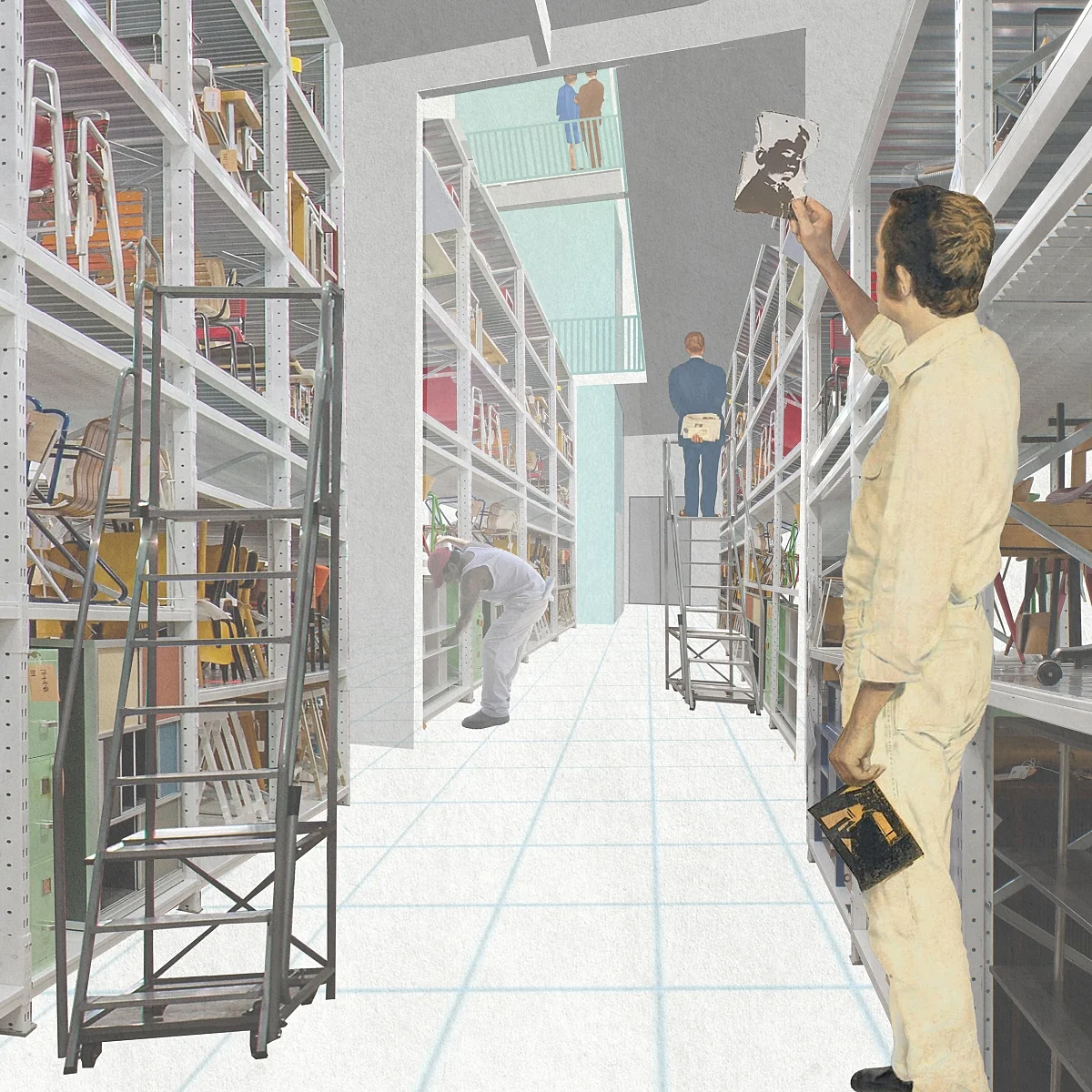
Furnisave
Borbála Véghelyi
Category: Product/service Innovation
FurniSave aims to keep used furniture in circulation through a system that collects surplus but good-condition items, repairs them, and delivers them to people who truly need them — either through donation or affordable resale.
Mentor: Dalma Berkovics
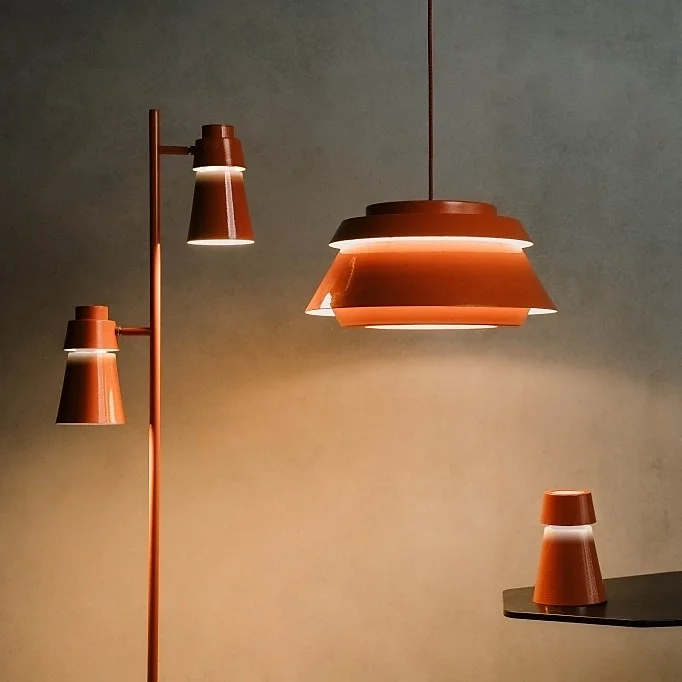
REFLECTA
Nóra Szilágyi
Category: Product/service Innovation
The lamp collection draws inspiration from the legacy of the original Szarvasi lamps, while being built from mutually compatible, easily manufacturable components. During the design process, Nóra consciously relies on the technologies currently used by the Szarvasi Lamp Manufactory, thereby supporting a sustainable and long-term viable production.
Mentor: András Húnfalvi
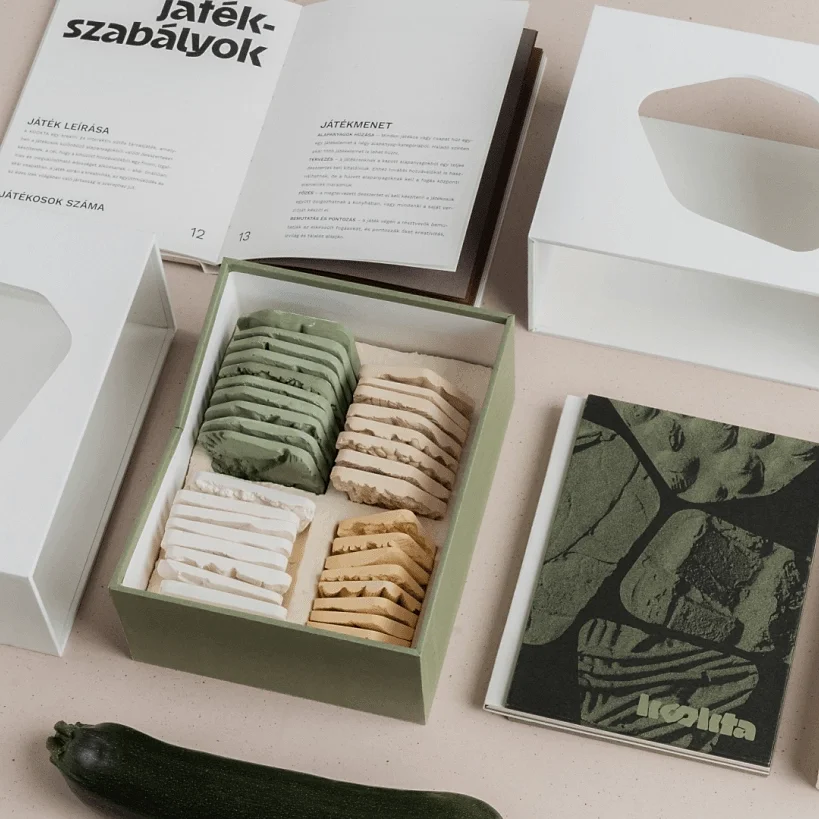
KOOKTA
Anna Sáringer
Category: Product/service Innovation
KOOKTA is an innovative board game and creative tool that transforms cooking into a communal experience. With the game, players can “assemble” dishes without a recipe by selecting game elements sorted into categories. Its unique value lies in the fact that it does not promote competition; instead, cooperation and creativity are at its core.
Mentor: András Péter

The Painter of Sadness
Dávid Straff
Category: Product/service innovation
The Painter of Sadness is a narrative-driven interactive medium designed to lead the player into a dreamlike, liminal space. The work takes the form of a psychological thriller wrapped in black comedy—a story in which humor lasts only until laughter turns into unease.
Mentor: Máté Milovits

The Portrait of an Artist from the Last Century – Vince Hende
Lili Nadin Pokker
Category: Research and Innovation
The aim of the research is to examine the tension between the art-historical canon and those excluded from it. The thesis forming the backbone of the research explores this issue through the oeuvre of a specific creator, using the legacy of Vince Hende as a case study.
Mentor: András Zwickl

Bias!Busters
Éva Szabó
Category: Research and Innovation
The goal of the Bias!Busters web app game is to support high school teachers and students in developing AI literacy. Éva contributes to the work of MOME’s Bias!Busters research team by creating downloadable lesson plans and a prompt dictionary.
Mentor: Brigitta Iványi-Bitter
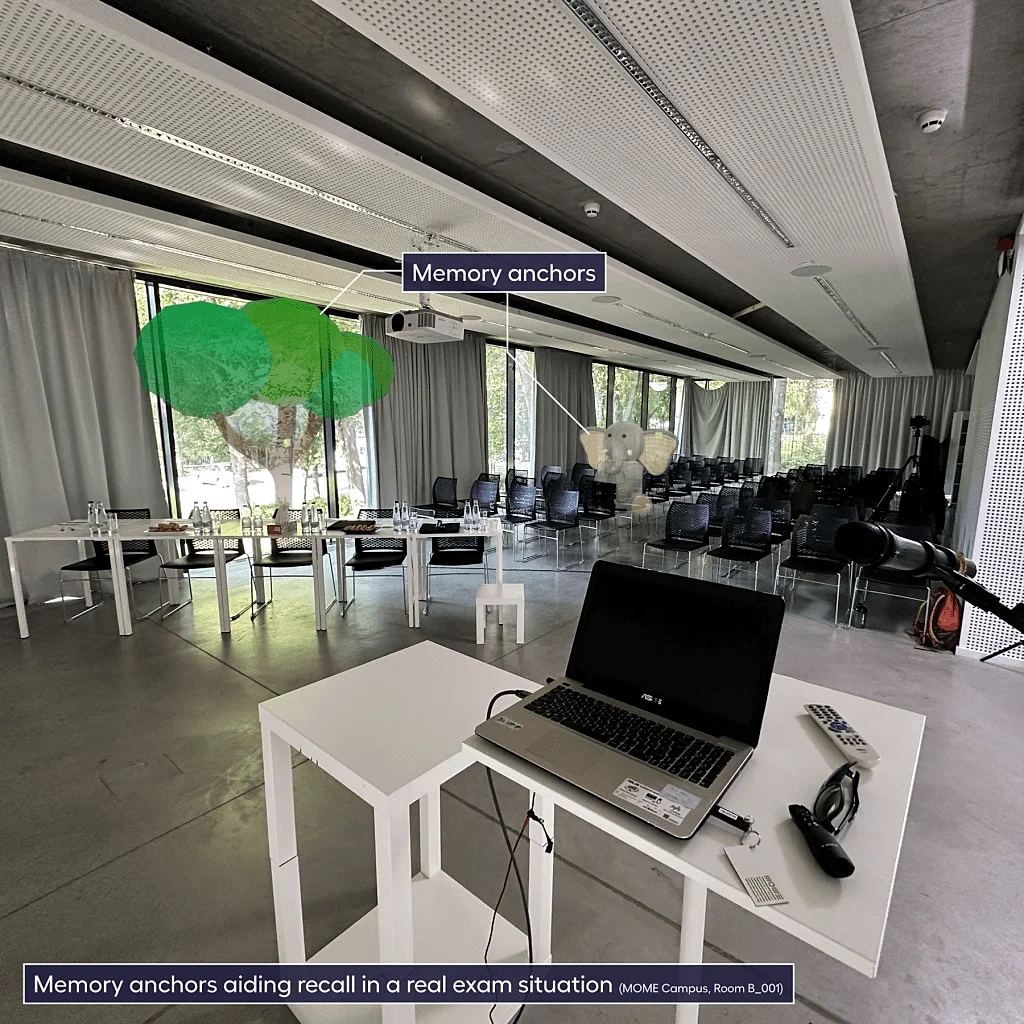
Immersive VR Study Companion
Viktória Pere
Category: Research and Innovation
Viktória’s research project is about validating context-dependent learning and spatial memory in Virtual Reality. She designs a concept-driven VR learning tool that explores how spatial memorization and context-dependent learning can improve recall and reduce anxiety in high-stakes exam situations.
Mentor: Tamás Fogarasy
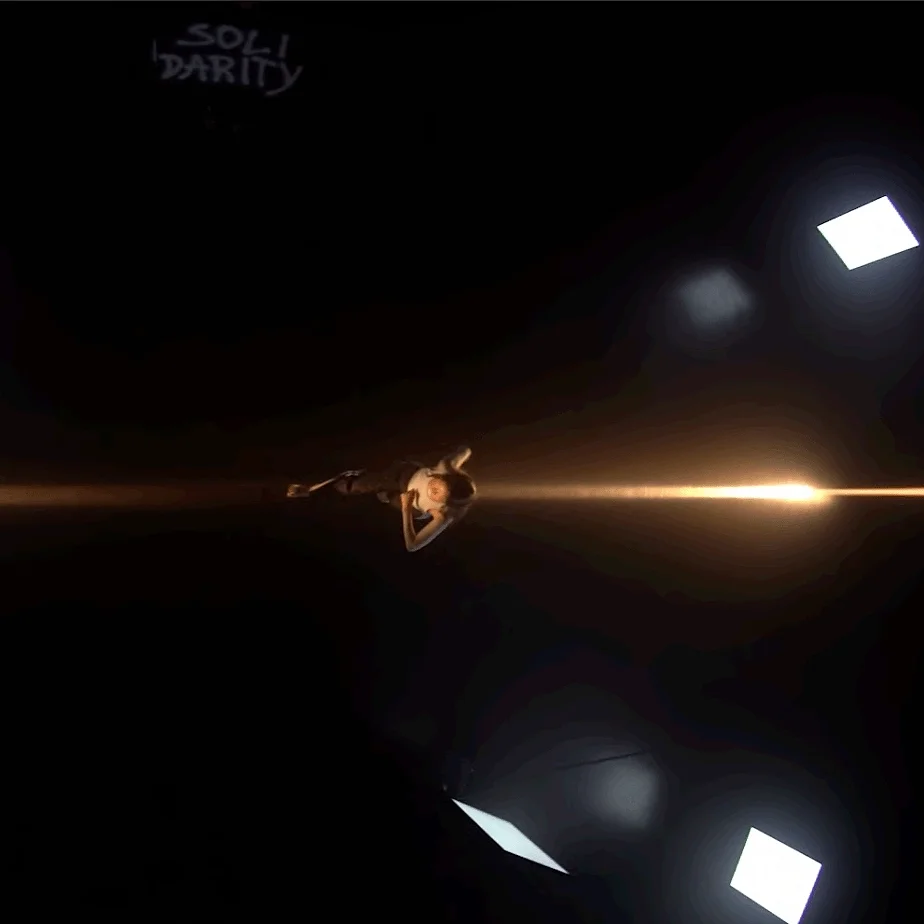
FOG
Svetlana Maximova
Category: Art and Innovation
FOG emerges from a culture in which the state teaches children how to march and how to assemble a Kalashnikov. The 5-screen installation brings together the icons and post-icons of the contemporary political landscape, pointing to a broader dilemma of digital autocracies.
Mentor: Krisztián Török
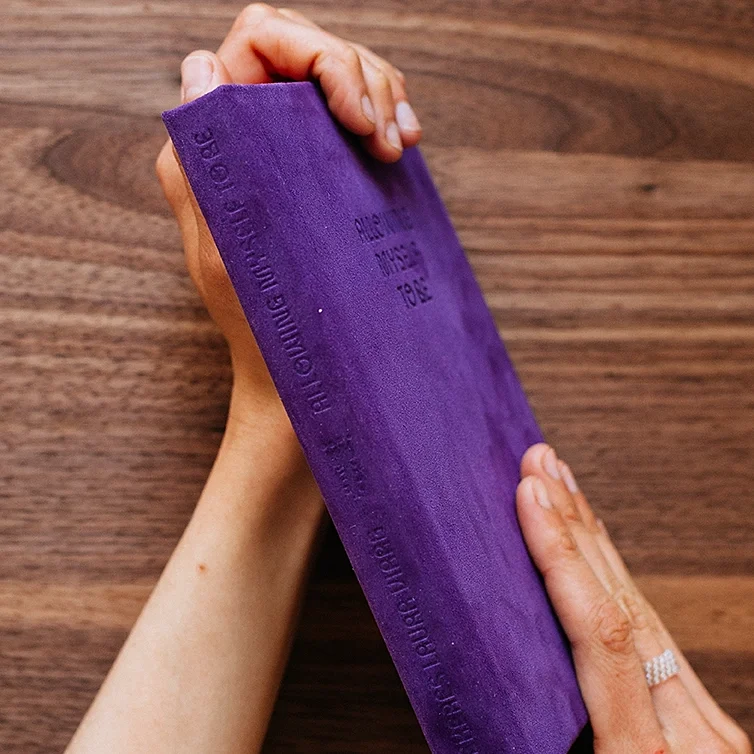
Allowing Myself to Be
Laura Szekeres
Category: Art and Innovation
Allowing Myself to Be is the title of Laura Szekeres’s photobook.
Driven by curiosity, Laura photographs births based on her own desires and fear, something she herself has not yet experienced. For her, the camera serves as a tool to get closer to the question of whether her own body would be capable of such experiences.
Mentor: Luca Petrányi
Mentors

MOME Knowledge Transfer Center
Director of Technology Transfer and Business Development

Máté Milovits
ThinkThings, Csendtörő Foundation
Business Strategy, Business Development, Digital Strategy · Solution Design, Digital Transformation

Krisztián Török
MODEM Centre for Modern and Contemporary Art
Curator

Luca Petrányi
Useless Galeri
Curator
Team

News
The application form must be completed and submitted by 11:59 PM on 29 June 2026.
The evaluation of applications will take place between 1 and 3 July, after which the most promising candidates will be invited to a personal interview, which will be sent to the e-mail address provided on the application form. The personal interviews will take place between 7 and 9 July at an individually agreed time.
The personal interviews will focus on the nature and feasibility of the candidate's objectives and motivation.
Project leaders selected for the program will be notified by 15 July via the email address provided on the application form.
During the program, you can meet external mentors, experts and representatives of different companies who can help you develop your project and career in a next step after the program. Funding for incubated projects is an opportunity for participants
- to cover the cost of a Design Award and receive professional support in putting together a proposal,
- to build a team for creating a major installation,
- to join a research team,
- to build manufacturer/partner relationships with national and international companies,
- to establish a legal basis for the future of your product/service,
- to give more visibility to your creation, your project, your work to date.
We welcome applications for this call from MA graduates of MOME who completed their studies between 2024 and 2026.
We are looking for motivated recent MA graduates to apply for the program—individuals who are fully committed to further developing their master’s project and making the most of the opportunities offered by incubation, who think in the long term, and who have clear and feasible goals regarding how our incubation program can support their project, research, and product development.
We are seeking applicants who:
- Complete individually defined goals, developed together with their mentor or personal consultant, on time
- Attend regular mentor and group consultations in a prepared manner
- Are able to participate in all individual and group consultations and can dedicate a minimum of 20 hours per week to development, as required by the program
- Having a team and proficiency in English are considered advantages, but are not prerequisites for application.
We are looking for MA graduates to apply to the program who are sufficiently committed and motivated to further develop their master’s project with a focus on long-term value creation (social and/or market impact), and to make the most of the professional support and opportunities offered by the program.
While the innovative nature of the project is an important evaluation criterion, it is also essential to consider what short- and long-term goals can be associated with the project, as well as the degree of feasibility in relation to the available resources.
No, and your application will not be adversely affected if you apply individually. However, we always encourage individual idea generators to proactively seek out similarly motivated individuals with additional skills who can contribute to the successful development and implementation of the project in the long term.
The program invites artists, curators, researchers, designers and entrepreneurs from the creative industries and the field who are committed to nurturing the talent of the participants and who will provide expertise, networking and opportunities to support the project and the career path of the graduating student. Most of our mentors are part of the successful alumni team of MOME and have reconnected with the university in the last few years as mentors, tutors, experts or other collaborations.
Our aim is to ensure that each participant receives the most appropriate mentoring and peer support. If this process can be best supported by the previous supervisor or thesis advisor, we will do our best to ensure that the collaboration can continue.
The currently active application is open only to recent MA graduates from MOME. The primary objective of the program, which will start in the fall, is to provide graduate students with the opportunity to further develop and implement their master thesis or project and to establish their career.
The knowledge and experience gained in a Business to Design course or in HSUP can be a great advantage for students applying in the 'Product Innovation' category, but the program does not only aim at market exploitation and creative business creation, but also aims to support autonomous career builders and researchers who prefer artistic or scientific careers.
We welcome applications for this call from MA graduates of MOME who completed their studies between 2024 and 2026, with the aim of further developing their master’s projects. An information session will be held at the end of August for admitted applicants, where they will be introduced to the details of the program.
The program runs from September 15, 2026, to March 31, 2027. The milestones defined in the development plan—established at the beginning of September—can be presented at pre-scheduled, regular intervals during collective consultations. The program concludes in mid-March with the presentation of the development process and the final product/project.
The MOME Art and Design Incubation Program supports the further development of master’s projects by MA graduates from 2024–2026, with a focus on artistic, research, and innovation-based projects. The program offers personalized mentoring, access to expert consultations, and financial support, enabling participants to further develop their master’s work along individual goals, deepen their professional knowledge, and lay the foundation for their careers.
In contrast, the Creative Entrepreneurship Program is intended for active students and graduates from 2022–2026 who already have a well-developed business idea and are committed to bringing it to market. The program provides intensive mentoring, structured business development frameworks, legal and financial advisory support, as well as networking opportunities to help launch a creative industry venture.
If your goal is to deepen, develop, implement, and present your master’s project to a broader audience, the Incubation Program is the right choice. However, if you are working on a concrete business idea—ideally with an established team—and want to start a business, the Creative Entrepreneurship Program is the better fit.
The Society & Action Lab explores a range of social challenges through the tools of design. The Lab investigates topics such as disadvantage compensation, education, social reproduction, gender equality, urban coexistence, and more through participatory, fieldwork-based, practice-oriented research. Focusing on the relationship between social innovation and design, it develops interdisciplinary methods to drive real-world impact.
Keywords: Social innovation, disadvantage compensation, participatory design, participatory design research, inclusive design practices
The Ecology and Action Lab focuses a on researching socio-ecological challenges through participatory and systemic design practices, with the aim of developing and implementing sustainable solutions in collaboration with communities, stakeholders (scientists, municipalities, etc.), technologies, and the natural environment itself.
Keywords: environmental literacy, ecosystem resilience, conscious material design, systems thinking, more-than-human perspective
The Heritage in Motion Labexamines the significance of time in the age of polycrisis and its impact on complex systems. The Lab’s research focuses on developing time-awareness and exploring its cultural and systemic implications from both human and beyond-human perspectives. While embracing cultural literacy embedded in temporal awareness, the Lab also approaches time as a constructed and designed element of our environment..
Keywords: time and design, cultural heritage, futures studies, resistance to speed culture
The Future Care Lab approaches aging as a form of medical vulnerability and aims to design tools and services that improve rehabilitation, enhance quality of life, and reduce age-related stigma. The Lab strongly supports disability-aware and inclusive design to unlock individual potential and foster collaborative capabilities. In addition, it explores how art and design can strengthen coping mechanisms, build resilience in response to mental health challenges, and help reduce the stigma surrounding mental illness.
Keywords: new technologies, disability and design, aging, rehabilitation, pain research through design, clinical research using design tools
If your master’s project is connected to the work of one or more of these research labs, we can offer enhanced support, including access to internal experts and mentors, as well as potential international professional support, networks, visibility, and other opportunities. In the relevant section of the application form, you will have the opportunity to indicate your connection to the different thematic areas.
All collective consultations and joint programmes take place face-to-face on the university campus (1121 Budapest, Zugligeti út 9-25, 1121 Budapest). The nature of the individual consultations with the mentor (face-to-face/online) in the incubation program is decided jointly by the mentor and the participant.
The program is primarily in Hungarian, but there is the possibility of English language consultations during individual mentoring. Knowledge of English is important but not essential to complete the program.
One of the unique advantages of our incubation program is that participants have access to the facilities of the Technology Park. These include workshop space, studio, digital labs, media technology and photo studios. For more details, visit the website here: https://mome.hu/en/facilities.