The designers of tomorrow
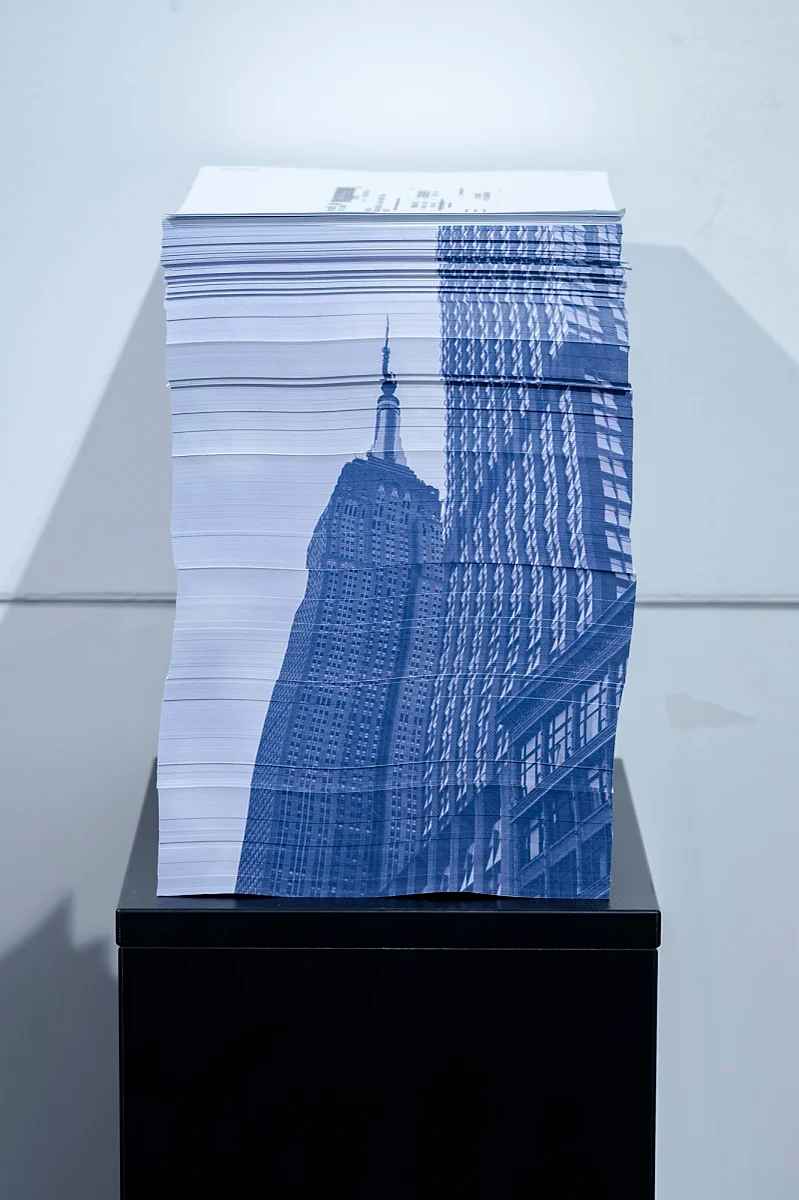
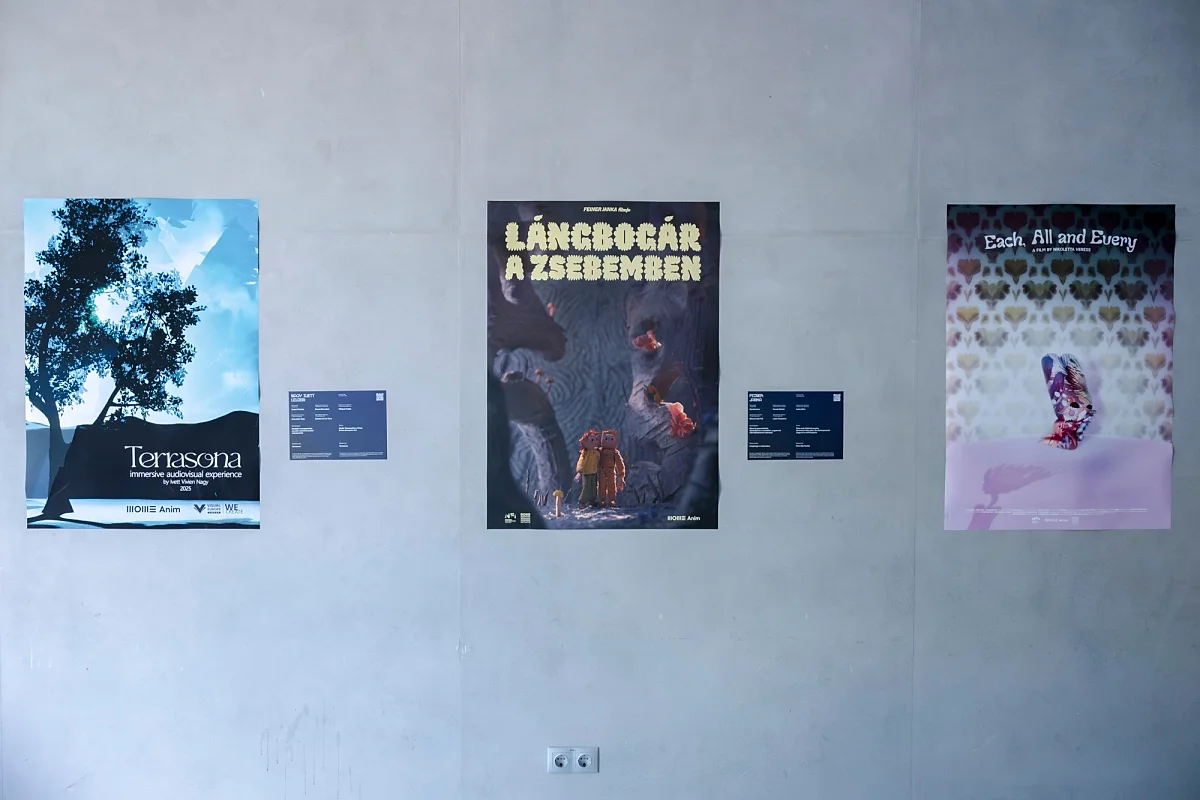
An abandoned factory, an old lamp, a polka-dot ball, personal memories – the diploma projects featured on posters across the city draw on familiar objects, situations, while opening up broader contexts. They offer a glimpse into how the new generation of emerging artists and designers think about contemporary art, tradition, collective memory, and sustainability.
Graduation marks both an ending and the beginning of something new, a transition as student works first find their way beyond the university to wider audiences. This page includes the venues of the Citylight showcase accompanying the MOME Diploma exhibition along with a detailed description of the designs on the posters, offering a fuller picture.
The exhibition continues with the 2026 MA projects on Zugligeti Road from 13 June.
Rector’s Diploma Award Recipients 2025
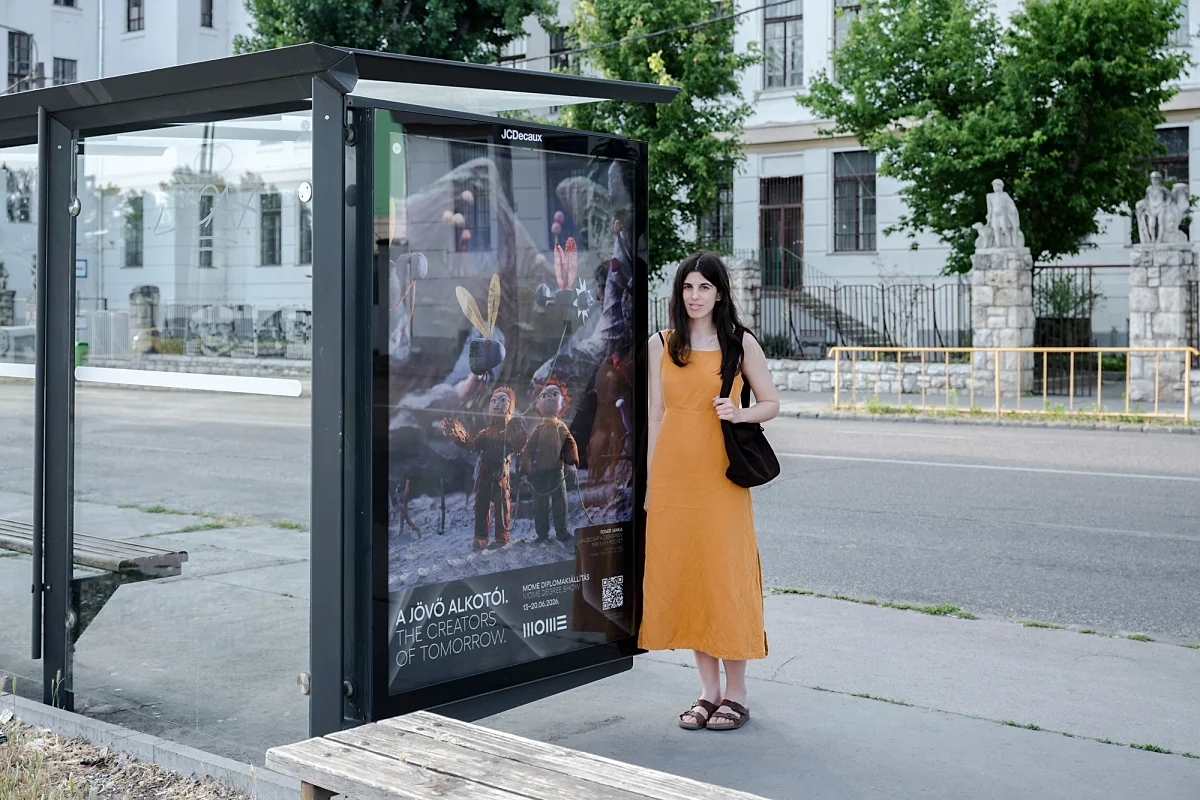
Janka Feiner
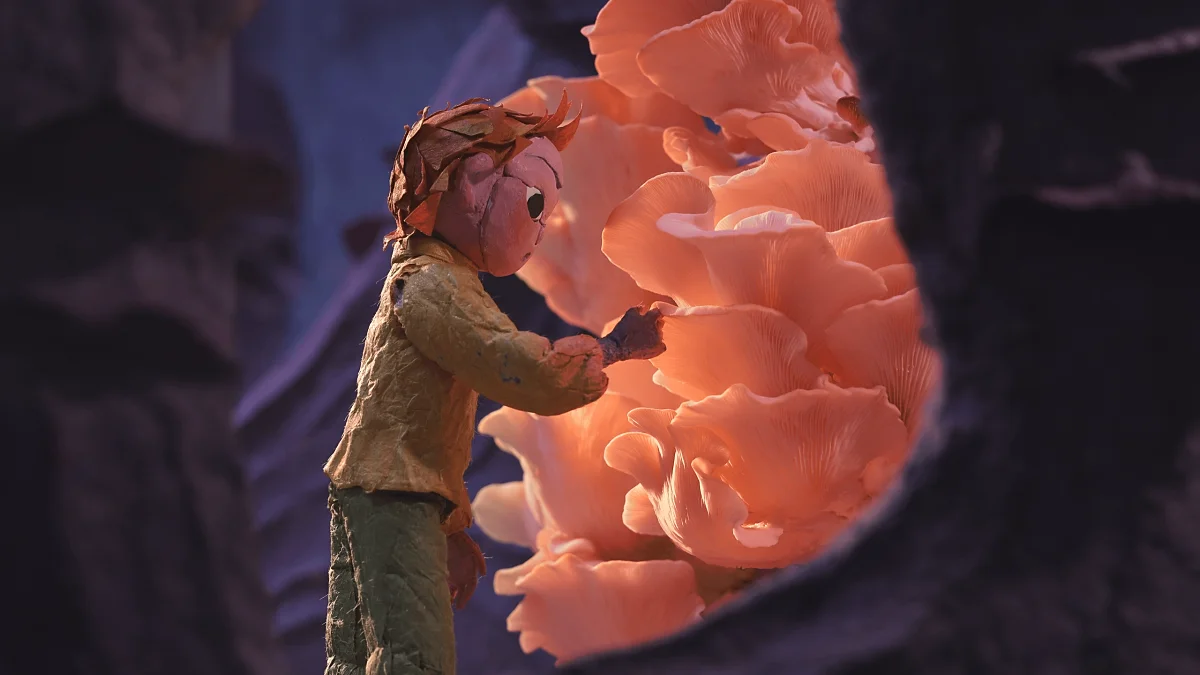
My diploma project is an animated short film combining 2D animation and stop-motion techniques. It follows a young boy who is far more interested in adventure than in building a bed. Drawn into mischief by a tiny fire creature, he finds himself in a magical world filled with giant mushrooms, where things gradually spiral out of control. Eventually, he realises he has gone too far and returns home to finish building the bed. One of the film’s distinctive elements is the use of real mushrooms in the stop-motion sequences.
Consultants: Anna Gyulai, Dániel Huszár, Judit Bényei PhD
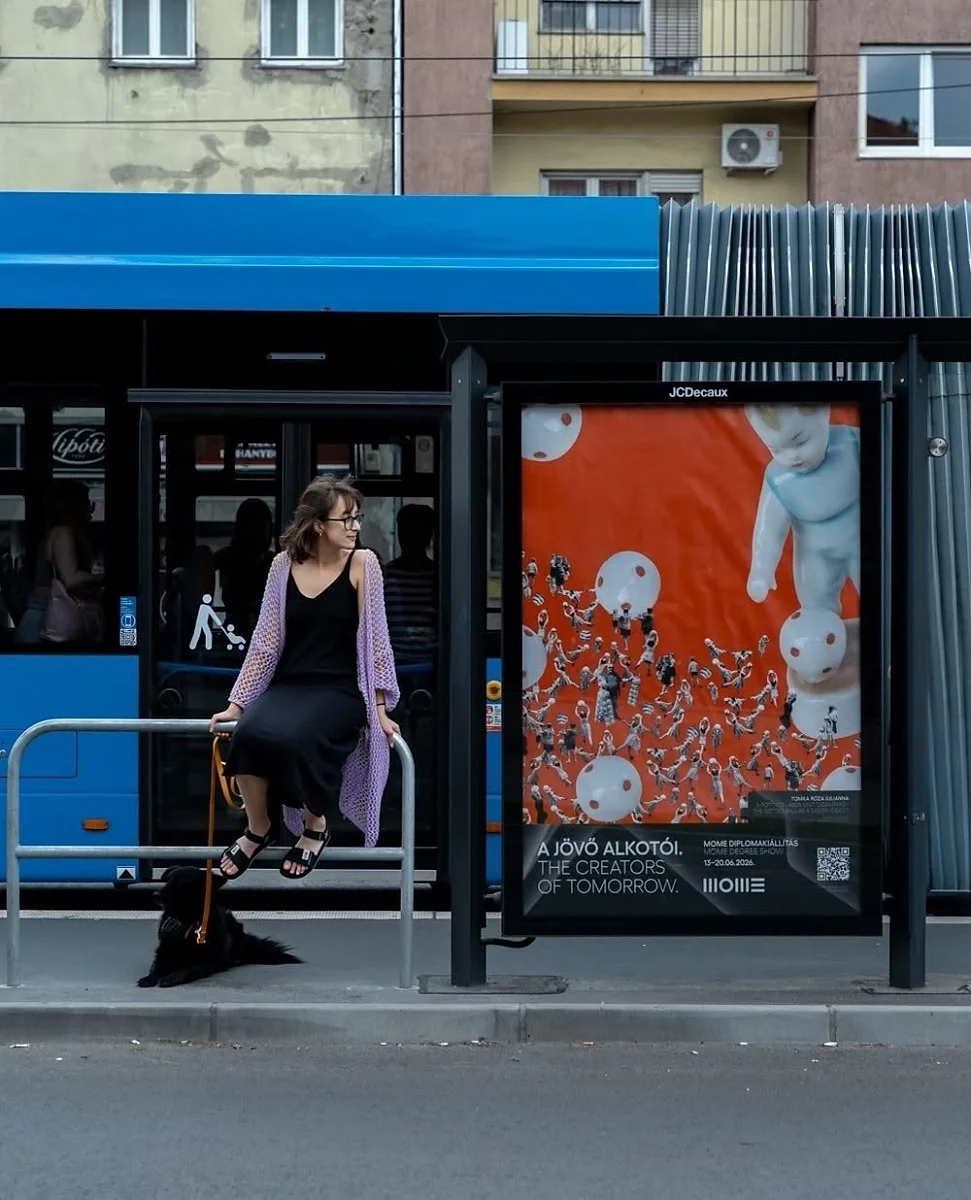
Róza Julianna Tomka
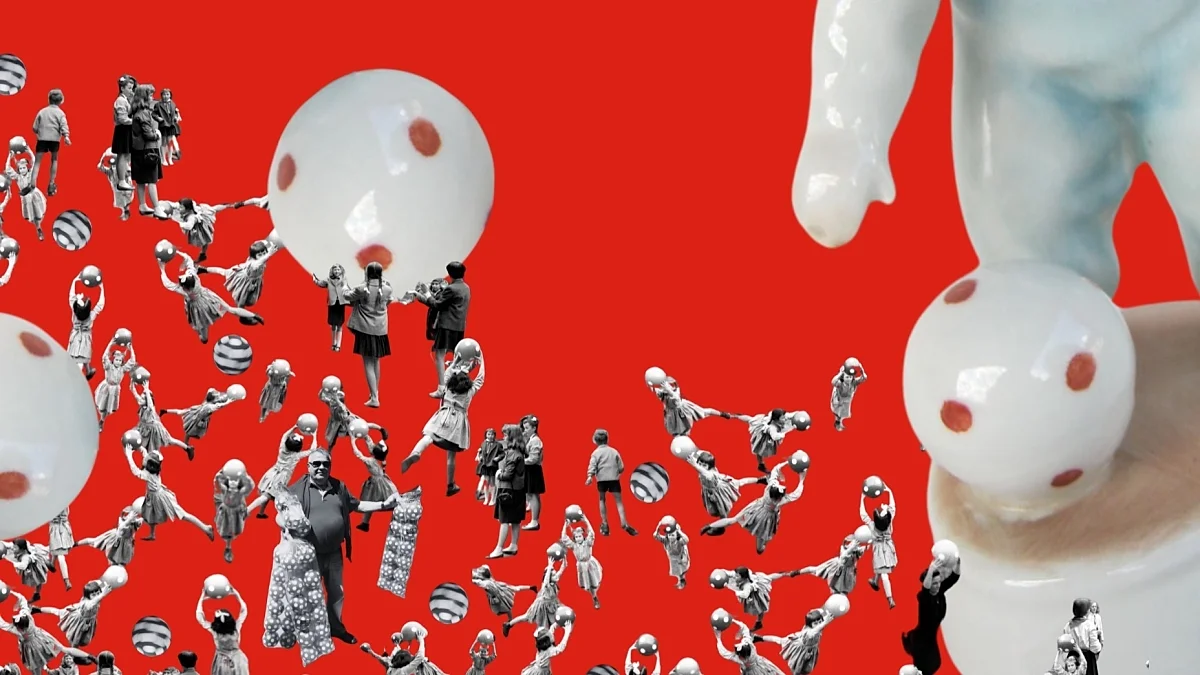
The polka-dot ball remains one of the most enduring symbols of childhood play – but what lies behind its “timelessness”? My initial hypothesis was that the object held a central place in childhood play around the world. I soon realised, however, that neighbouring countries never developed the same attachment to it, which led me to focus instead on its local social background in Hungary. My thesis explores questions such as how the object has remained virtually unchanged since the 1950s, why it is not seen as a retro object, and whether something without a known designer can still be considered a design item. If an object remains in use for seventy years and generations continue to form emotional attachments to it, it is presumably an example of good design.
Consultants: András Zwickl; Klára Kuti
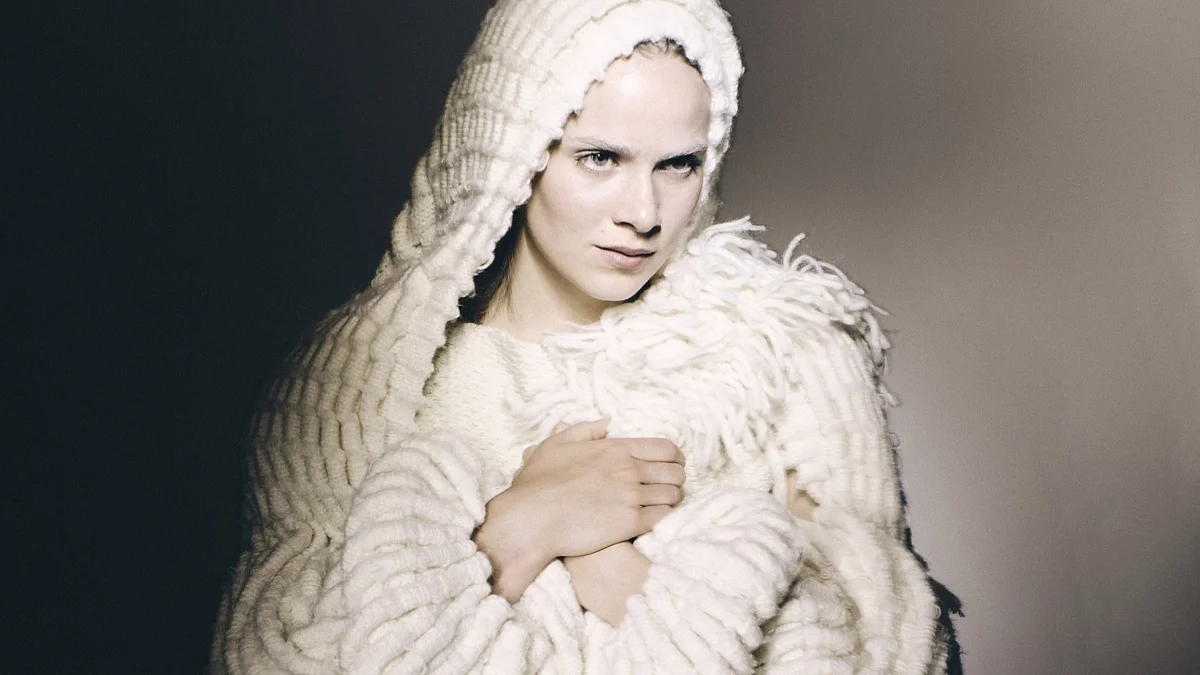
Eszter Kain
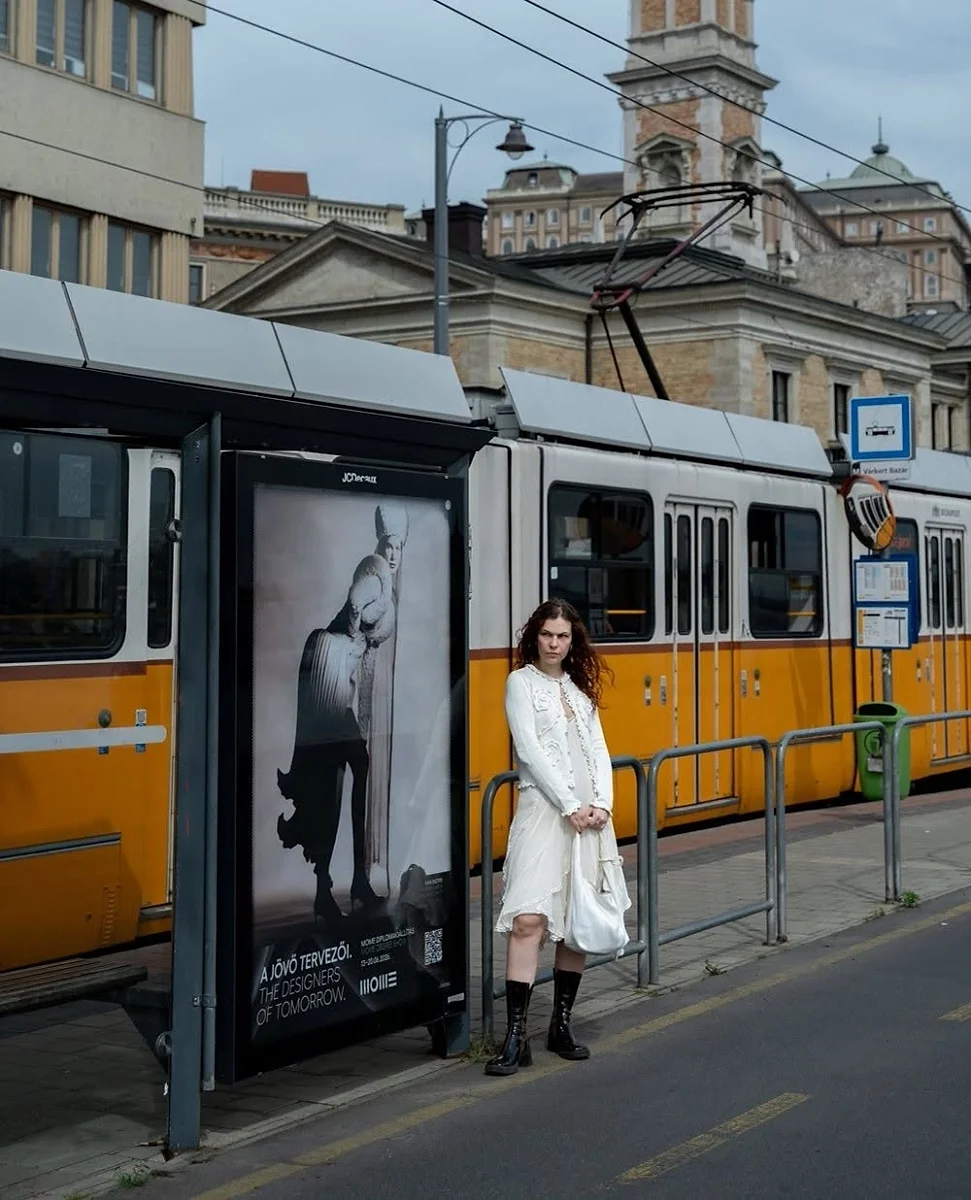
In my masterwork, I juxtapose white figures and key events from Hungarian folklore with the stages of a fictional woman’s life journey.
The knitted garments in the collection reflect the rites marking the turning points of a woman’s life – from birth to death. My aim was to create a visual narrative in which the cyclical transformation of female identity becomes visible at the intersection of tradition and contemporary simplicity of form. Here, the white figure becomes a carrier of transformation embodied through ritual and preserved in collective memory.
Consultants: Ildikó Kele, István Povedák
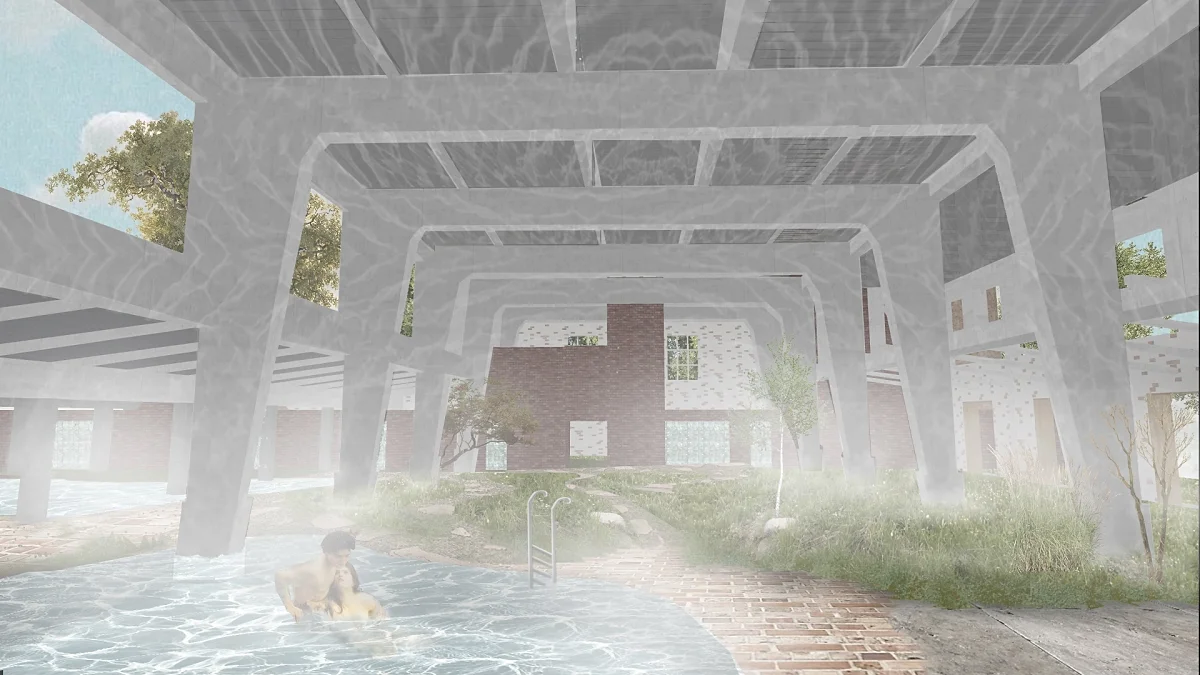
Dóra Veres
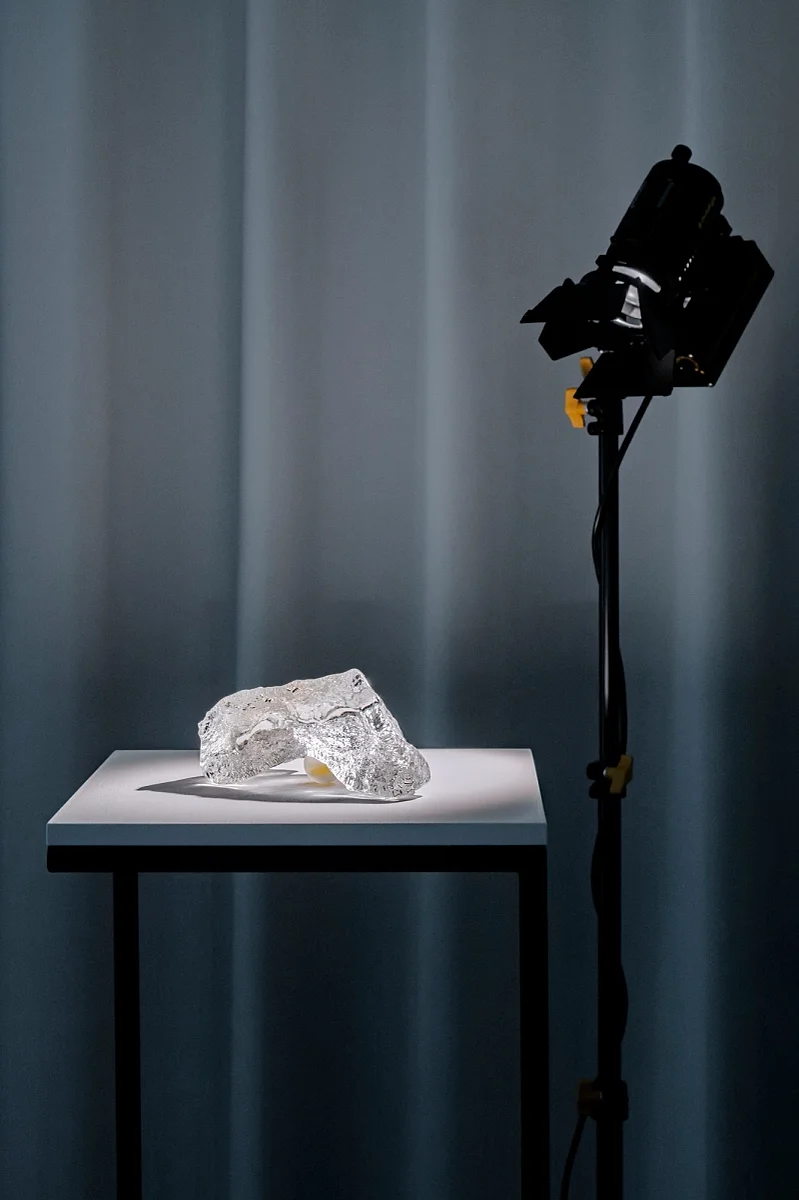
My diploma project is an architectural reimagining of the former glass factory complex in Parádsasvár, drawing on the area’s local resources. The design approach is informed by the translucent yet hazy qualities of glass and the steam created by the area’s thermal waters. Surrounded by hiking trails, springs, caves, and rocky ridges, the site lies within a rich natural landscape. According to the design, the former warehouse and office building is turned into a hikers’ lodge, while a thermal bath sits beneath the structure of the old glassworks. The aim is to allow this abandoned site – now almost a scar on the landscape – to come back to life and be integrated into the surrounding natural environment.
Consultants: Csaba Kovács, Bence Dobos, Bálint Veres
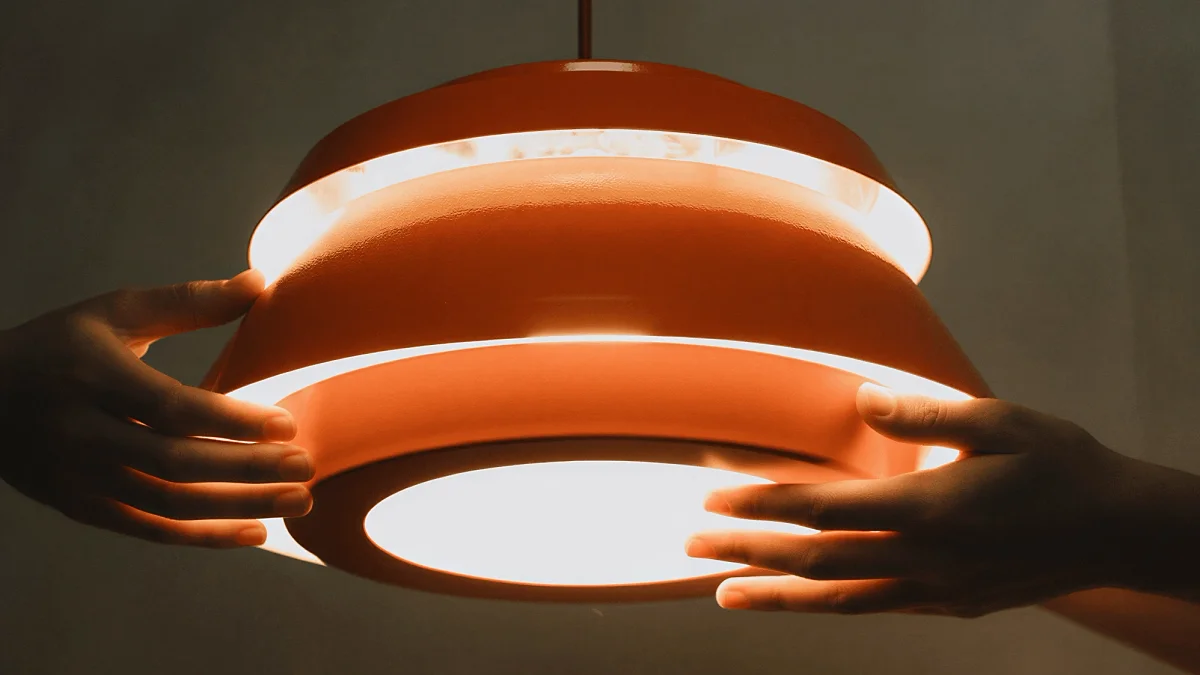
Nóra Szilágyi
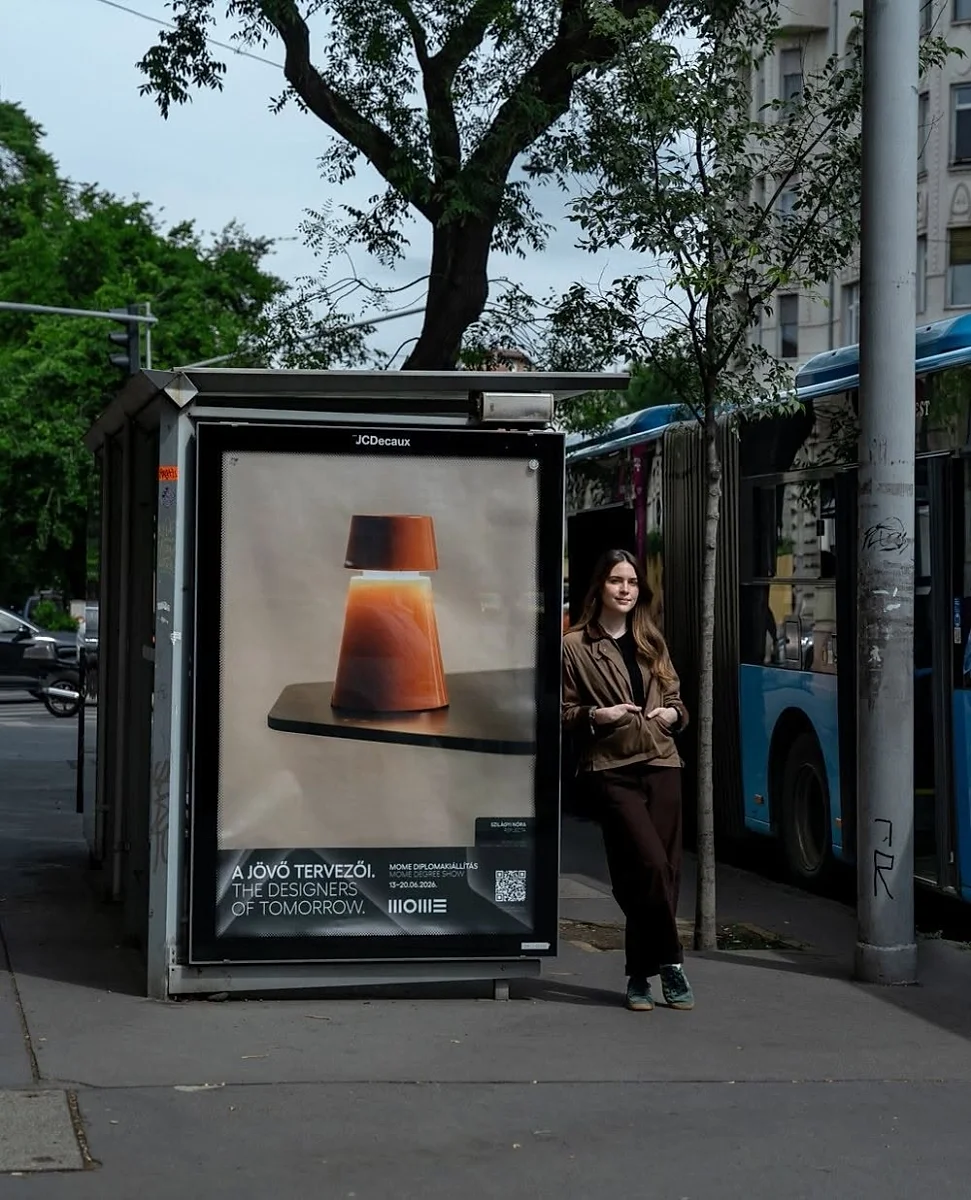
My masterwork is a lamp collection inspired by the original Szarvasi lamps, built from compatible, easy-to-manufacture components. The collection was developed with the existing production technologies of Szarvasi Lámpa Manufaktúra in mind, helping support a more sustainable manufacturing process. The lamps create playful lighting effects and recontextualise the pressed-metal silhouettes characteristic of Szarvasi designs. The project is designed to link tradition and contemporary design through flexible lighting solutions.
Consultants: András Húnfalvi, Attila Horányi PhD
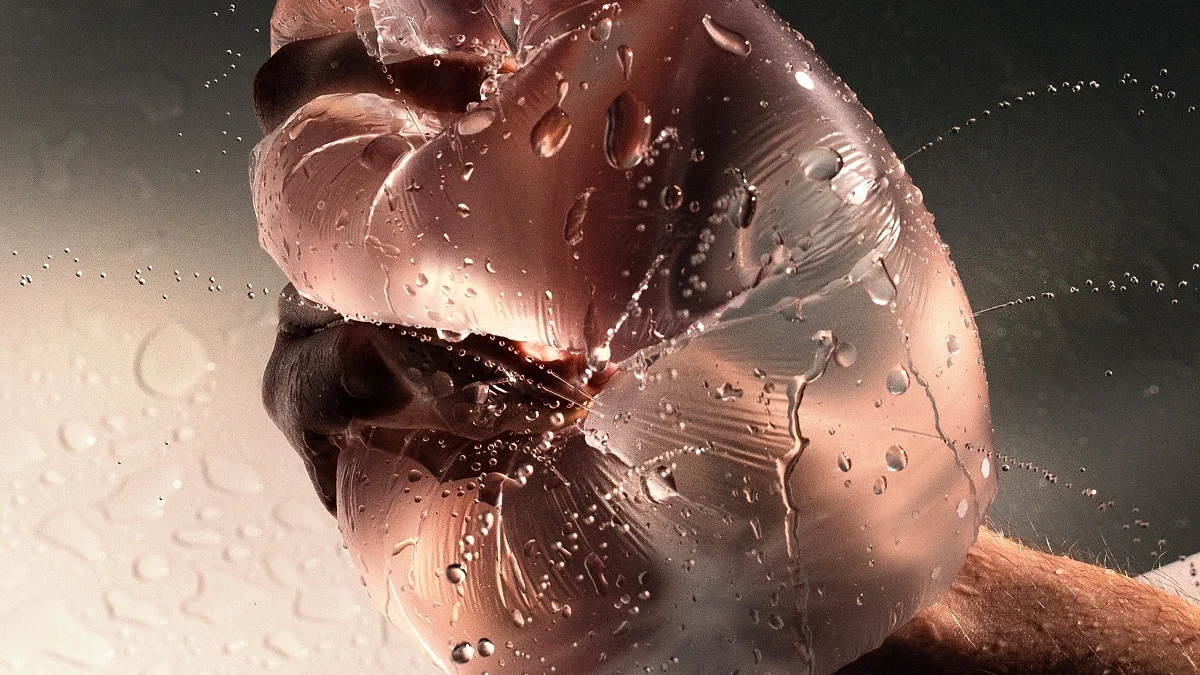
Levente Németh
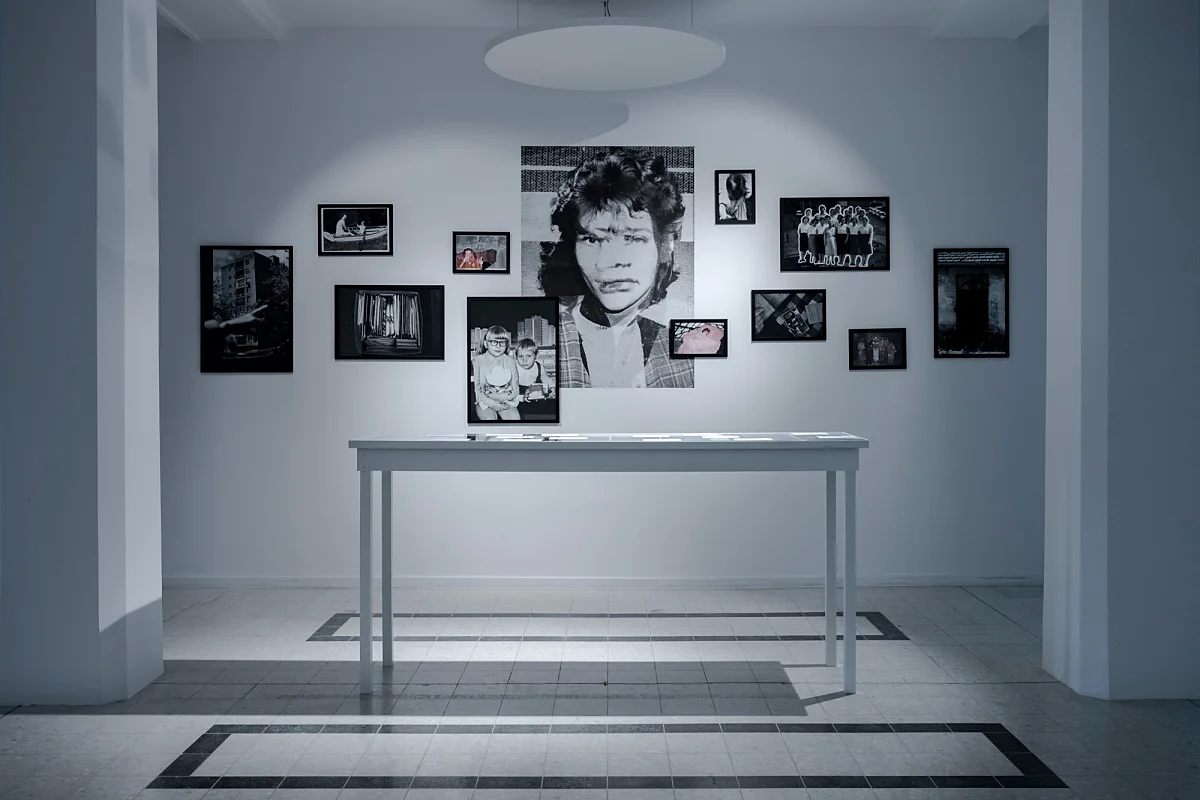
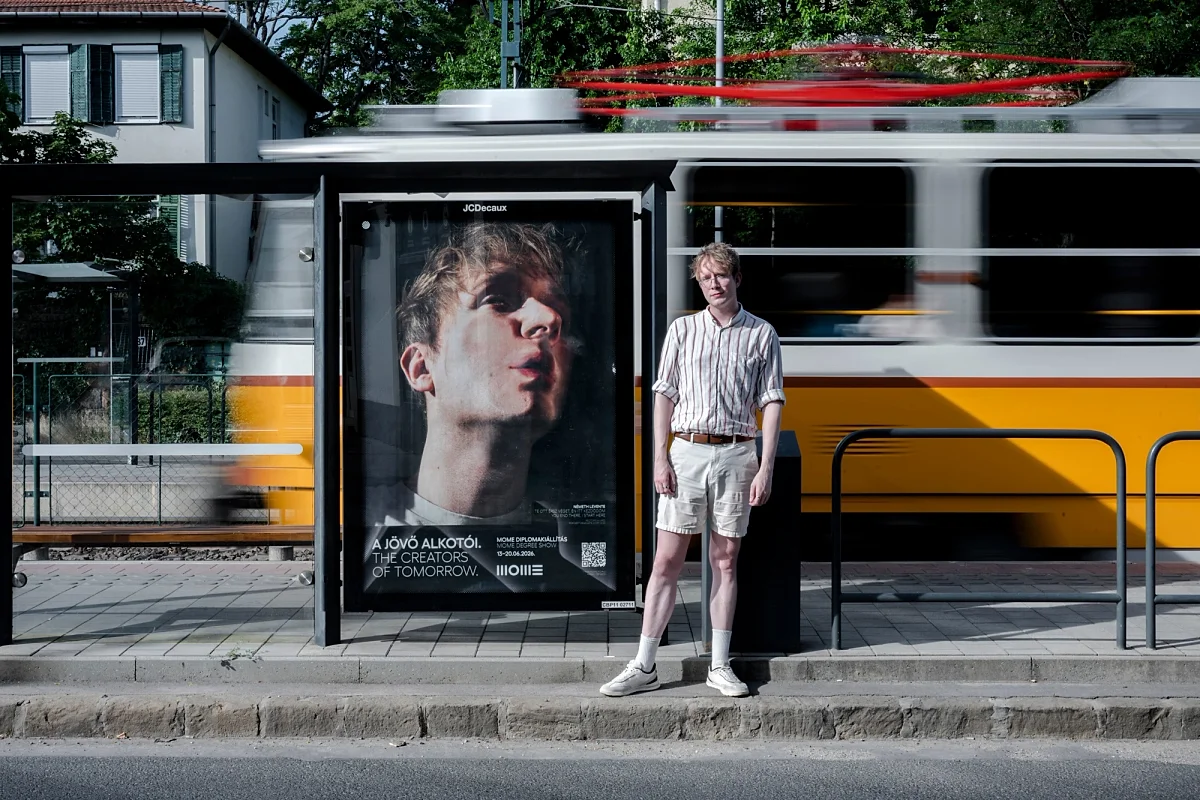
My project is a personal visual diary exploring emotional boundaries and self-acceptance through the lens of childhood trauma. It focuses on the dynamics of emotional and mental safety, particularly the process of reconnecting with negative emotions. Through symbolic and staged images, I reassess my relationship with myself and others, as well as the behavioural patterns that have shaped my identity.
The project marks a turning point in my practice, shifting the focus from other people’s stories towards my own experiences. I use photography as a tool for self-understanding and reclaiming my emotions, reflecting on the importance of emotional boundaries and the process of healing.
Consultants: Éva Szombat, András Beck
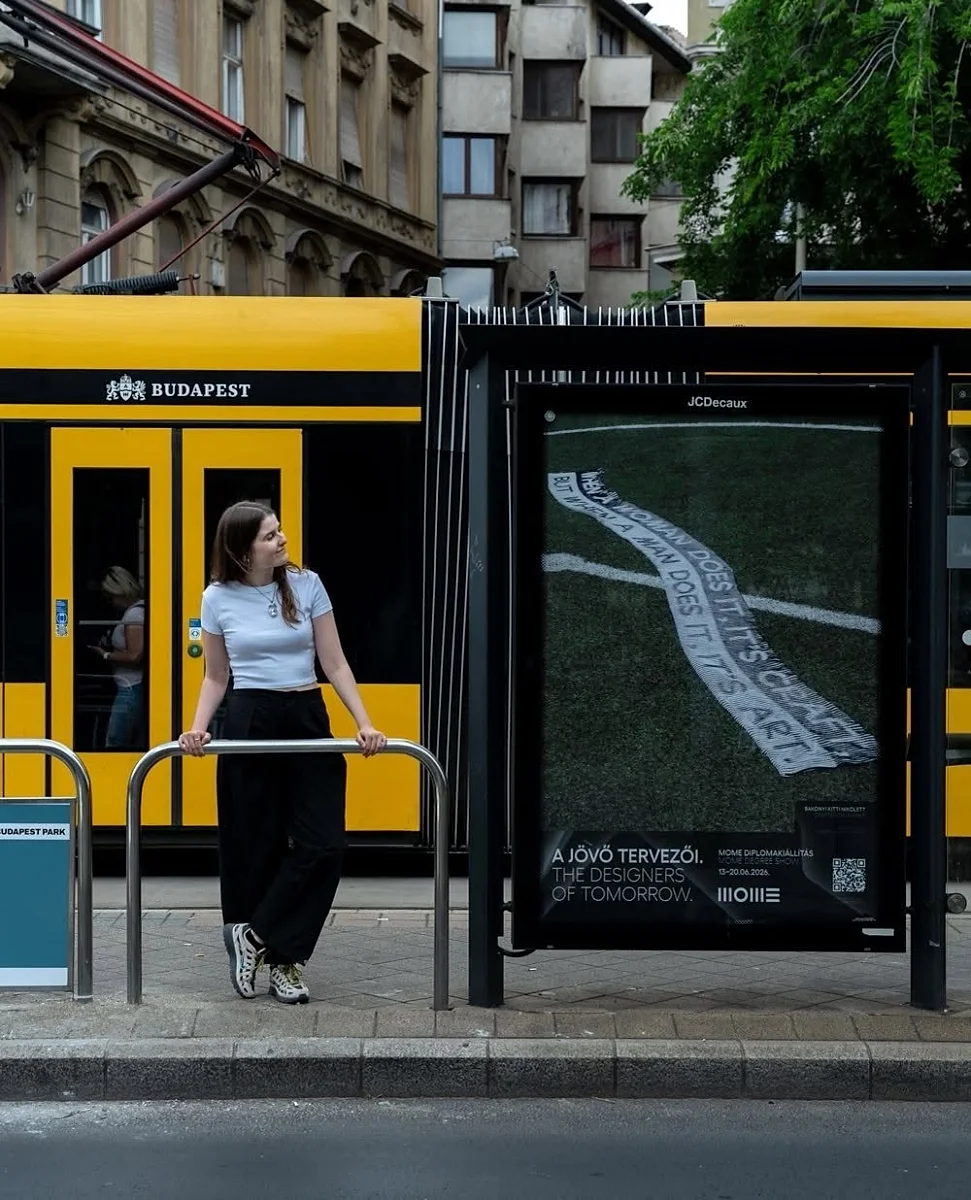
Kitti Nikolett Bakonyi
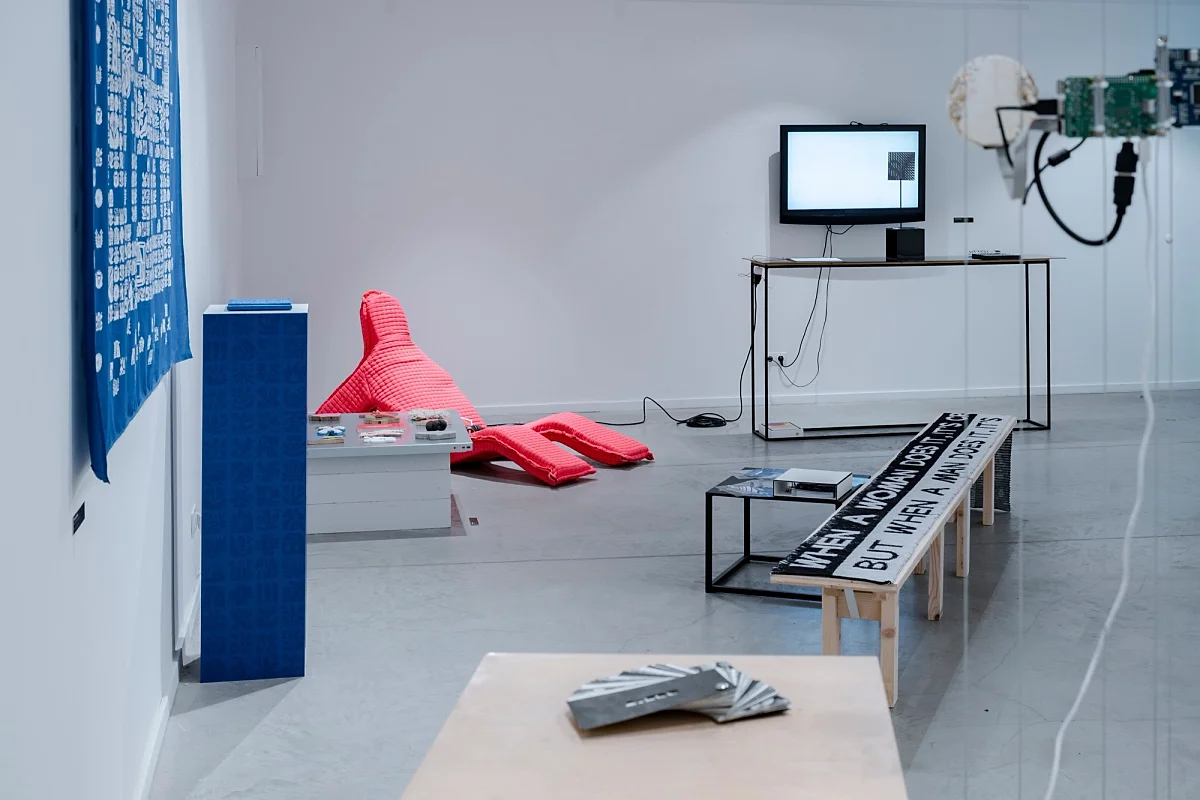
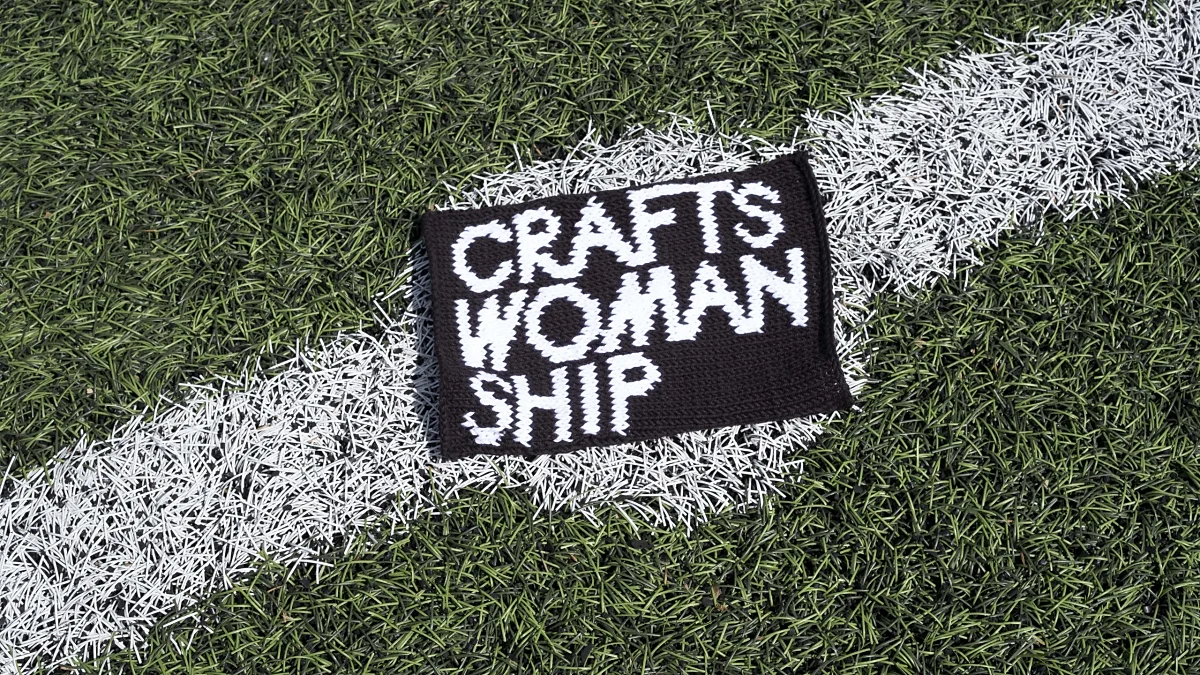
My masterwork examines the intersection of typography and textiles from a feminist perspective. The centrepiece of the project is a hand-knitted women’s fan scarf – a traditionally masculine sports object – carrying the hidden message “When a woman does it, it’s craft, but when a man does it, it’s art.” The text can only be read from certain angles, highlighting the invisibility of women’s voices. The project reflects on the double standards surrounding the social perception of female creativity, encouraging viewers to reconsider objects and the meanings attached to them from a different point of view. The theoretical and personal layers of the work are further explored through an accompanying publication.
Consultants: Balázs Vargha, Eszter Földi
Where to find the diploma projects?
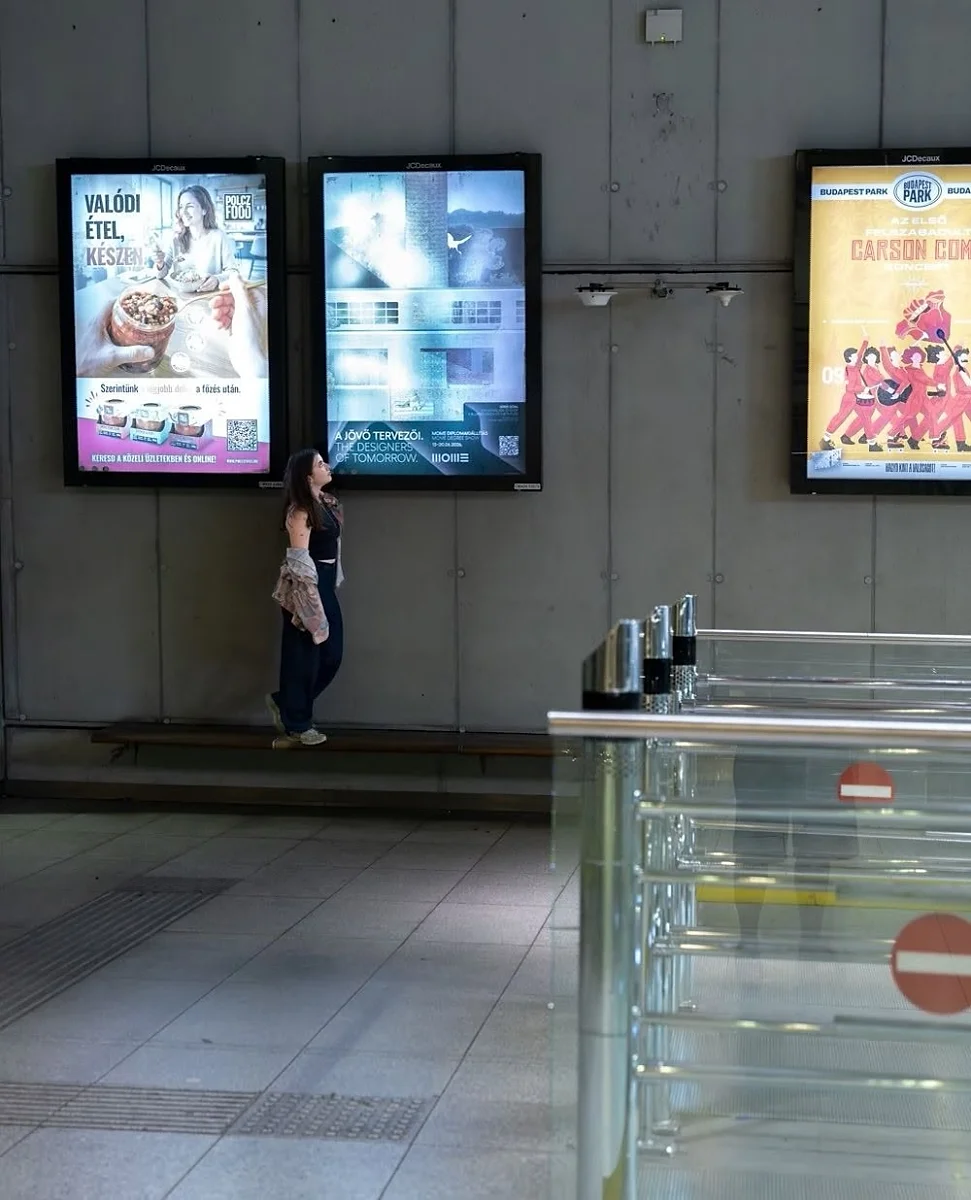
MOME Diploma Exhibition 2026