MOME Community Garden
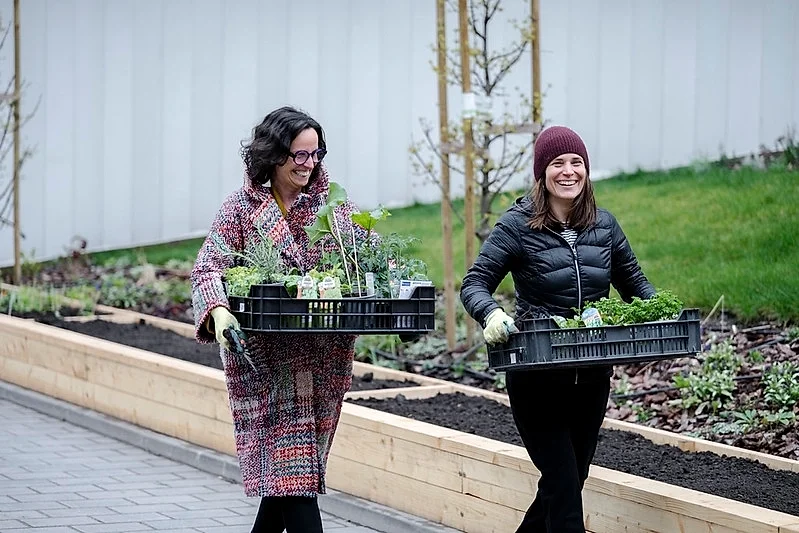
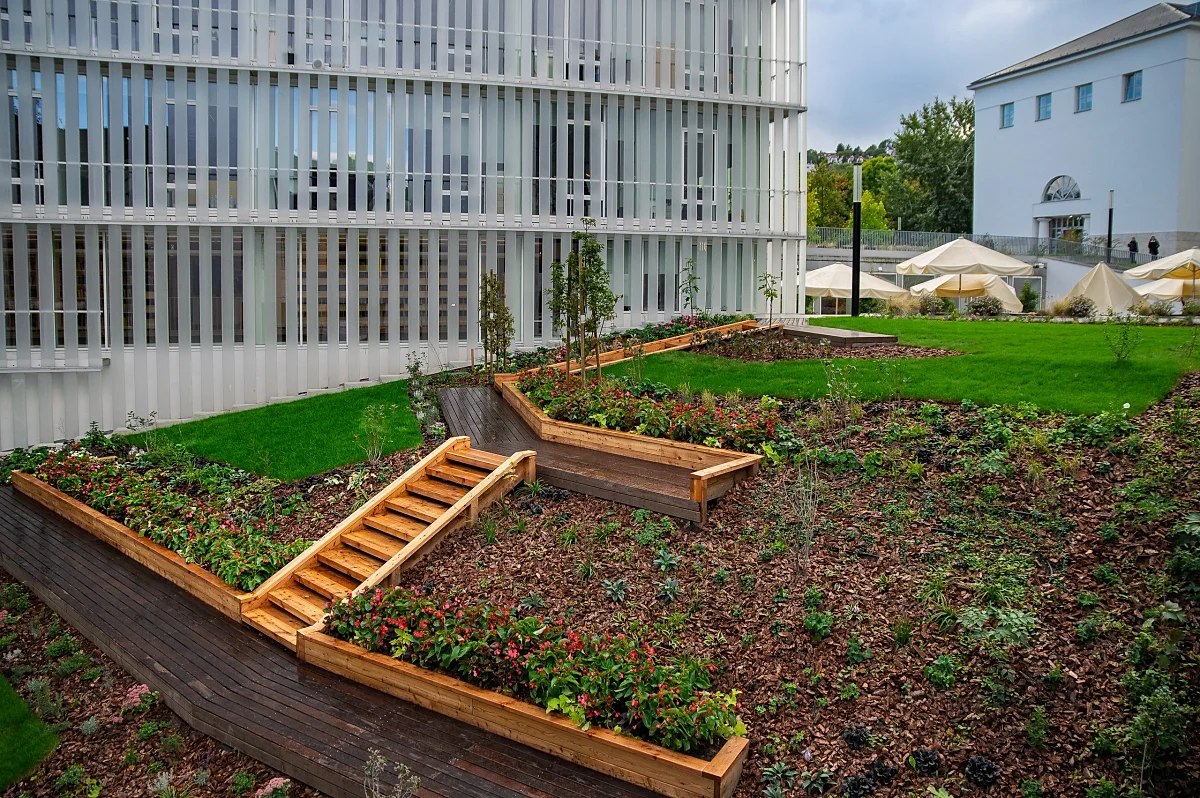
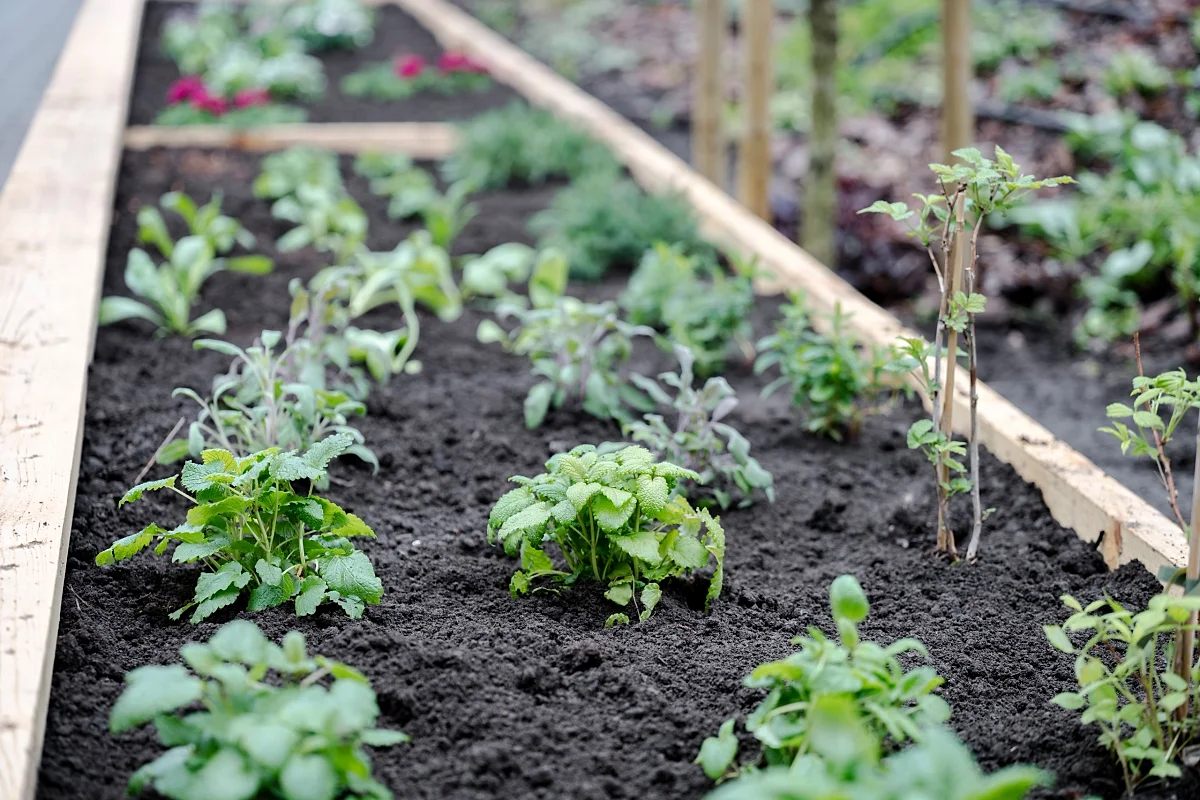
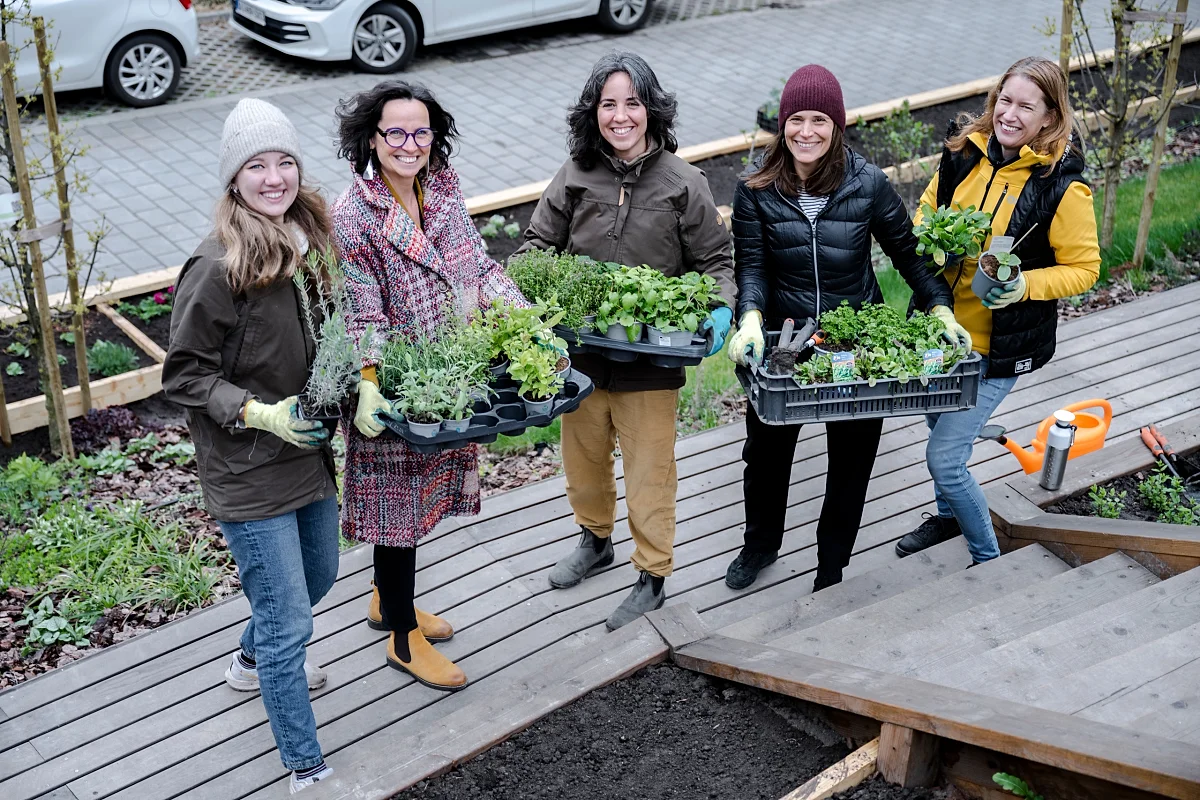
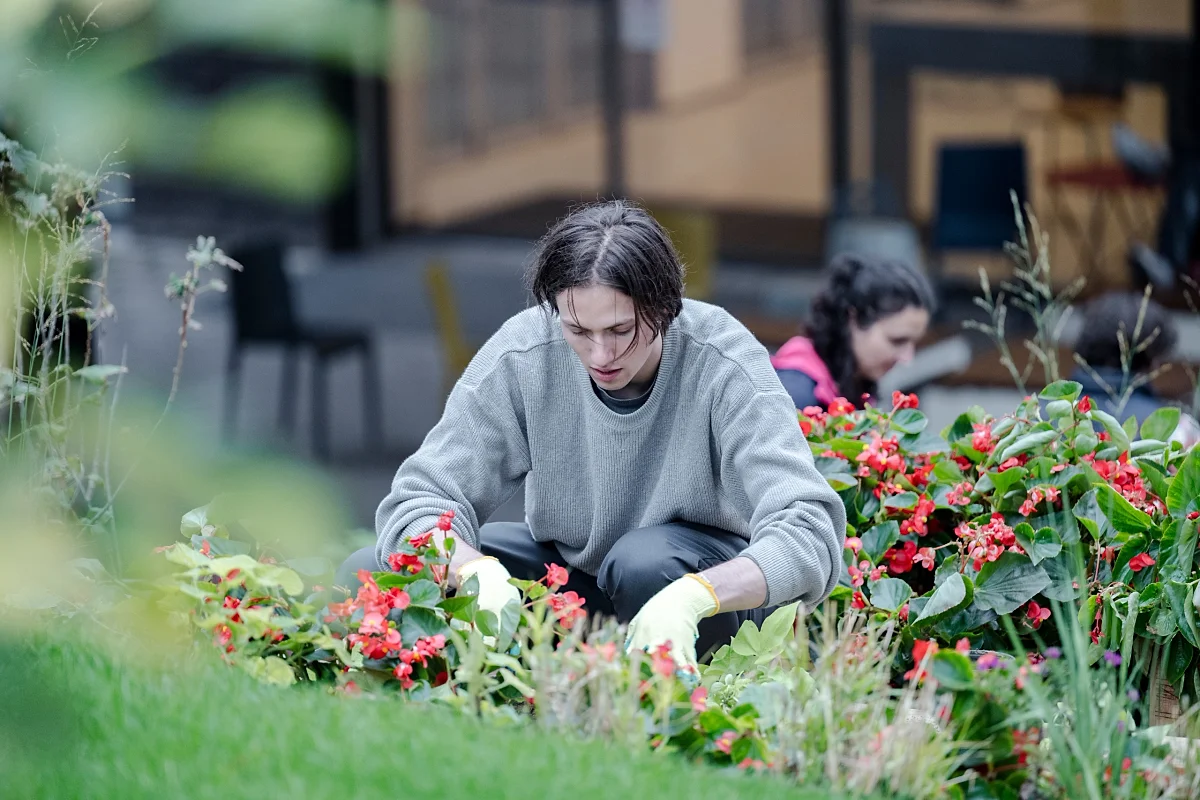
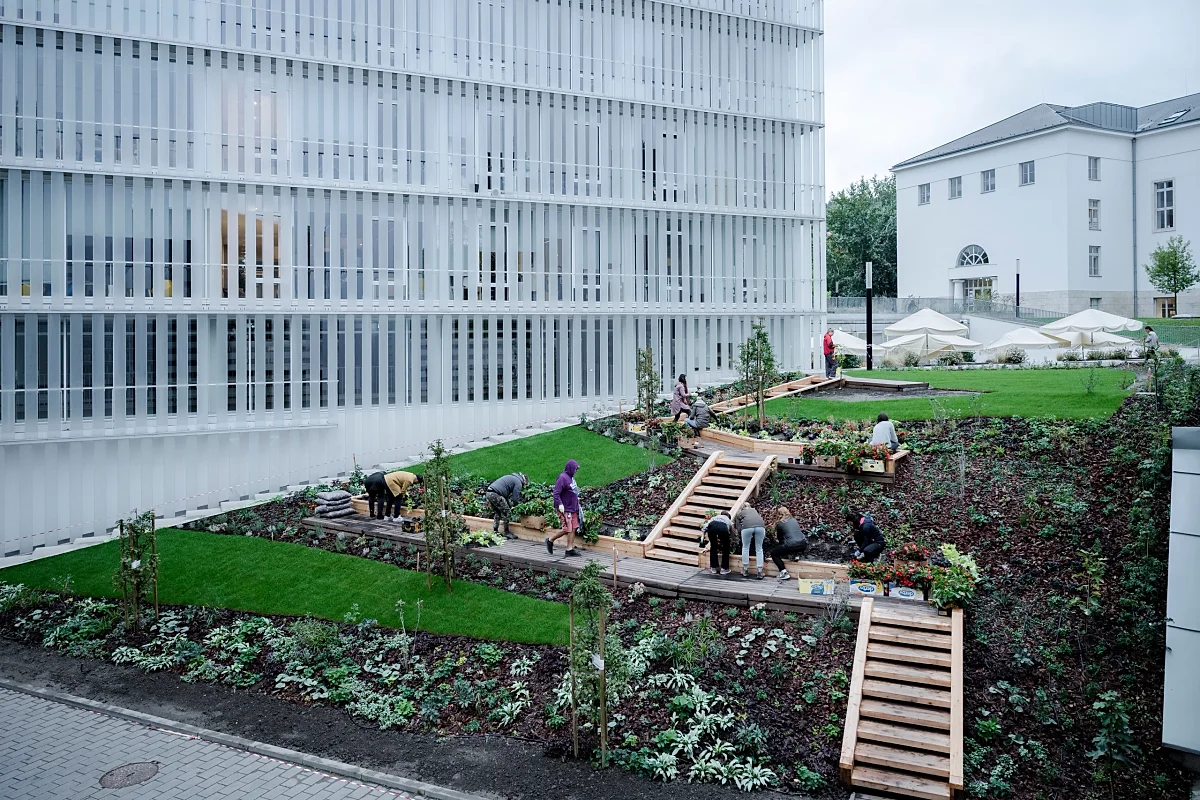
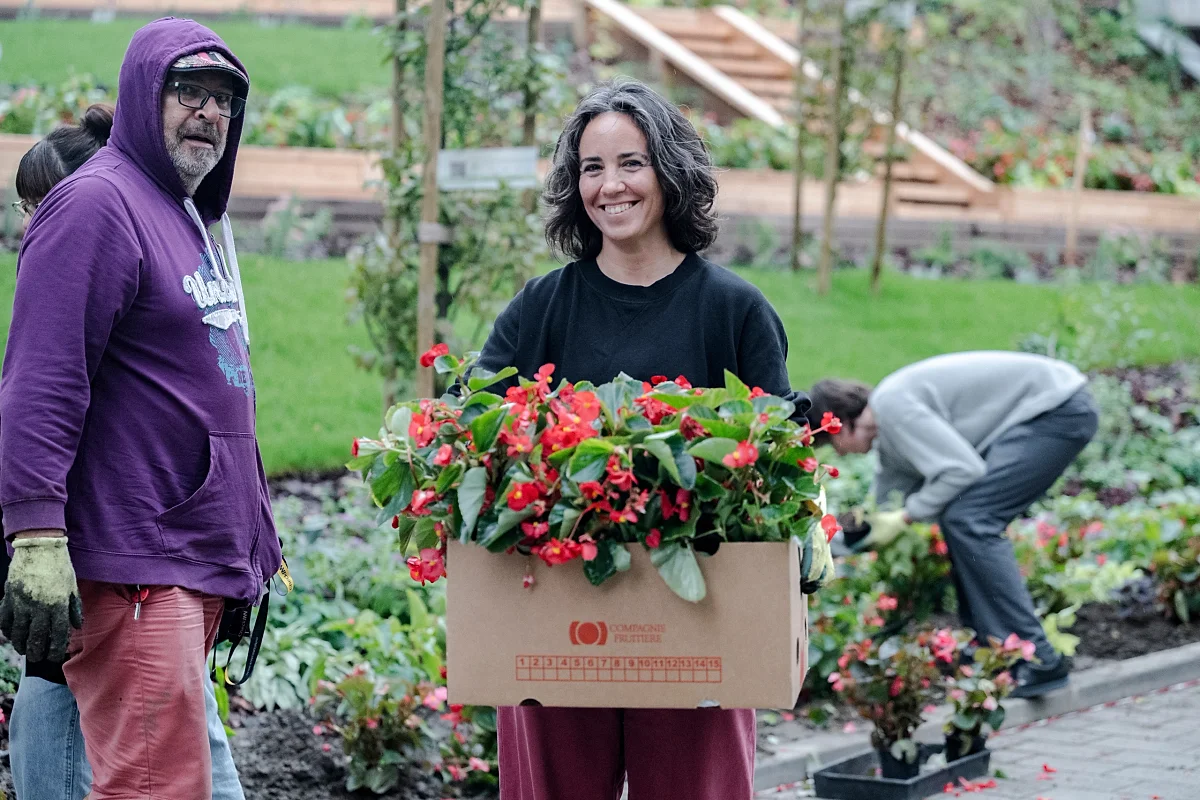
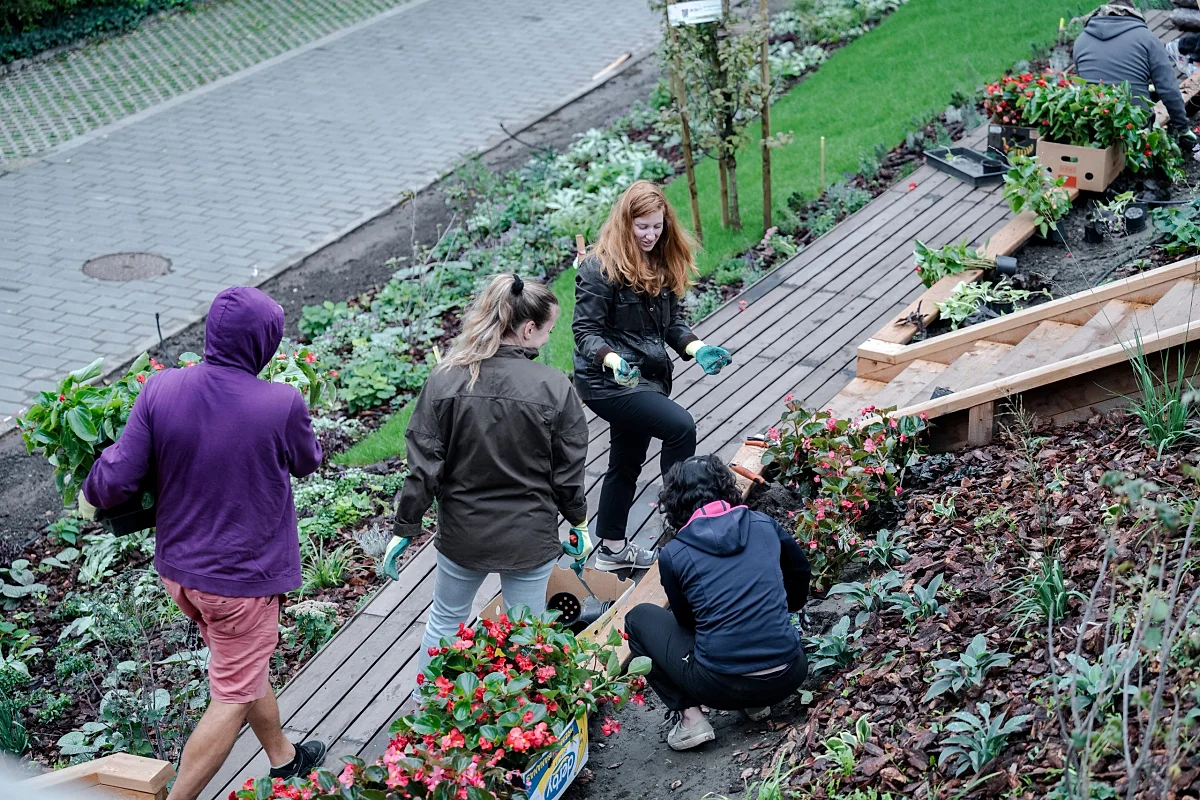
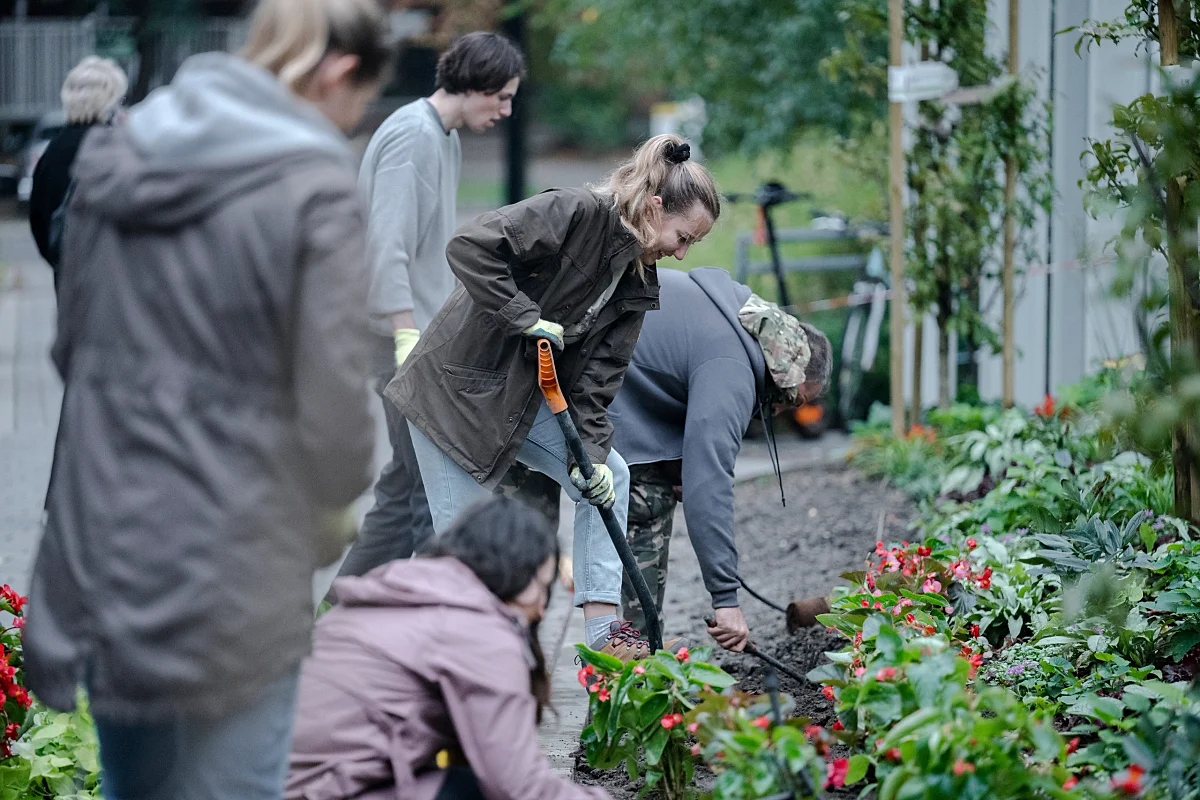
The carefully selected perennial herbs, dye and medicinal plants, fruit trees, and shrubs form a mutually supportive micro-ecosystem. This favourable environment enriches the soil, boosts biodiversity, retains rainwater, and helps mitigate the local effects of climate change. All green waste from the garden is returned to the university’s composting system and later fed back into the soil as humus.
The garden also functions as a living laboratory for teaching and research. Its ten experimental plots can be planted with species that can be used in creative practice on account of their natural pigments, essential oils, fibre structures, or other properties.
Autumn 2023 and Spring 2024 semesters
community co-design of the garden area as part of the permaculture courses
September 2025
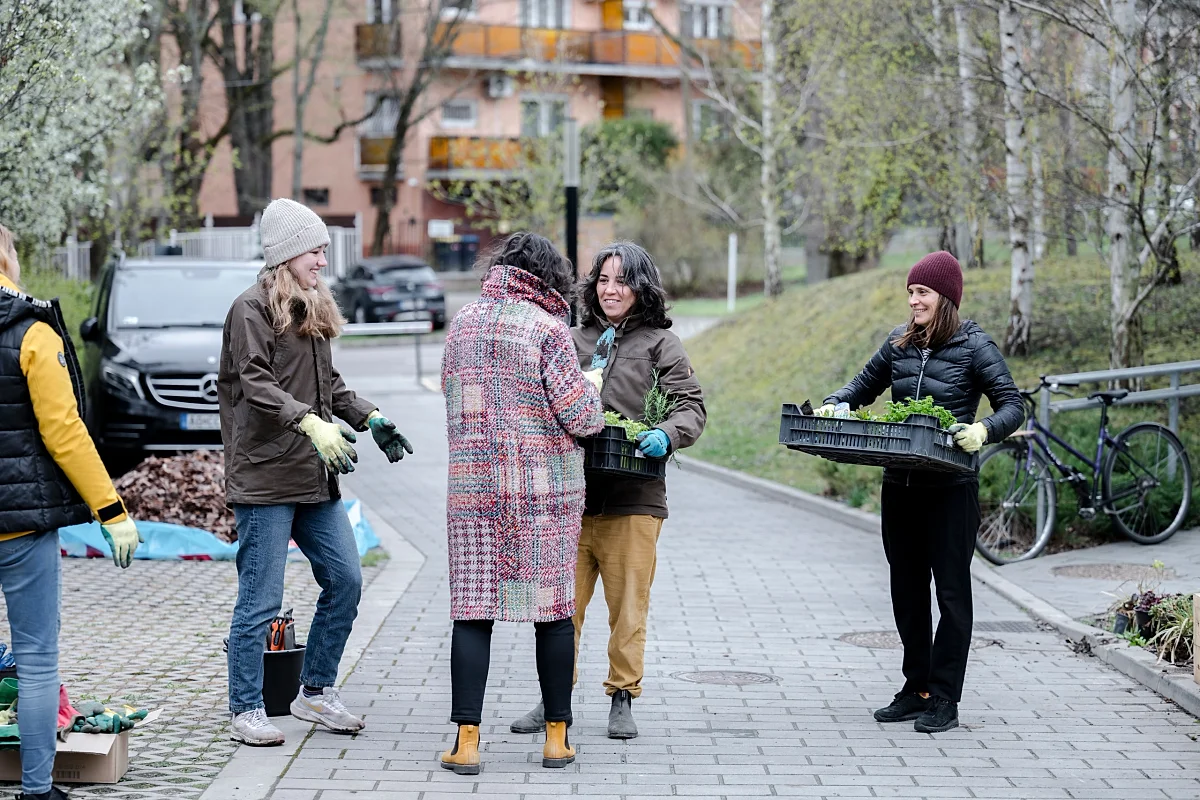
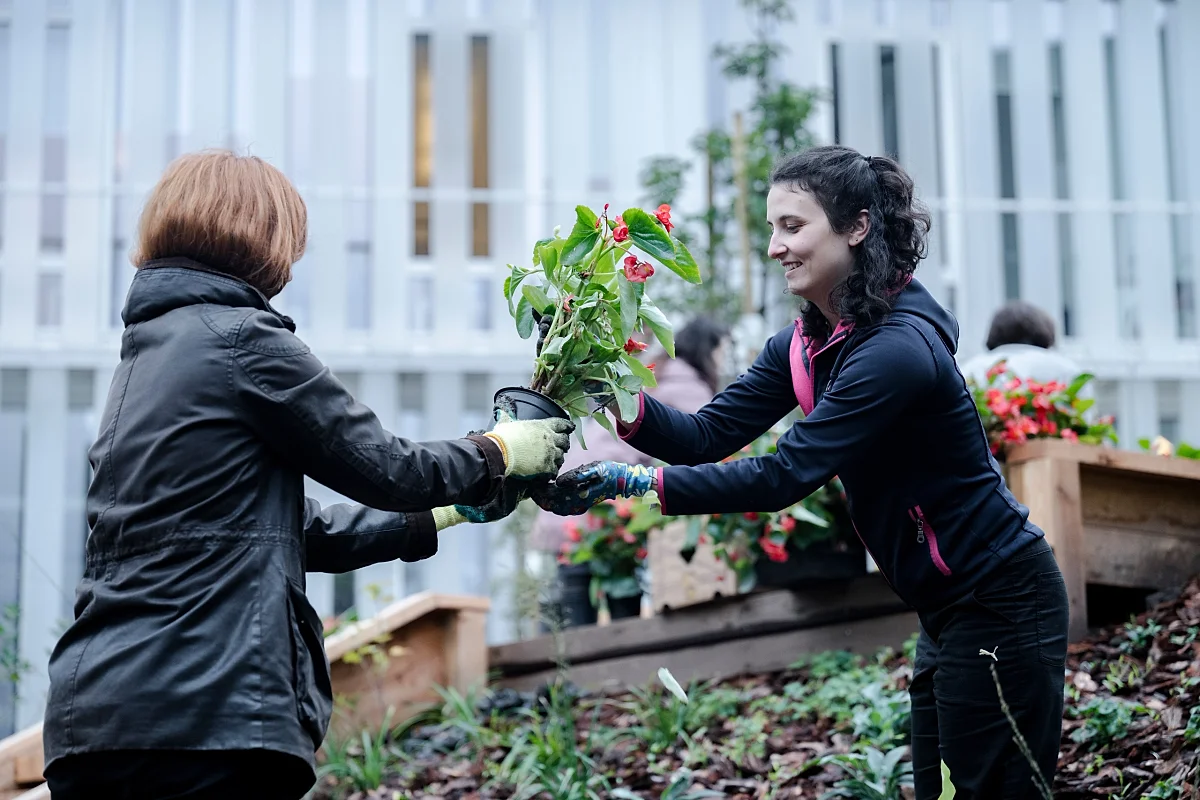
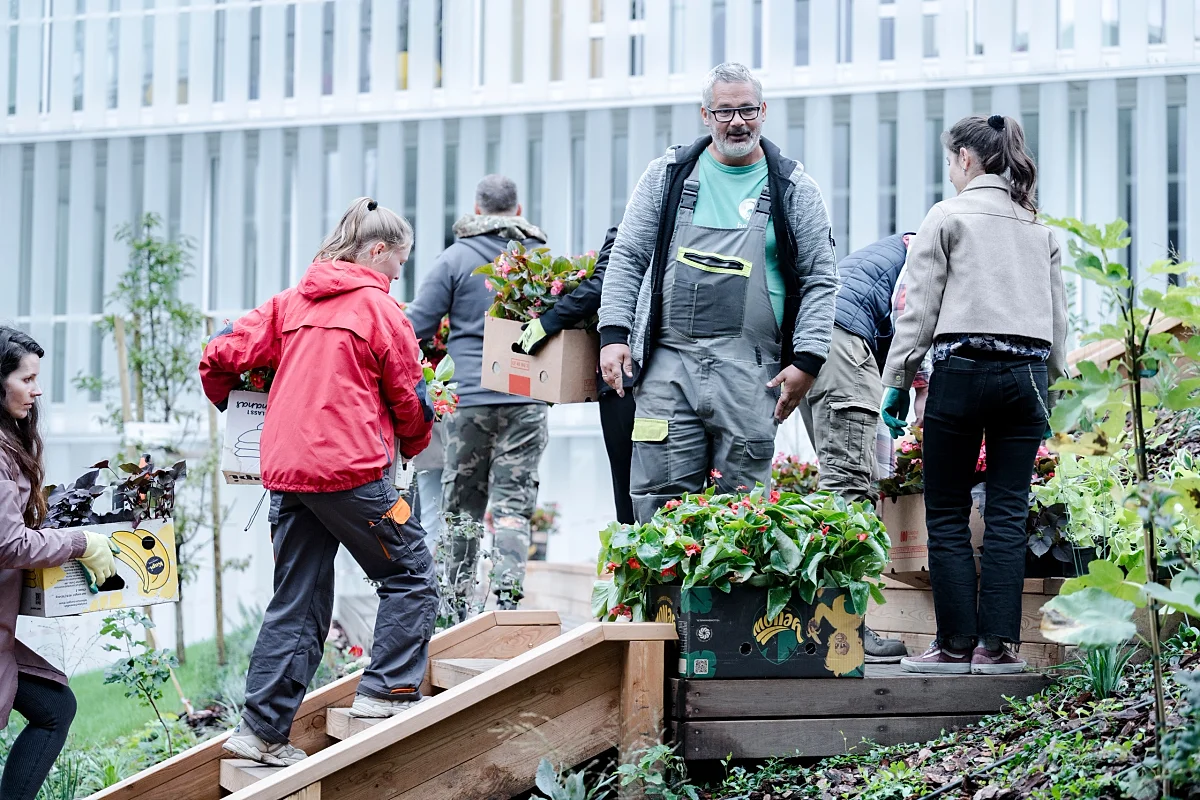
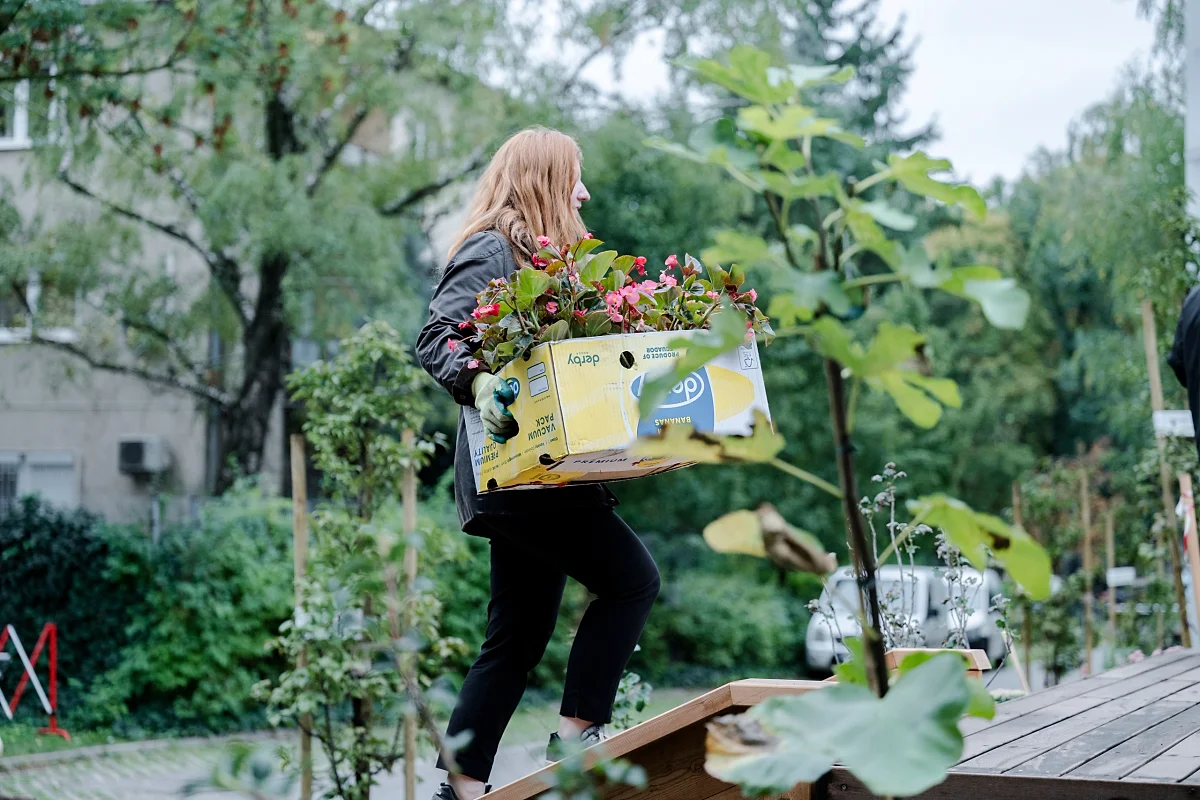
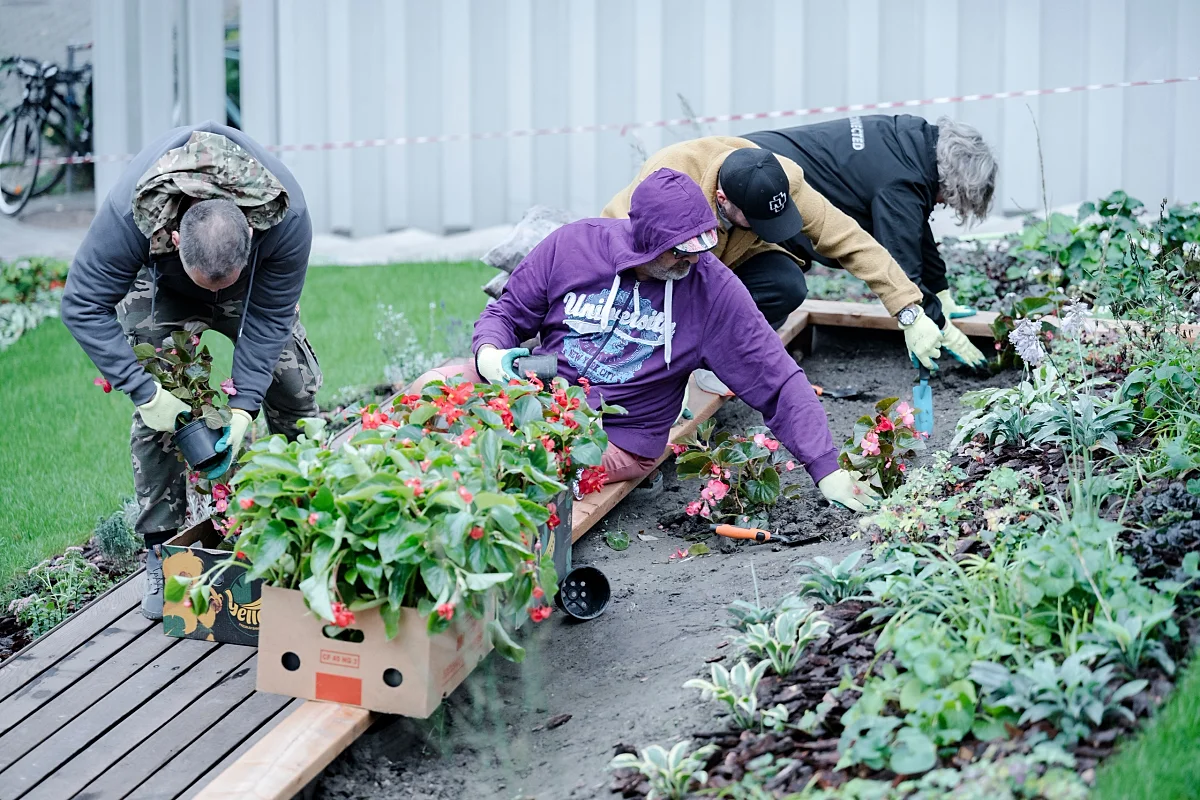
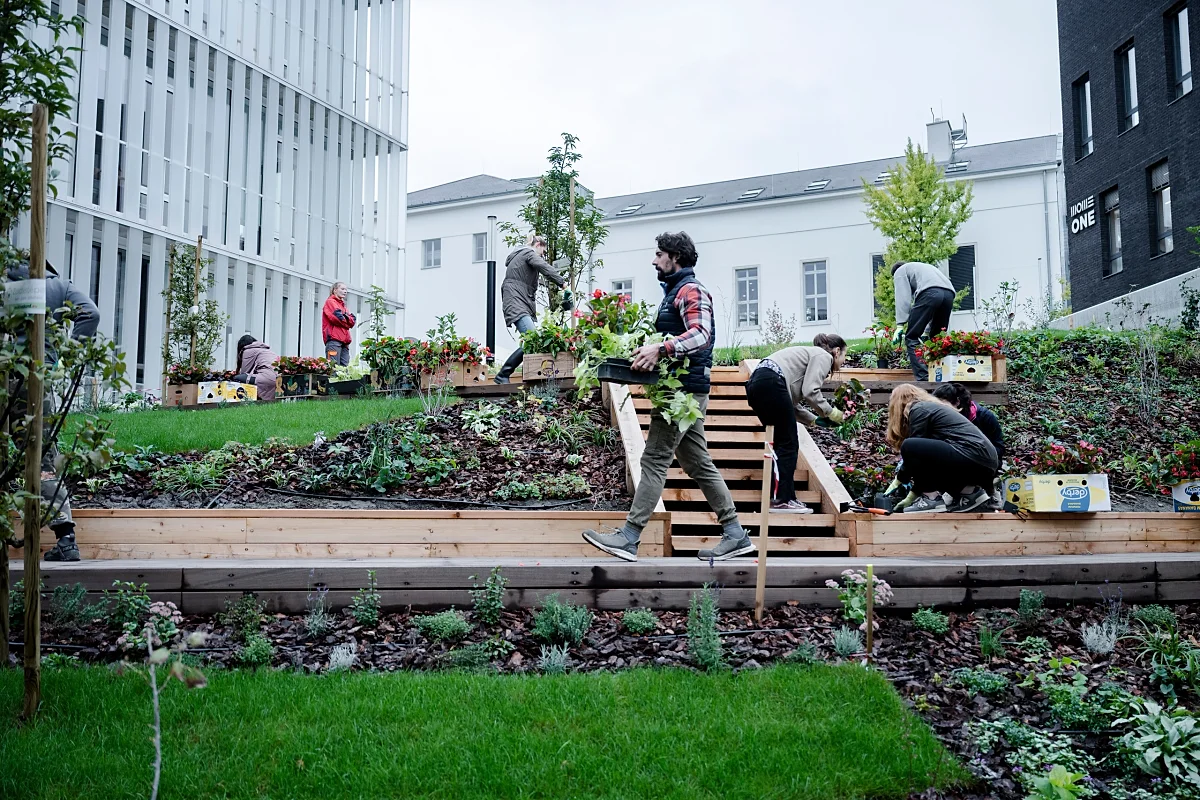
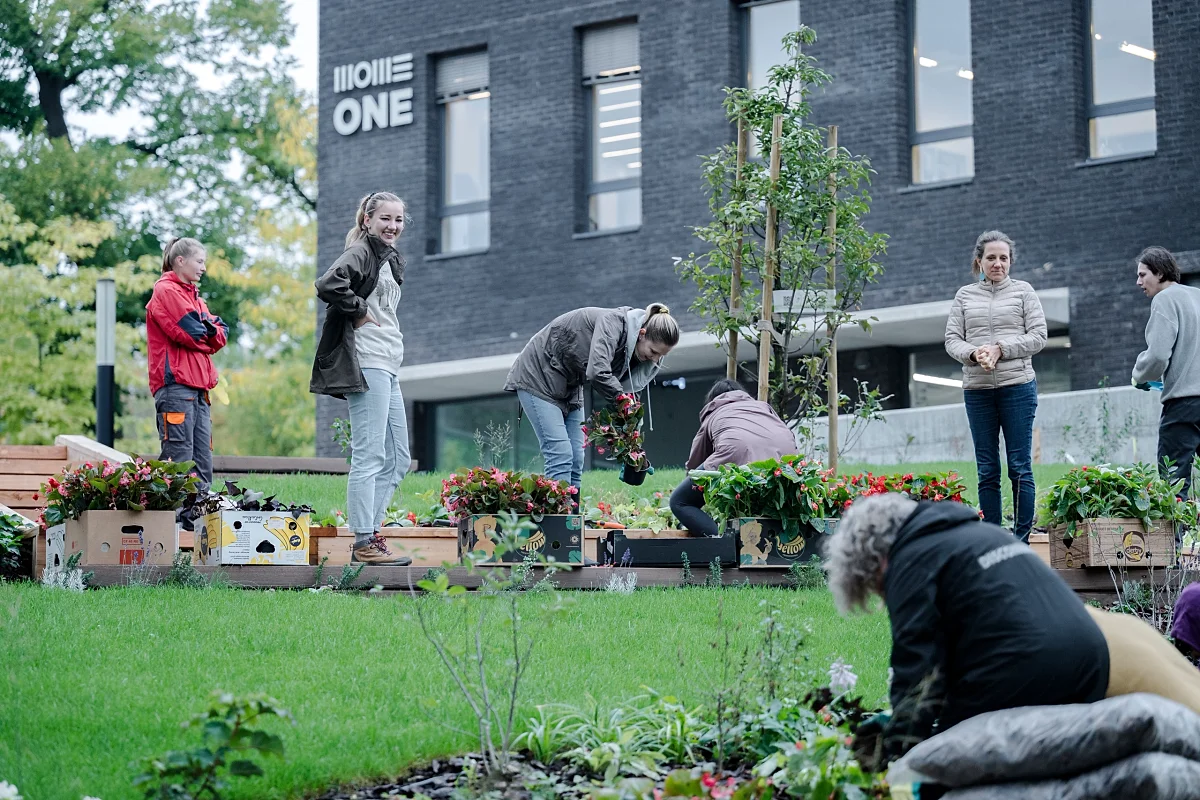
first community planting
September 2025
public garden opening with press coverage
October 2025
internal call launched to adopt the experimental plots in 2026
(pre-registration with draft concept)
November 2025
results announced and feedback provided
December 2025
first community event with the selected plot holders
March 2026
community development of the ten experimental plots; raised bed building festivalunity development of the ten experimental plots – raised‑bed construction festival
April 2026
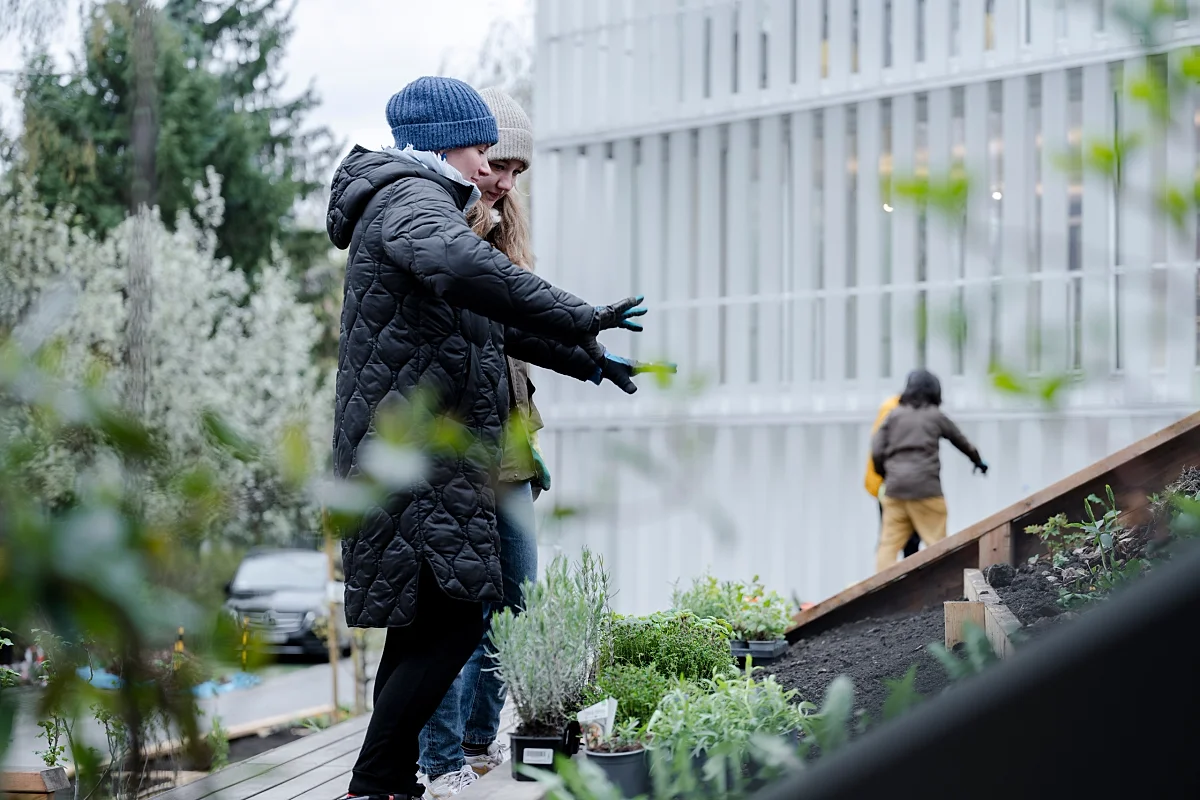
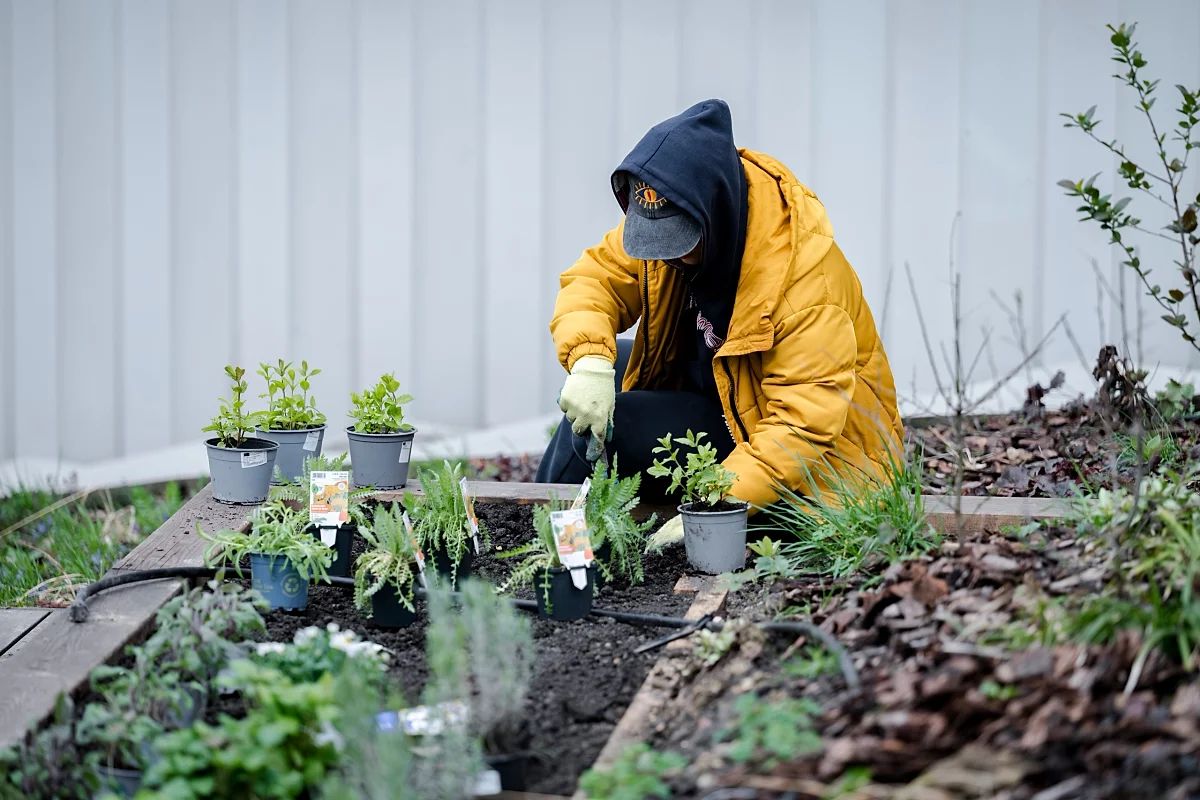
community planting of the plots; spring garden opening
April-November 2026
community and horticultural events
November 2026
autumn garden closing
1 December 2026
internal call launched to adopt the experimental plots in 2027
1. Zero Spice
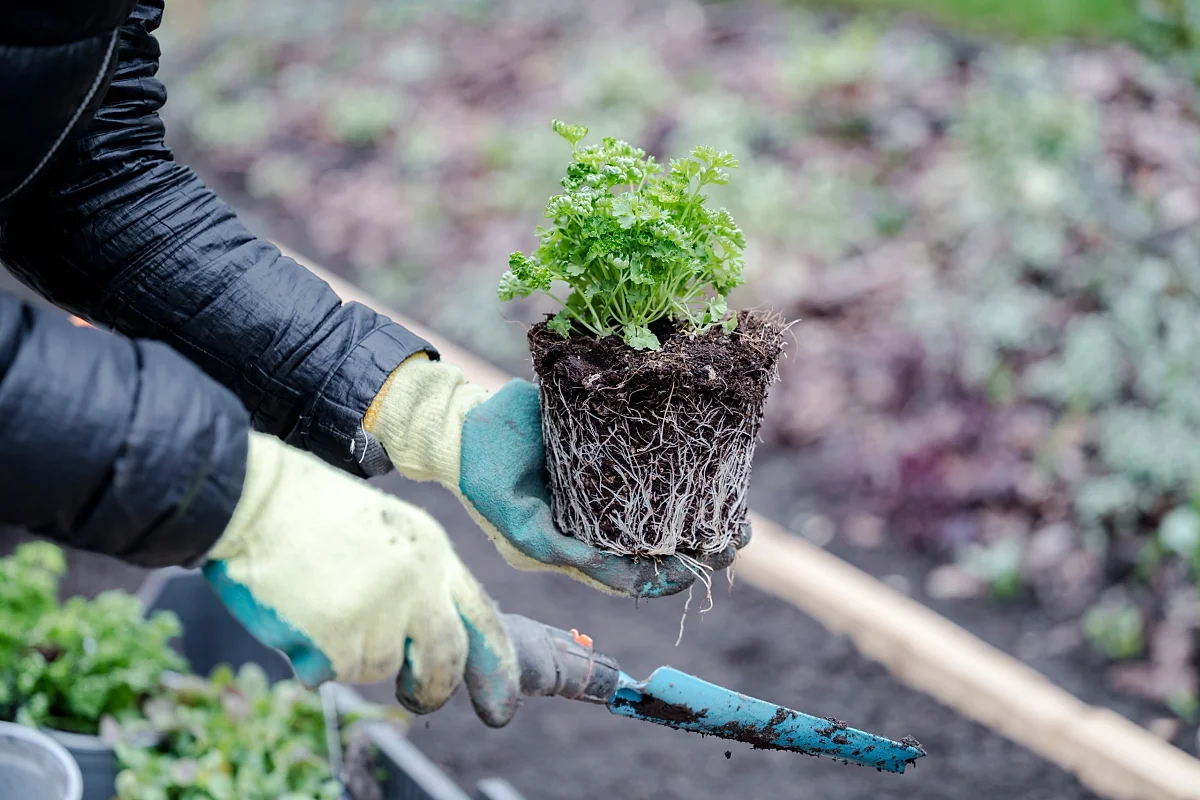
The smallest plot in the community garden is a combination pocket pharmacy and spice rack. It’s a compact gastro and aromatherapy hub, packed with thyme and sage, lemon balm and rosemary, along with sorrel and parsley, both high in vitamin C. These will come in handy for the summer Alumni Picnic community cooking competition.
2. Green patch
A classic kitchen garden run by the daytime cleaning team, growing the core ingredients of Hungarian cuisine. Parsley and alliums go well together, while dill helps keep pests away, and celery helps the alliums grow.
3. Design MA plot
A carefully designed herb garden and biodiversity hotspot, it includes lavender, sage, lemon balm and thyme, alongside chamomile, yarrow, viper’s bugloss, valerian, and angelica. The flowers support pollinators, and the plot holders plan to put the dried plants to use in teas and cakes to benefit the MOME community.
4. Zero Underground plot
An experimental “superfood” kitchen garden that combines classic vegetable growing with modern nutritional science. The selection, including sweet and purple potatoes, beetroot, and black radish, is based on nutrient-rich root crops and functional plants.
5. Classic School plot
The most resilient in the garden, it features a classic Mediterranean herb spiral, including thyme and sage, complemented by edible flowers such as nasturtium and robust aromatic plants such as lavender and tarragon. The aim is for the harvest to be used in the MOME canteen.
6. BA plot
Research suggests that growing tomato seedlings brings mental and emotional benefits that are often more valuable than money – a view shared by the team of BA students. They grow ingredients for a fresh summer salad, including tomatoes, peppers and cucumbers, with a strong onion base of wild garlic and red onion. Aesthetic considerations also come into play, with hydrangea and marigold.
7. Textile dye plot 1
The garden of the first-year textile design students sits at the intersection of art and nature. It shows how the campus park can be used as a living dye shop, with colours coming from the ground rather than from tubes. Plants such as lavender, calendula, verbena, red onion, beetroot, pansy, hollyhock, and raspberry provide material for the textile workshops; moreover, the team is also offering to develop a collection from the dyed fabrics.
8. The Miss Moss Realm
A gnome world imagined by the students for shooting stop-motion films and scenes led by Miss Moss, the moss goddess and created by the students, including its inhabitants and their houses. Plants are chosen for their visual impact, to fit the look of the world, and their practical use for stop-motion sets, puppets, installations, textile animation, and dyeing.
9. Textile dye plot 2
The gardeners of the Fashion workshop see collaboration between staff and students, experimentation, and gardening as having a positive effect on the nervous system. Their plot is planted mainly with dye plants, medicinal herbs, and wildflowers. They plan to dye banner waste produced in their workshop with plants grown here, and to use zero-waste techniques to make a jacket and a picnic blanket with flower print.
10. Women's herbal apothecary
Created by the female members of the international office team, the selection is based almost entirely on plants that support hormonal balance, cycle management, and women’s health through phytotherapy. It includes yarrow, lady’s mantle, shepherd’s purse, fenugreek, sage, lemon balm, St John’s wort, red clover, calendula, hops, and raspberry. The team plans to prepare herbal teas from the harvest as a natural alternative for self-care for women in the university community.
+1 MOME Zero Pocket Garden
A tiny pocket garden greets visitors at the upper entrance of the UP building (next to the rooftop garden above Ground). In the raised bed, which is just over one square meter in size, basil, oregano, lemon balm, thyme, and flat-leaf parsley have found a home. Feel free to smell the herbs and use the lush greens in moderation!